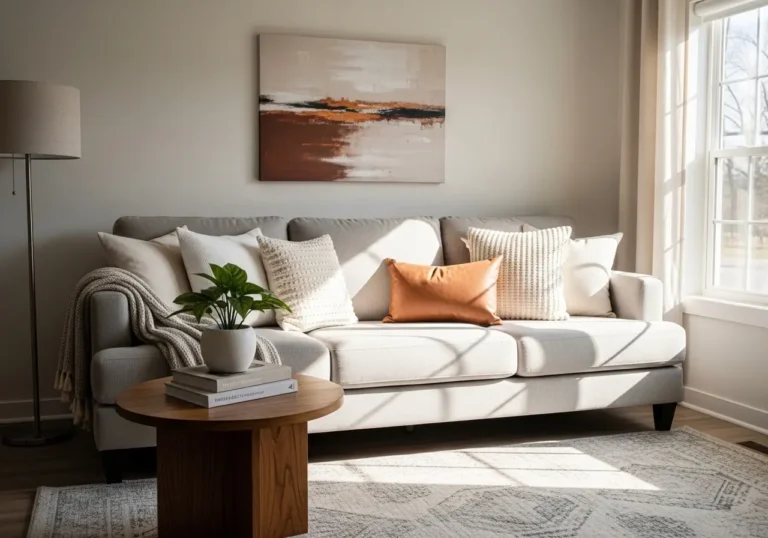
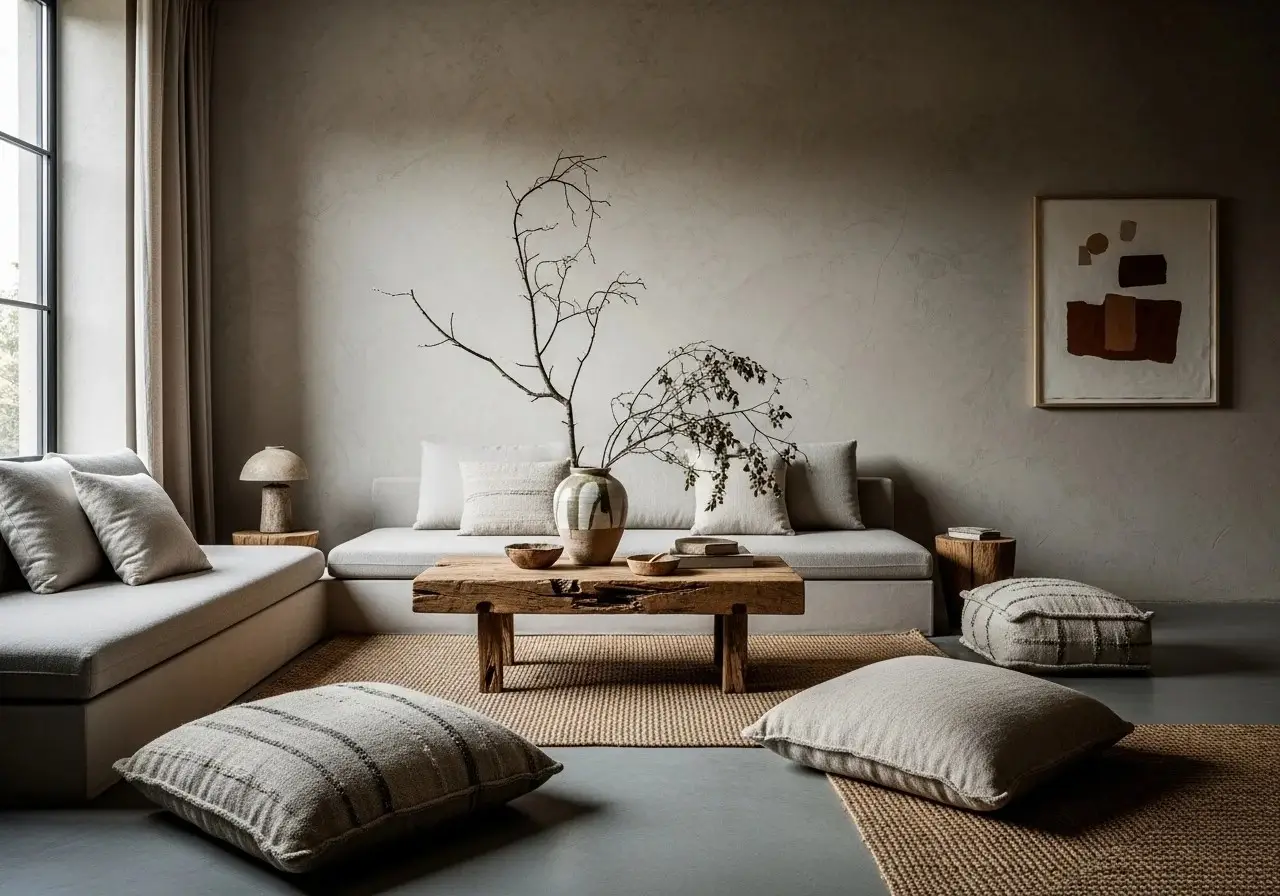
14 Wabi Sabi Living Room Ideas That Feel Calm, Imperfect, and Beautifully Lived-In
Have you ever felt like your living room looks “done” but somehow still doesn’t feel right? Like everything matches, everything is in place—yet it feels a little too perfect, a little too stiff to truly relax in. That’s where wabi sabi changes the story. These wabi sabi living room ideas aren’t about adding more—they’re about softening, simplifying, and embracing the beauty of imperfection so your space finally feels natural, calm, and deeply comforting every single day.
1. Start with a Soft, Earthy Color Palette
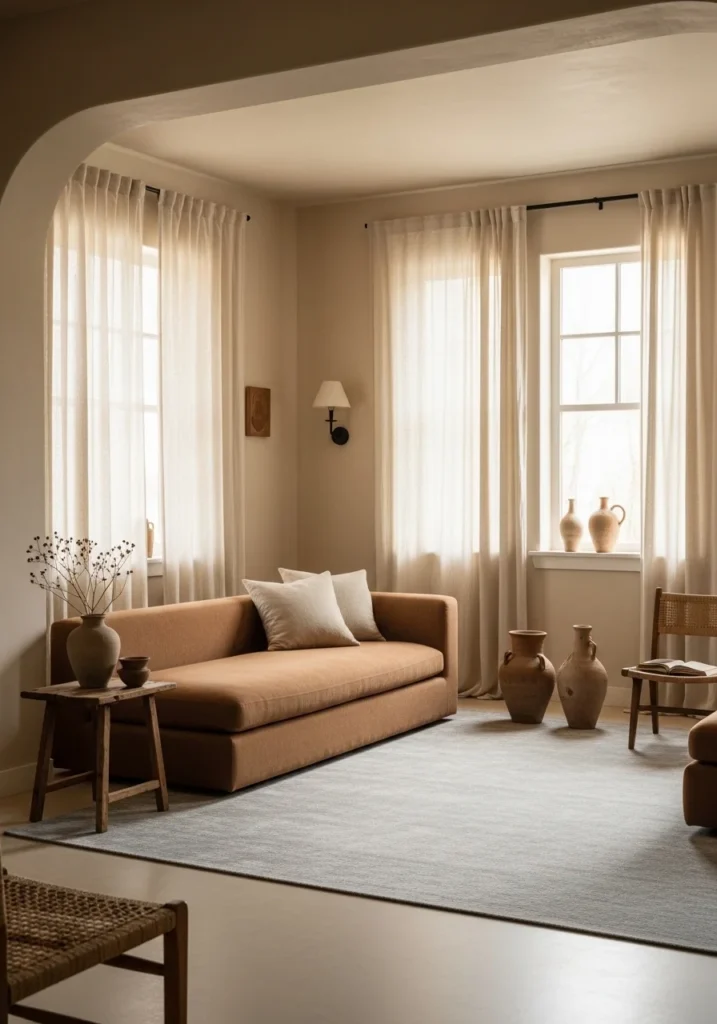
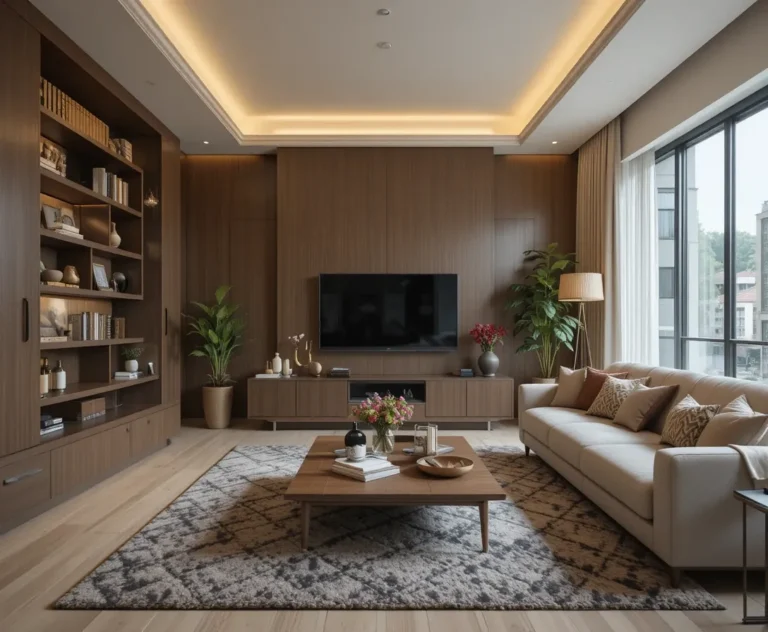
Think warm beige, clay, muted brown, soft gray, and off-white tones. These colors should feel natural, not polished or overly styled.
This works because earthy tones instantly ground your space. They create a calm backdrop that feels quiet and balanced rather than bold or distracting. The softness helps everything blend effortlessly.
Tip: Choose paint colors with slightly warm undertones—cool shades can feel too sharp for a wabi sabi look.
2. Choose Furniture with Organic Shapes
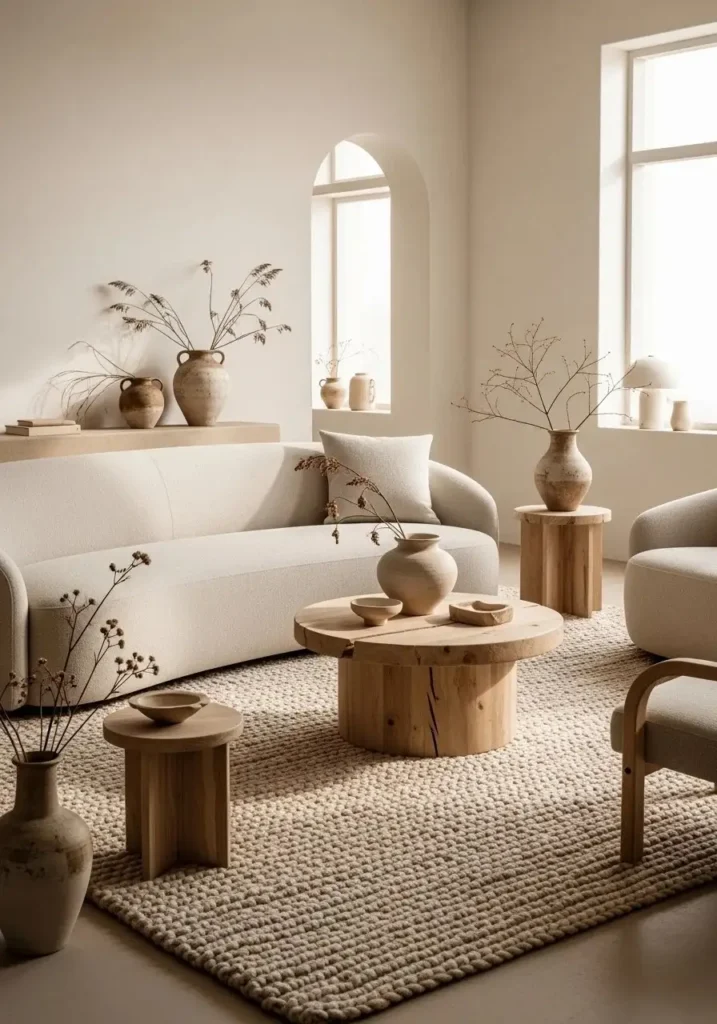
Look for sofas, chairs, and tables with curved edges, uneven lines, or slightly imperfect forms. Avoid overly sharp or rigid designs.
This works because organic shapes feel more natural and relaxed. They soften the overall space and make it feel less structured, which is key to wabi sabi design.
Tip: Even one curved coffee table or rounded chair can shift the entire mood of the room.
3. Embrace Natural, Raw Materials
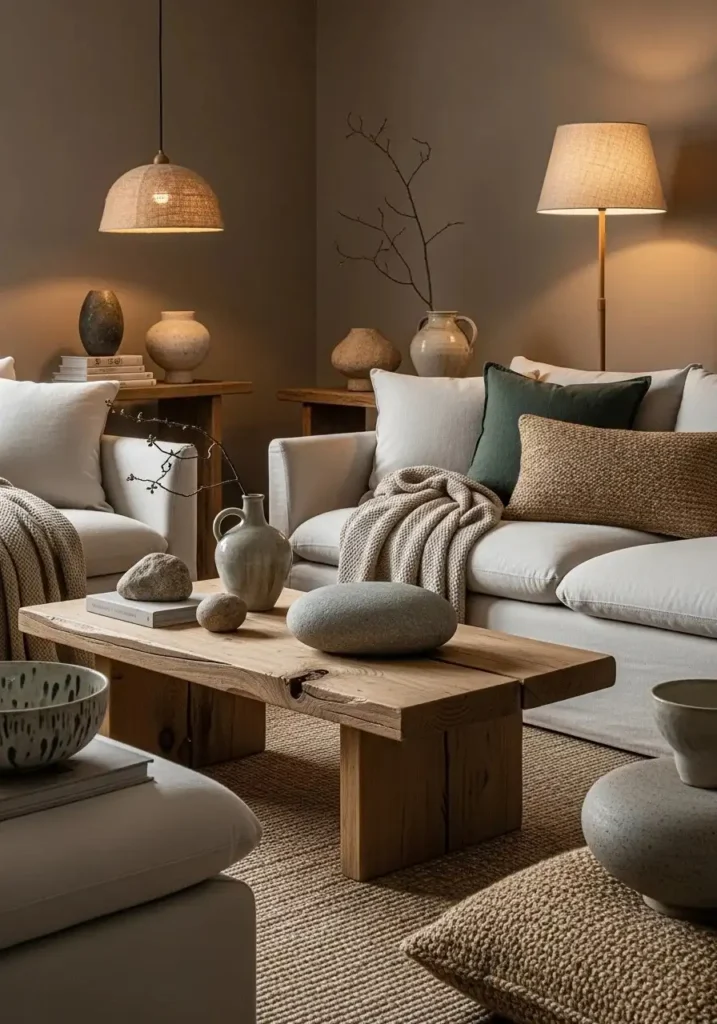
Incorporate wood, stone, linen, clay, and ceramic elements throughout your living room. Let textures feel slightly rough or unfinished.
This works because raw materials add depth and authenticity. They remind you of nature and create a tactile, comforting environment. Nothing feels overly manufactured.
Tip: Mix materials gently—like a wooden table with a linen sofa—to keep the space layered but calm.
4. Let Imperfection Be Part of the Design
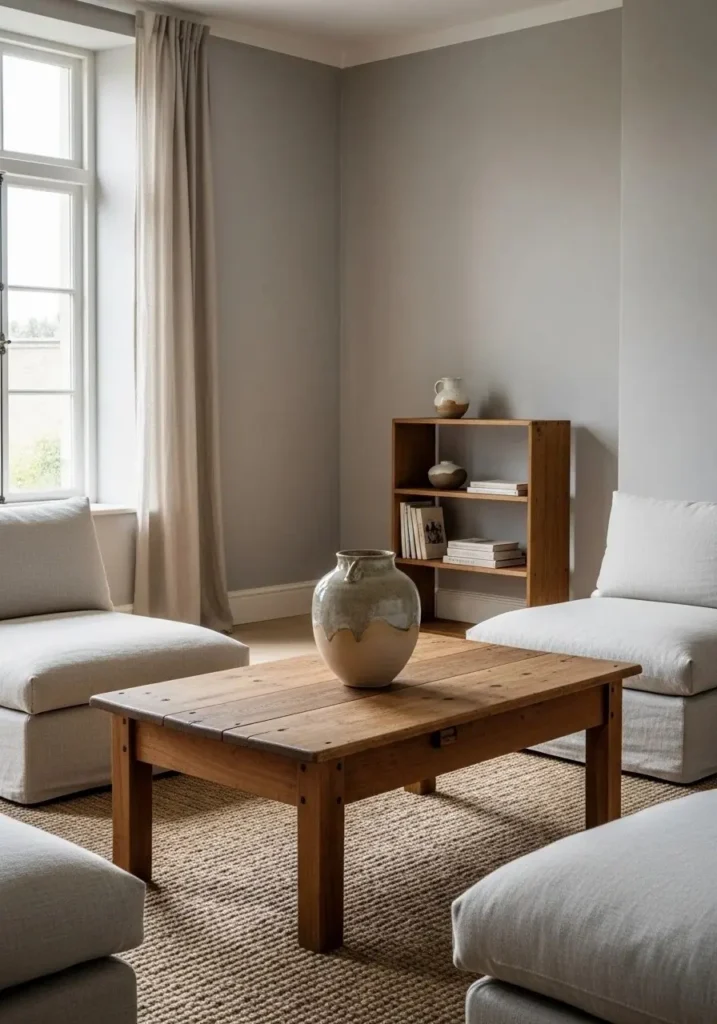
Wabi sabi celebrates flaws—like chipped pottery, uneven finishes, or aged wood. Don’t hide these details; let them show.
This works because imperfection makes a space feel real and lived-in. It removes pressure for everything to look perfect and instead invites comfort and ease.
Tip: Display one imperfect piece, like a handmade vase, as a subtle focal point.
5. Keep Furniture Low and Grounded
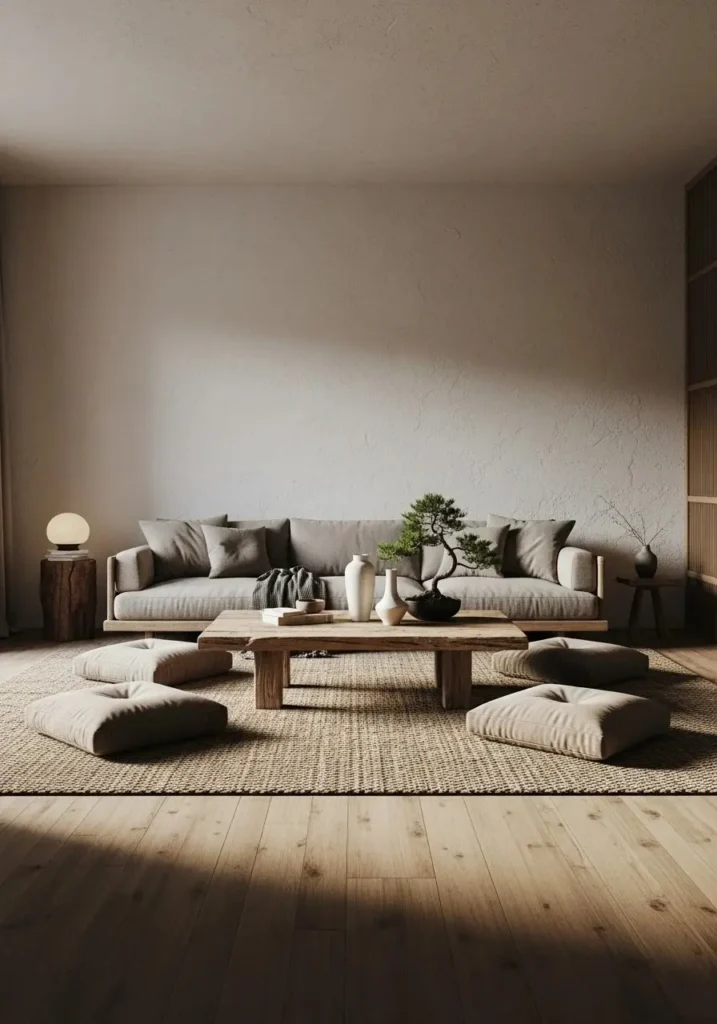
Similar to Japanese-inspired spaces, wabi sabi living rooms often use lower seating and tables. Think low sofas, floor cushions, or simple wooden platforms.
This works because it creates a grounded, peaceful feeling. The room feels more connected to the earth and less formal or rigid.
Tip: Pair a low sofa with a textured rug to keep the space cozy and balanced.
6. Wabi Sabi Living Room Ideas with Minimal Decor
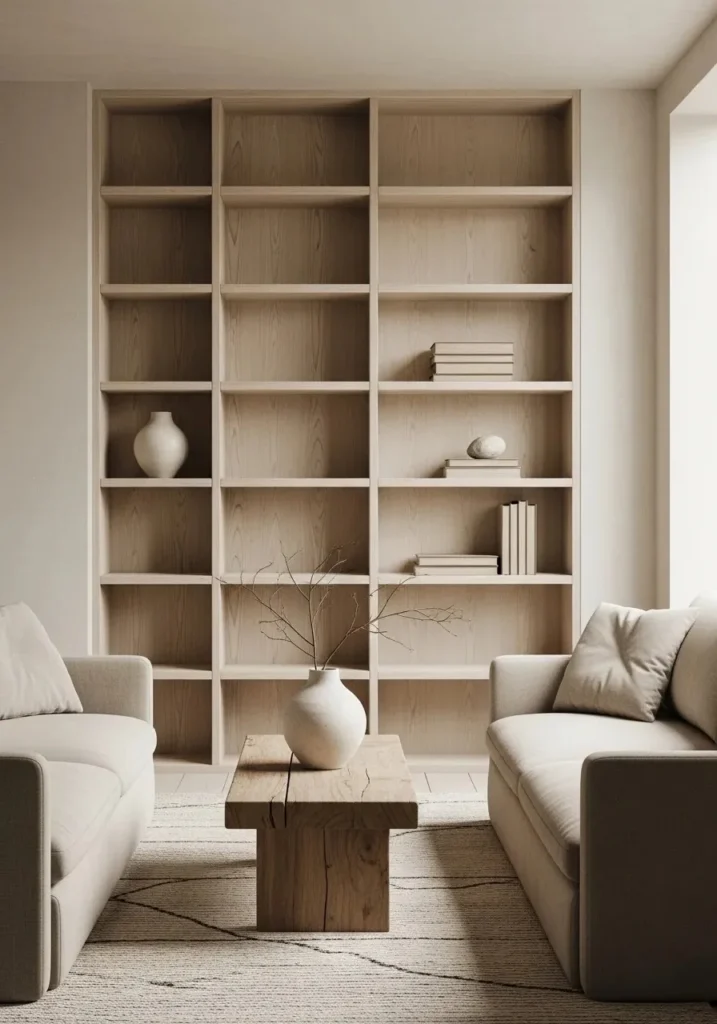
Instead of filling shelves and tables, choose a few meaningful pieces—like a ceramic bowl, a handmade sculpture, or a simple branch arrangement.
This works because negative space allows each object to breathe. It creates a calm visual rhythm where nothing feels overwhelming or unnecessary.
Tip: If a surface feels crowded, remove one or two items—you’ll instantly feel the difference.
See More Amazing Ideas Also: 16 Living Room Color Combination Ideas That Instantly Transform Your Space
7. Embrace Imperfect, Handmade Decor
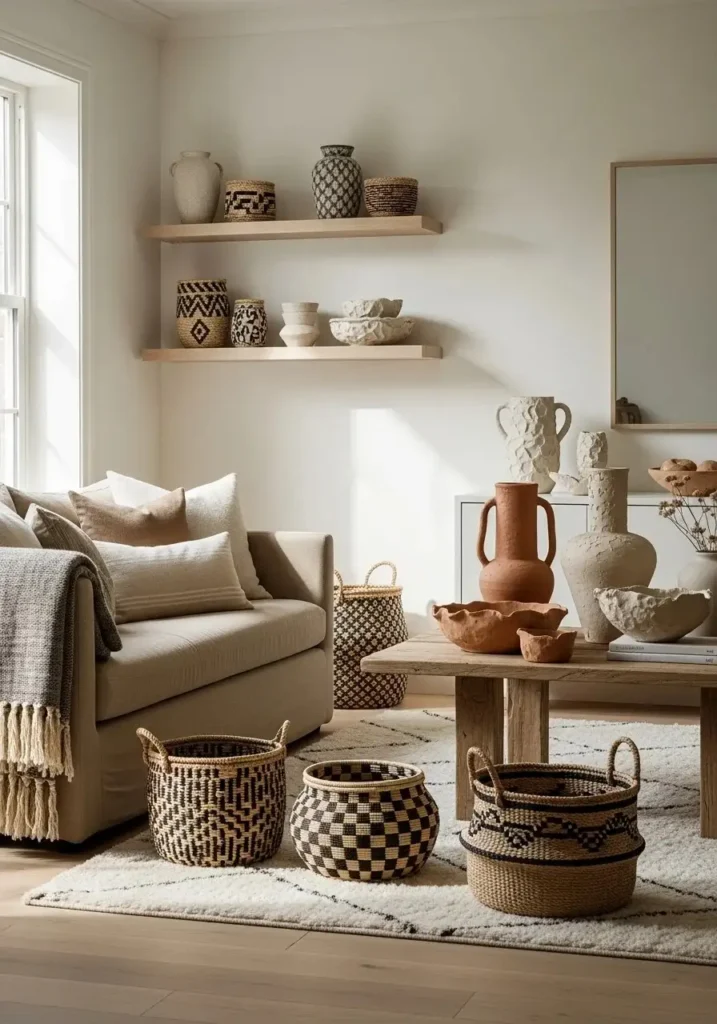
Wabi sabi design finds beauty in things that feel human and slightly imperfect. Think hand-thrown pottery, woven baskets, or ceramics with uneven edges and natural texture. These pieces don’t need to match or look polished—in fact, their irregularities are what make them special.
This works because imperfection adds warmth and authenticity to your space. It removes the pressure of perfection and creates a more relaxed, lived-in feeling. Each item feels personal rather than staged.
Tip: Choose just a few handmade pieces and let them stand out instead of overcrowding your surfaces with decor.
8. Keep Colors Muted and Earthy
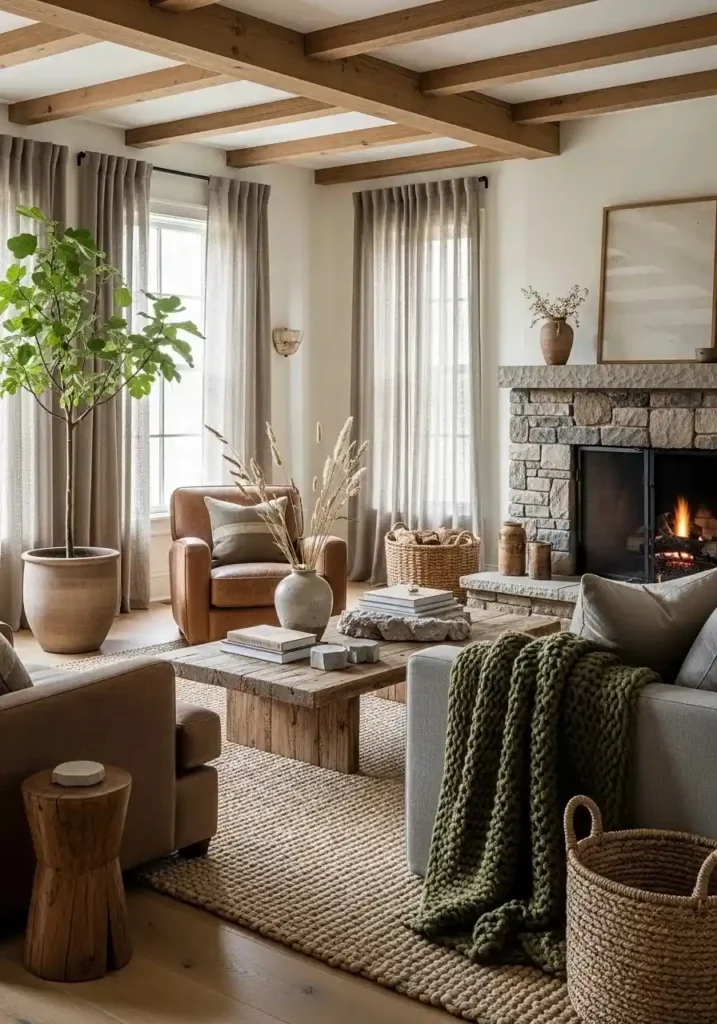
A wabi sabi living room relies on a calm, nature-inspired color palette. Stick to muted tones like warm beige, soft gray, clay, olive green, and dusty brown. Avoid bright or overly saturated shades.
This works because earthy colors create a soothing environment that feels grounded and timeless. They allow textures and materials to take center stage instead of bold colors dominating the space.
Tip: Layer similar tones together to build depth while keeping the overall look soft and cohesive.
9. Wabi Sabi Living Room Ideas with Aged Wood
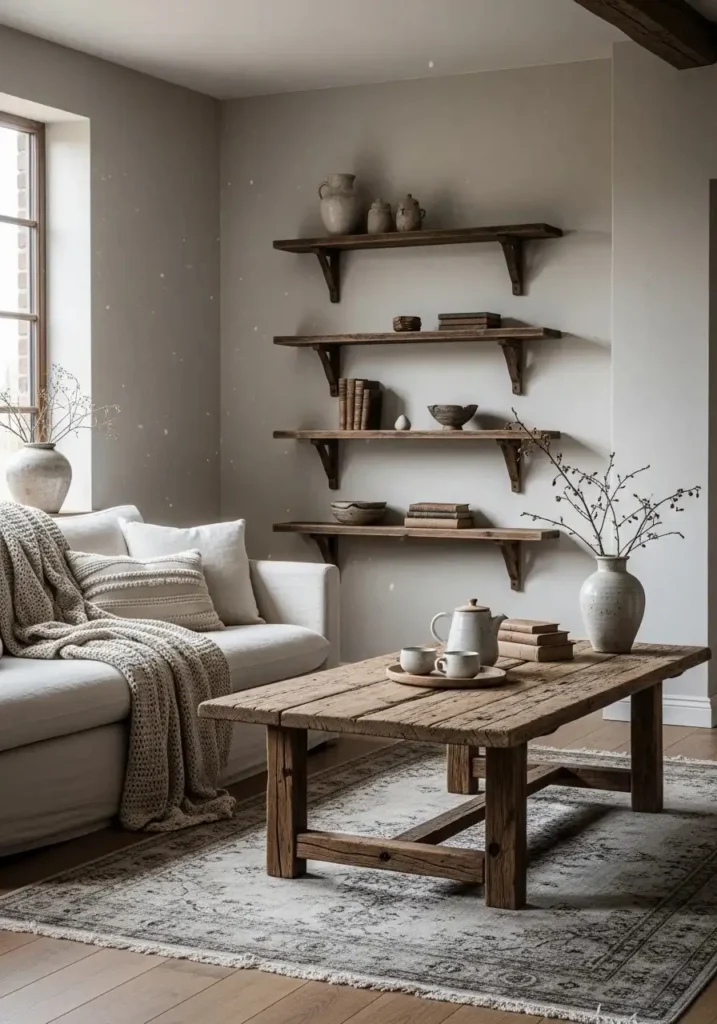
Incorporate furniture or decor made from aged, reclaimed, or lightly weathered wood. Look for visible grain, knots, or subtle imperfections in the finish.
This works because aged wood tells a story. It brings a sense of time and history into your living room, which is at the heart of wabi sabi design. The natural wear adds depth and character.
Tip: Skip glossy finishes—matte or raw textures feel more natural and aligned with this style.
10. Let Negative Space Breathe
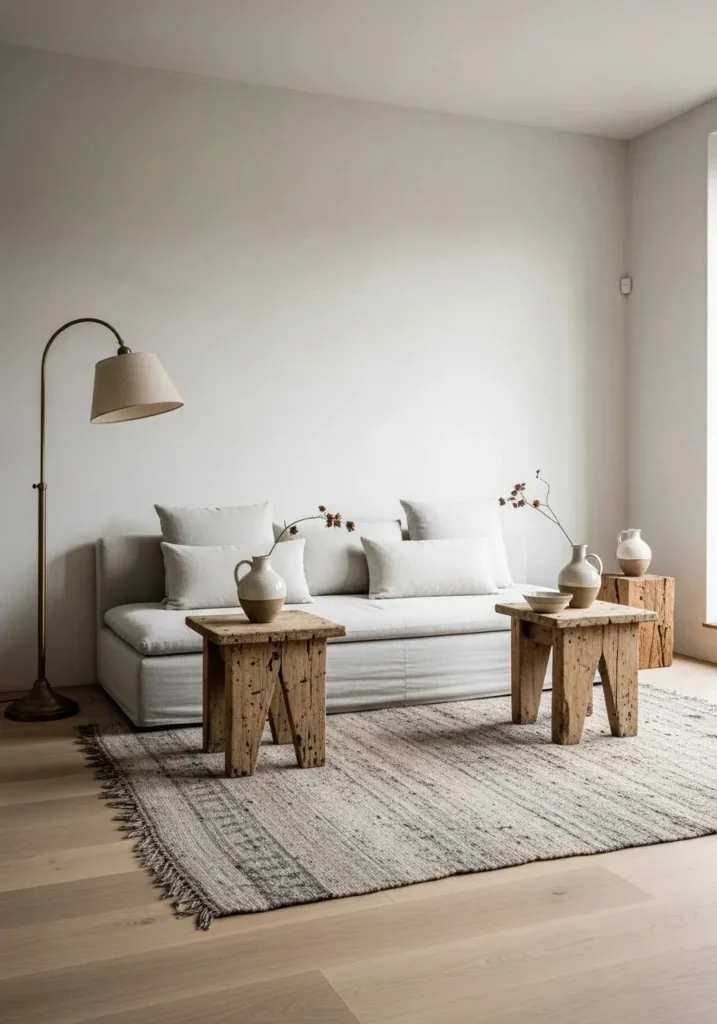
Instead of filling every corner, allow empty space to exist intentionally around your furniture and decor. Give each piece room to stand on its own.
This works because negative space creates balance and calm. It helps your eyes rest and makes the room feel more open and peaceful. The focus shifts from quantity to quality.
Tip: After styling your room, remove one or two items—you’ll instantly notice a more relaxed and balanced feel.
See More Amazing Ideas Also: 12 Japanese Living Room Ideas That Feel Calm, Minimal, and Deeply Grounded
11. Use Soft, Diffused Lighting
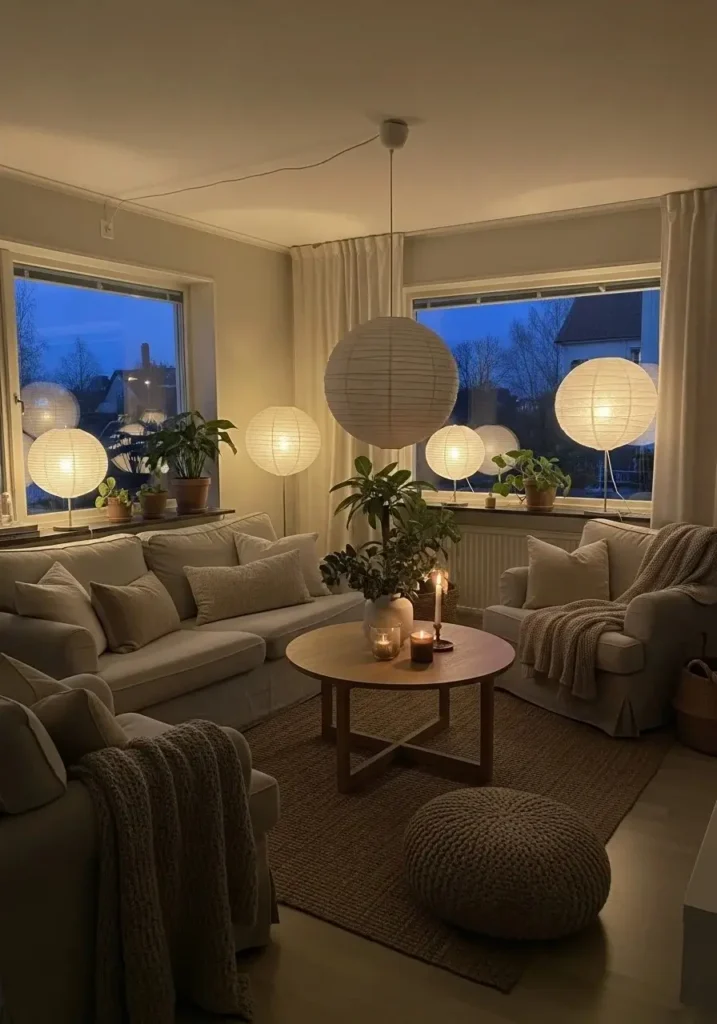
Lighting plays a huge role in setting the mood. Choose warm, diffused light through paper lamps, linen shades, or soft-glow bulbs. Avoid harsh overhead lighting whenever possible.
This works because gentle lighting softens the entire space and highlights natural textures beautifully. It creates an intimate, calming atmosphere that feels especially comforting in the evening.
Tip: Layer your lighting with a mix of floor lamps, table lamps, and wall lights for a cozy, balanced glow.
12. Incorporate Natural Stone Elements
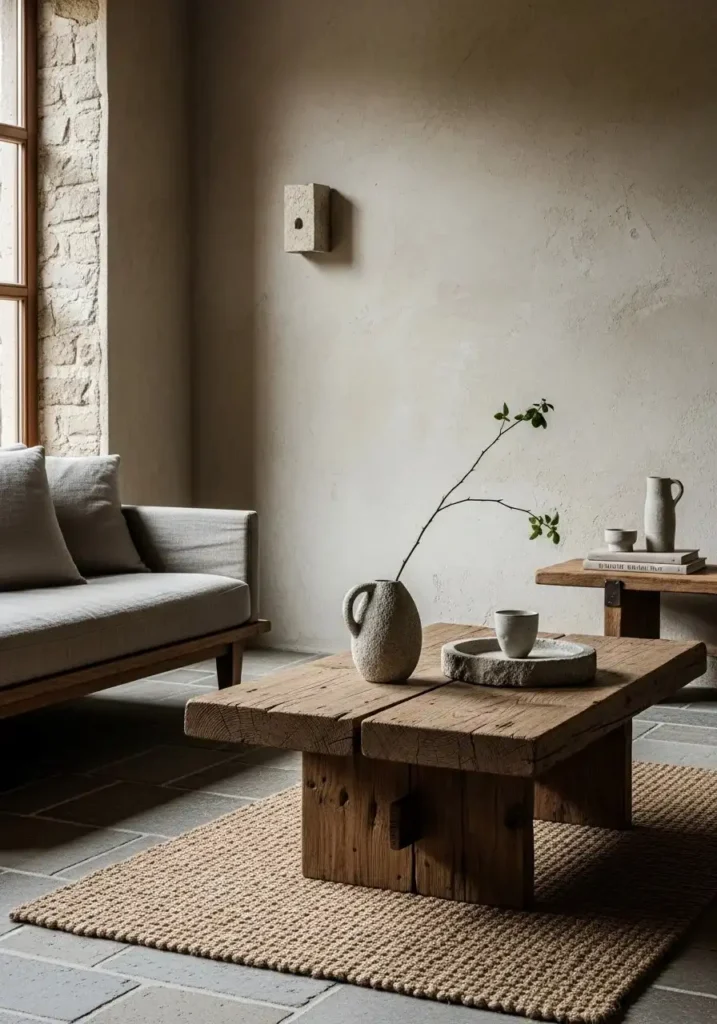
Bring in stone through decor pieces like vases, trays, or small tables. Choose raw or lightly finished surfaces that showcase natural imperfections.
This works because stone adds a grounding, earthy quality that balances softer materials like wood and fabric. Its texture feels solid and timeless without being overpowering.
Tip: Use stone sparingly—one or two pieces are enough to add depth without making the space feel heavy.
13. Choose Simple, Organic Shapes
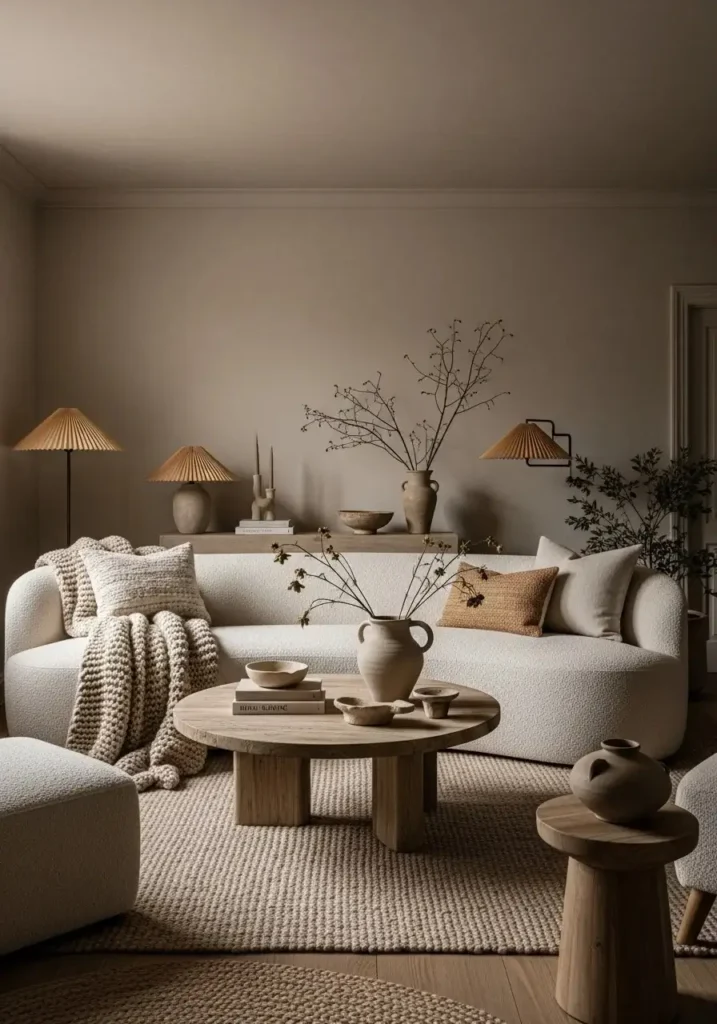
Opt for furniture and decor with soft curves and irregular forms instead of sharp, rigid lines. Rounded tables, asymmetrical bowls, or gently curved seating work beautifully.
This works because organic shapes feel more natural and less structured. They create a sense of flow and ease, making your living room feel relaxed and inviting.
Tip: Introduce one curved piece, like a round coffee table, to soften the overall layout.
14. Keep the Space Personal and Evolving
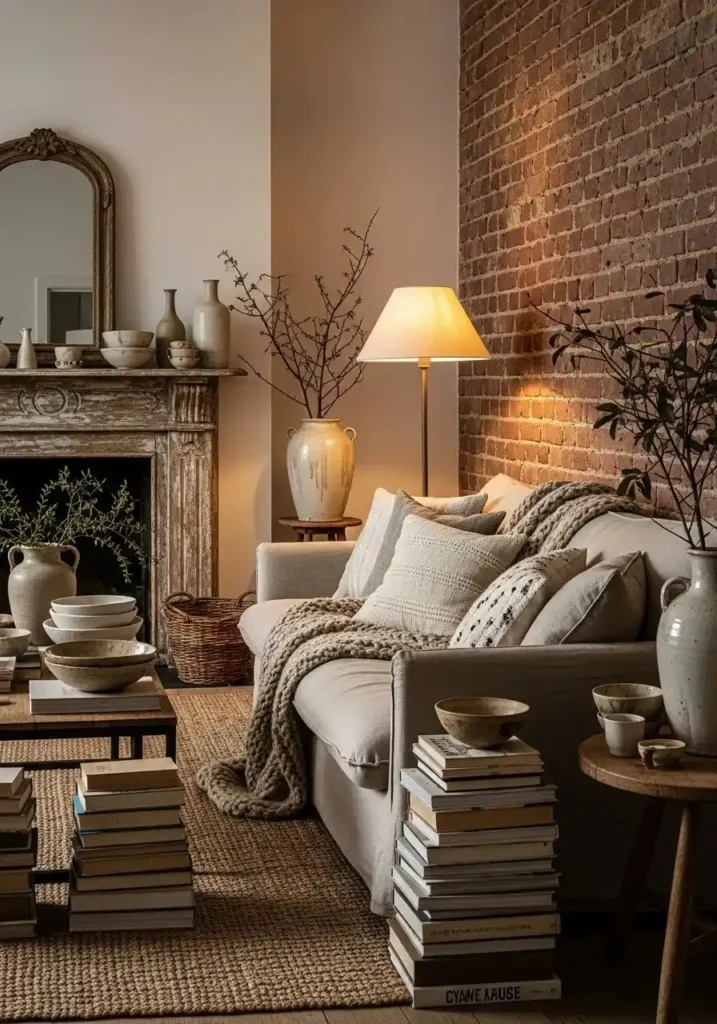
A true wabi sabi living room is never fully finished. It grows slowly over time with pieces that hold meaning—items you’ve collected, used, and loved.
This works because it removes the pressure to design everything perfectly at once. Your space becomes a reflection of your life rather than a styled display. It feels authentic and deeply comforting.
Tip: Add decor gradually and focus on items that bring you a sense of calm or connection rather than following trends.
Conclusion
The beauty of wabi sabi living room ideas lies in their quiet, effortless honesty. It’s not about perfection, matching decor, or filling every space—it’s about creating a home that feels calm, grounded, and truly yours. By embracing natural materials, soft lighting, and meaningful simplicity, your living room becomes a place to slow down and breathe. Start with a few intentional changes, trust your instincts, and let your space evolve naturally into something warm, peaceful, and beautifully imperfect.