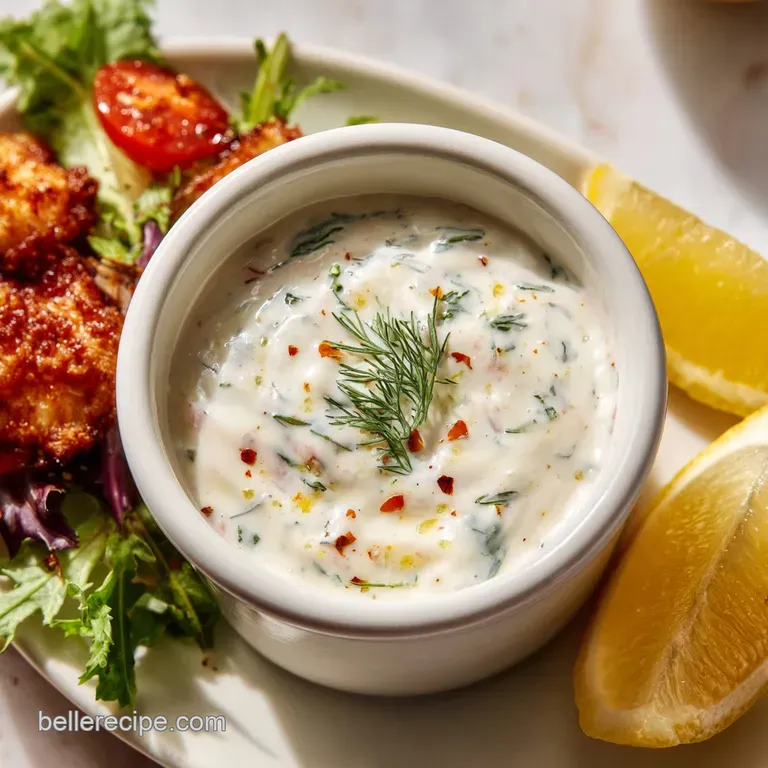
Tartar Sauce Recipe: Creamy, Balanced, and Reliable Every Time
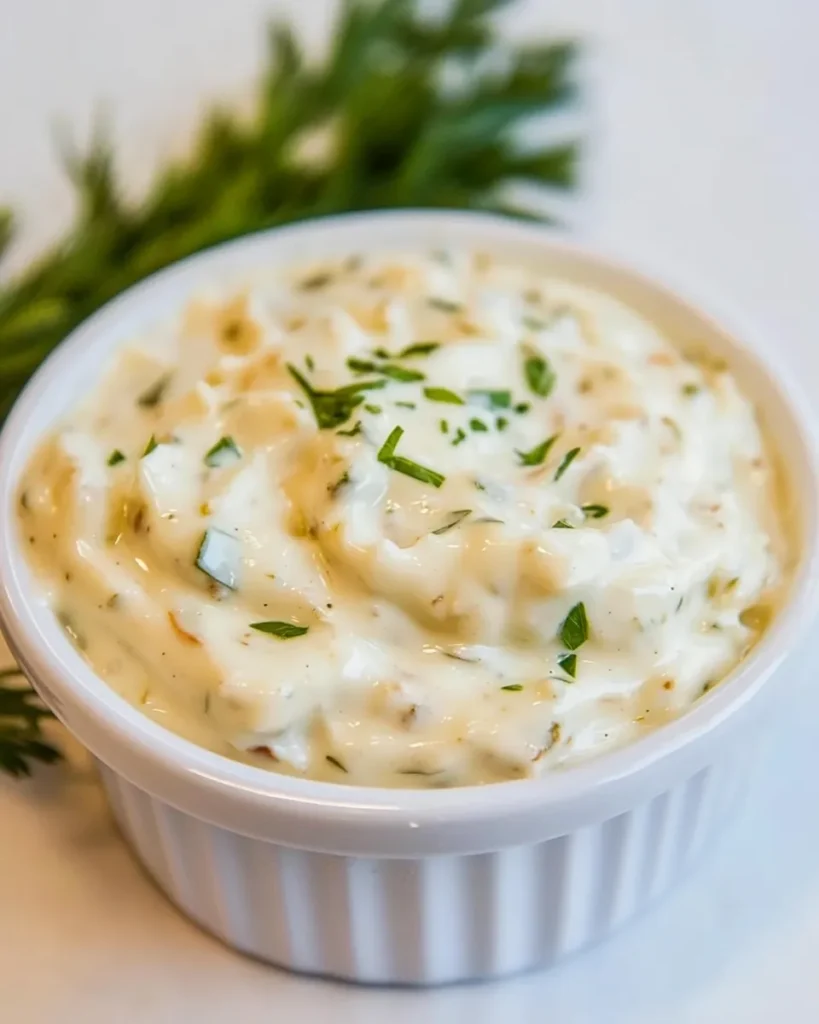
If you’ve ever tried making tartar sauce at home, you probably ended up with something too sour, too watery, or lumpy. Maybe you’ve relied on store-bought versions that taste artificial or overly salty.
For many, it’s frustrating to try a new recipe and realize it doesn’t balance creaminess with tang. You want a sauce that complements fish, fries, or sandwiches without overpowering them. This is exactly why you searched for a reliable tartar sauce recipe—one that actually works the first time.
Your Sauce, Perfectly Balanced
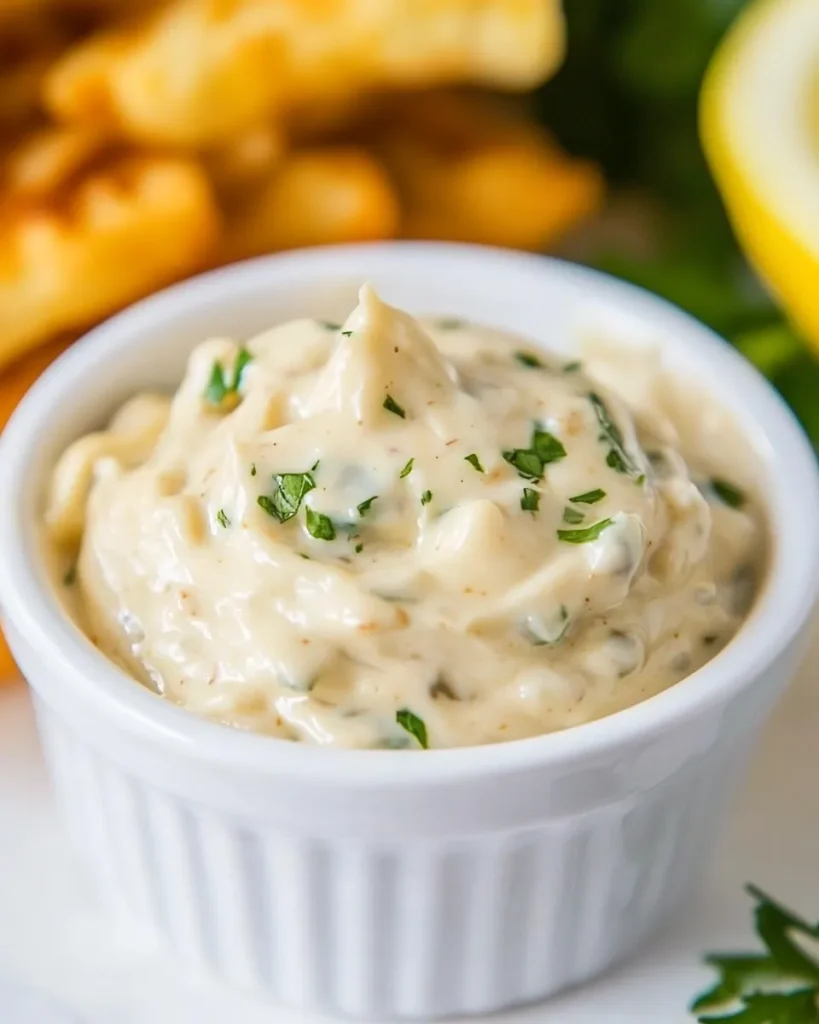
This recipe fixes those common problems by balancing fresh ingredients with creamy texture. It uses simple tools and techniques that ensure every batch is smooth, tangy, and flavorful.
You’ll get consistent results without second-guessing proportions or overcomplicating steps. By focusing on balance—creaminess, acidity, and subtle crunch—you’ll have a versatile sauce that pairs with almost anything.
When You SHOULD and SHOULD NOT Use This Recipe
Use this recipe if:
- You want a fresh, homemade tartar sauce without preservatives.
- You’re serving fried or baked fish, seafood, or sandwiches.
- You need a beginner-friendly method that builds confidence.
Skip it if:
- You prefer a highly customized flavor (e.g., spicy, herby) and want to experiment with unusual ingredients—this base is classic.
- You need a sugar-free, vegan, or extremely low-fat alternative. Adjustments are possible but not the default.
This honesty shows that this recipe is realistic, not overhyped.
What Makes THIS Recipe Different
Many tartar sauce recipes fail because they:
- Use too much lemon or vinegar, creating harsh tang.
- Add chunky pickles that dominate texture.
- Skip resting time, leaving flavors disconnected.
This recipe balances all components: creamy base, finely chopped pickles, fresh citrus, and optional capers or shallots for depth. Timing and technique ensure smooth texture without lumps. By understanding these details, you avoid beginner pitfalls.
Ingredients With Purpose
Each ingredient has a clear purpose—no filler or unnecessary additions.
Critical Technique Before Cooking
- Chop ingredients finely: Uneven pieces create textural inconsistencies.
- Gradual lemon addition: Over-squeezing can make the sauce too sharp. Add a little, taste, then adjust.
- Resting time: Letting the sauce sit for 10–15 minutes allows flavors to meld and prevents a flat taste.
Following these simple rules prevents the common mistakes that frustrate beginners.
Step-by-Step Instructions
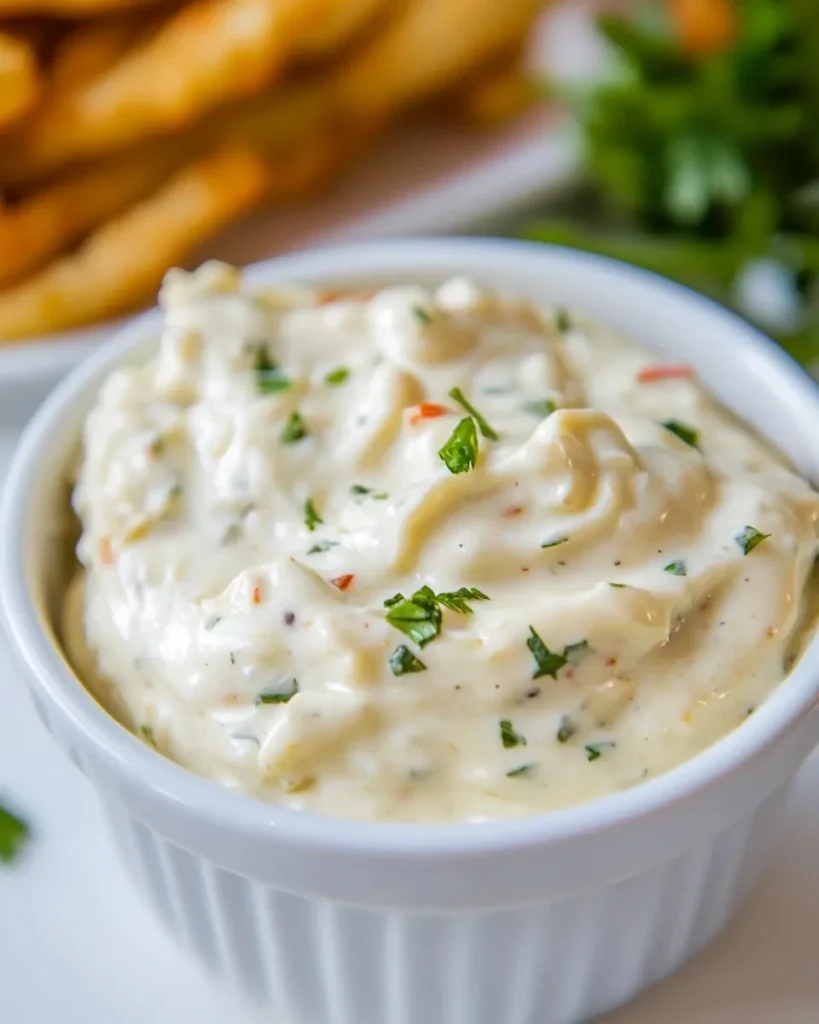
- Prepare ingredients: Finely chop pickles, shallots, and capers (if using).
- Mix the base: In a medium bowl, combine mayonnaise and lemon juice until smooth.
- Add flavorings: Fold in chopped pickles, shallots, and capers. Mix gently.
- Season carefully: Add salt, pepper, and sugar (if needed). Taste and adjust.
- Rest the sauce: Refrigerate 10–15 minutes to let flavors meld.
- Final adjustments: Check acidity, sweetness, and texture before serving.
Pro tip: Stir gently to maintain smooth consistency and distribute small chunks evenly.
What It Should Look / Taste Like at Each Stage
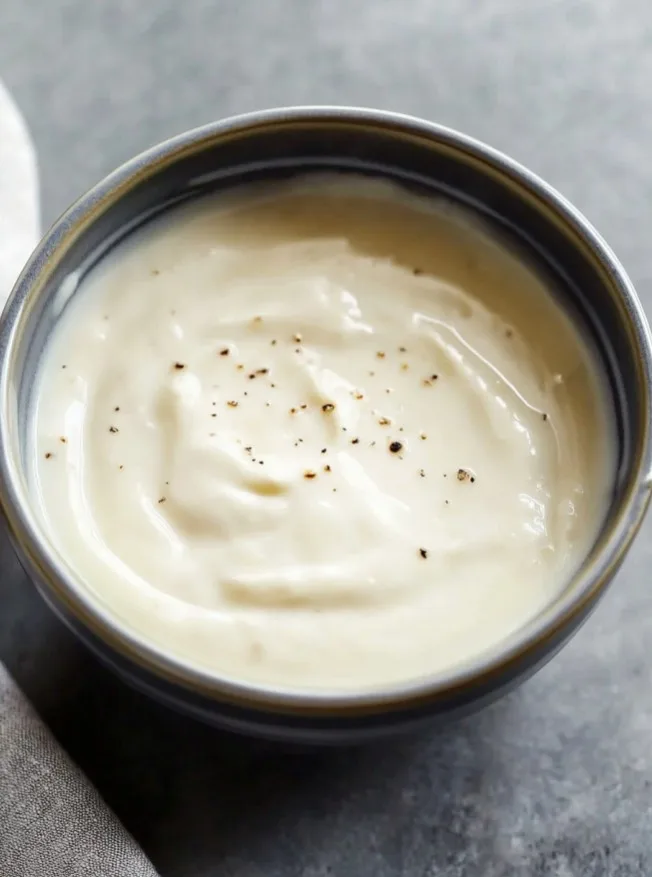
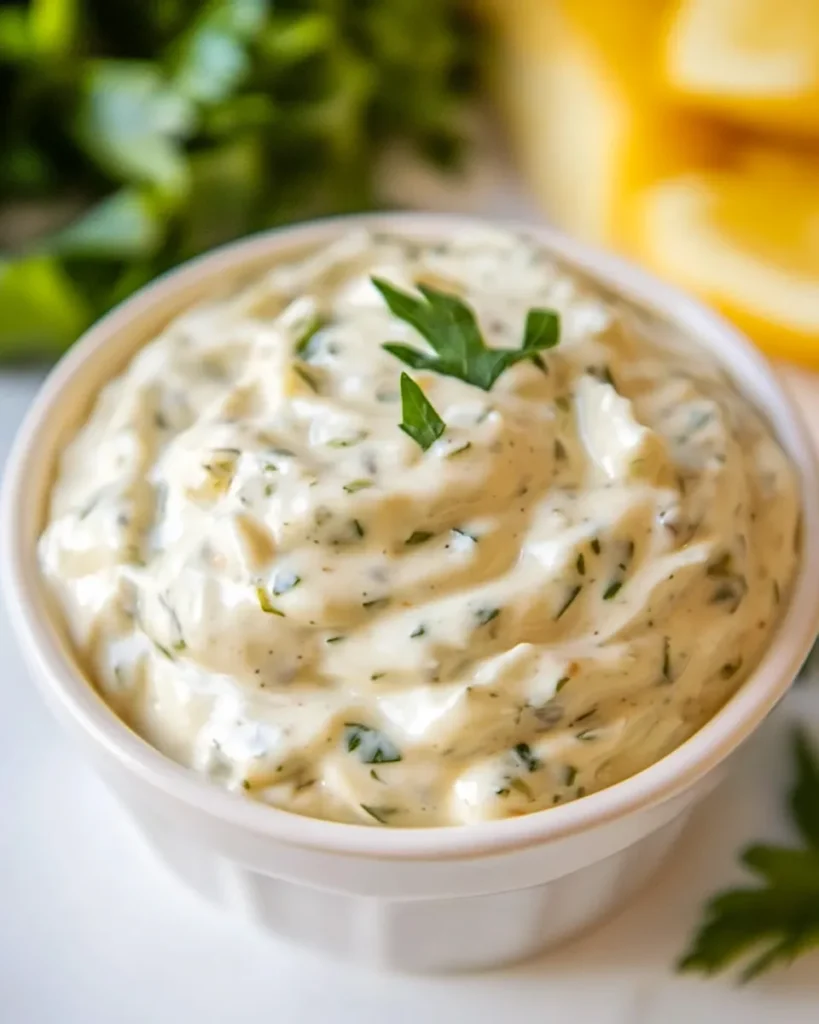
- Base mixture: Smooth, creamy, pale yellow-white color.
- After adding pickles & shallots: Evenly distributed, slight crunch visible.
- Taste: Tangy, slightly sweet, balanced; not overpowering.
If it looks too thick or thin at this stage, minor adjustments are easy (see next section).
Also Read This Blog: Easy White Sauce Recipe (Silky, Smooth & Beginner-Friendly)
Fixes if Something Goes Wrong
- Too thick: Add 1 teaspoon of water or lemon juice at a time until desired consistency.
- Too thin: Mix in a bit more mayonnaise gradually.
- Too sharp/tangy: Add a pinch of sugar or more mayonnaise.
- Too sweet: Add extra lemon juice or a tiny pinch of salt.
These quick fixes keep your batch usable without wasting ingredients.
Adjustments Based on Use Case
- For sandwiches: Keep pickles finely minced for smooth spreading.
- For fries or dipping: Chunkier pickles add texture and crunch.
- Dietary adjustments: Swap mayonnaise for Greek yogurt or plant-based mayo for lighter or vegan versions.
- Flavor variations: Add chopped dill, parsley, or a dash of hot sauce to customize without breaking balance.
Storage, Make-Ahead, and Reuse
- Refrigeration: Store in airtight container for 3–4 days.
- Make-ahead: Prepare up to a day in advance for deeper flavor.
- Reuse: Stir before serving if liquid separates slightly; no reheating needed.
- Freezing: Not recommended—texture may degrade.
By storing correctly, you can make multiple meals without losing quality.
Conclusion
This tartar sauce recipe is reliable, beginner-friendly, and thoughtfully balanced. It fixes common pitfalls like sourness, uneven texture, and overpowering chunks. With clear technique, small adjustments, and practical guidance, anyone can confidently make a smooth, tangy, and versatile sauce at home. Your fish, fries, and sandwiches just found their perfect companion.
Prep & Cooking Time:
- Prep: 8 minutes
- No-cook: 2 minutes
- Total: 10 minutes
Equipment Needed:
- Medium mixing bowl
- Whisk or fork
- Sharp knife & chopping board
- Measuring spoons