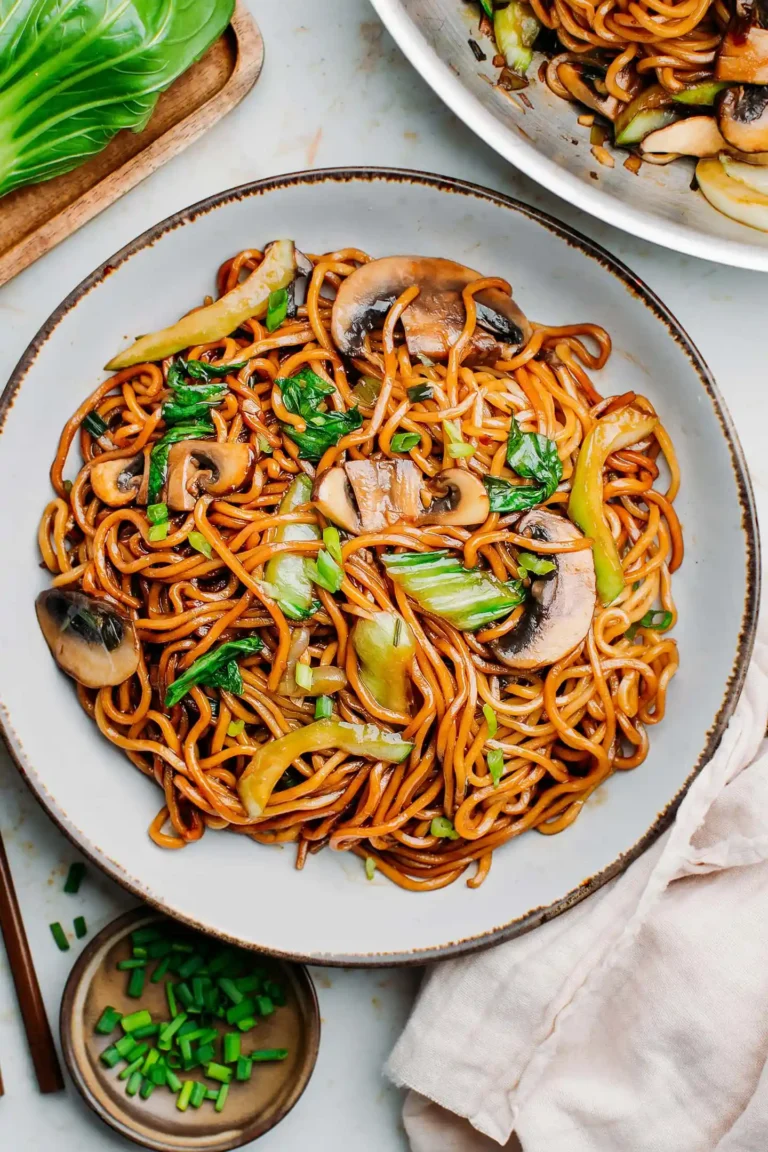
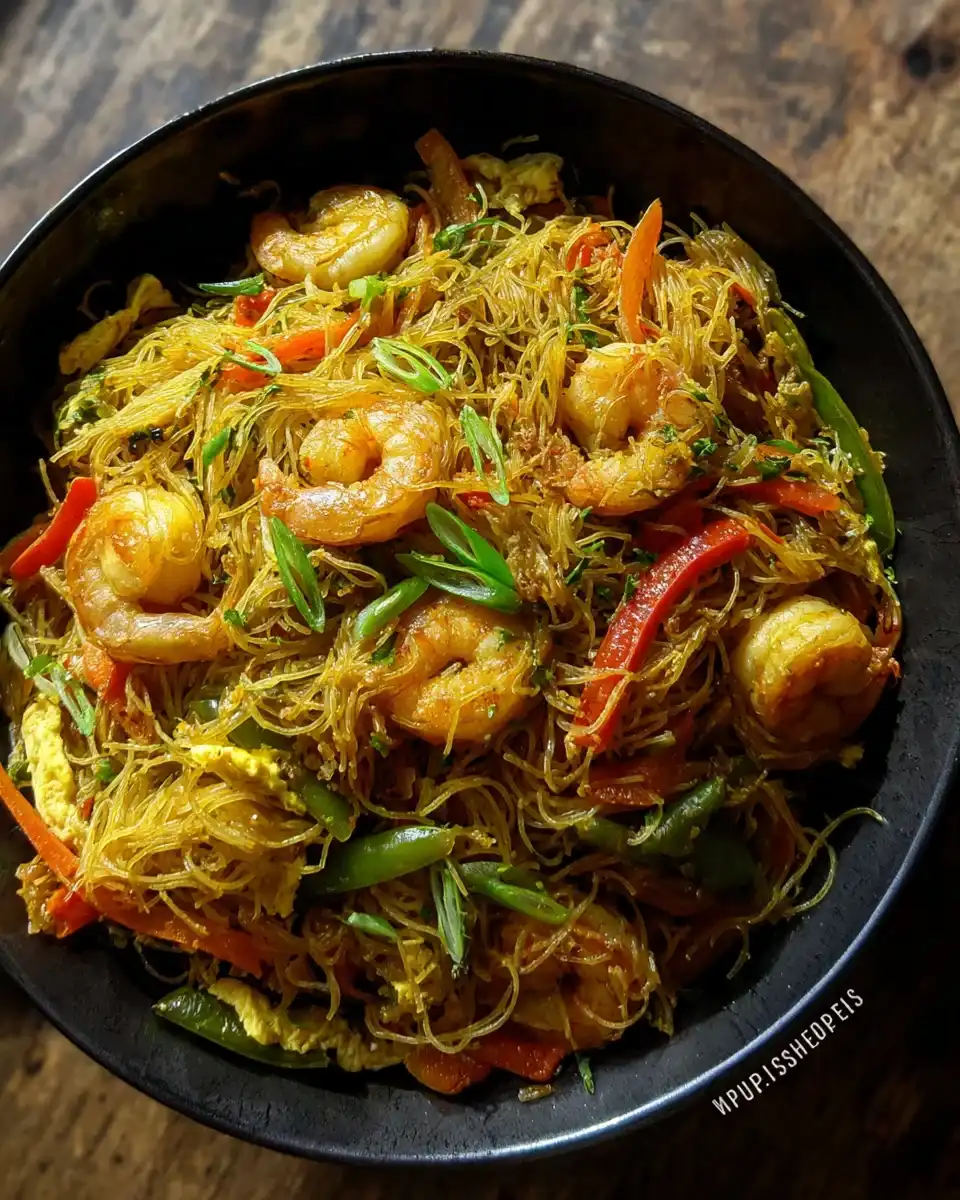
Singapore Noodles Recipe: A Flavor-Packed Weeknight Favorite
Prep Time: 15 minutes | Cook Time: 20 minutes | Total Time: 35 minutes
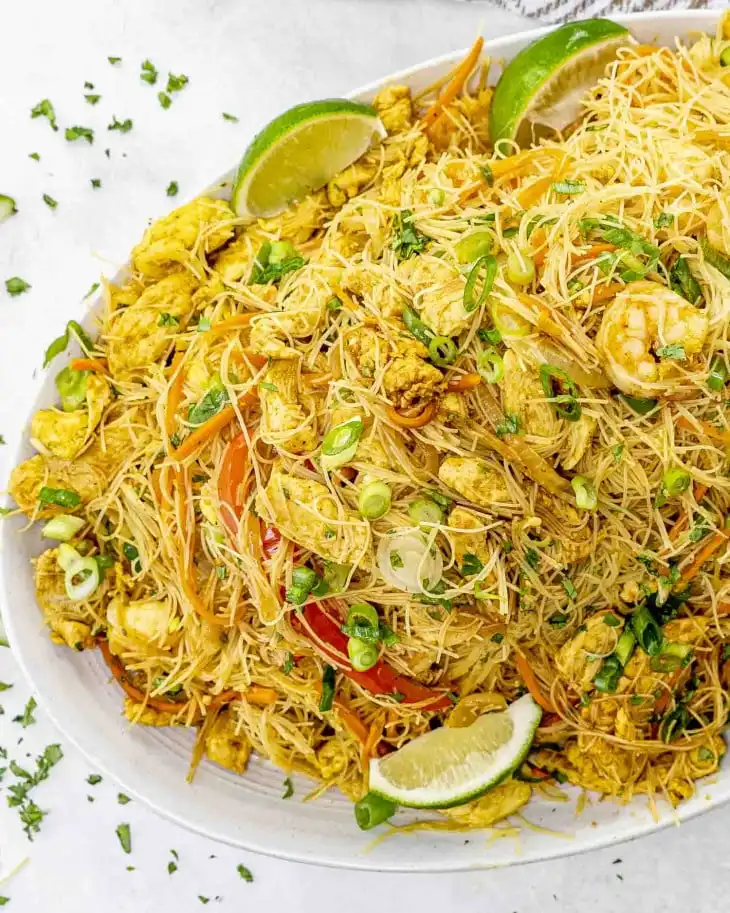
Imagine recreating the energy of a bustling Asian kitchen right at home—the sound of a hot wok, the aroma of garlic and curry spices, and noodles sizzling as they soak up bold flavors. This Singapore Noodles recipe delivers that experience using simple ingredients and clear steps, making it approachable even for busy home cooks.
Many people search for this dish because they want something quick, exciting, and different from basic noodles—without complicated techniques or hard-to-find ingredients. This recipe solves that problem. It’s fast, flexible, and layered with flavor, offering restaurant-style results in a home kitchen.
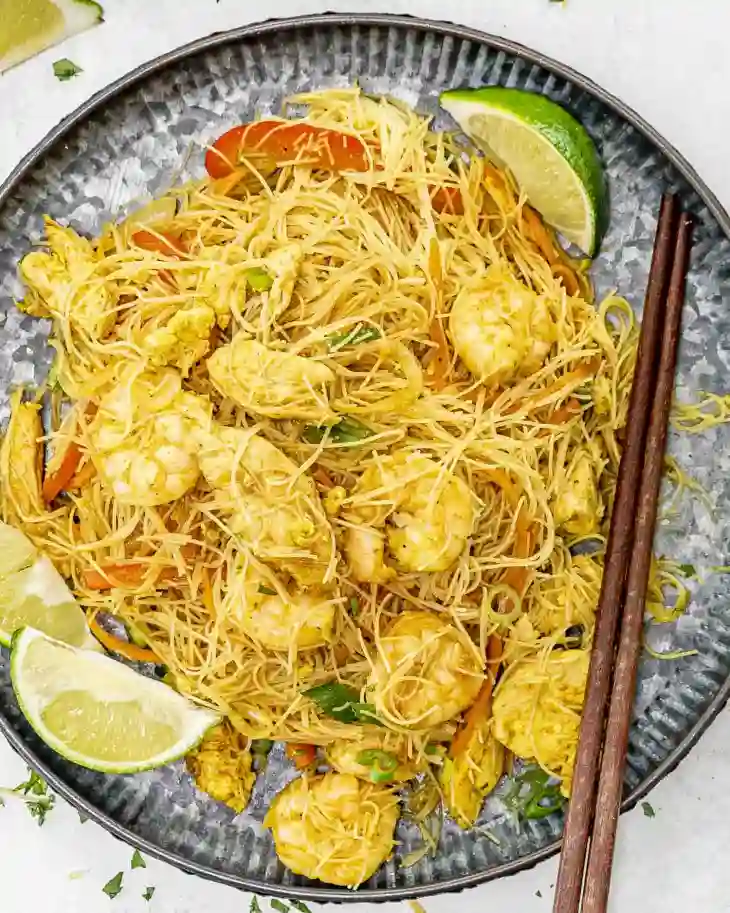
Unlike heavy noodle dishes, this one feels light yet satisfying. Thin rice vermicelli absorb savory sauces while staying delicate, and the balance of protein, vegetables, and spice keeps every bite interesting. Whether you’re cooking for family or meal-prepping for the week, this dish fits effortlessly into real life.
Why This Dish Works So Well for Home Cooks
This recipe is designed around how people actually cook at home. Everything moves quickly, and nothing requires advanced skills. Once you understand the flow, you can customize it endlessly.
Key reasons readers love this dish:
- Ready in about 35 minutes from start to finish
- Uses common grocery-store ingredients
- Easily adjustable for spice level and dietary needs
- Balanced meal with protein, vegetables, and carbs
- Great for leftovers and reheating
What sets this dish apart is how forgiving it is. You can swap proteins, add vegetables, or adjust sauces without ruining the final result. That makes it ideal for weeknights when flexibility matters.
Before You Start Cooking (Important Prep Tips)
This dish cooks fast, so preparation matters more than anything else.
Prep everything first: Slice vegetables, measure sauces, beat eggs, and soak noodles before turning on the heat. Once the pan is hot, there’s no time to pause.
Soak, don’t boil the noodles: Rice vermicelli should be softened in hot water, not boiled. Overcooking leads to mushy noodles that break apart during stir-frying.
Use high heat: High heat prevents soggy vegetables and creates better flavor. A wok is ideal, but a large skillet works well if it’s fully heated.
Control spice carefully: Curry powder varies by brand. Start modestly and adjust as you cook to avoid overpowering the dish.
Ingredients You’ll Need and Why They Matter
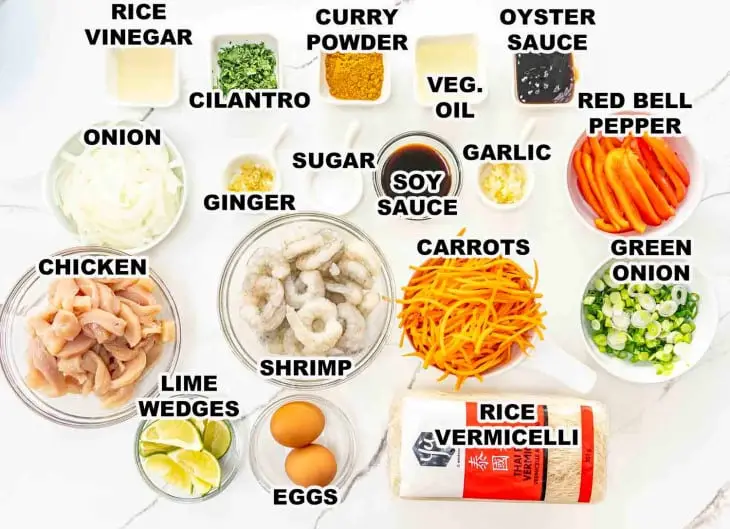
Each ingredient plays a specific role in building flavor and texture.
Rice Vermicelli Noodles: Light, thin noodles that absorb sauce quickly without feeling heavy.
Neutral Cooking Oil: Vegetable, canola, or peanut oil keeps flavors clean and prevents burning.
Garlic and Fresh Ginger: These aromatics create the base flavor and give the dish its signature fragrance.
Onion, Bell Pepper, and Carrots: They add sweetness, crunch, and color, balancing the savory sauce.
Eggs: Soft scrambled eggs add richness and help bind the noodles.
Chicken and Shrimp: This protein combination adds contrast in texture and flavor. Either can be replaced if needed.
Curry Powder: The defining flavor element. It provides warmth, color, and depth.
Soy Sauce, Oyster Sauce, Rice Vinegar, Sugar: This combination creates balance—salty, savory, slightly sweet, and gently tangy.
Green Onions, Cilantro, Lime: Fresh finishes that brighten the dish and cut through richness.
Step-by-Step: How to Make Singapore Noodles
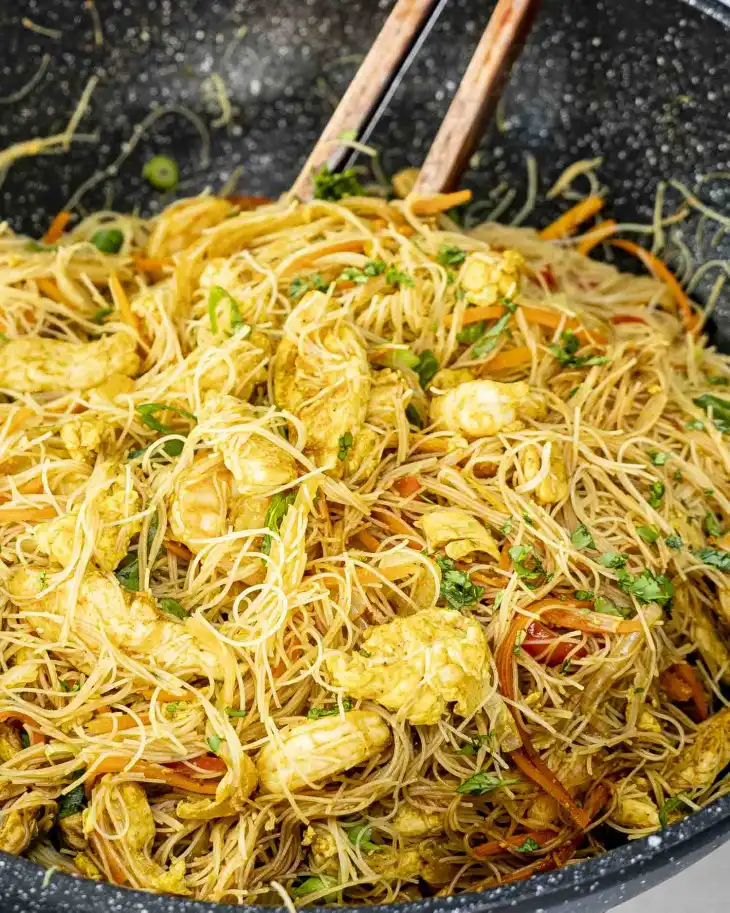
1. Prepare the Noodles and Sauce
Soak rice vermicelli in hot water for about 5 minutes until just tender. Drain immediately.
Whisk soy sauce, oyster sauce, rice vinegar, and sugar in a small bowl.
2. Cook the Proteins
Heat oil in a wok or large skillet over medium-high heat.
Cook sliced chicken until nearly done, then add shrimp and cook until just pink.
Remove and set aside to prevent overcooking.
3. Stir-Fry the Vegetables
Add more oil if needed. Sauté garlic and ginger briefly until fragrant.
Add onion, bell pepper, and carrots. Cook until tender-crisp.
4. Scramble the Eggs
Push vegetables aside and scramble eggs in the same pan.
Once cooked, mix them gently with the vegetables.
5. Combine Everything
Add noodles, cooked proteins, curry powder, and prepared sauce.
Toss continuously to coat noodles evenly and prevent sticking.
6. Finish and Serve
Stir in green onions and cook briefly until heated through.
Garnish with cilantro and serve with lime wedges.
Common Mistakes and How to Avoid Them
- Over-soaking noodles: leads to breakage
- Crowding the pan: causes steaming instead of stir-frying
- Low heat: results in dull flavor and soggy vegetables
- Adding sauce too early: can burn sugars
Keeping these points in mind dramatically improves results.
Easy Customizations Readers Often Need
Vegetarian or Vegan: Use tofu or mushrooms and replace oyster sauce with mushroom sauce.
Gluten-Free: Use tamari instead of soy sauce and confirm curry powder is gluten-free.
Extra Vegetables: Cabbage, snow peas, bean sprouts, or zucchini work well.
Spice Adjustment: Add chili paste or fresh chilies for more heat, or reduce curry powder for mild flavor.
How to Serve This Dish
This meal works well on its own but pairs nicely with lighter sides.
- Fresh spring rolls
- Clear soups
- Crisp cucumber salads
- Steamed greens
These sides balance the bold flavors and keep the meal from feeling heavy.
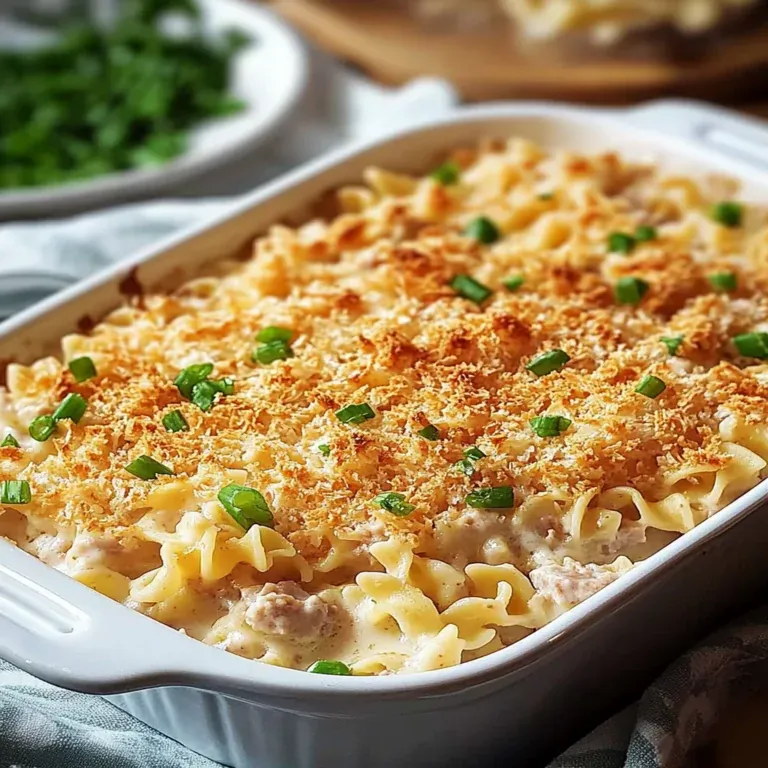
Also Read This Blog: Creamy Chicken Noodle Casserole – Easy & Comforting Recipe
Storage, Reheating, and Meal Prep Tips
Refrigeration: Store in airtight containers for up to 4 days.
Reheating: Reheat in a skillet with a splash of water or oil to revive texture.
Freezing: Freeze in portions for up to 2 months. Thaw overnight before reheating.
Chef’s Notes & Pro Tips
- Choose Fresh, Not Frozen Aromatics: Fresh garlic, ginger, and crisp vegetables release better aroma and flavor than pre-chopped or frozen options. This small upgrade noticeably improves the final taste.
- Cook Hot and Fast: A properly heated wok or skillet prevents steaming and helps ingredients cook evenly. High heat also enhances flavor without adding extra oil.
- Noodle Texture Matters: Rice vermicelli should be soaked just until flexible, not soft. Slight firmness helps the noodles hold their shape during stir-frying.
- Pan Size Makes a Difference: Overcrowding causes soggy noodles. Use the largest pan you own to allow proper tossing and heat circulation.
- Protein Flexibility: Chicken and shrimp work beautifully, but beef strips, tofu, or mushrooms can be substituted without changing the cooking method.
- Leftover Care: Store leftovers in airtight containers for up to 4 days. When reheating, add a tablespoon of water or oil to restore moisture and prevent dryness.
Nutrition Overview for Singapore Noodles Recipe
Approximate values per serving
- Calories: ~540 kcal
- Protein: ~40 g – supports muscle repair and keeps you full longer
- Carbohydrates: ~62 g – provides sustained energy
- Fat: ~14 g – balanced fat content without heaviness
- Fiber: ~4 g – aids digestion
- Sodium: Moderate to high due to sauces; reduce by using low-sodium soy sauce
- Key Vitamins:
- Vitamin A for eye and immune health
- Vitamin C for freshness and antioxidant support
- Iron for energy and oxygen transport
Tip: For a lighter version, reduce sauce quantities slightly and increase vegetables.
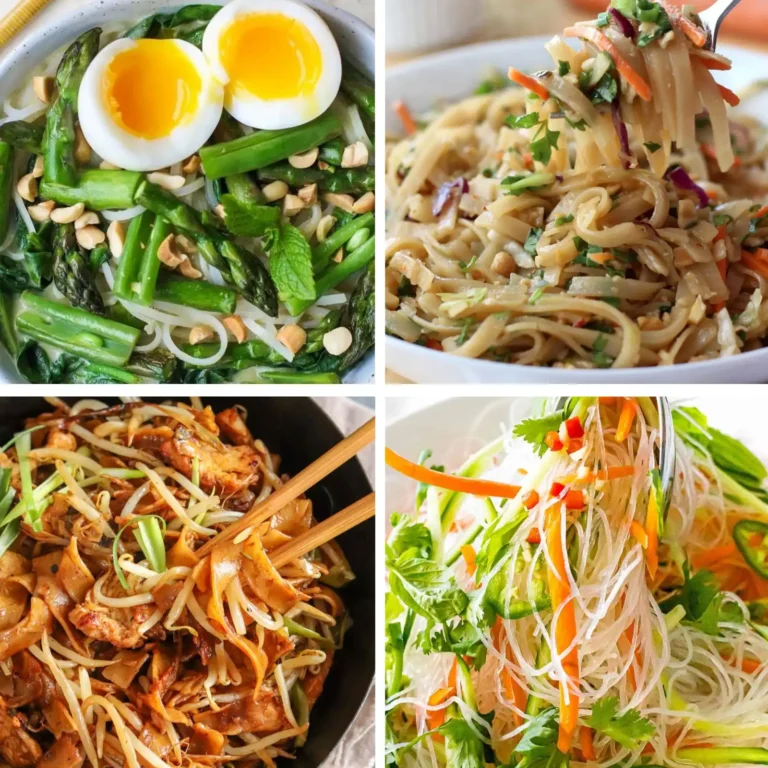
Also Read This Blog: 21 Easy Rice Noodle Recipes for Quick Tasty Meals Today Now!
Frequently Asked Questions
Why are my noodles sticky?
They were likely over-soaked or not rinsed properly. A small amount of oil during cooking helps.
Can I make this ahead of time?
Yes, but slightly undercook vegetables so they stay crisp when reheated.
Is this dish actually from Singapore?
Despite the name, it’s more commonly found in Chinese-style restaurants and inspired by Southeast Asian flavors.
Final Thoughts
This Singapore Noodles recipe is built for real kitchens and real schedules. It delivers bold flavor without complexity and offers endless flexibility for different tastes and diets. Once you master the technique, it becomes a reliable go-to meal that feels exciting every time you make it.
If you’re looking for a noodle dish that’s fast, adaptable, and deeply satisfying, this is one worth adding to your regular rotation.