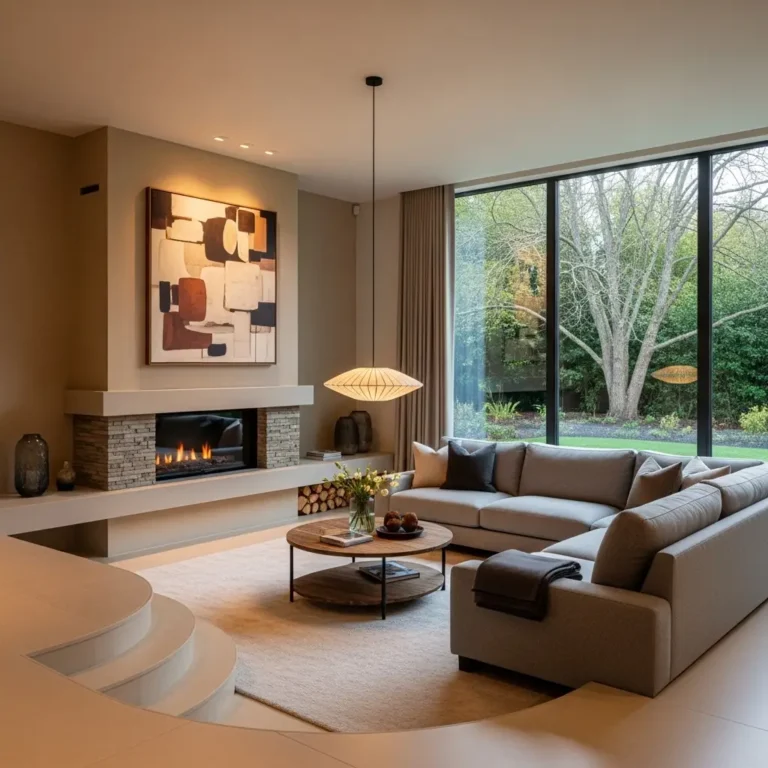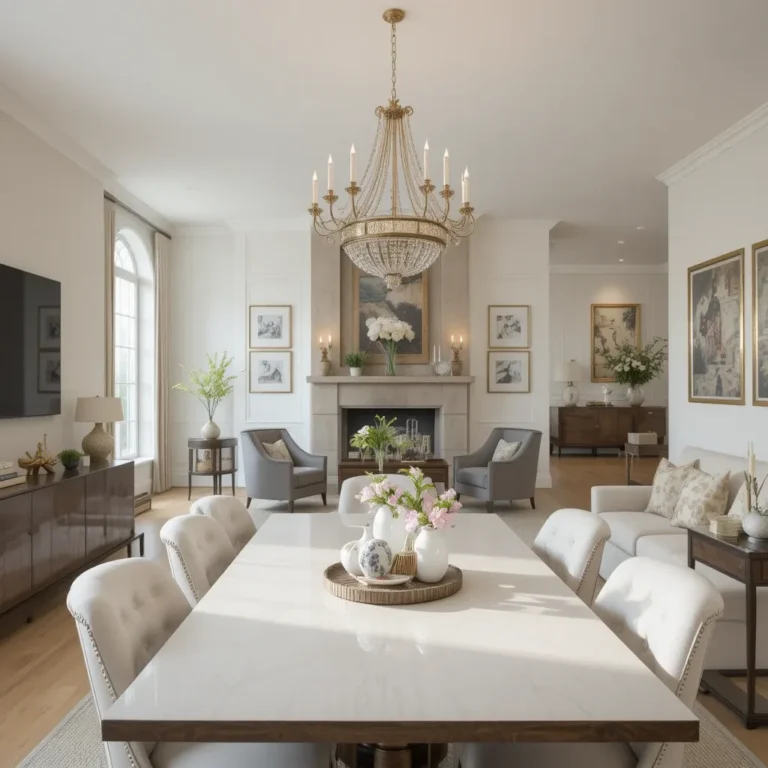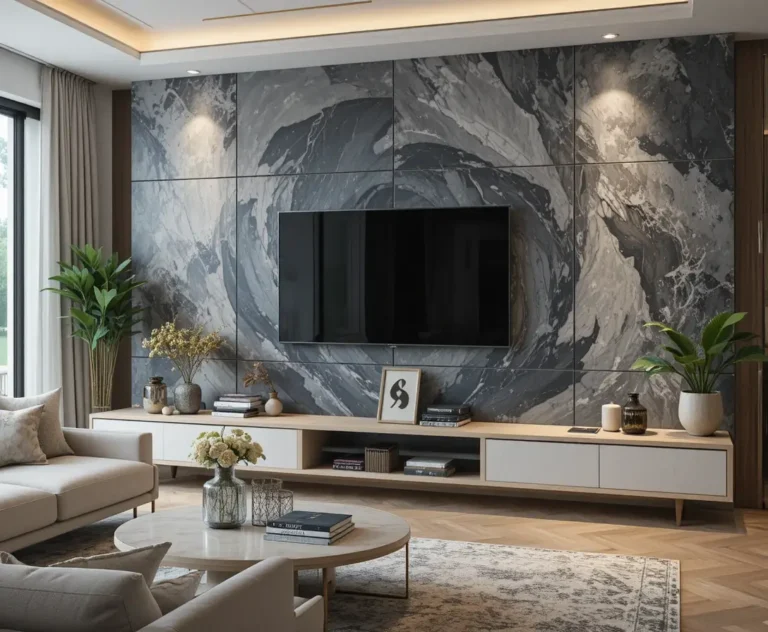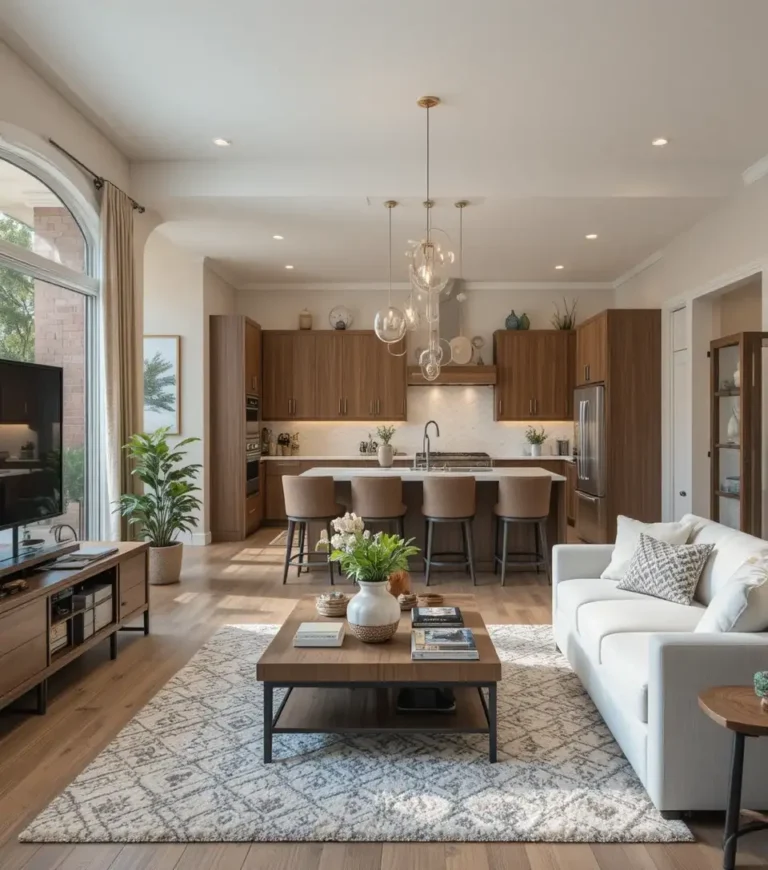
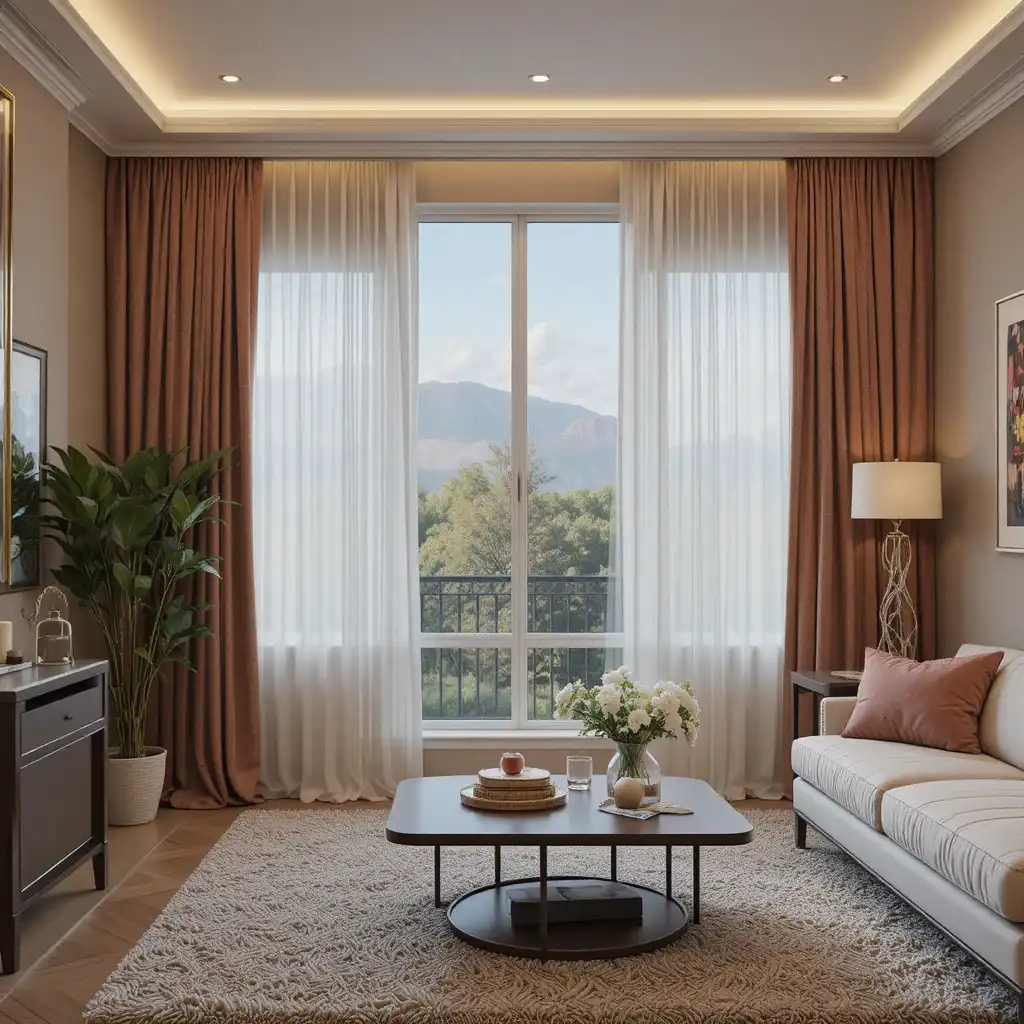
Curtains Living Room: 15 Expert Tips for Style & Comfort
Curtains shape your living room’s style, light, and mood. The wrong choice can make a room feel cramped, dark, or chaotic. These 15 practical tips focus on real problems—placement, length, color, and fabric—helping you make confident decisions. Small adjustments here can instantly elevate comfort, aesthetics, and functionality in your space.
1. Sheer Curtains for Soft Light
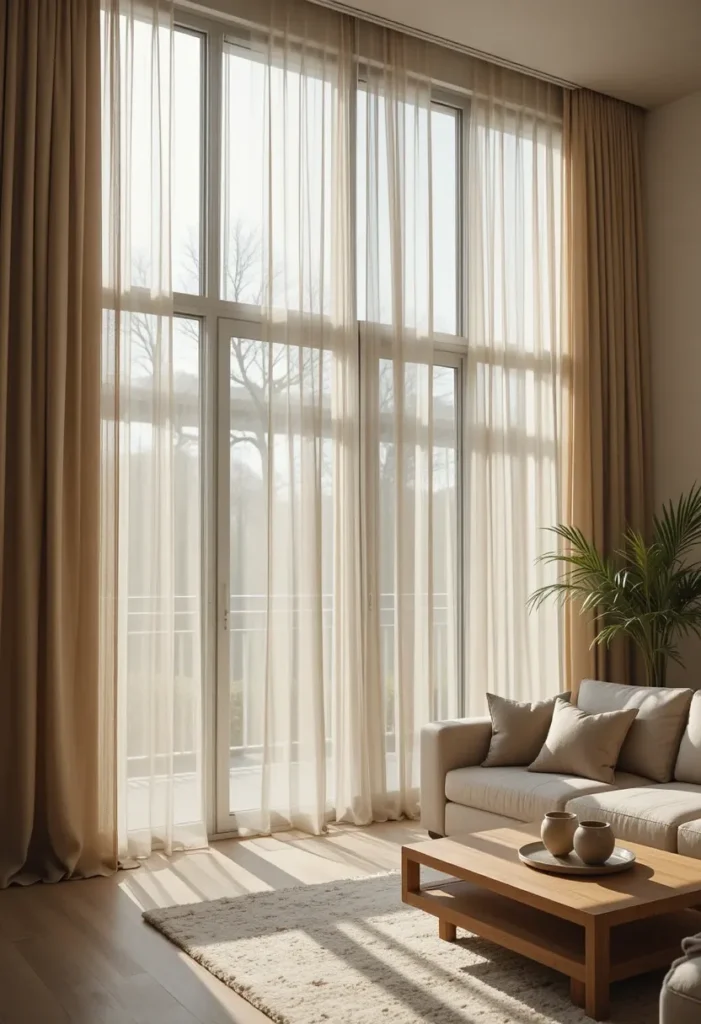
Sheer curtains are lightweight fabrics that gently filter sunlight. They don’t block light completely but soften it.
They work because they reduce glare while keeping the room bright and airy. This is perfect if your living room feels dark or heavy.
Tip: Pair sheers with blinds for privacy at night. Many people forget this and end up feeling exposed after sunset.
2. Floor-to-Ceiling Curtains
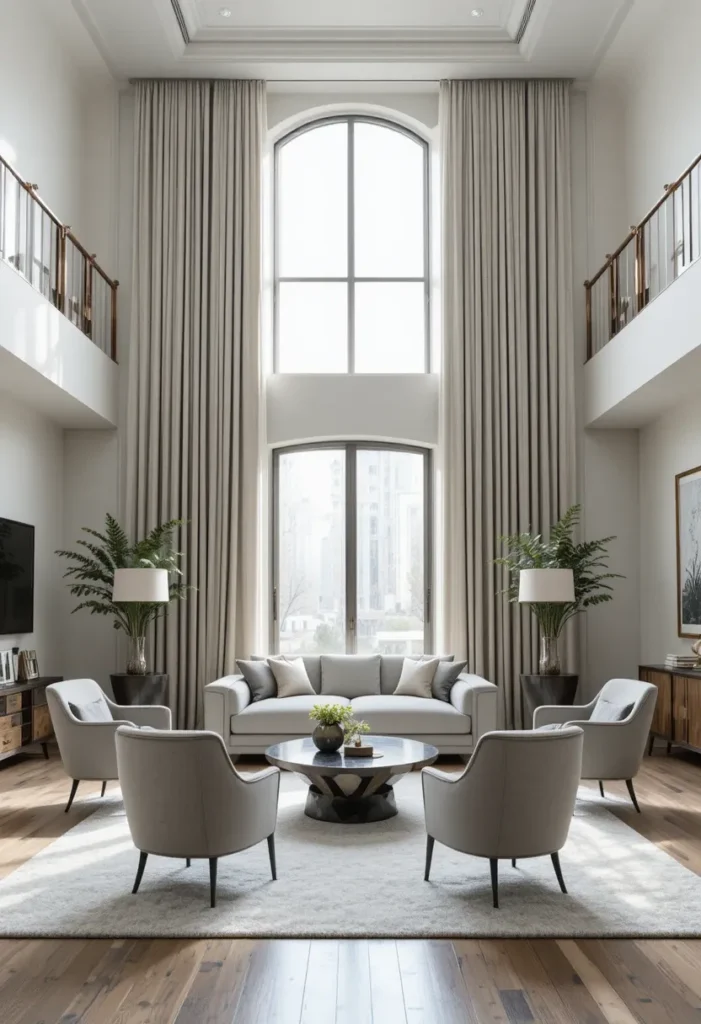
These are curtains hung higher than the window frame, often close to the ceiling, and extended down to the floor.
They work because they visually elongate the walls, making the room feel taller and more elegant.
Tip: Install the rod 6–10 inches above the window frame. Hanging it too low is a common mistake that makes ceilings look shorter.
3. Neutral-Toned Curtains
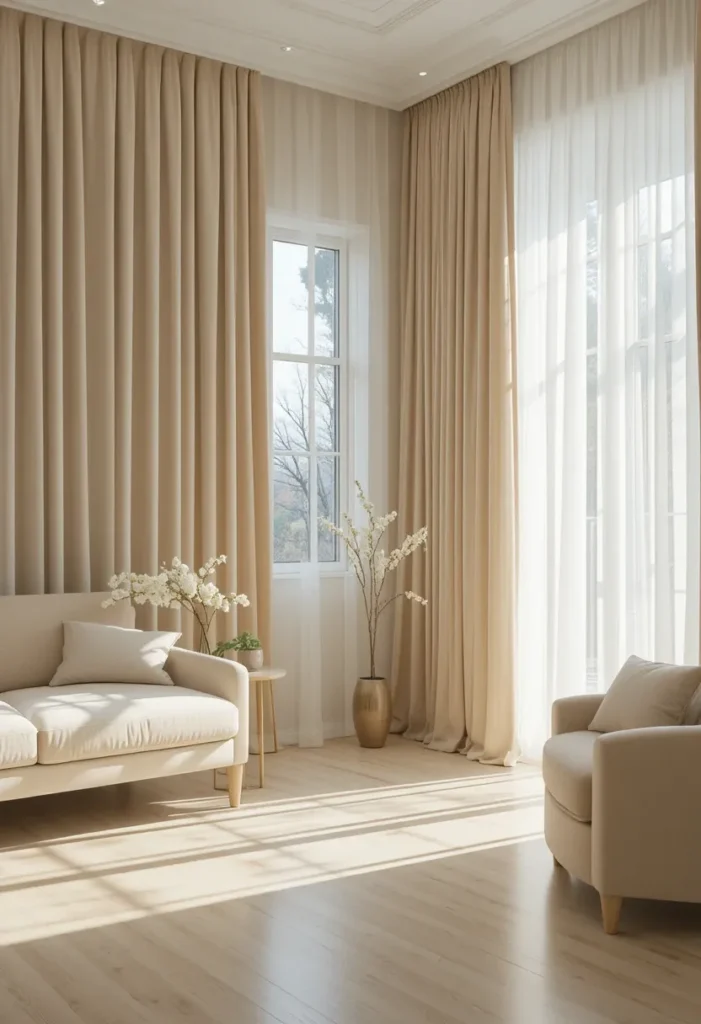
Neutral curtains include shades like beige, cream, soft gray, or warm white.
They work because they blend with most color schemes and don’t overpower the room. If you change furniture later, they still fit.
Tip: Choose a neutral that matches your floor tone—warm neutrals for wooden floors, cooler tones for gray or marble flooring.
4. Bold Statement Curtains
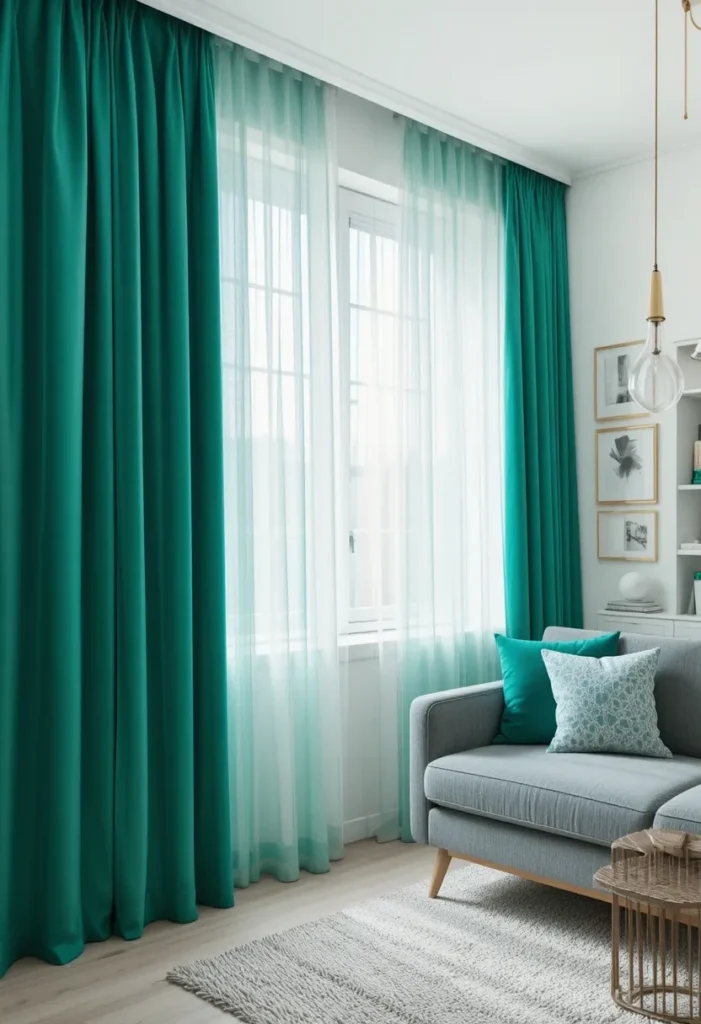
These are curtains in strong colors or patterns, like deep blue, emerald, or floral prints.
They work when the rest of the room is simple. A bold curtain can become the focal point.
Tip: If your sofa or rug is already patterned, avoid another busy design. Too many patterns create visual chaos.
Also Read This Blog: 13 Built-In Shelves Living Room Ideas to Organize and Beautify Your Space
5. Blackout Curtains for Comfort
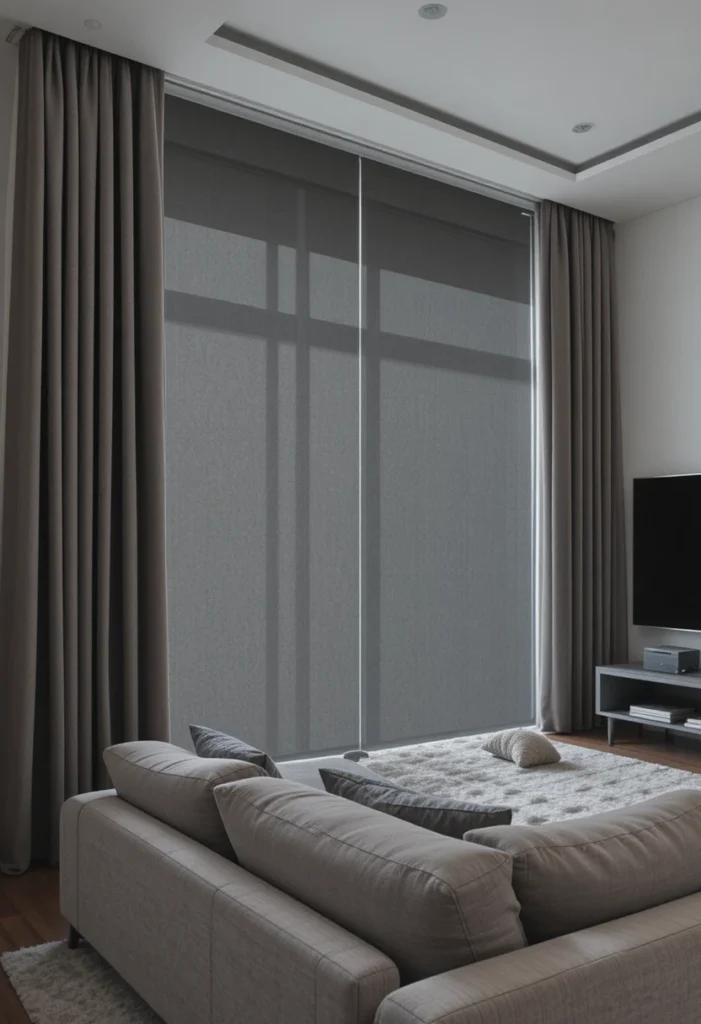
Blackout curtains are made with thick lining to block out most light.
They work well in living rooms that double as TV rooms or spaces where glare is a problem.
Tip: Look for lined curtains rather than very stiff fabrics. Some blackout options feel heavy and make the room look closed off.
6. Linen Curtains for a Relaxed Look
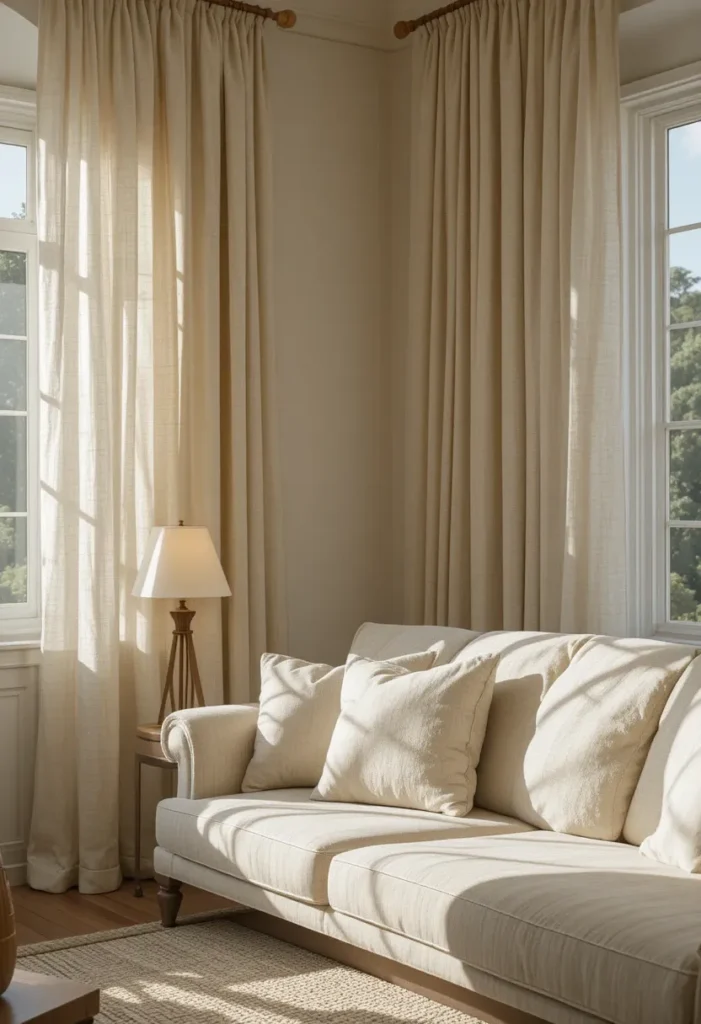
Linen curtains have a natural texture and slightly wrinkled appearance.
They work because they create a soft, lived-in feel. Perfect for cozy or minimalist interiors.
Tip: Accept the natural wrinkles. Trying to iron linen perfectly flat removes the charm that makes it beautiful.
7. Layered Curtains
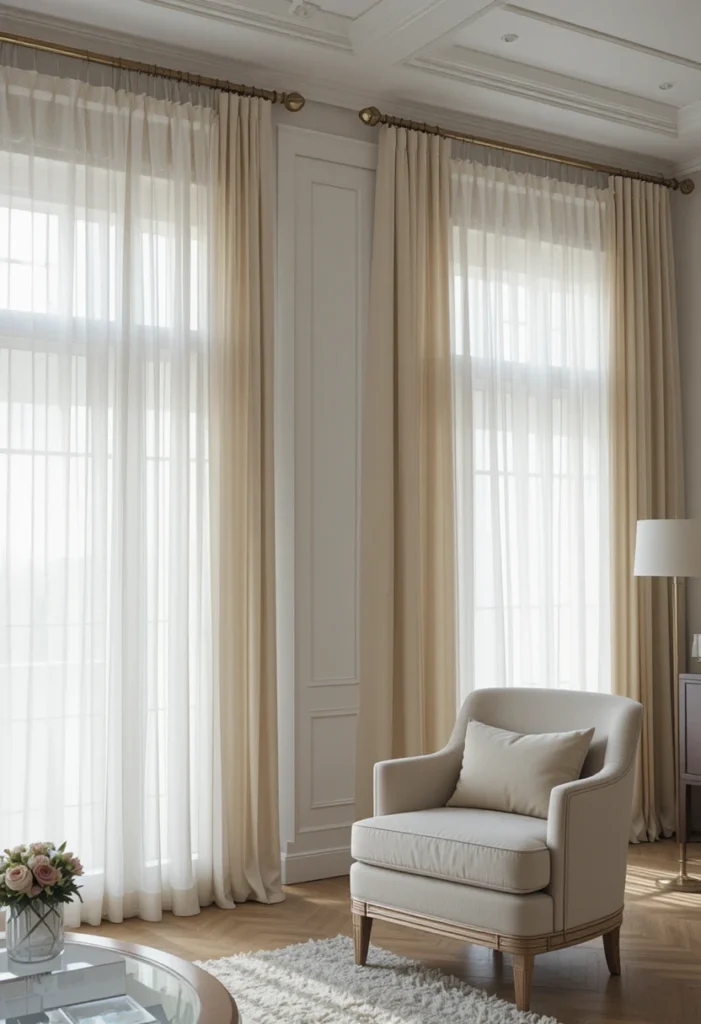
Layering means combining two types of curtains, usually sheer and heavier panels.
This works because you control light and privacy separately. It also adds depth and texture.
Tip: Use a double curtain rod. Avoid squeezing two curtain types onto one rod—it looks crowded and doesn’t slide smoothly.
Also Read This Blog: Accent Walls in Living Room: 15 Stylish Ideas That Actually Work
8. Curtains Wider Than the Window
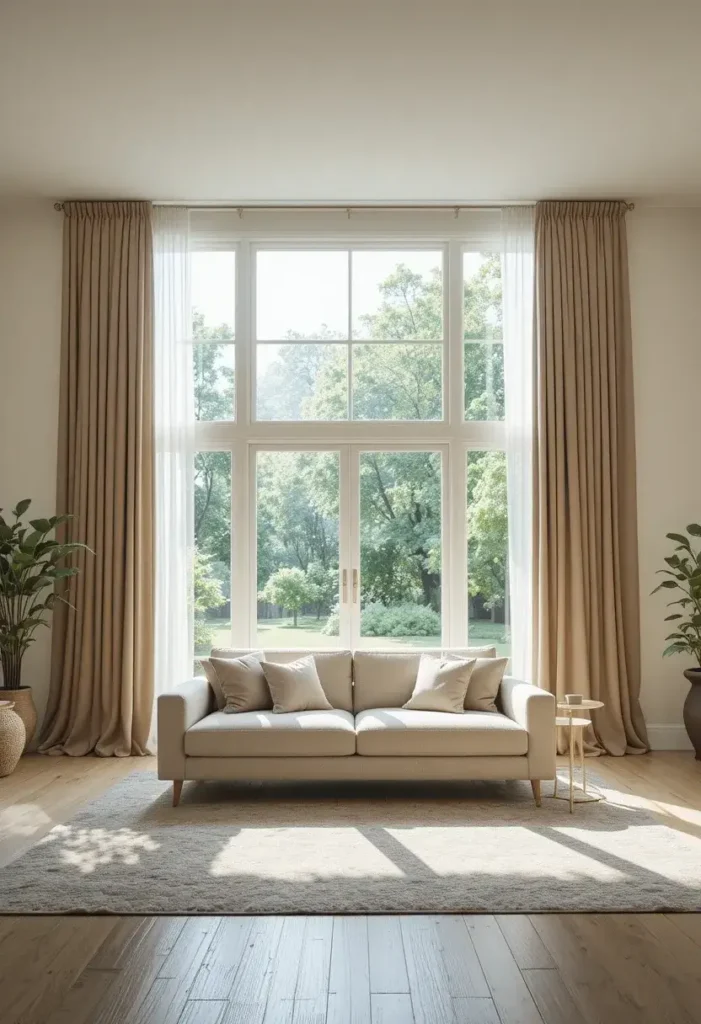
This means choosing curtain panels that extend beyond the window frame on both sides.
It works because when open, the curtains don’t block light. The window appears larger.
Tip: Add at least 6–12 inches on each side. Many people measure only the window width and regret it later.
9. Light-Colored Curtains in Small Rooms
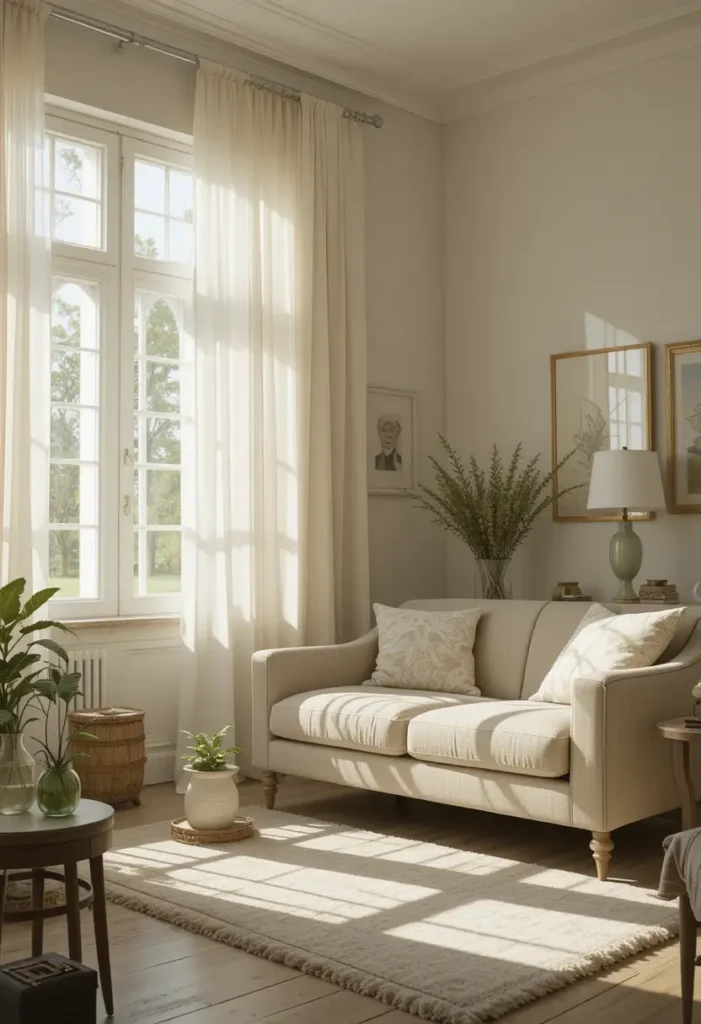
Light shades like off-white or soft pastel help reflect natural light.
They work well in small living rooms because they make the space feel open and less cramped.
Tip: Avoid heavy dark fabrics in small rooms unless the walls are very light and the space gets strong daylight.
10. Patterned Curtains with Simple Furniture
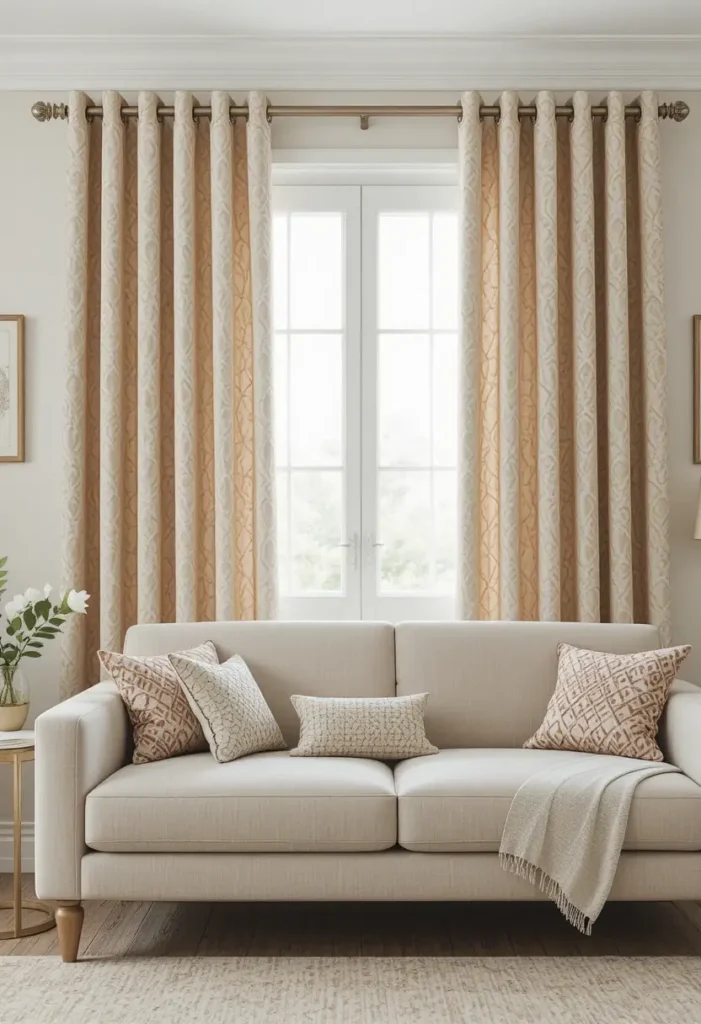
Patterned curtains feature subtle prints, stripes, or geometric designs.
They work when your sofa and walls are plain. The pattern adds personality without needing extra décor.
Tip: Choose one color from your room and make sure it appears in the curtain pattern. That creates visual harmony.
Also Read This Blog: 14 Farmhouse Living Room Ideas to Create a Cozy, Stylish Space
11. Velvet Curtains for Warmth
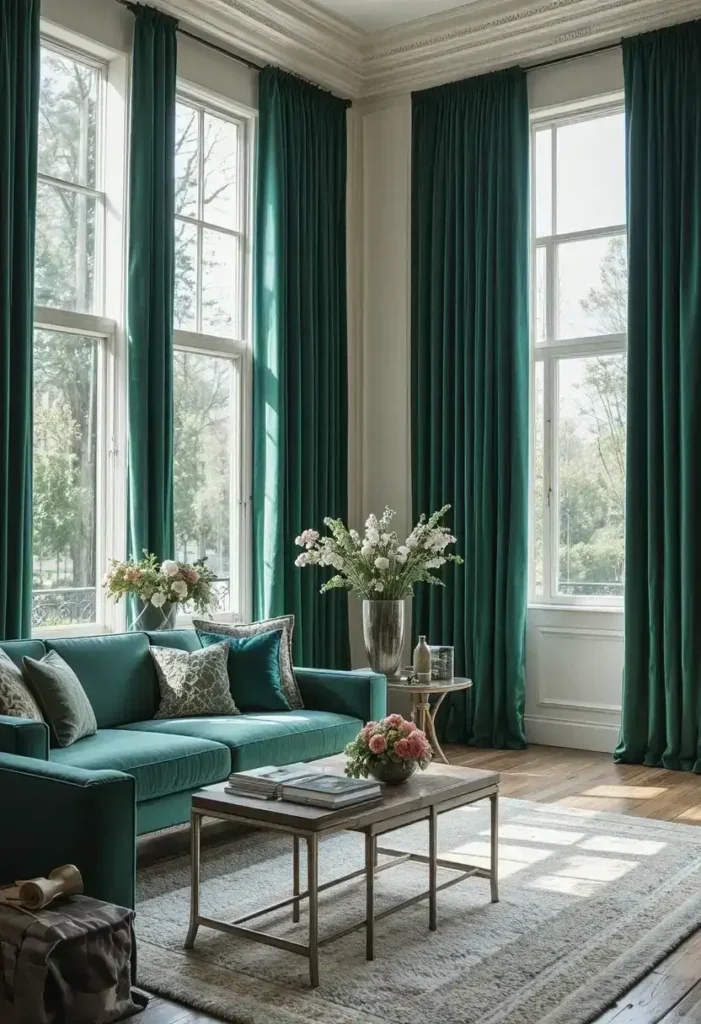
Velvet curtains are thick and plush, often used in richer interior styles.
They work because they add depth and absorb sound, making the room feel warmer and quieter.
Tip: Use velvet in larger rooms with enough natural light. In small, dark rooms, they can feel too heavy.
12. Tie-Back Curtains for Daytime Style
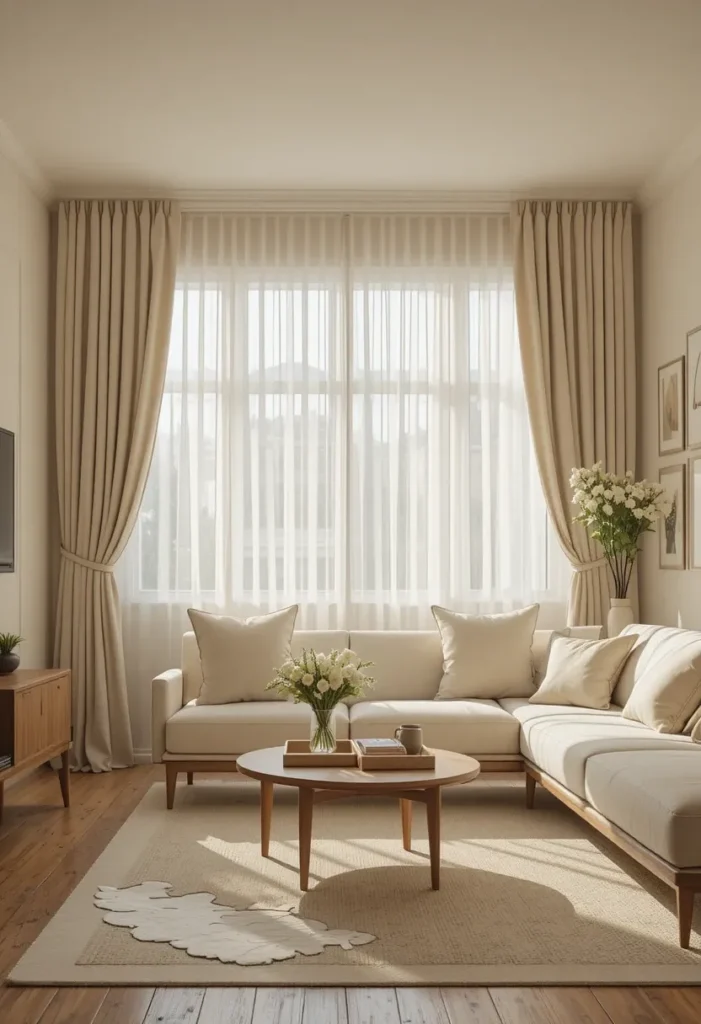
Tie-backs gather curtains neatly to the sides.
They work because they frame the window and let in maximum light during the day.
Tip: Keep tie-backs at about one-third height from the bottom. Tying them in the middle can look awkward and stiff.
13. Minimal Rod and Hardware
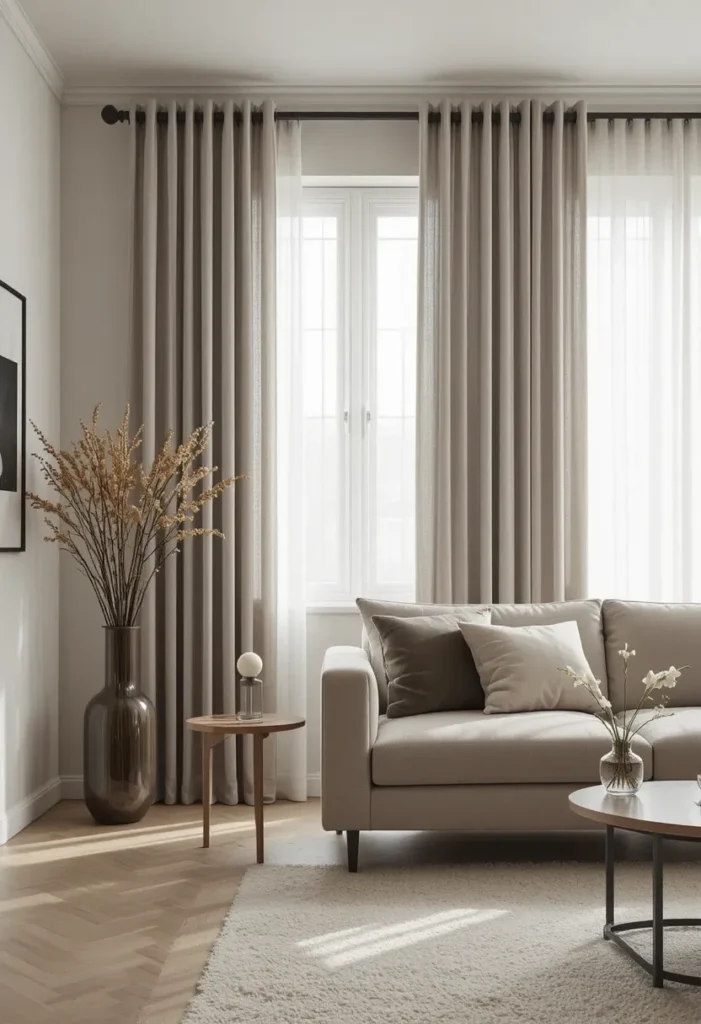
Curtain rods and rings may seem small, but they affect the overall look.
Simple, slim rods work best in modern spaces. Decorative rods suit traditional rooms.
Tip: Match the rod finish with other metals in the room—like lamps or coffee table legs. Mixing too many finishes feels unplanned.
Also Read This Blog: 13 Practical Apartment Living Room Ideas to Maximize Comfort & Style
14. Curtains That Touch the Floor
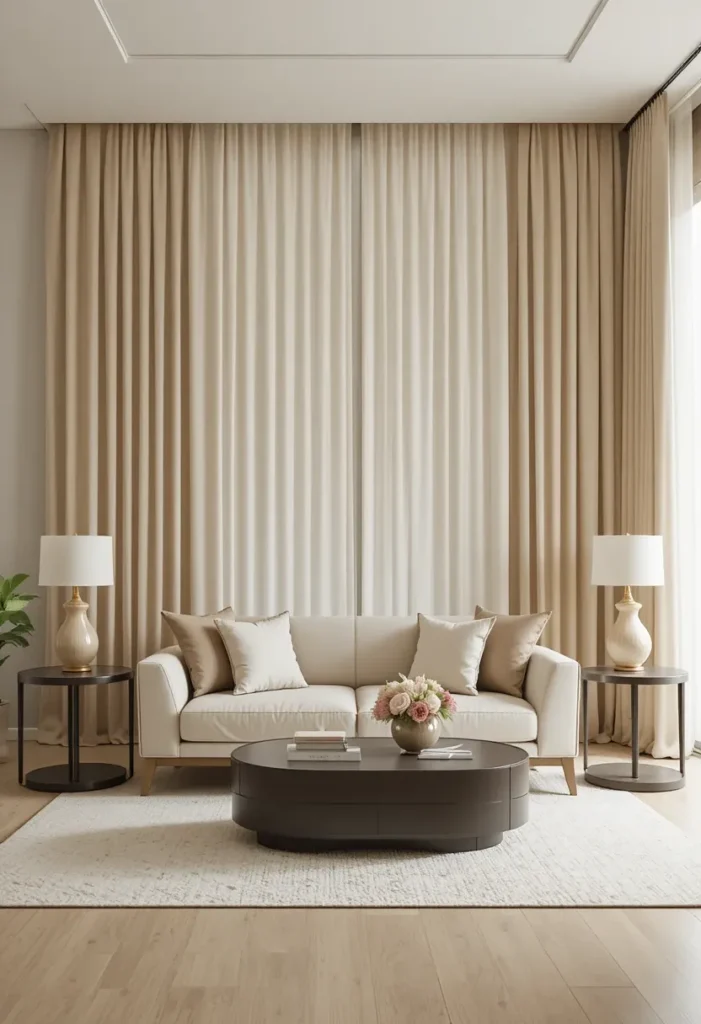
Proper length matters more than most people think.
Curtains that just touch the floor look clean and tailored. Too short looks accidental, too long can look messy.
Tip: Measure after installing the rod. Many people measure before and forget that rod height changes everything.
15. Seasonal Curtain Changes
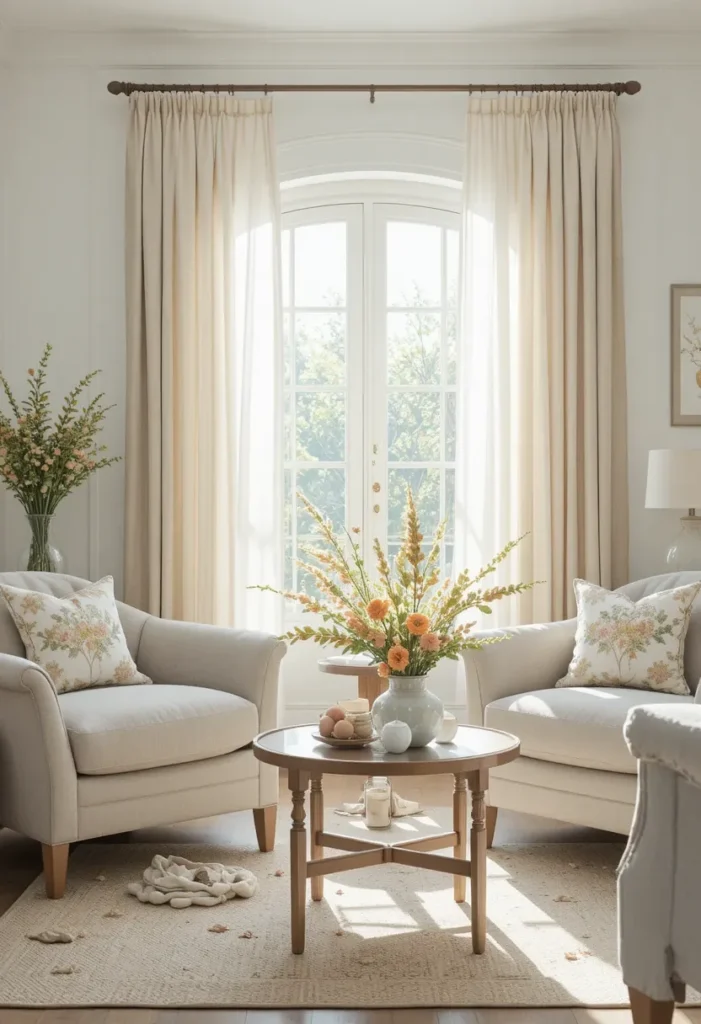
Some homeowners switch curtains depending on the season.
Light cotton or linen in summer keeps the space airy. Thicker fabrics in winter add warmth.
Tip: Store off-season curtains neatly and label them. This small habit saves time and prevents fabric damage.
Conclusion
When choosing curtains for your living room, pause and think about how you use the space daily. Do you watch TV often? Do you need privacy from neighbors? Is the room naturally bright or dim?
A common mistake is choosing based only on looks. Instead, balance style with function. Think about light control, cleaning ease, and how the fabric feels in real life.
Take your time measuring. Stand back and imagine the curtains open and closed. Small adjustments—like rod height or panel width—make a bigger difference than expensive fabric.
With the right choice, your living room won’t just look better. It will feel calmer, brighter, and more comfortable every single day.