13 Built-In Shelves Living Room Ideas to Organize and Beautify Your Space
A living room often struggles with two opposite problems at once. It can feel cluttered from everyday items, yet still look unfinished or empty on the walls. Built in shelves living room designs solve both issues by adding structure and purposeful storage. They turn blank walls into something useful and visually grounding. If you’ve been debating whether built-ins are worth the investment, understanding how they function in real spaces makes the decision much clearer.
Here are 13 thoughtful ways to approach them.
Floor-to-Ceiling Built-In Shelves
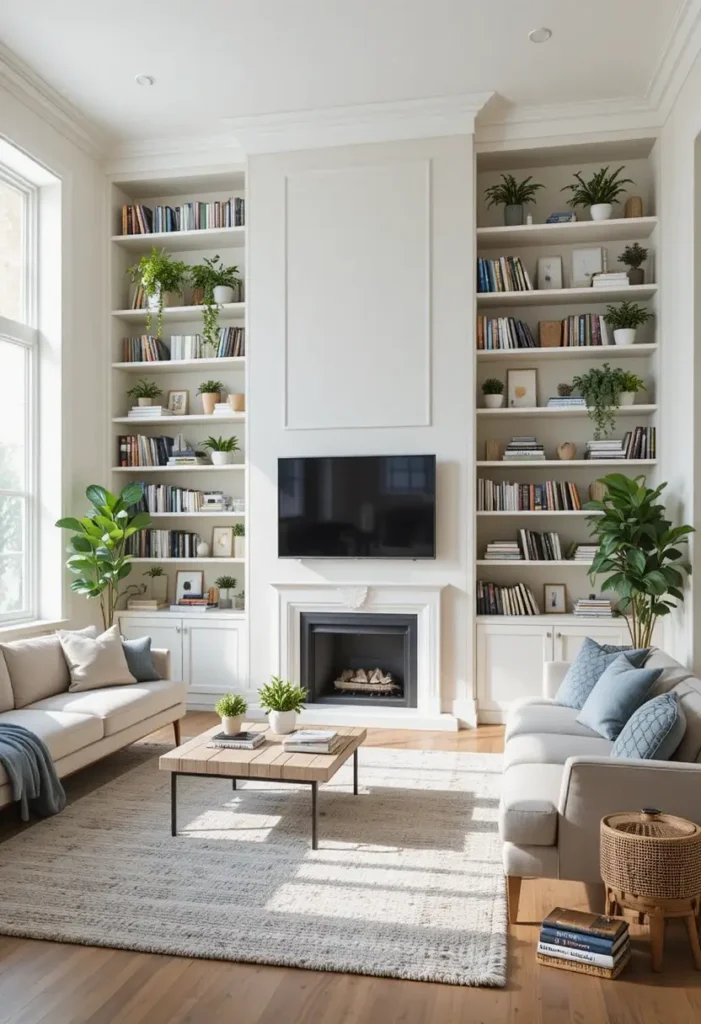
Floor-to-ceiling built-ins use the entire wall height, creating a strong architectural statement. They work because they draw the eye upward, which makes ceilings feel taller and the room more polished. Instead of stopping halfway and leaving awkward gaps above furniture, they fully integrate the wall into the design.
This option is especially helpful in living rooms with high ceilings or large blank walls that feel empty. The vertical lines add structure and prevent the space from feeling scattered.
Practical tip: Break up long vertical shelves with lower cabinets or varied shelf spacing. Without variation, tall shelving can start to feel overwhelming rather than elegant.
Built-Ins Around the Fireplace
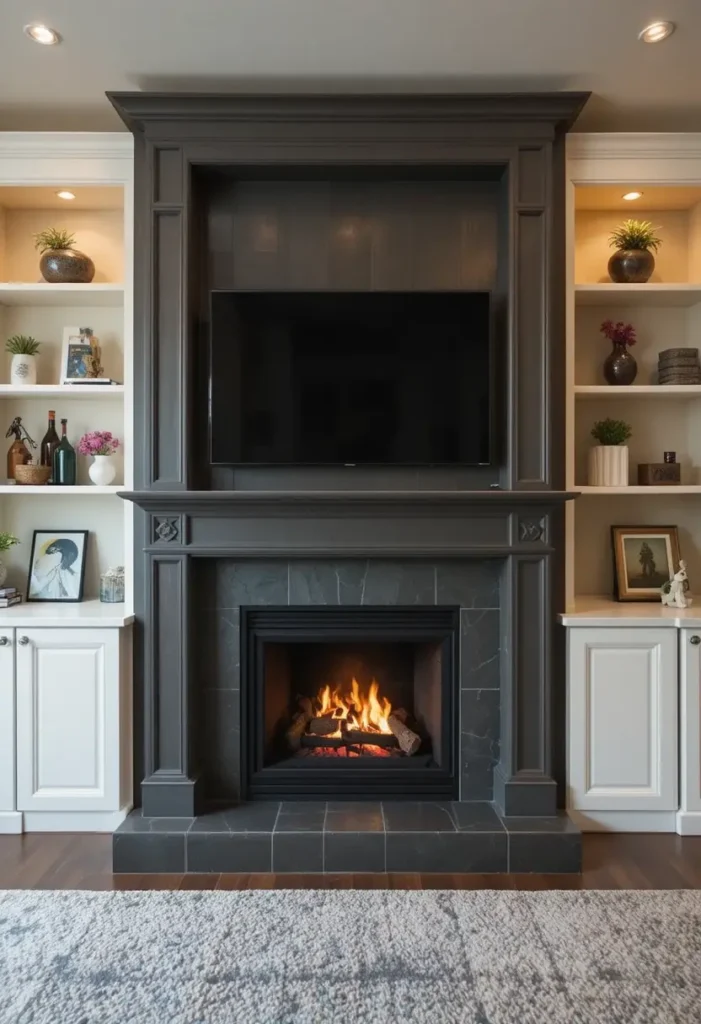
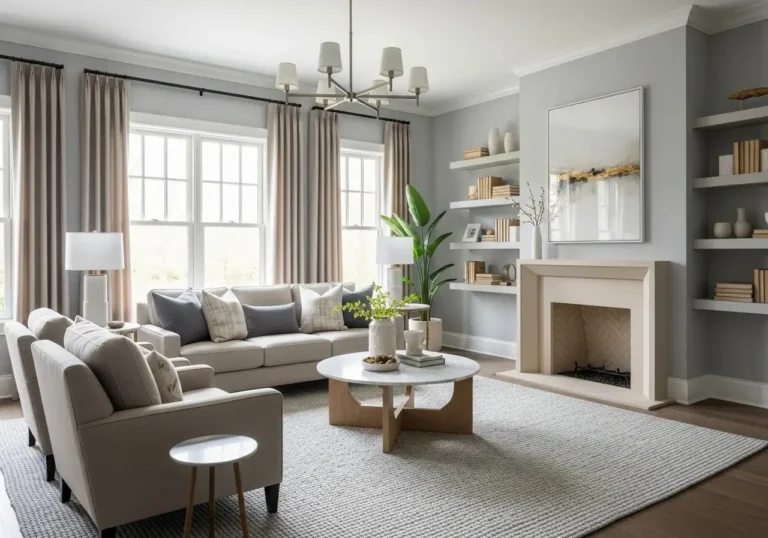
If your living room has a fireplace, framing it with built-in shelves creates balance. It works because it centers attention on the fireplace while softening its edges with storage and decor.
Shelves on both sides create symmetry, which naturally feels calming and intentional. The wall becomes cohesive instead of segmented.
Practical tip: Keep decor simple and avoid overcrowding shelves. When every shelf is filled tightly, the fireplace loses its impact.
Built-In TV Wall Shelving
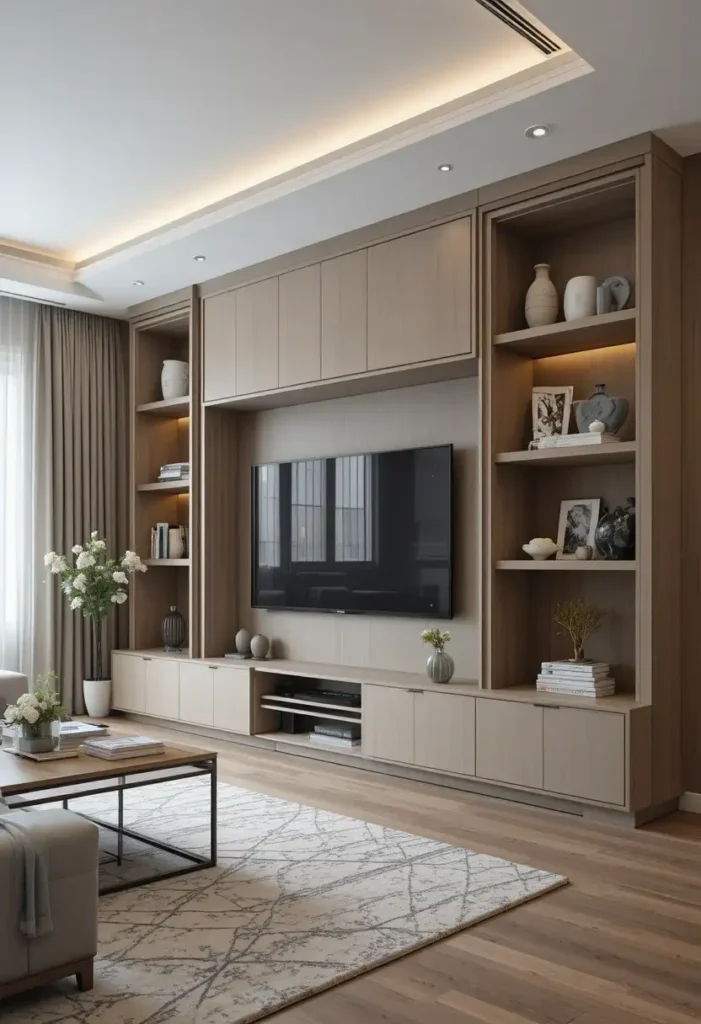
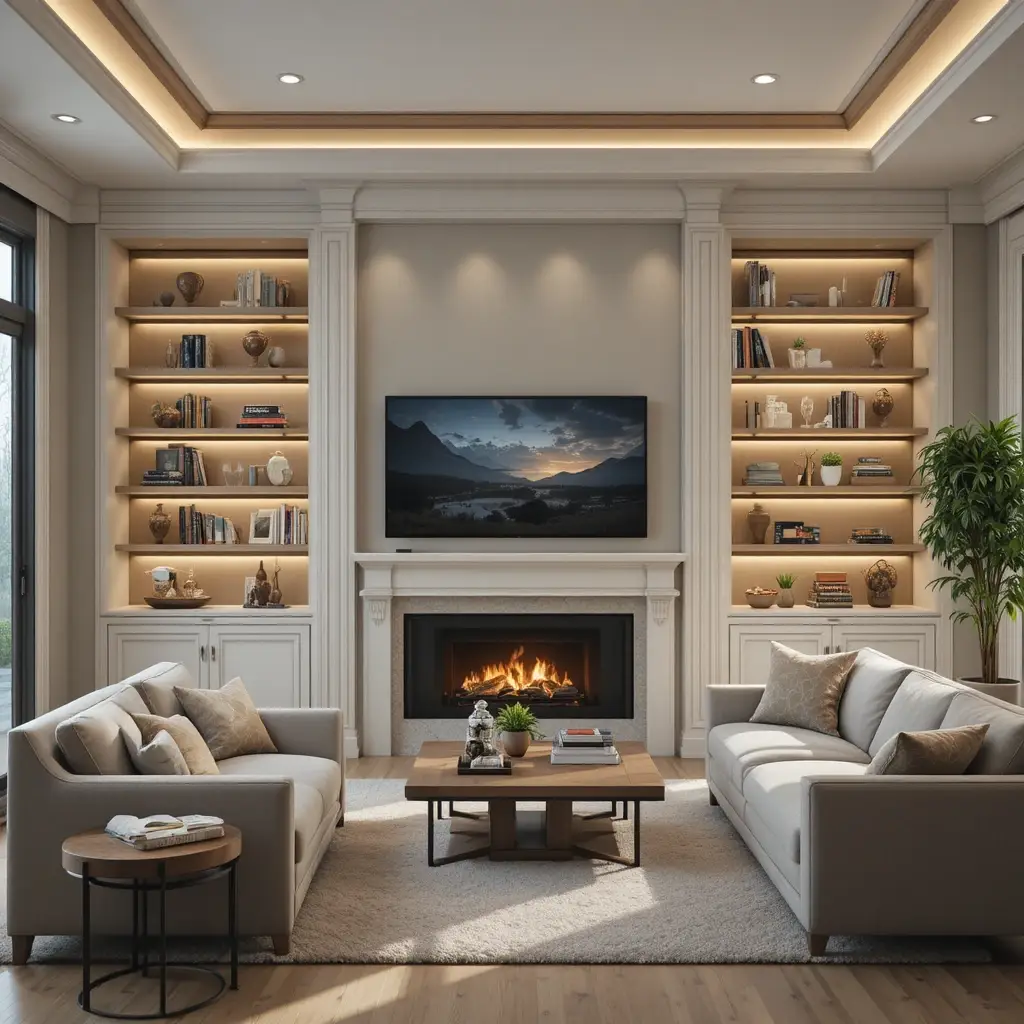
A television can easily dominate a room visually. Integrating it into built-in shelves helps it blend rather than stand out harshly. This works because surrounding elements break up the dark rectangle of the screen.
Shelving also offers space for speakers, consoles, or decorative items that would otherwise sit separately.
Practical tip: Leave breathing room around the TV. Avoid squeezing shelves too tightly around it, or the setup can feel boxed in.
Combination of Closed Cabinets and Open Shelves
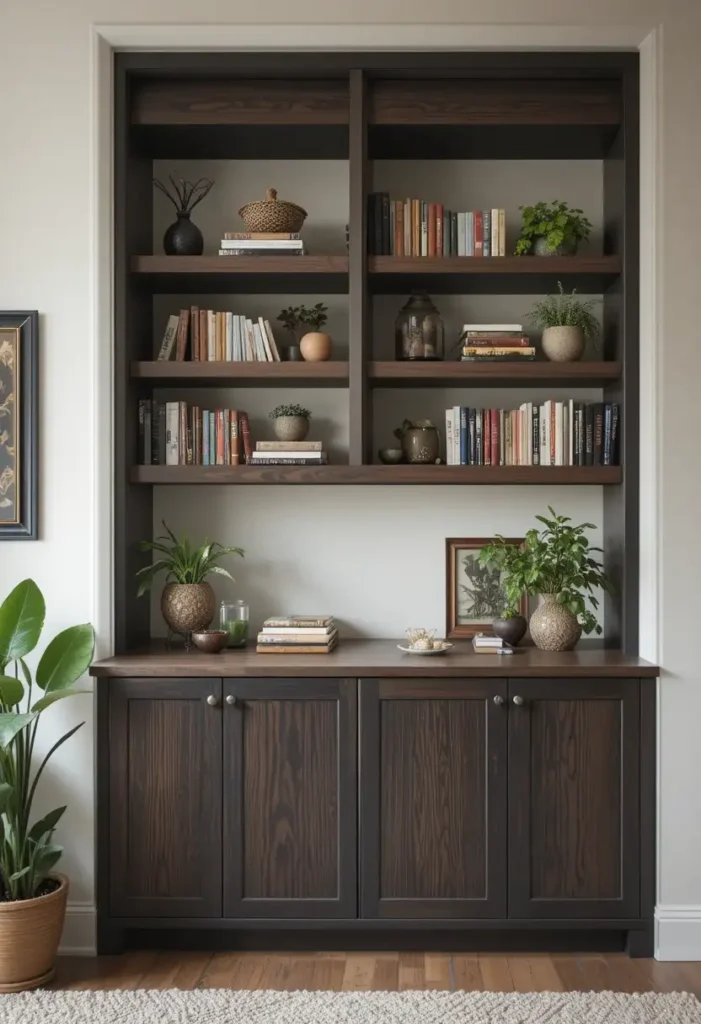
Not everything needs to be on display. Combining lower cabinets with upper open shelving works because it hides clutter while allowing curated styling above.
This balance keeps the room practical without looking messy. It’s especially helpful in family living rooms where storage needs are real.
Practical tip: Store everyday items in the closed cabinets and keep upper shelves lighter, with books, plants, and a few meaningful objects.
Corner Built-In Shelves
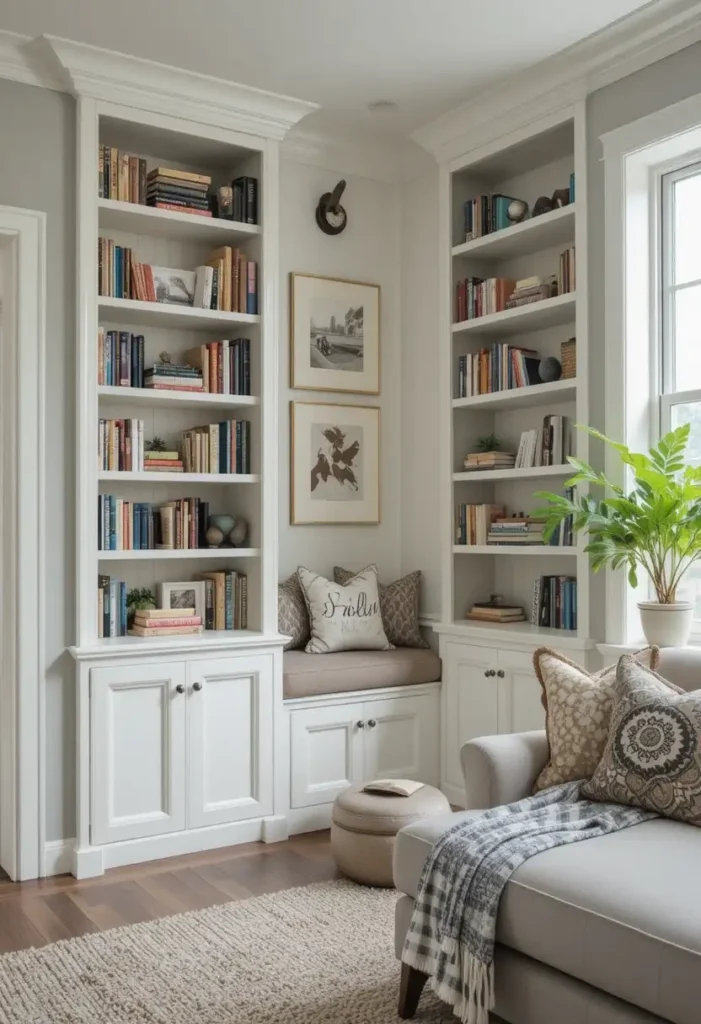
Corners often go unused or become dumping spots for random furniture. Installing built-ins in a corner makes the most of overlooked space. It works because it creates function without disrupting the main layout.
A corner shelf can become a reading nook, display space, or small storage solution.
Practical tip: Keep shelves slim in depth. Deep corner units can intrude into walking space and make the room feel tighter.
Minimalist Floating Built-Ins
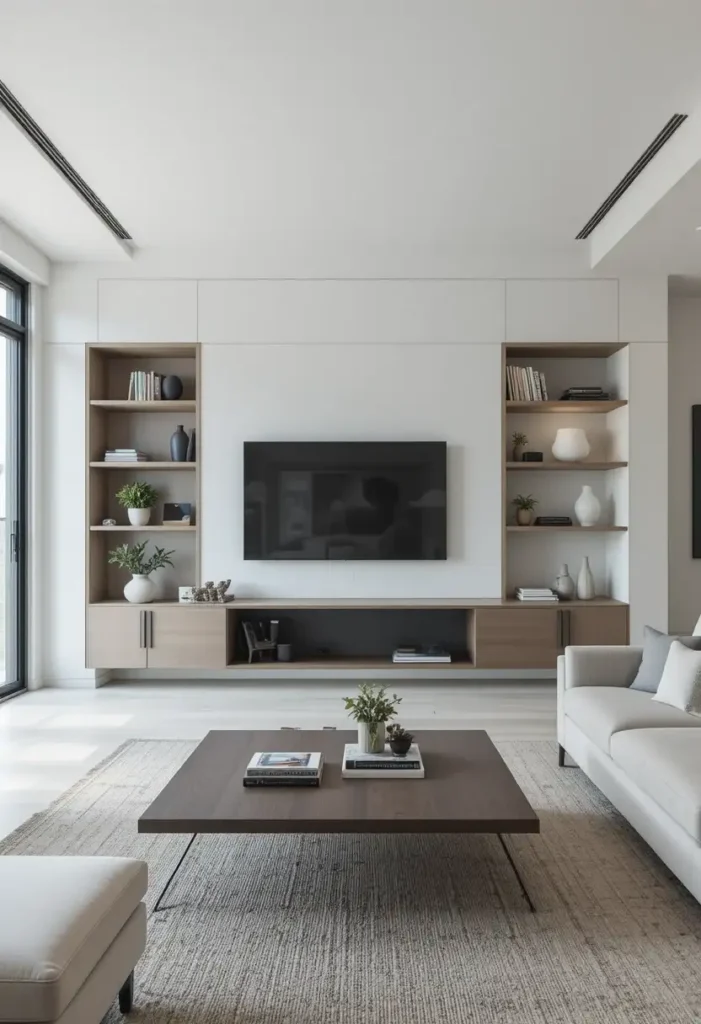
Floating built-ins create a clean, modern look. They appear lighter because they don’t extend all the way to the floor, which helps small or contemporary living rooms feel open.
This design works particularly well in minimal spaces where simplicity is key.
Practical tip: Style sparingly. Floating shelves lose their impact when overloaded with too many decorative items.
Built-Ins with Integrated Lighting
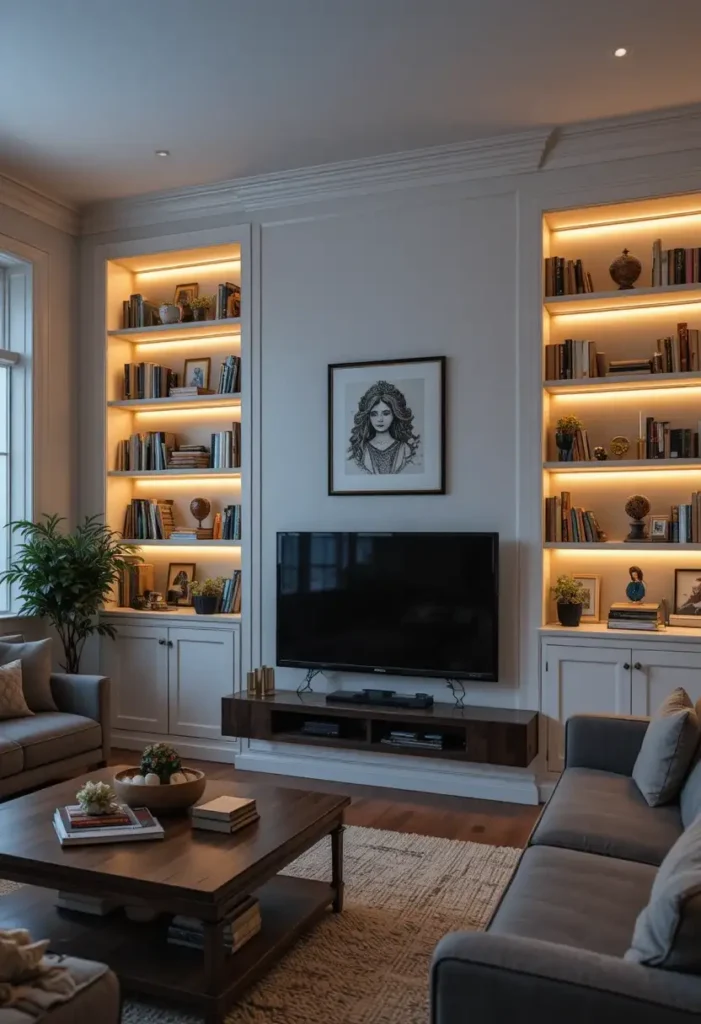
Adding lighting inside built-in shelves elevates the entire wall. It works because light adds depth, highlights texture, and makes the room feel warmer in the evening.
Soft lighting also prevents shelves from becoming dark visual blocks at night.
Practical tip: Choose warm-toned lighting instead of cool white. Warm light feels inviting and enhances wood tones and decor.
Also Read This BLOG: 15 Living Room Remodel Ideas That Actually Improve How the Space Feels
Dark Painted Built-In Shelves
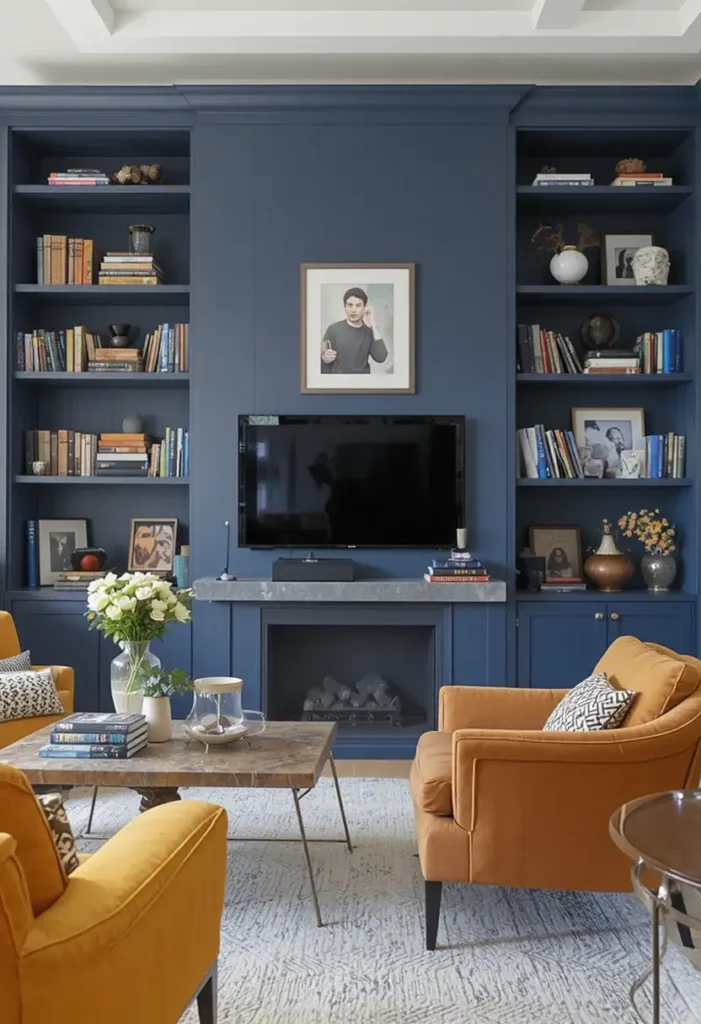
Painting built-ins a deep color like navy, charcoal, or forest green creates contrast and drama. This works especially well in rooms with neutral walls.
Dark shelves add depth and make decorative pieces stand out more clearly.
Practical tip: Ensure the room has enough natural or layered lighting. Without sufficient light, dark shelving can feel heavy.
Classic White Built-Ins

White built-ins are timeless and adaptable. They work because they reflect light and blend easily with most color palettes.
If you’re unsure about bold choices, white provides a safe foundation that won’t feel outdated quickly.
Practical tip: Add warmth through decor, like wood frames or woven baskets, to prevent the shelves from feeling sterile.
Also Read This Blog: Area Rugs in Living Room: 15 Ideas to Transform Your Space
Built-Ins with a Desk Area

In homes where space is limited, combining built-in shelves with a small desk nook can be practical. It works because it integrates workspace into the living room without adding bulky furniture.
This approach keeps everything unified and visually organized.
Practical tip: Keep cables and paperwork contained. A cluttered desk can make the entire built-in wall feel chaotic.
Asymmetrical Built-In Designs
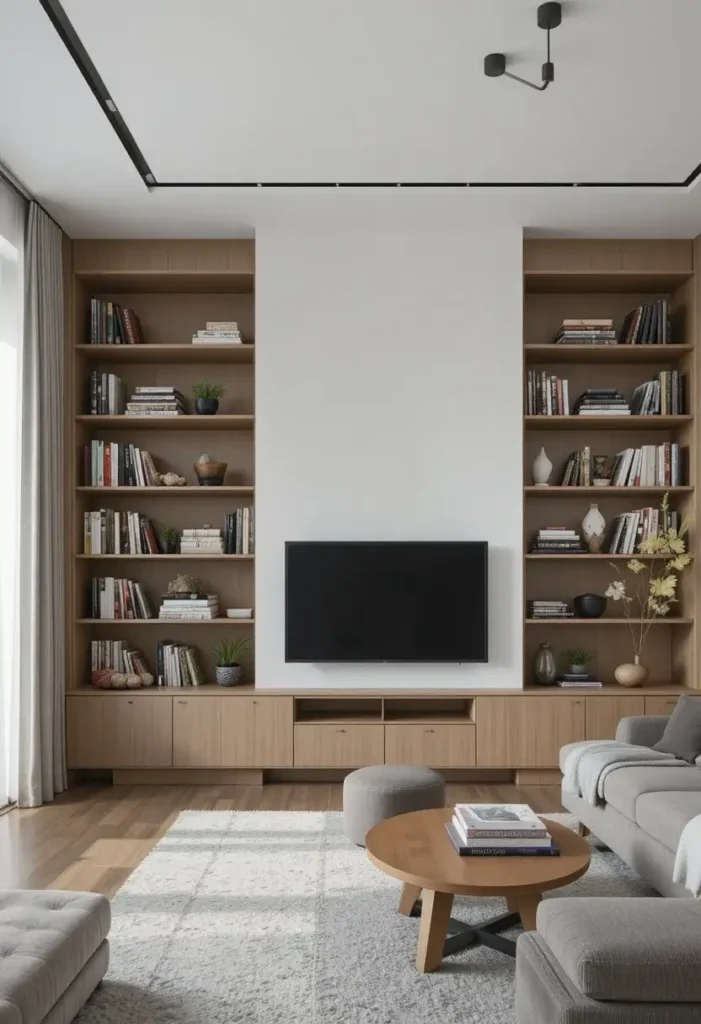
Not all built-ins need to be perfectly symmetrical. Asymmetrical designs feel modern and creative when done thoughtfully.
They work by adding movement and breaking the predictability of traditional layouts.
Practical tip: Balance visual weight. If one side is heavier with shelves, offset it with art or a larger decor piece on the opposite side.
Also Read This Blog: Accent Walls in Living Room: 15 Stylish Ideas That Actually Work
Mixed Material Built-Ins
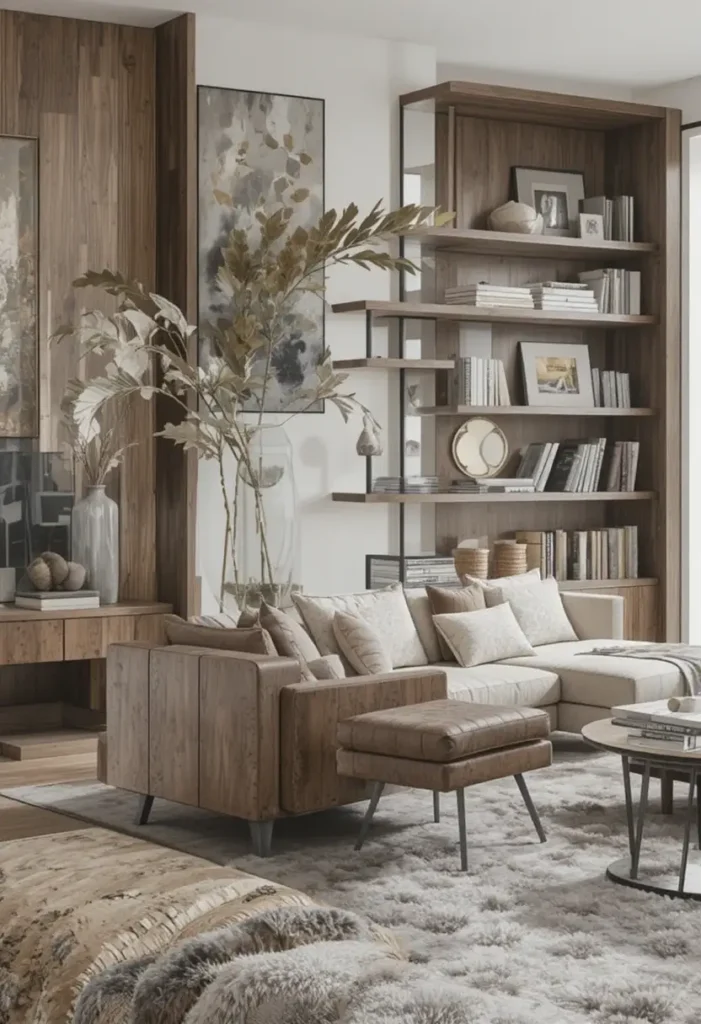
Combining wood, metal, or glass within built-in shelves adds texture and dimension. This works well in transitional or contemporary spaces that need more character.
Material contrast prevents the wall from feeling flat or monotonous.
Practical tip: Limit yourself to two primary materials. Too many textures can compete rather than complement each other.
Shallow Built-Ins for Small Living Rooms
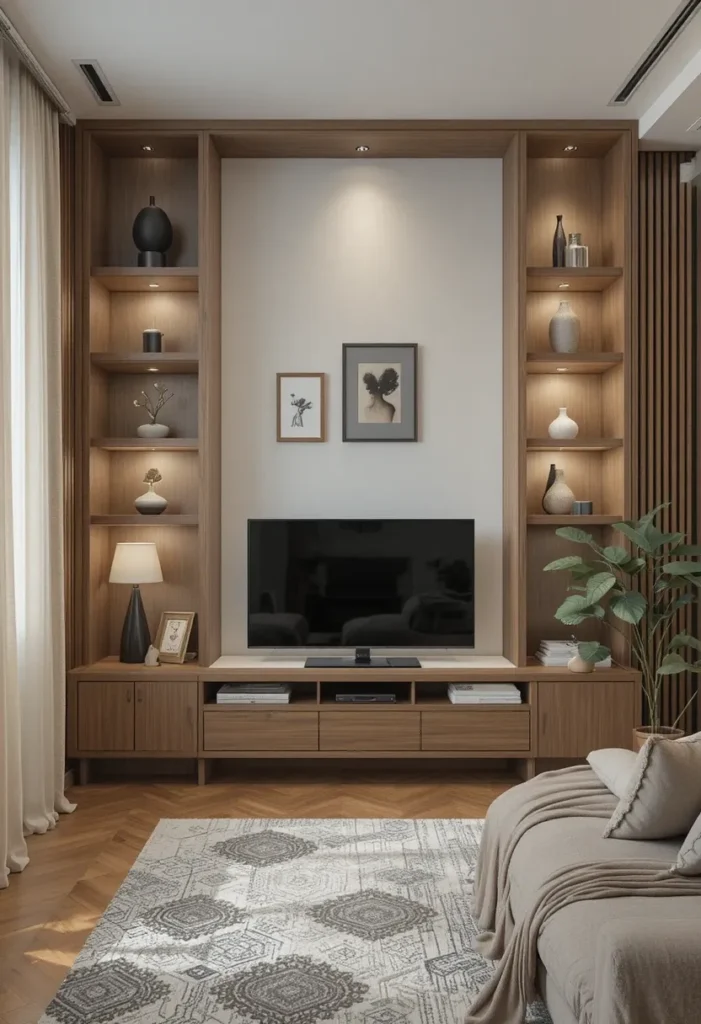
If your living room is narrow or compact, shallow built-ins are a smart solution. They work because they provide storage without taking up valuable floor space.
Slim shelving keeps traffic flow clear and prevents the room from feeling cramped.
Practical tip: Measure carefully before installation. Even a few extra inches of depth can disrupt walkways and make the room feel tight.
Conclusion
Built-in shelves living room designs are not only about adding storage. They influence how the room feels and functions every day. When thoughtfully planned, they bring structure to open walls and reduce clutter in subtle ways.
Before committing, consider what you truly need to store and how much you want on display. Think about lighting, balance, and proportion. When these elements work together, built-ins don’t overwhelm the space. Instead, they quietly make the living room feel organized, intentional, and complete.