Olive Garden Alfredo Sauce Recipe That Fixes Common Home-Cooking Problems
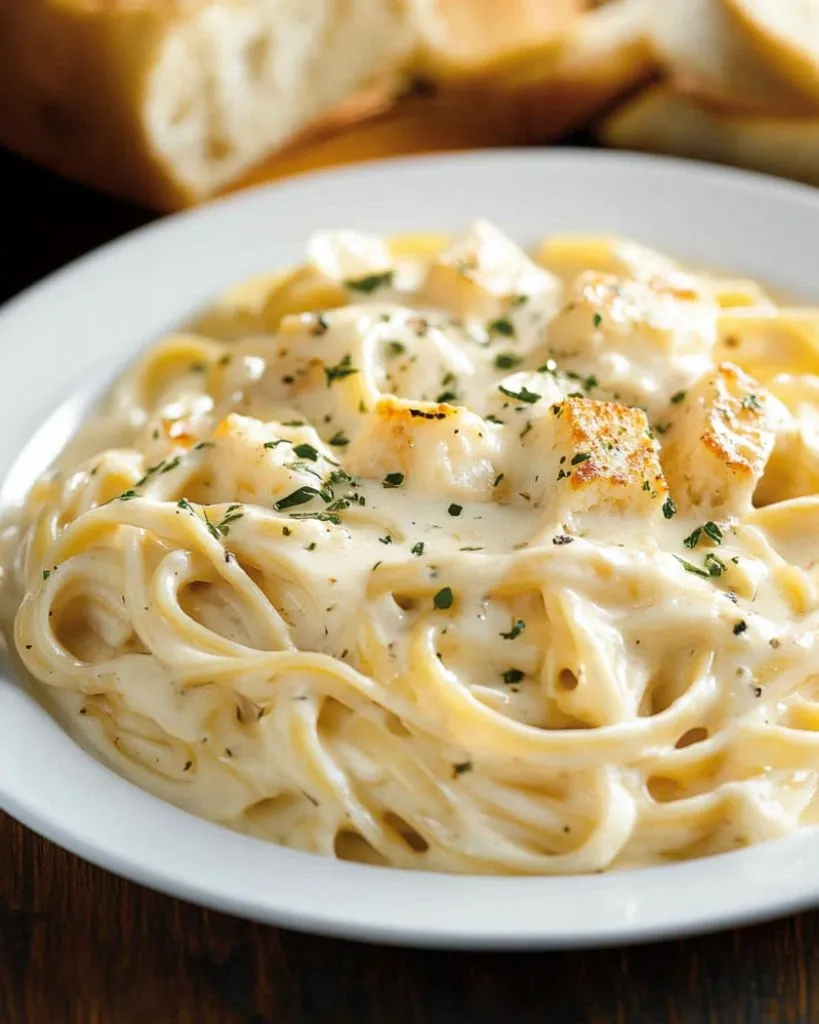
If you’re searching for an olive garden alfredo sauce recipe, there’s a good chance you’ve already tried making Alfredo at home and felt disappointed. Maybe the sauce turned out thin and watery. Maybe it broke and looked greasy. Or maybe it tasted flat, nothing like the smooth, rich version you remember from the restaurant.
That frustration is common. Alfredo sauce looks simple, but small mistakes in heat, timing, or ingredient order can completely change the result. Most recipes don’t explain what goes wrong or how to prevent it, which leaves home cooks guessing.
This recipe is written to remove that guesswork. It focuses on balance, control, and technique so you can make a sauce that’s creamy, stable, and full-bodied without feeling heavy. You don’t need professional tools or rare ingredients. You just need to understand what actually matters and what doesn’t.
Why This Recipe Solves Those Problems
This recipe works because it respects how Alfredo sauce behaves while cooking. Cream sauces are sensitive to heat and timing, and rushing them leads to separation, grainy texture, or dull flavor.
Instead of relying on shortcuts or thickening tricks, this approach builds richness gradually and keeps the sauce stable from start to finish. The result is a smooth, cohesive Alfredo sauce that coats pasta properly and holds its texture even after resting for a few minutes.
The goal isn’t to chase an exact restaurant copy. The goal is to create the same experience at home: creamy, savory, and comforting without being greasy or bland.
When You Should and Shouldn’t Make Alfredo Sauce
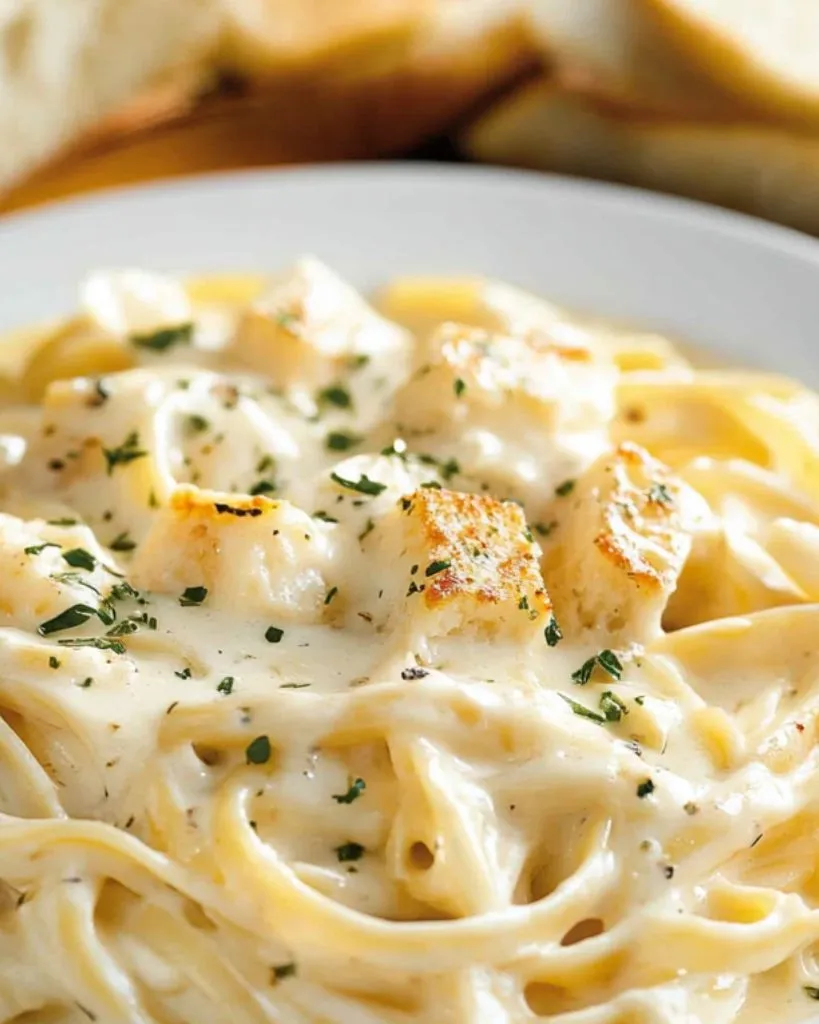
This recipe is ideal when you want a comforting, rich pasta sauce that feels complete on its own or works as a base for chicken, shrimp, or vegetables. It’s especially useful when you want consistency and control rather than improvising.
However, there are times when Alfredo may not be the right choice. If you’re looking for a light, brothy sauce or something with sharp acidity, Alfredo will feel too heavy.
It’s also not ideal for very high-heat holding, such as buffet-style service, because cream sauces naturally thicken as they sit.
Being honest about when a recipe works best helps set realistic expectations and builds trust with the reader.
What Makes This Alfredo Sauce Different
Most Alfredo sauce recipes fail because they rely on shortcuts. Some use too much cheese to force thickness. Others boil the cream aggressively, which causes separation. Some add flour unnecessarily, dulling the flavor.
This recipe avoids those problems by controlling heat and layering ingredients intentionally. The sauce thickens through gentle reduction and emulsification, not through starch overload. Cheese is added at the right moment, not used as a crutch.
The result is a sauce that tastes clean, rich, and balanced rather than heavy or cloying.
Ingredients With Purpose
Butter forms the flavor base and provides richness. Heavy cream is essential for stability and mouthfeel; lighter creams are more likely to break. Garlic adds aroma and depth without overpowering the sauce.
Parmesan cheese brings saltiness and umami, but only when added correctly. Salt enhances flavor and should be added gradually. Black pepper adds gentle warmth without dominating.
Each ingredient has a role. Nothing is included just because it’s traditional.
Also Read This Blog: Steak Sauce Recipe That Fixes What Went Wrong With Your Steak
Critical Technique Before You Start Cooking
Before you begin, understand two rules that prevent most Alfredo failures.
First, never boil the cream aggressively. High heat causes the fat and liquid to separate, which leads to a greasy texture. Keep the heat low and steady.
Second, cheese should never be added to a boiling sauce. Parmesan needs gentle heat to melt smoothly. Adding it too early or over high heat results in clumping or graininess.
These two rules matter more than any single ingredient.
Step-by-Step Cooking Instructions
What the Sauce Should Look and Taste Like at Each Stage
At the beginning, the sauce will look thin and glossy. This is expected.
As it simmers, it should thicken slightly and take on a smooth, unified appearance. There should be no oil separating on the surface.
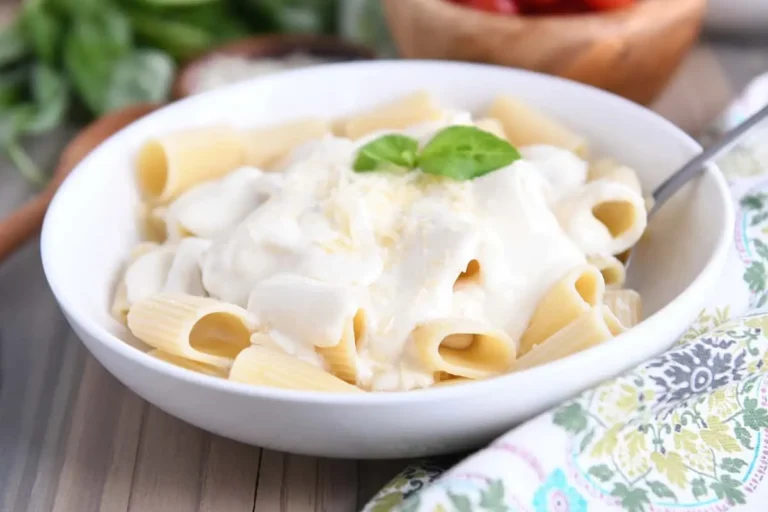
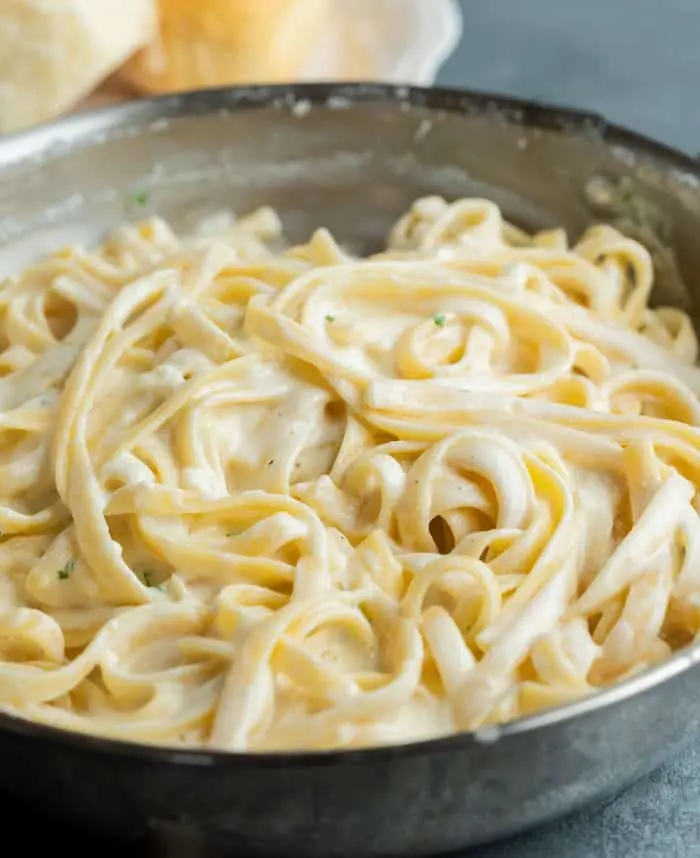
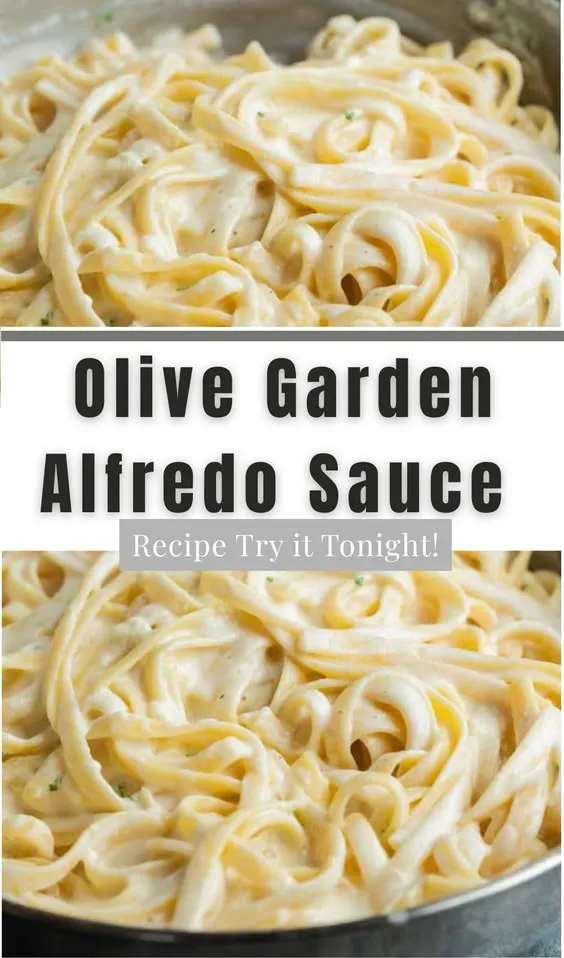
After the cheese is added, the sauce should look creamy and cohesive. The flavor should be savory and rich, not overly salty or sharp. If it tastes flat, it likely needs a small adjustment rather than more cooking.
Also Read This Blog: Ground Beef Enchiladas with Red Sauce: A Comfort Food Everyone Loves
How to Fix Common Problems
Adjustments Based on How You’ll Use It
For pasta, keep the sauce slightly looser so it coats evenly. For chicken or vegetables, a slightly thicker consistency works better.
If adding shrimp, cook them separately and fold them in at the end to avoid overcooking.
For a lighter version, you can reduce the amount of butter slightly, but replacing cream will change texture and stability.
Storage, Make-Ahead, and Reuse
Final Thoughts on This Alfredo Sauce Recipe
This olive garden alfredo sauce recipe works because it focuses on control, timing, and balance rather than shortcuts. It respects how cream and cheese behave and guides you through the process without rushing.
When made carefully, the sauce is smooth, rich, and comforting in the way people expect. Once you understand the logic behind it, you’ll be able to make it confidently and consistently at home.