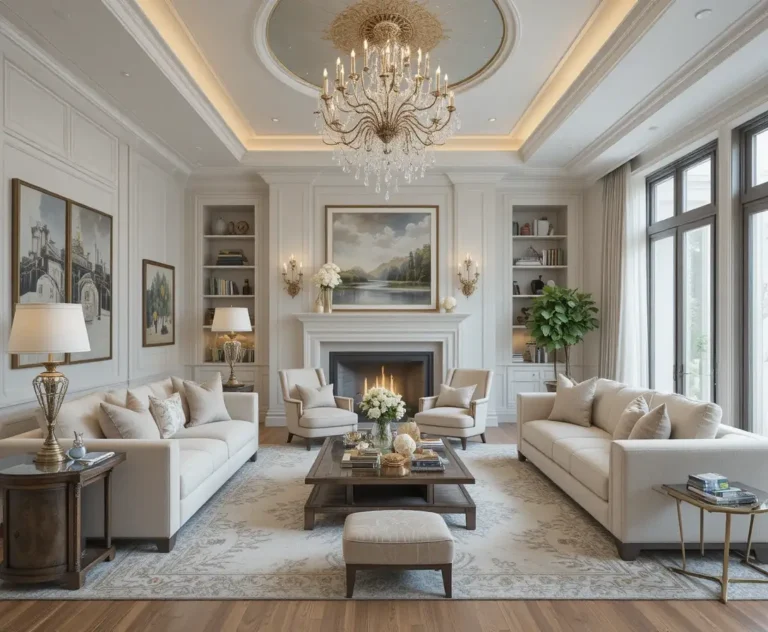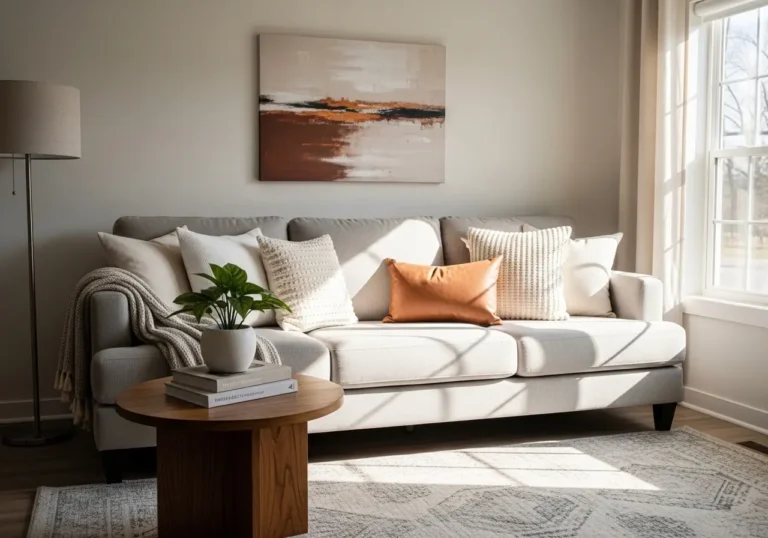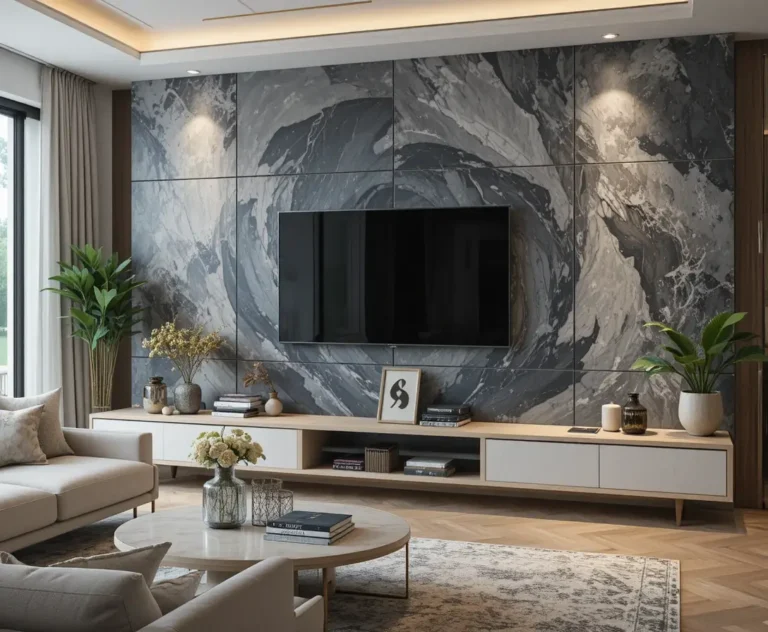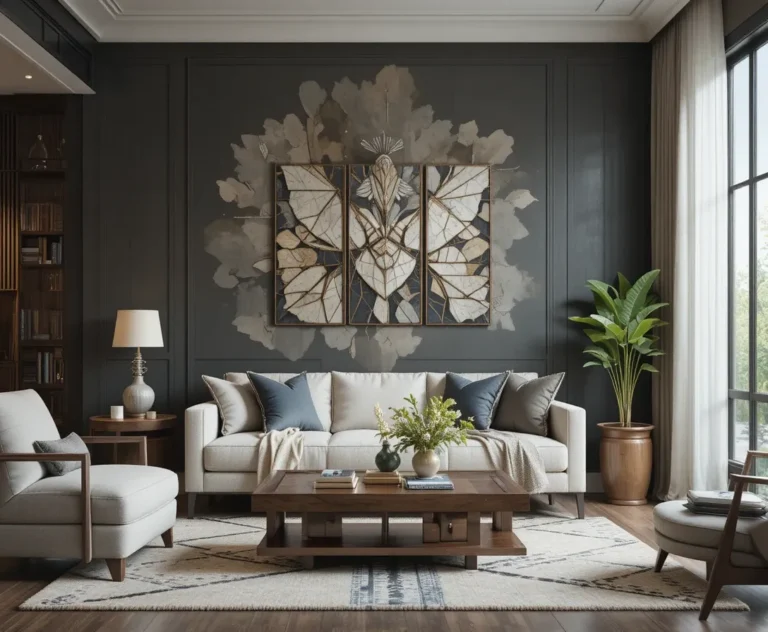
Open Layout Living Room Dining Room: 15 Ideas to Design Your Space
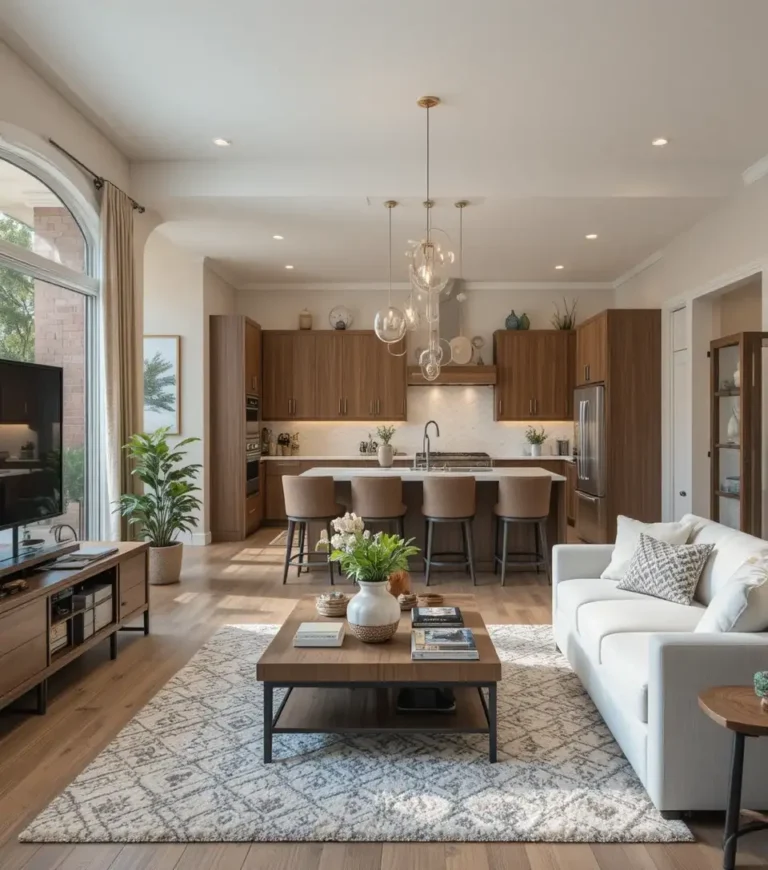
An open layout living room and dining room can make your home feel spacious, modern, and inviting. But it can also feel disjointed or chaotic if not done right. The key is balance—creating flow while defining zones. These 15 ideas will help you design a cohesive, functional, and stylish open layout that works for daily living, entertaining, and comfort.
1. Maximize Natural Light
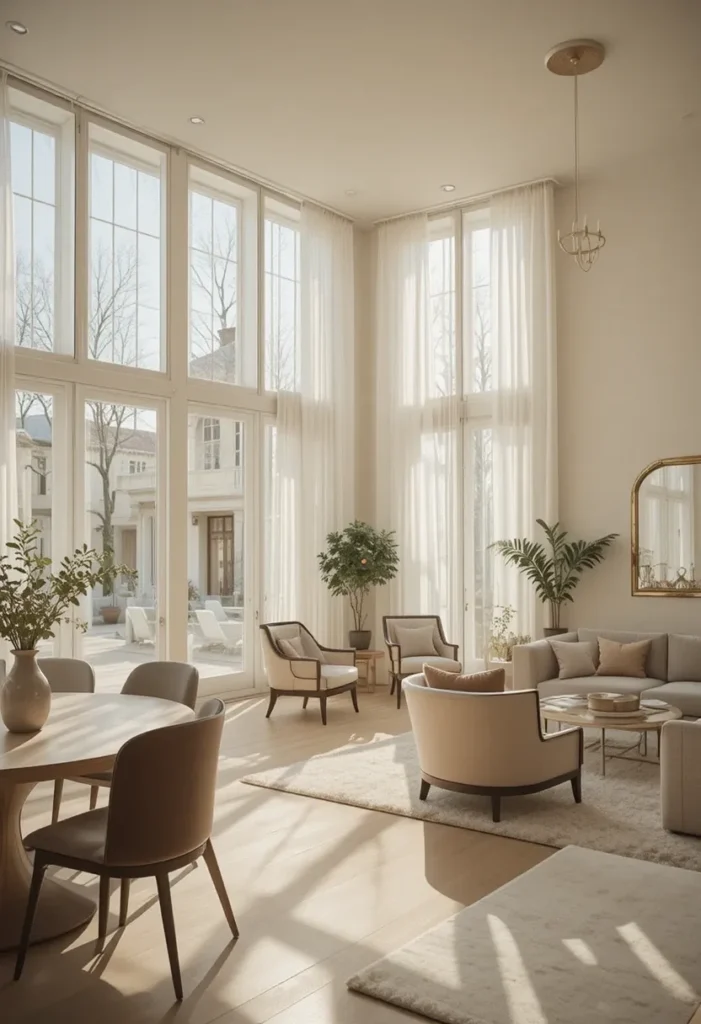
Natural light brightens and unifies an open space. Large windows, glass doors, and light curtains make the room feel airy and connected. Mirrors reflect light, giving depth and openness.
Tip: Place a mirror across from a window to amplify sunlight.
Common mistake: Blocking windows with oversized furniture. Keep pathways clear to let light travel across both living and dining areas.
2. Define Zones with Rugs
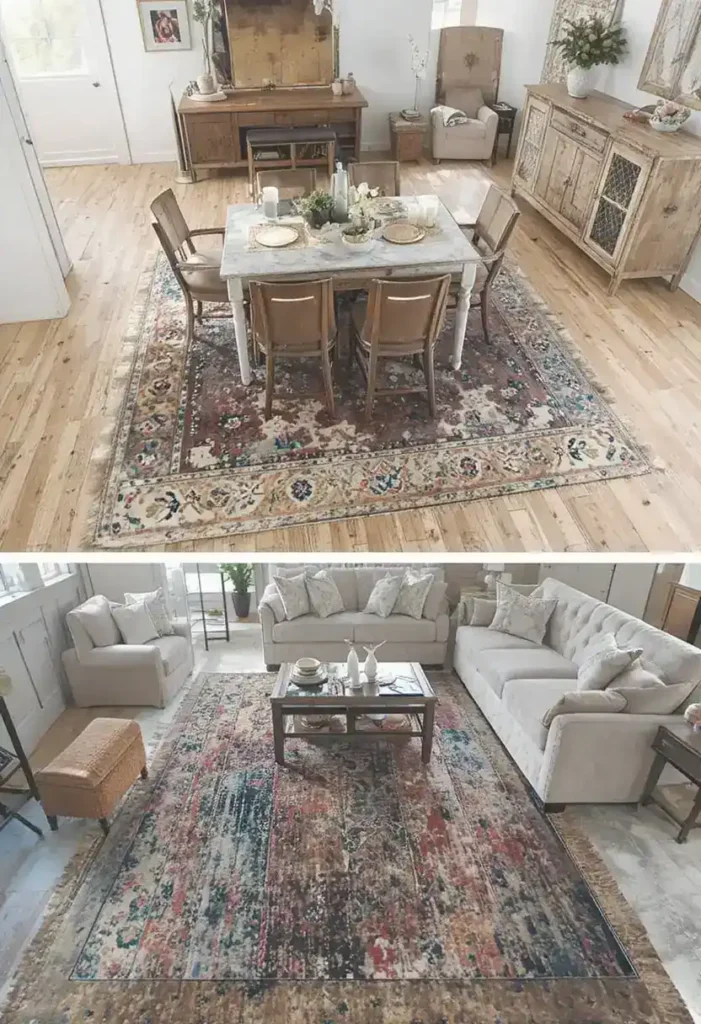
Rugs visually anchor each area without walls. Use a rug under the dining table and another in the seating area to create clear zones.
Tip: Choose rugs that complement each other in color or texture.
Common mistake: Using rugs that are too small—they can make spaces feel chopped. Make sure furniture legs at least touch the rug edges for a unified look.
3. Cohesive Color Palette
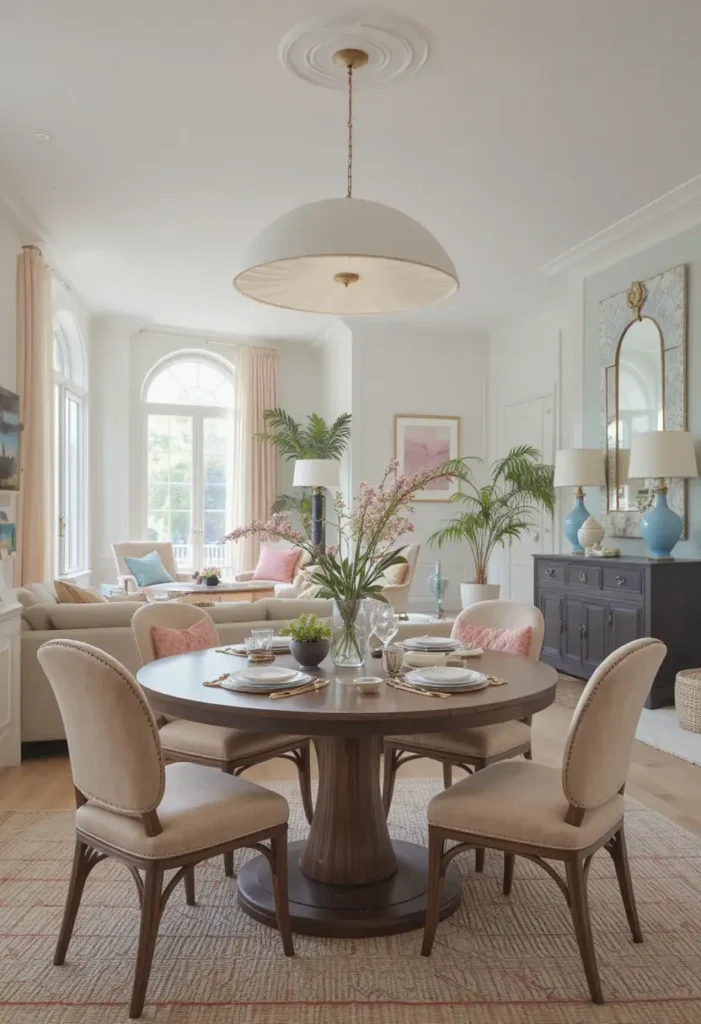
A consistent color scheme ties both areas together, even with different furniture styles. Neutral bases with accent colors maintain flow.
Tip: Use one dominant color for walls and secondary colors in décor, cushions, or artwork.
Common mistake: Overloading bold colors in both zones. Too many strong hues compete visually, breaking harmony. Stick to 2–3 main shades for calm cohesion.
4. Furniture Placement for Flow
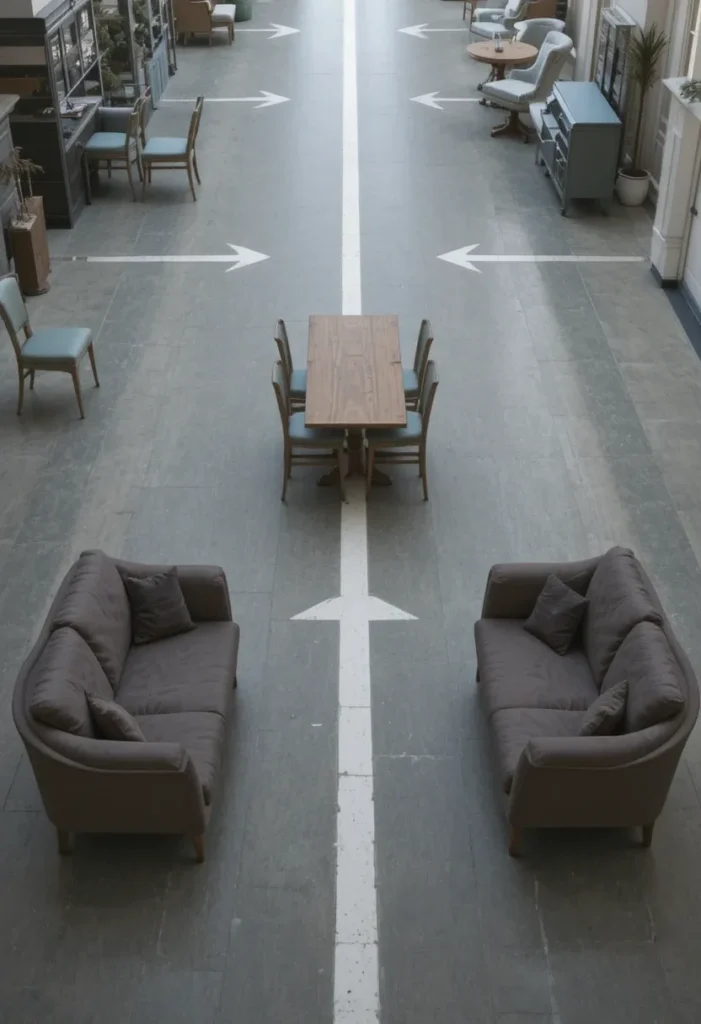
How you arrange furniture influences movement. Sofas, dining chairs, and side tables should allow easy walking paths.
Tip: Leave at least 2–3 feet of space around furniture to prevent cramped areas.
Common mistake: Blocking natural pathways. In open layouts, furniture should guide, not restrict, movement between living and dining spaces.
5. Layered Lighting
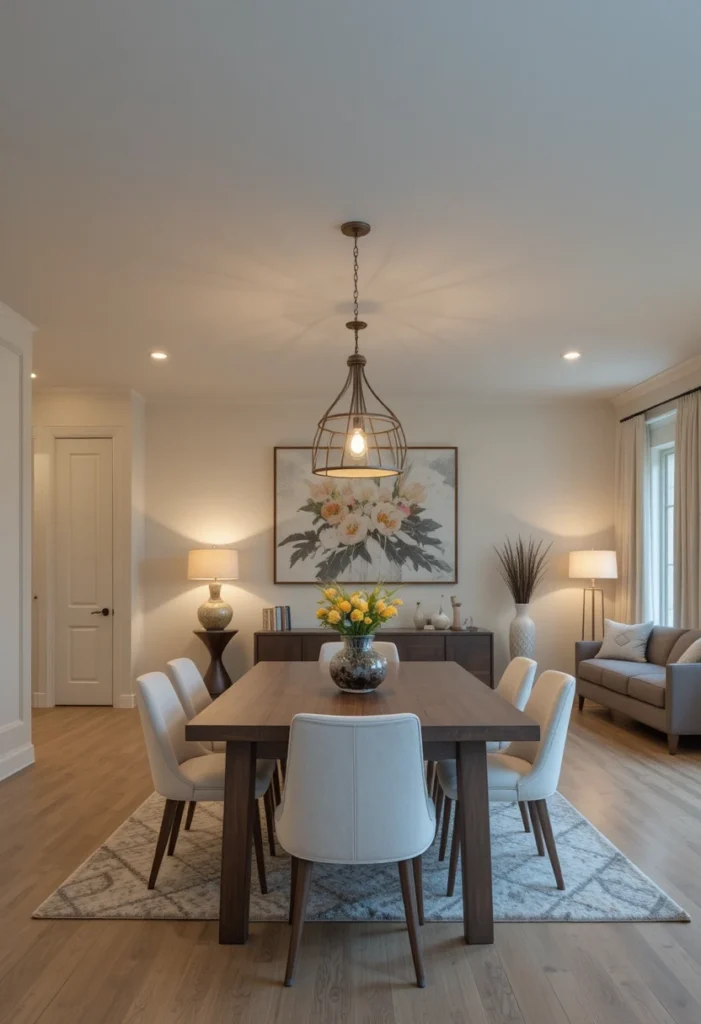
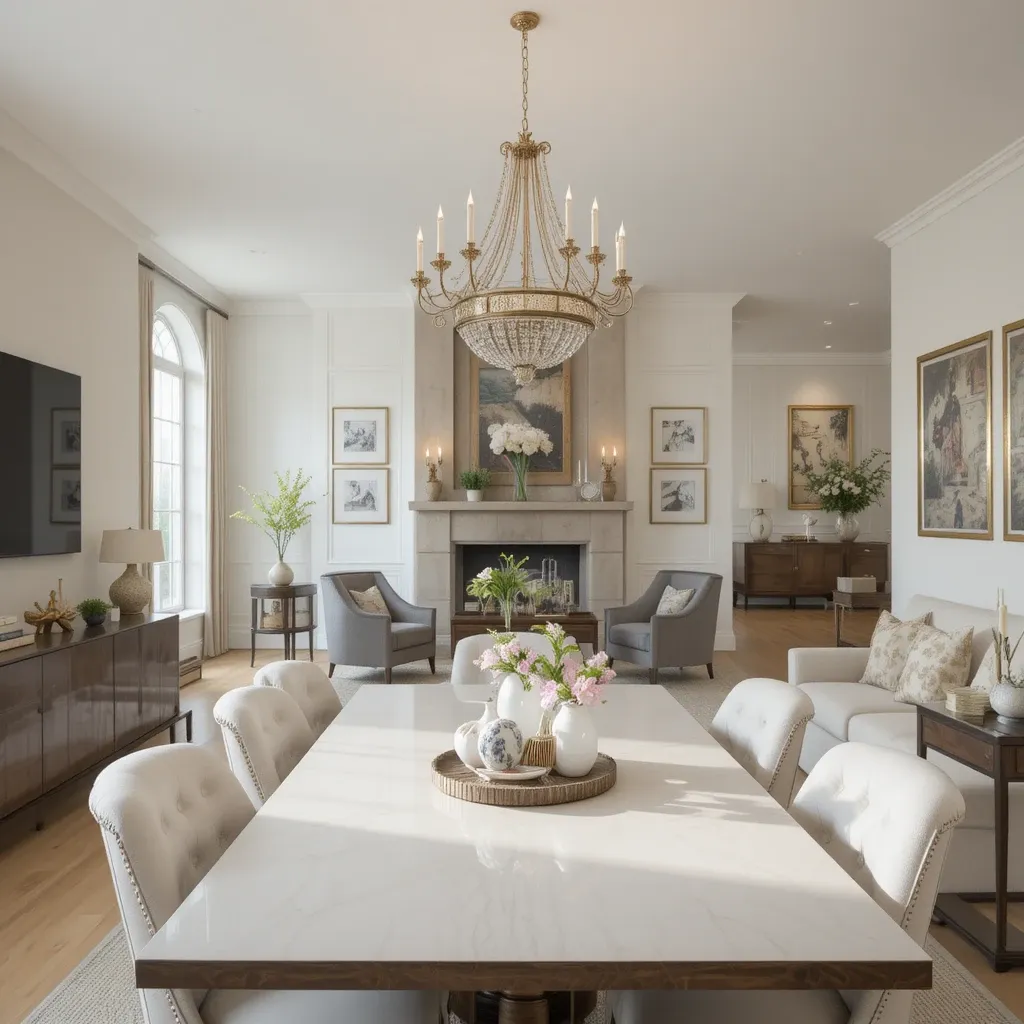
Layered lighting creates functional and cozy atmospheres. Combine overhead lights, floor lamps, and pendant lights to suit both areas.
Tip: Install a chandelier or pendant above the dining table and floor lamps near seating areas.
Common mistake: Using a single light source. Open layouts need different lighting layers to avoid dark corners and maintain warmth.
Also Read This Blog: Luxury Living Room: 13 Thoughtful Ideas to Elevate Your Space
6. Blend Furniture Styles
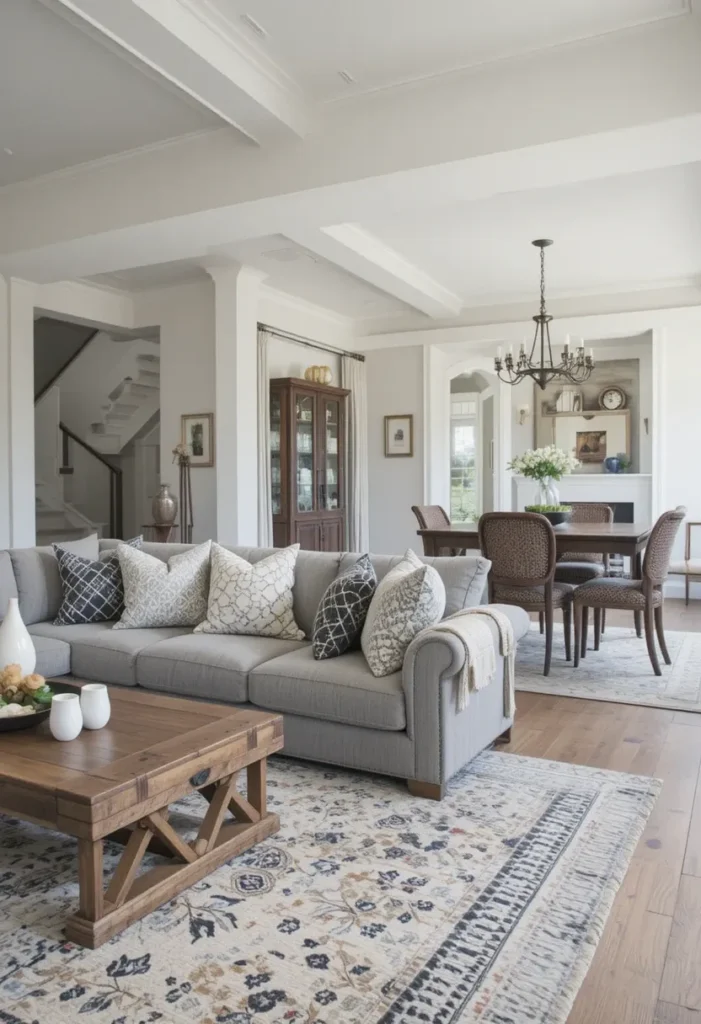
Mixing styles can add character, but cohesion is key. Pair modern dining tables with classic chairs or a contemporary sofa with rustic accents.
Tip: Repeat materials or colors in both zones to create unity.
Common mistake: Clashing styles. Random pieces with no connection look chaotic. Keep at least one unifying element per area, like color, material, or shape.
7. Incorporate Functional Storage
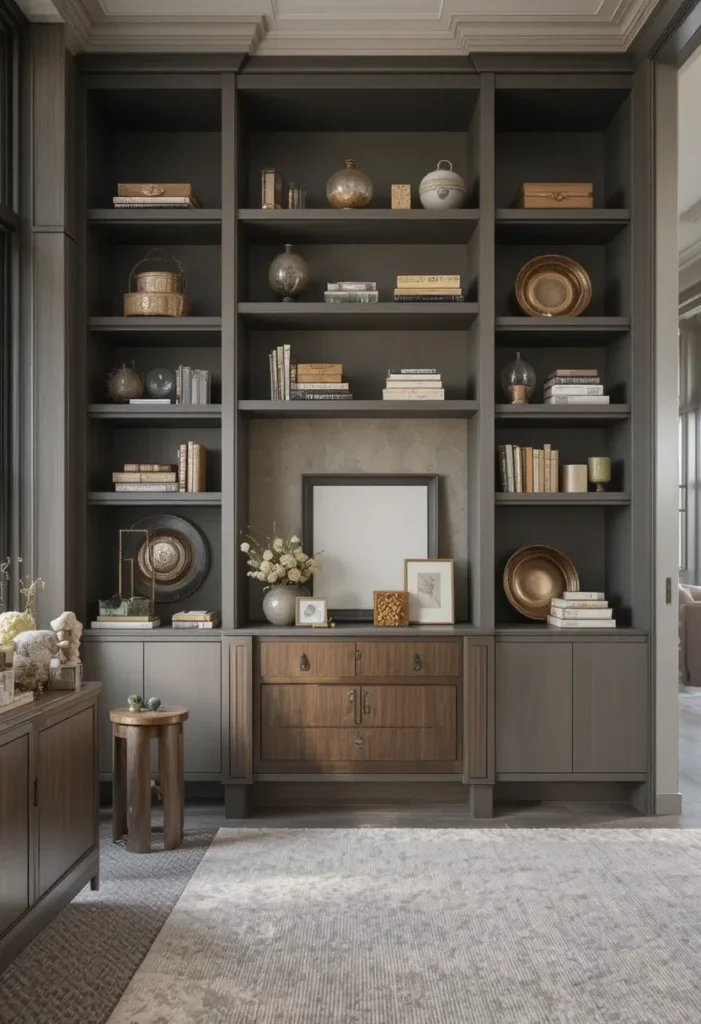
Storage keeps open spaces clean without adding visual clutter. Shelves, sideboards, or multifunctional furniture help organize items for both living and dining areas.
Tip: Use built-in shelving or low storage units that double as décor.
Common mistake: Overfilling storage units. Too many items on display defeat the open, airy feel. Store essentials neatly and rotate décor items to maintain freshness.
8. Use Statement Pieces Wisely
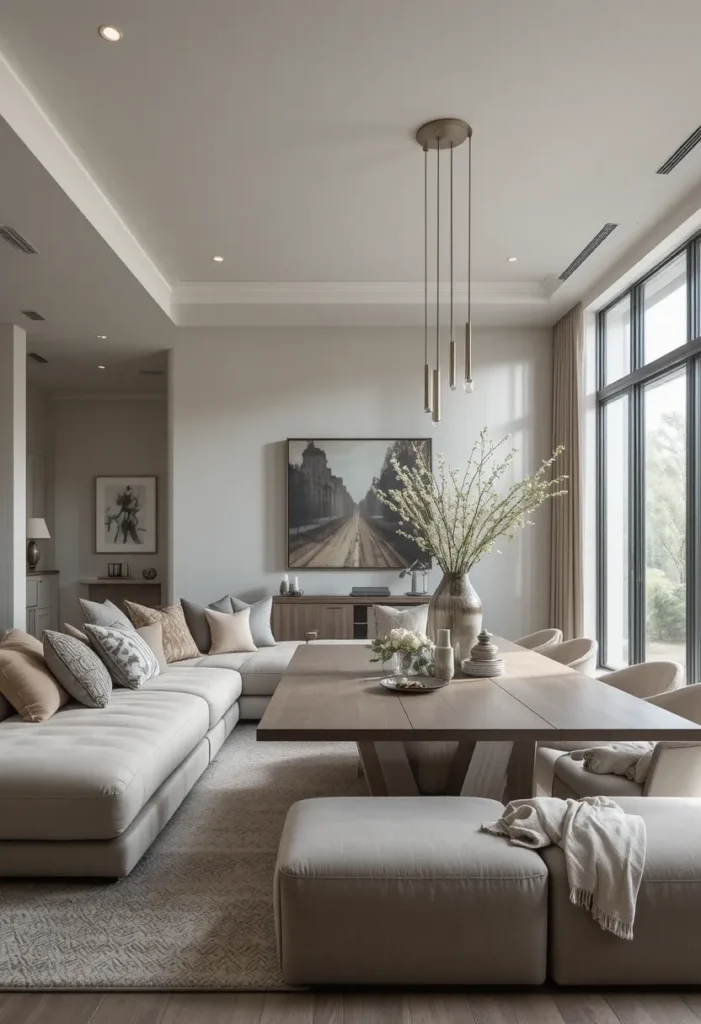
A statement piece, like a bold sofa or large dining table, adds personality without overwhelming the space. In open layouts, it can anchor the room visually.
Tip: Pick one focal point per zone and keep other elements simpler to avoid clutter.
Common mistake: Adding multiple “wow” pieces at once. Too many dominate the space and break visual flow. Stick to one per area.
Also Read This Blog: Area Rugs in Living Room: 15 Ideas to Transform Your Space
9. Add Vertical Elements
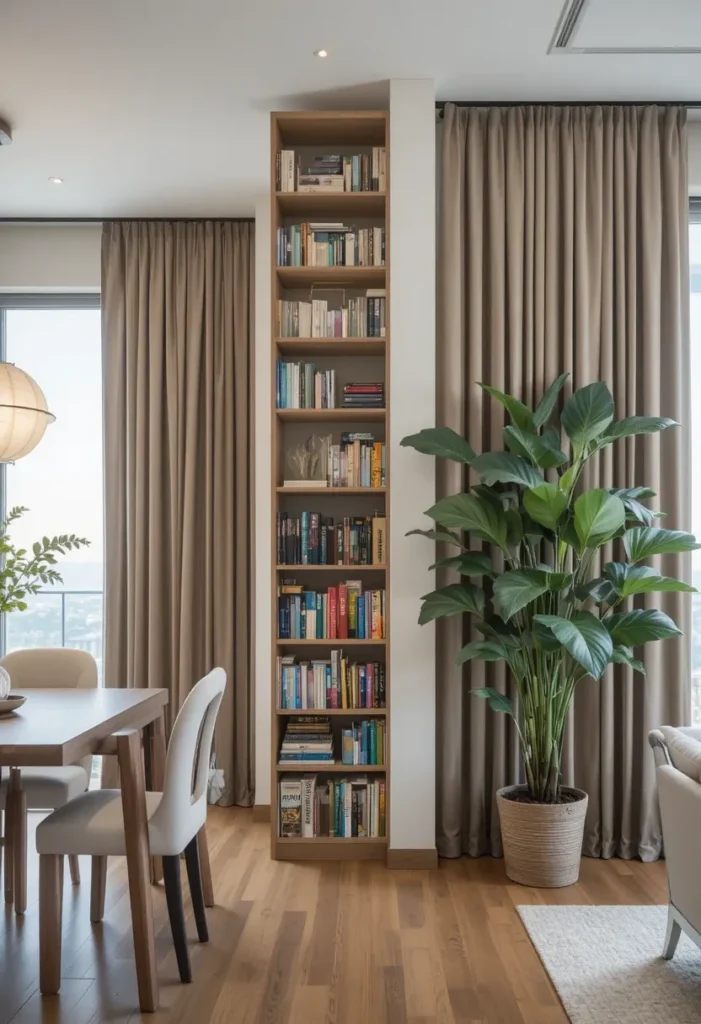
Tall shelves, artwork, or floor lamps draw the eye upward, balancing the openness of the layout. Vertical accents create interest without dividing the space.
Tip: Use a tall bookcase or wall-mounted shelves near the dining area to maintain flow.
Common mistake: Overloading with vertical décor in multiple corners. This can make the space feel cramped. Keep it balanced.
10. Keep Pathways Clear
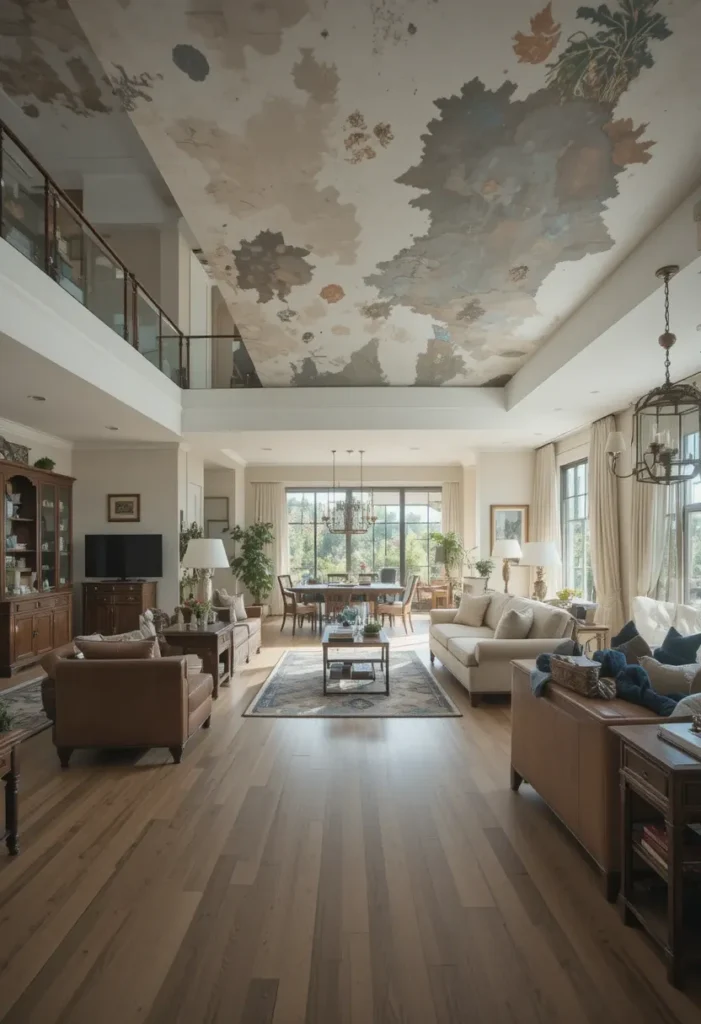
Open layouts are functional when movement is effortless. Avoid placing furniture that blocks walking paths between areas.
Tip: Arrange seating and tables along the perimeter, leaving central space free.
Common mistake: Centering too many pieces in one line. Crowded walkways frustrate daily use and reduce the sense of openness.
Also Read This Blog: Curtains Living Room: 15 Expert Tips for Style & Comfort
11. Balance Patterns and Textures
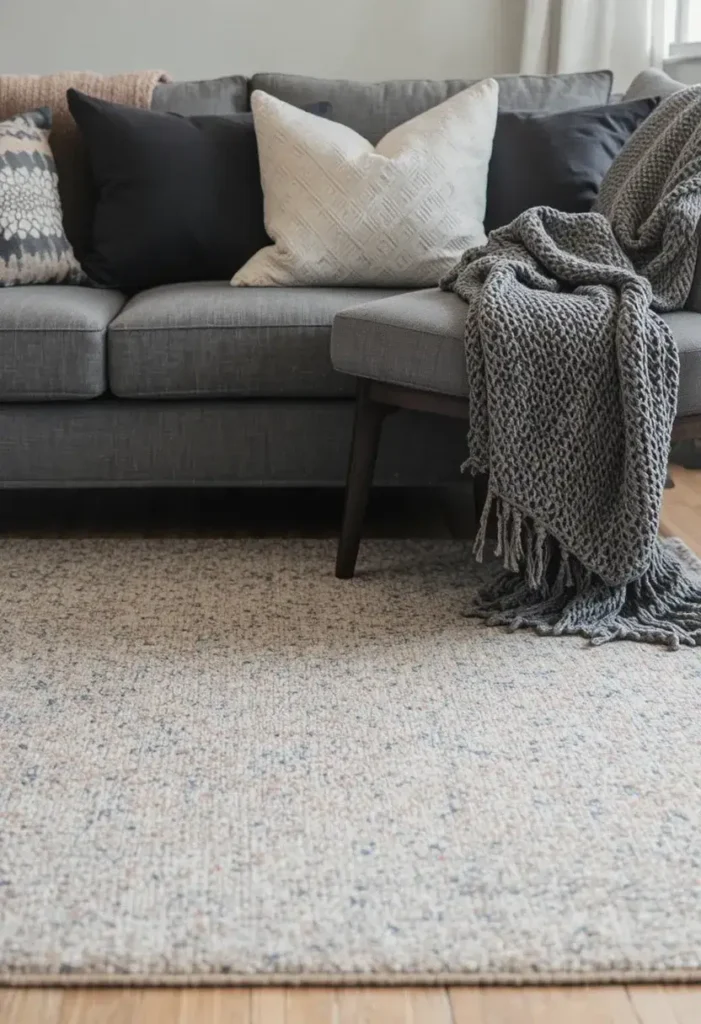
Mixing textures adds warmth and depth, while patterns create visual interest. A patterned rug, textured cushions, or a woven throw can make zones feel cozy yet connected.
Tip: Repeat textures subtly in both areas for harmony.
Common mistake: Using too many bold patterns. Overdoing prints creates chaos. Stick to 1–2 accent patterns and complement them with solids.
12. Functional Dining Area
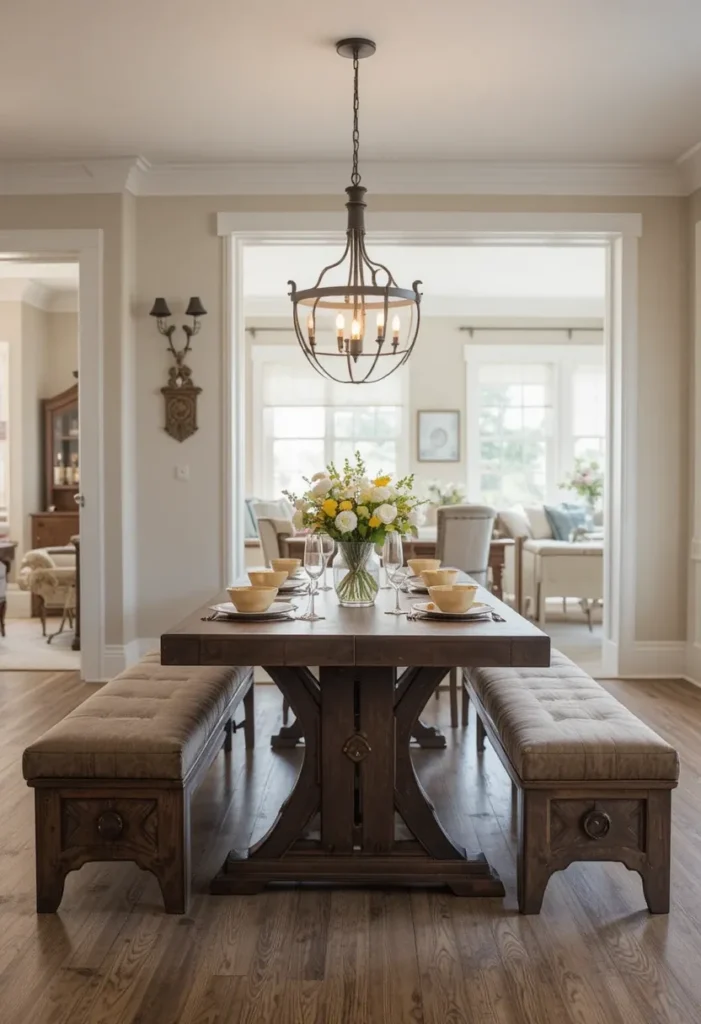
The dining area should be inviting but practical. A table with enough seating for family or guests ensures usability.
Tip: Consider extendable tables or benches for flexibility.
Common mistake: Choosing a dining set too small or large for the room. Poor scale breaks the balance between living and dining zones.
13. Integrate Greenery
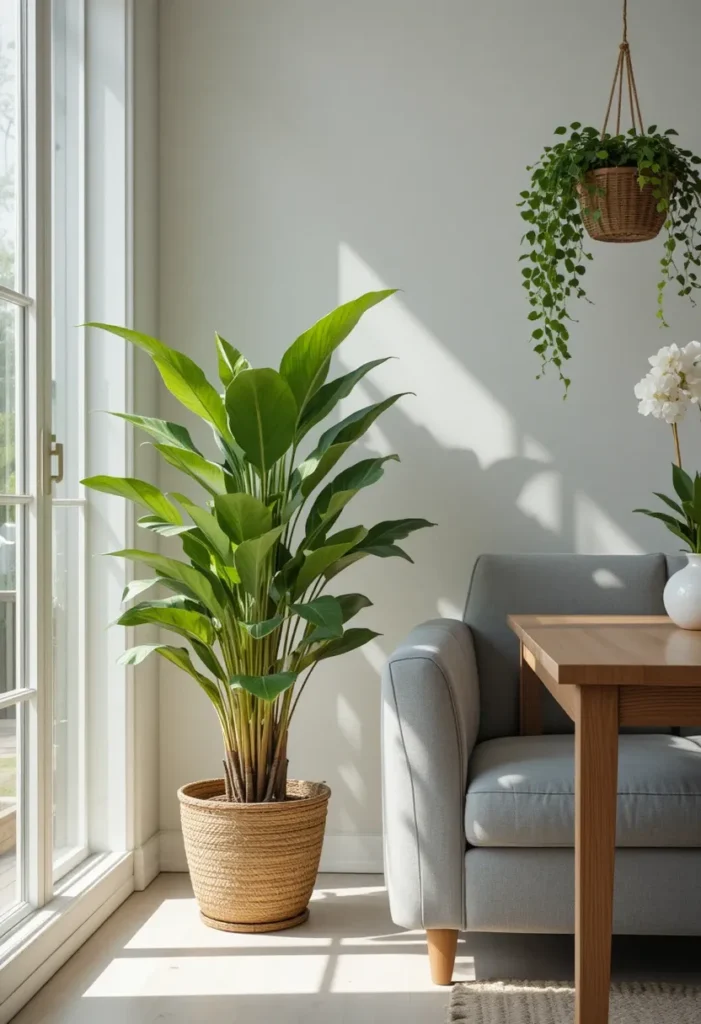
Plants refresh and soften open spaces, creating natural separation between zones. Tall plants or hanging greenery can subtly define areas.
Tip: Place a medium-sized plant near the sofa or dining corner to add life.
Common mistake: Overcrowding with too many small plants. Open layouts benefit from fewer, well-placed greenery accents.
Also Read This Blog: Living Room with Fireplace: 15 Smart Design Ideas
14. Harmonize Flooring
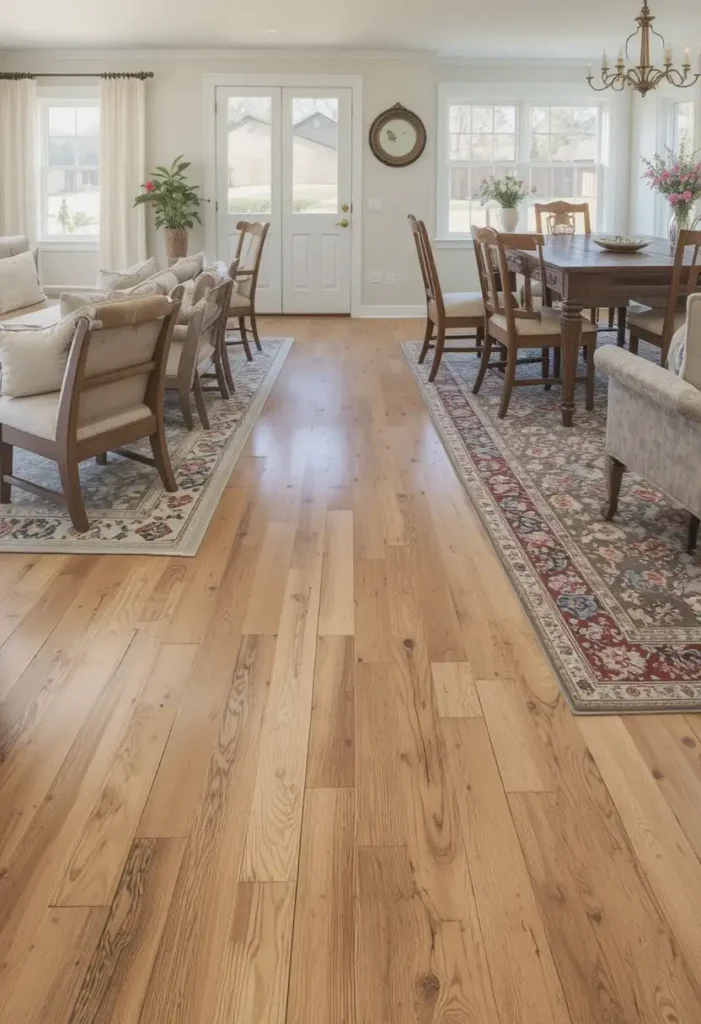
Using consistent flooring across living and dining areas maintains visual continuity. Different textures or colors can work but should complement each other.
Tip: Add rugs to delineate zones without breaking flow.
Common mistake: Abruptly changing flooring without cohesion. Clashing materials create visual disconnection and make the open space feel smaller.
15. Personal Touches and Décor
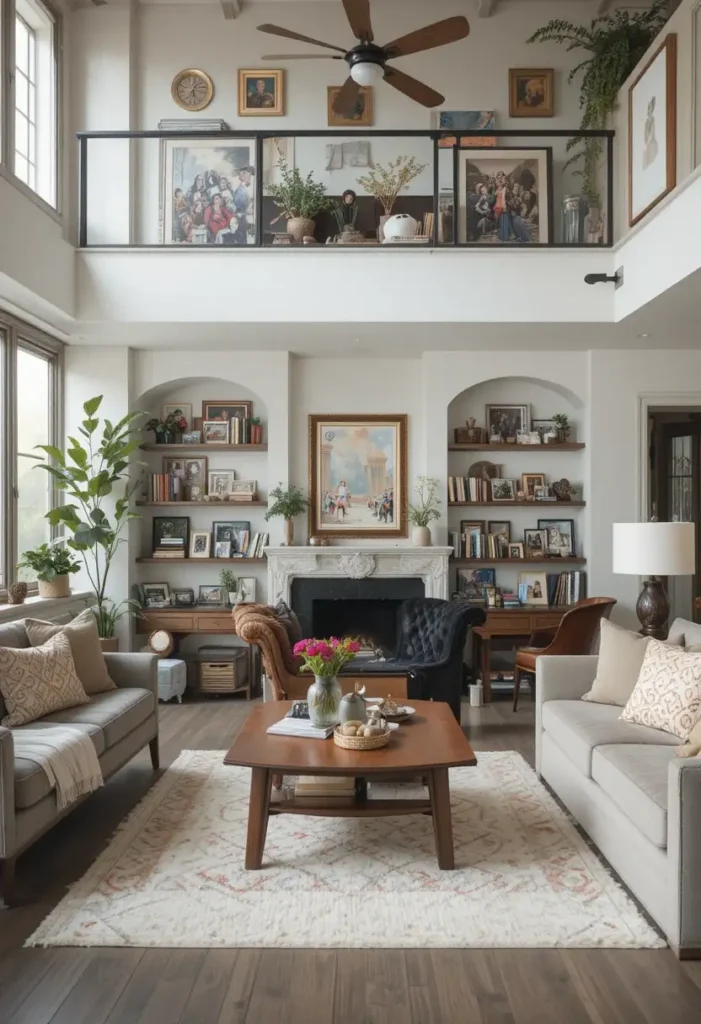
Finally, add décor that reflects your personality—artwork, family photos, or collectibles. Personal touches make the space feel lived-in and inviting.
Tip: Rotate small décor items seasonally to keep the space fresh.
Common mistake: Overfilling surfaces. Too many items disrupt the clean, airy feel of an open layout. Minimal, meaningful décor works best.
Conclusion
Designing an open layout living room and dining room is about balance, flow, and cohesion. By using natural light, defining zones, layering textures, and choosing furniture thoughtfully, you can create a space that feels spacious, stylish, and functional. Remember to add personal touches, maintain clear pathways, and avoid clutter. With these 15 ideas, you can confidently design an open layout that works beautifully for daily life and entertaining.