16 Accent Chairs for Living Room: 16 Ideas to Add Style and Function
Accent chairs can completely change the feel of a living room without requiring a full redesign. They add personality, balance empty corners, and create practical seating exactly where you need it. The right chair can soften a layout, introduce color or texture, or make a large room feel more connected. If your living room feels slightly unfinished or lacks character, an accent chair is often the missing piece. These accent chairs for living room ideas will help you choose and place one with confidence — so it looks intentional, not random.
1. Add a Bold Color Chair to Wake Up a Neutral Room
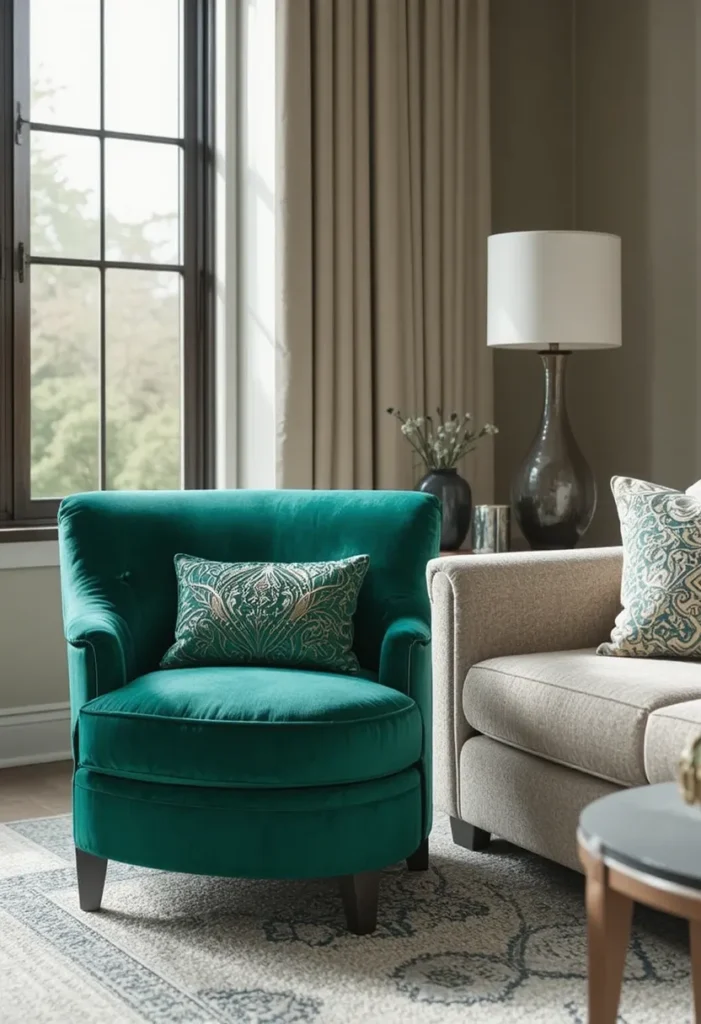
A bold accent chair in navy, rust, or emerald can instantly energize a neutral living room. It acts as a visual focal point without overwhelming the entire space.
This works because one strong color draws the eye and gives the room direction. Instead of repainting walls or replacing furniture, you introduce contrast in a controlled way.
Tip: repeat the chair’s color in a small pillow or artwork nearby for balance.
Common mistake: choosing a shade that clashes with undertones in your rug or sofa. Always compare fabrics in natural light first.
2. Use a Pair of Matching Chairs for Symmetry
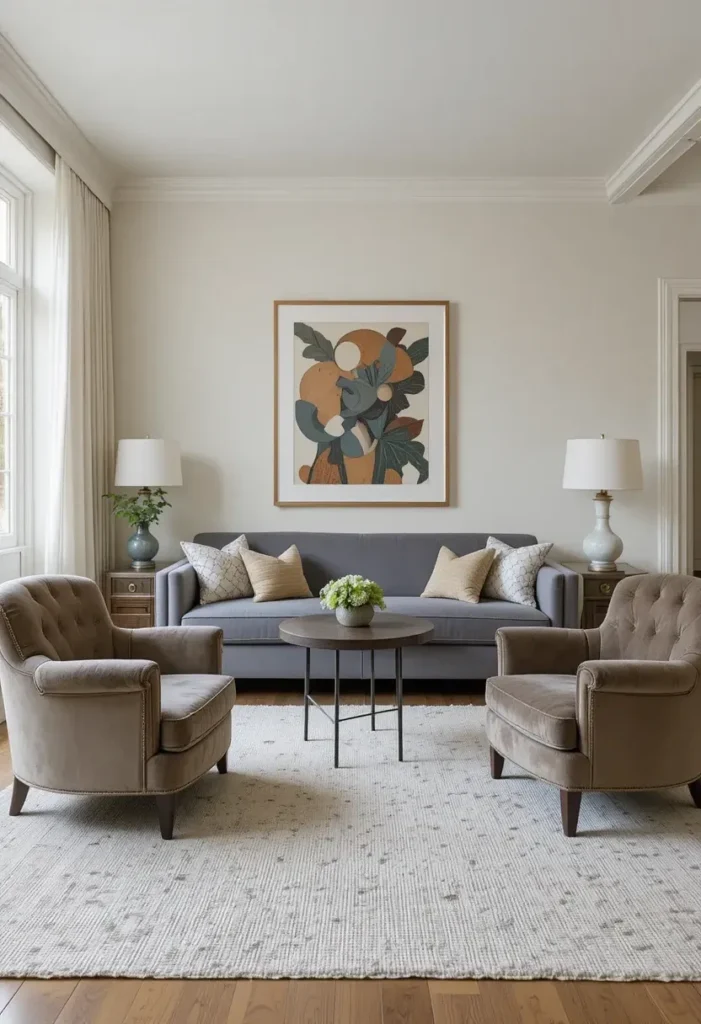
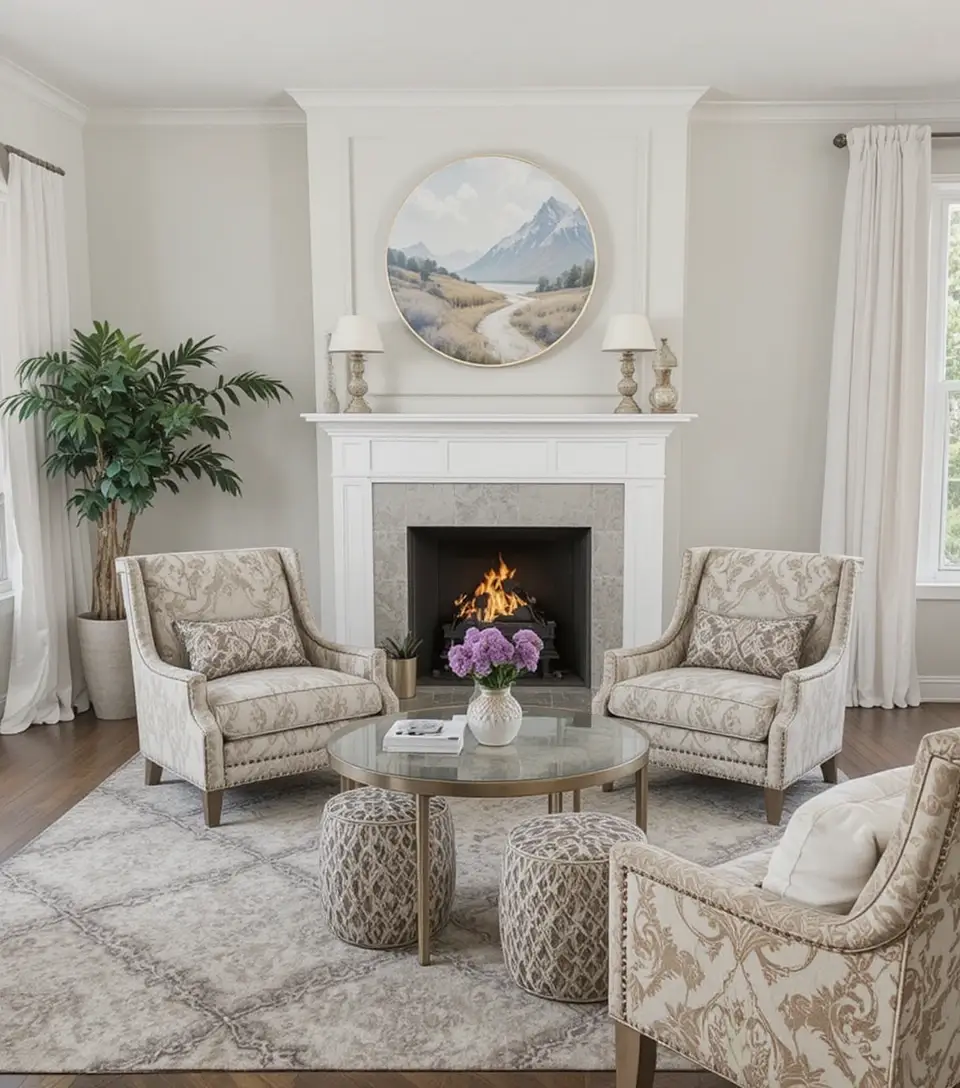
Two matching accent chairs create structure and balance, especially across from a sofa. This setup works well in both traditional and modern spaces.
Symmetry feels calm and intentional. It also makes conversation areas more inviting by evenly distributing seating.
Tip: place a small table between the chairs to anchor them.
Common mistake: pushing them too far apart. Keep them close enough that they feel like part of one grouping rather than separate pieces.
3. Try a Swivel Chair for Flexible Seating
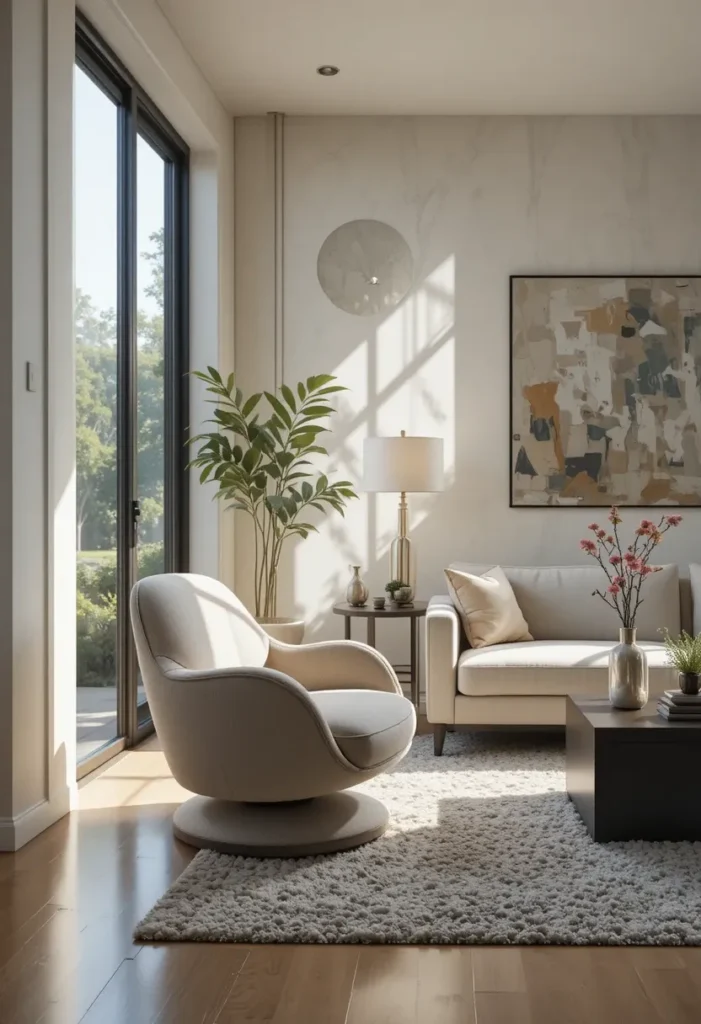
Swivel accent chairs are practical without looking bulky. They rotate easily, making them perfect for open-concept living rooms.
This works because the chair can face the sofa for conversation or turn toward a TV or window when needed. It adapts to how you actually use the space.
Tip: choose a low-profile base so it doesn’t look heavy.
Common mistake: placing it too close to walls — leave clearance so it can rotate comfortably.
4. Choose a Patterned Chair to Add Subtle Interest
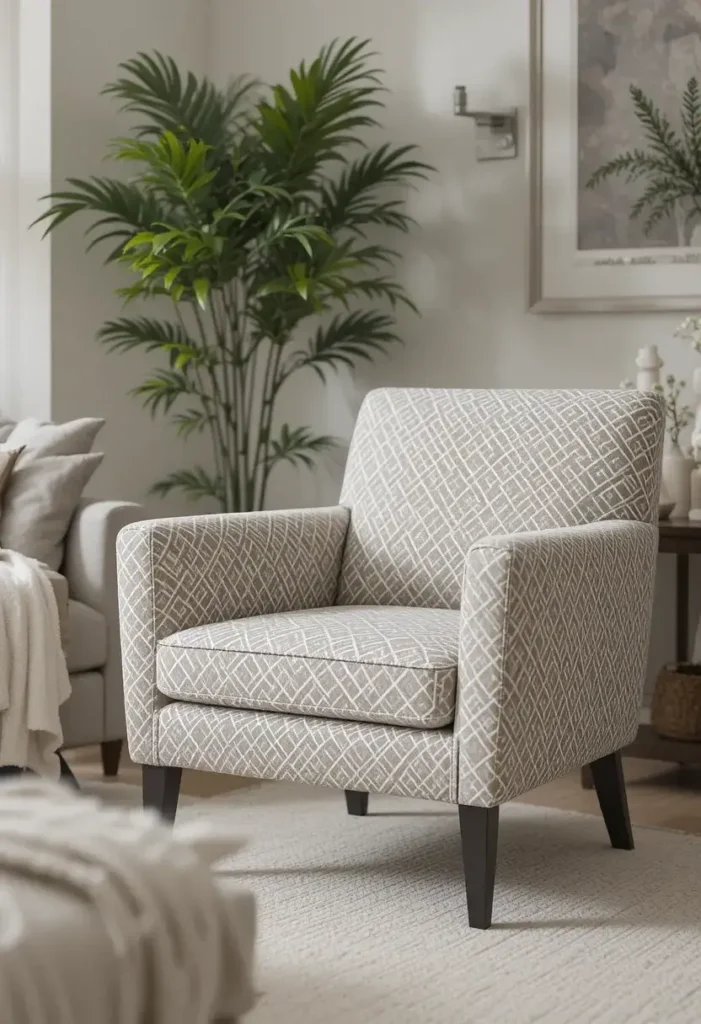
If your sofa and walls are solid colors, a patterned accent chair introduces movement and texture. Stripes, florals, or geometric prints can bring quiet energy to the room.
This works well because the pattern breaks visual monotony without requiring bold color changes.
Tip: pull one color from the pattern to tie into your existing décor.
Common mistake: mixing too many patterns nearby. Let the chair be the feature, and keep surrounding textiles simpler.
Also Read This Blog: 14 Floor Lamps Living Room Ideas for Warmth, Balance, and Better Lighting
5. Place a Chair in an Empty Corner to Create a Cozy Nook
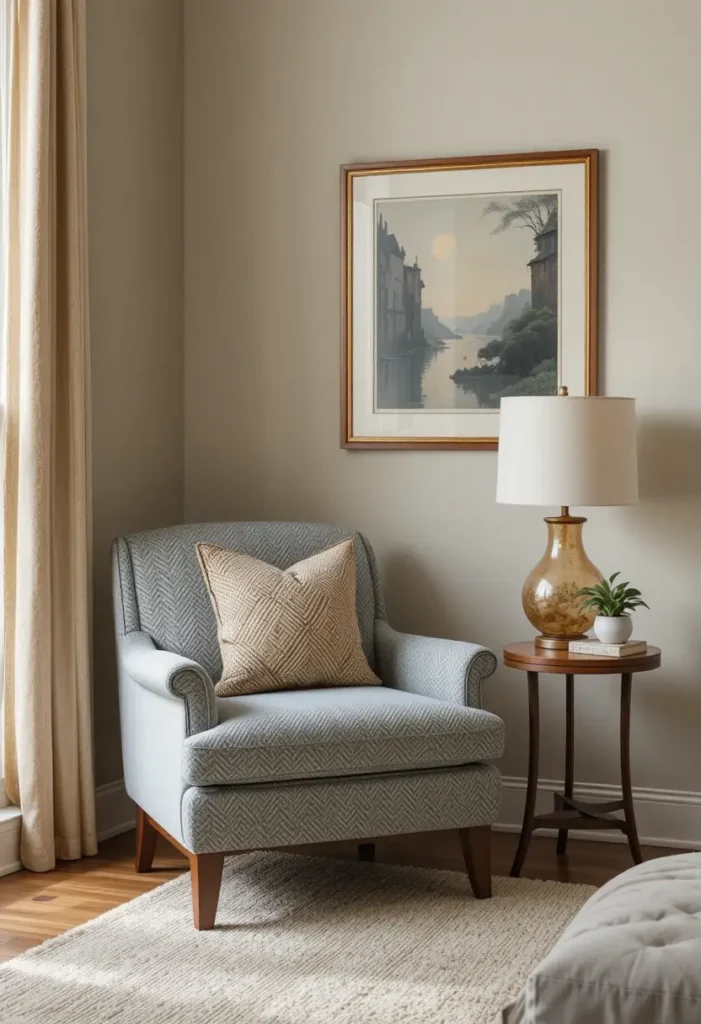
An unused corner often makes a room feel incomplete. Adding an accent chair with a small side table and lamp instantly creates purpose.
This works because it transforms “dead space” into a reading or relaxation spot, making the room feel more layered.
Tip: angle the chair slightly toward the center of the room so it feels connected.
Common mistake: shoving it flat against both walls. Leave a little breathing room so the area doesn’t look cramped.
6. Add a Leather Accent Chair for Warmth and Texture
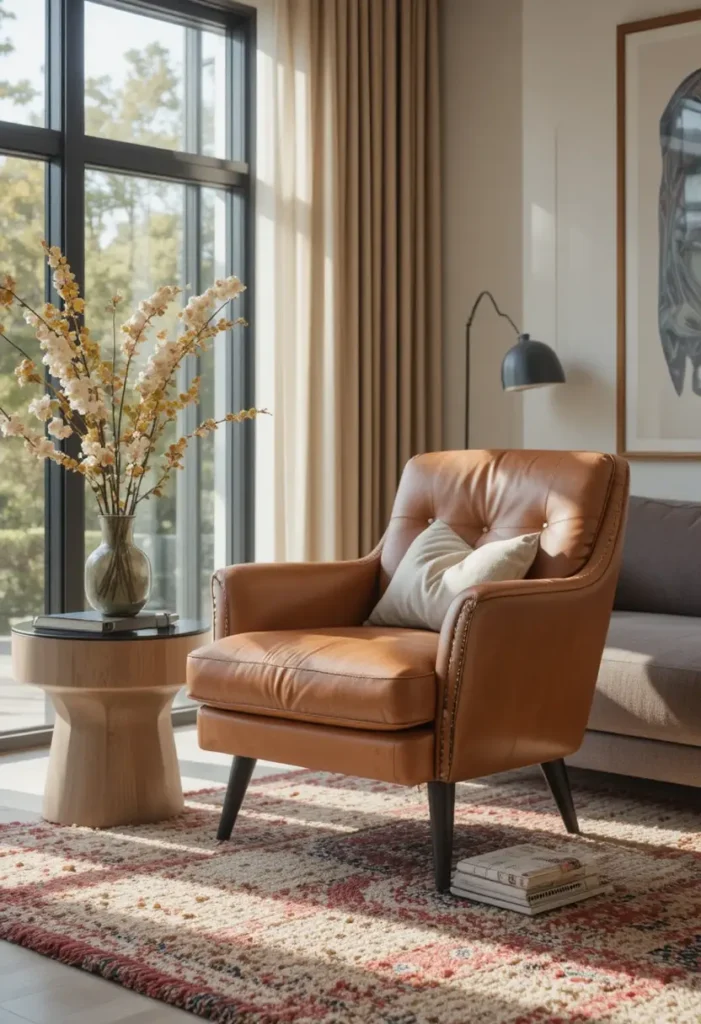
Leather accent chairs introduce richness and depth, especially in rooms filled with soft fabrics. Whether tan, cognac, or deep brown, leather grounds the space.
This works because smooth leather contrasts beautifully with plush sofas and woven rugs, creating balance.
Tip: pair it with a soft throw or pillow to prevent it from feeling too stark.
Common mistake: choosing overly dark leather in a small room with limited light — it can make the space feel heavier than intended.
7. Use a Slim Armchair in Small Living Rooms
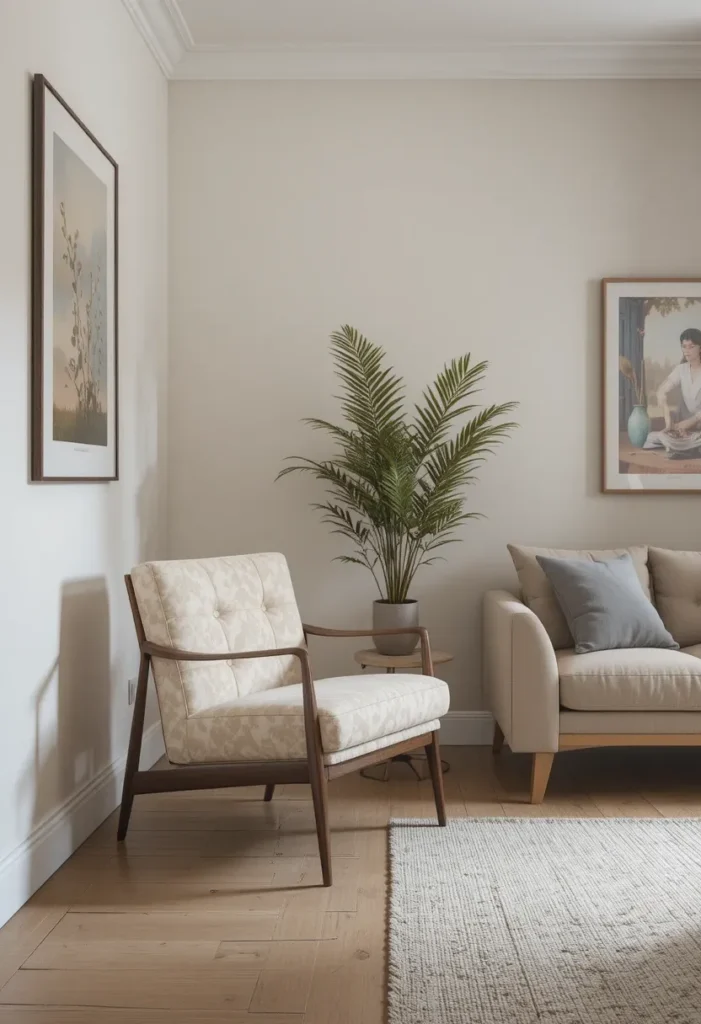
In compact spaces, scale matters more than style trends. A slim, armless or narrow-profile accent chair provides seating without crowding walkways.
This works because lighter visual weight keeps the room feeling open and breathable.
Tip: look for exposed legs — they create a sense of space underneath.
Common mistake: picking a chair that’s too deep. Measure carefully so it doesn’t block traffic flow or overwhelm your layout.
Also Read This Blog: Living Room Kitchen Open Concept: 15 Ideas to Design Your Space
8. Try a Wingback Chair for Classic Structure
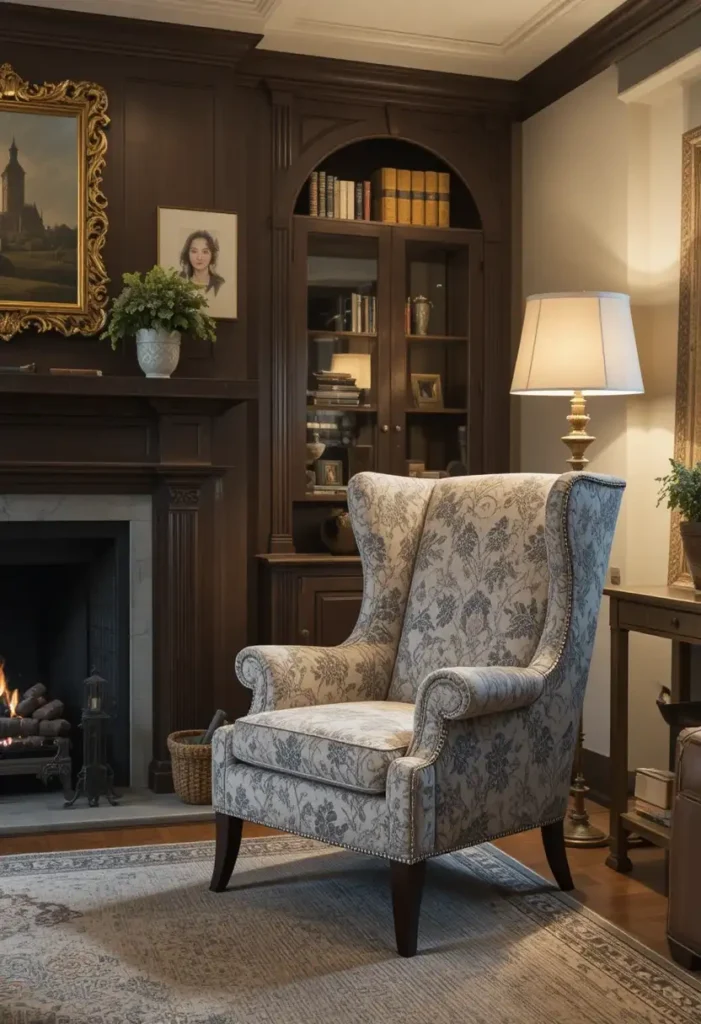
A wingback accent chair adds height and quiet elegance to a living room. Its tall back and side “wings” frame the seat, making it feel supportive and substantial.
This works especially well in rooms that need vertical balance, particularly if most furniture sits low. The shape naturally draws the eye upward.
Tip: place it near a fireplace or window for a timeless look.
Common mistake: choosing an oversized version for a small room. Measure ceiling height and floor space before committing.
9. Add a Barrel Chair for Soft Curves
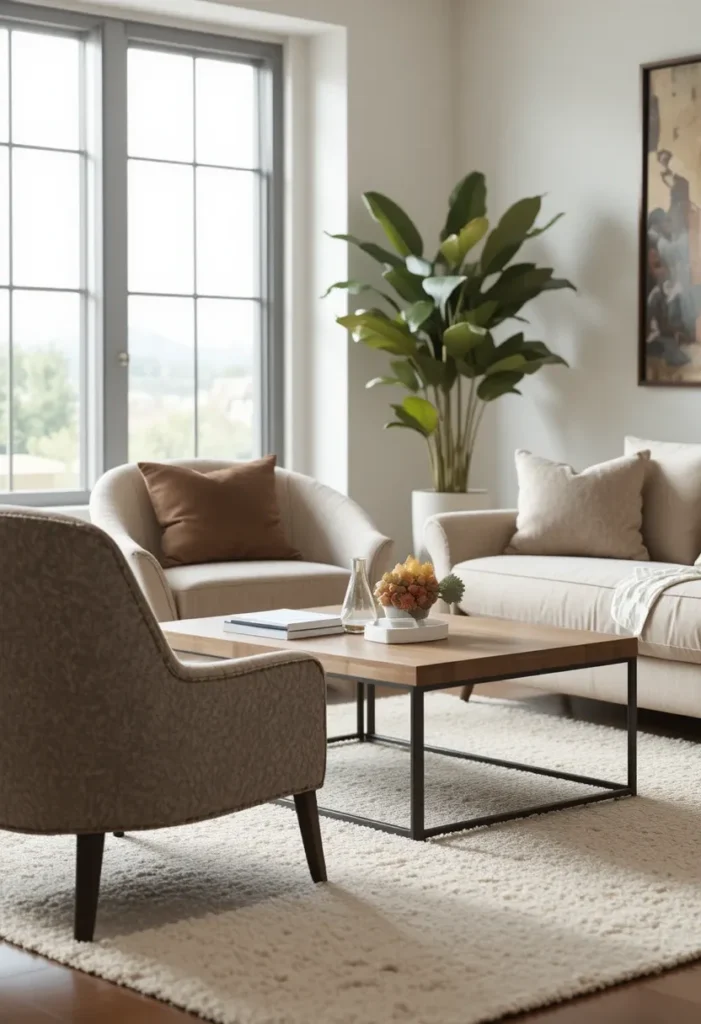
Barrel chairs have rounded backs that gently wrap around the seat. They soften sharp lines from square sofas or angular coffee tables.
This works because curved furniture creates flow and makes a room feel more welcoming. It’s a subtle way to reduce visual rigidity.
Tip: use a pair of barrel chairs in a conversation area for balance.
Common mistake: placing them too far from the sofa. Keep seating close enough for easy conversation.
10. Use a Light Fabric Chair to Brighten Dark Spaces
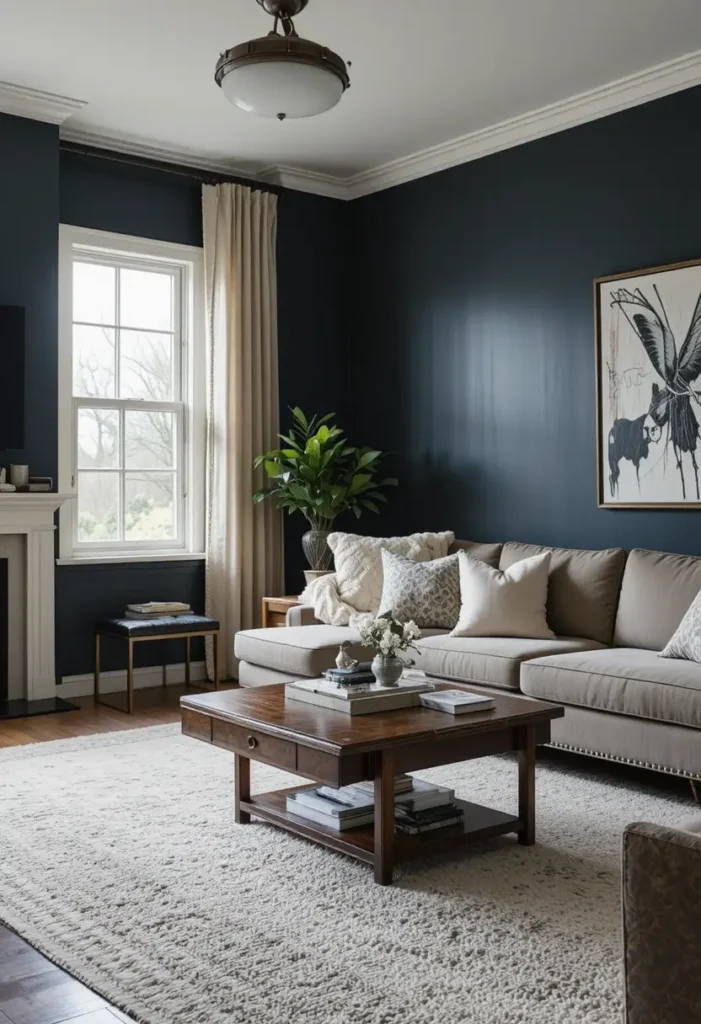
If your living room feels heavy or dim, a light-colored accent chair in cream, beige, or soft gray can instantly lift it.
This works because lighter tones reflect more light and visually open the space.
Tip: choose performance fabric if the chair will get daily use.
Common mistake: selecting very delicate material for high-traffic areas. Practicality matters just as much as appearance.
Also Read This Blog: Curtains Living Room: 15 Expert Tips for Style & Comfort
11. Introduce a Textured Chair for Depth
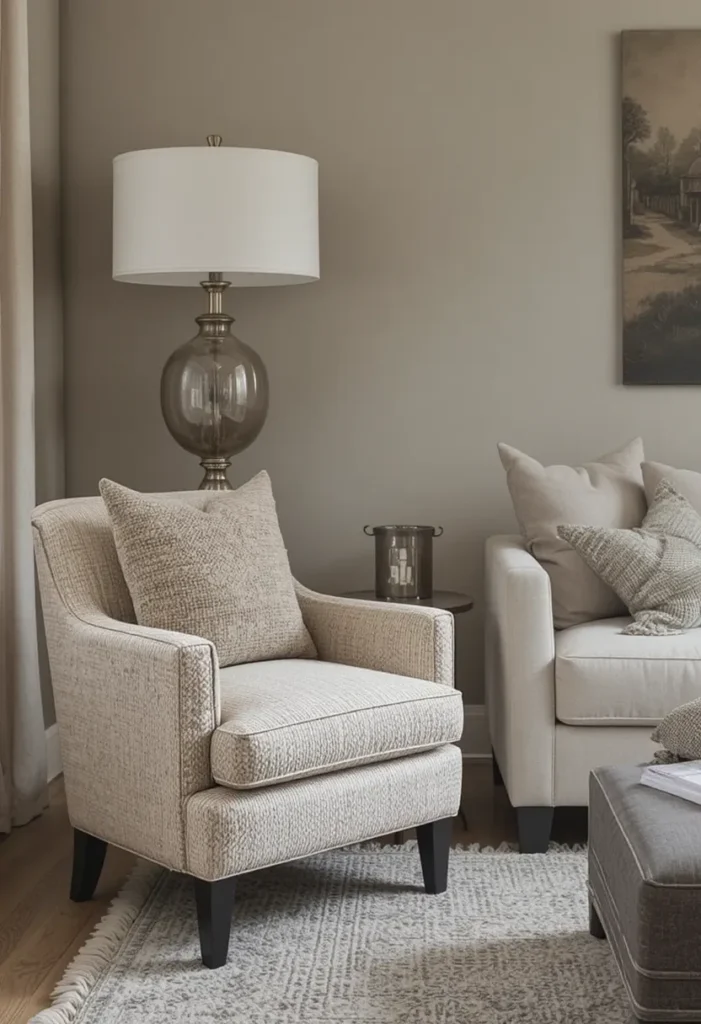
Texture adds quiet richness. Think boucle, velvet, woven linen, or even cane-backed chairs.
This works well in neutral spaces that feel flat. Texture creates interest without relying on bold color.
Tip: balance textured upholstery with smoother elements nearby.
Common mistake: layering too many heavy textures in one area. Keep the overall feel cohesive and breathable.
12. Float an Accent Chair Away from the Wall
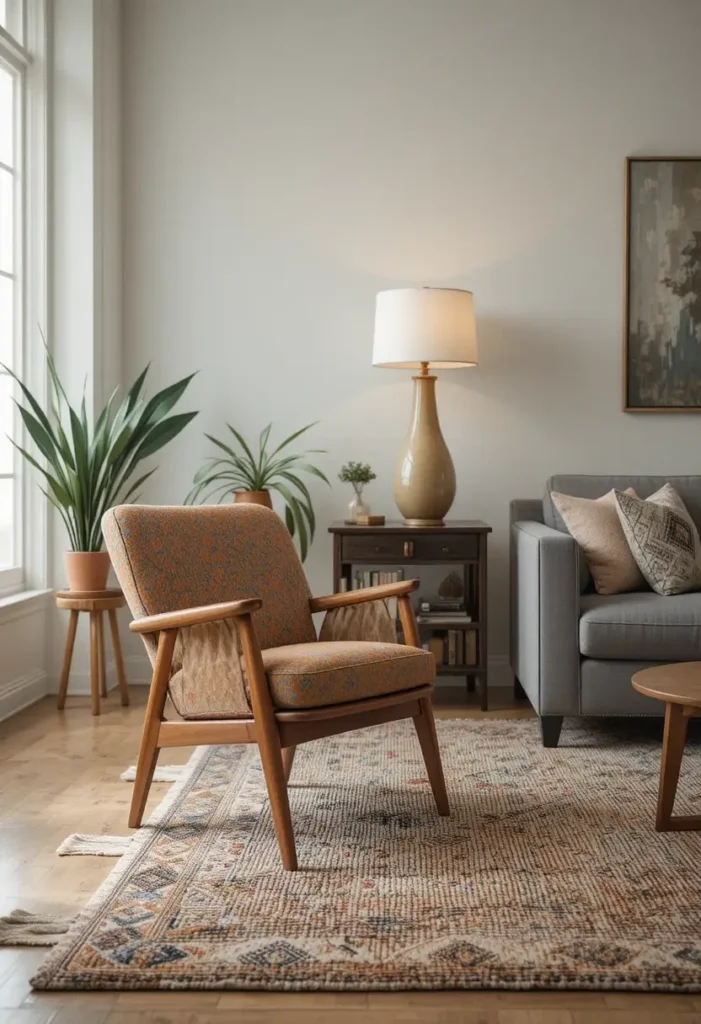
Many people automatically push chairs against walls. Floating an accent chair slightly forward makes the layout feel more intentional.
This works because it connects the chair to the main seating area instead of isolating it.
Tip: anchor the space with a rug large enough to support all front legs of nearby furniture.
Common mistake: floating a chair without grounding it visually. A rug or side table keeps it from looking random.
13. Add a Reclining Accent Chair for Comfort
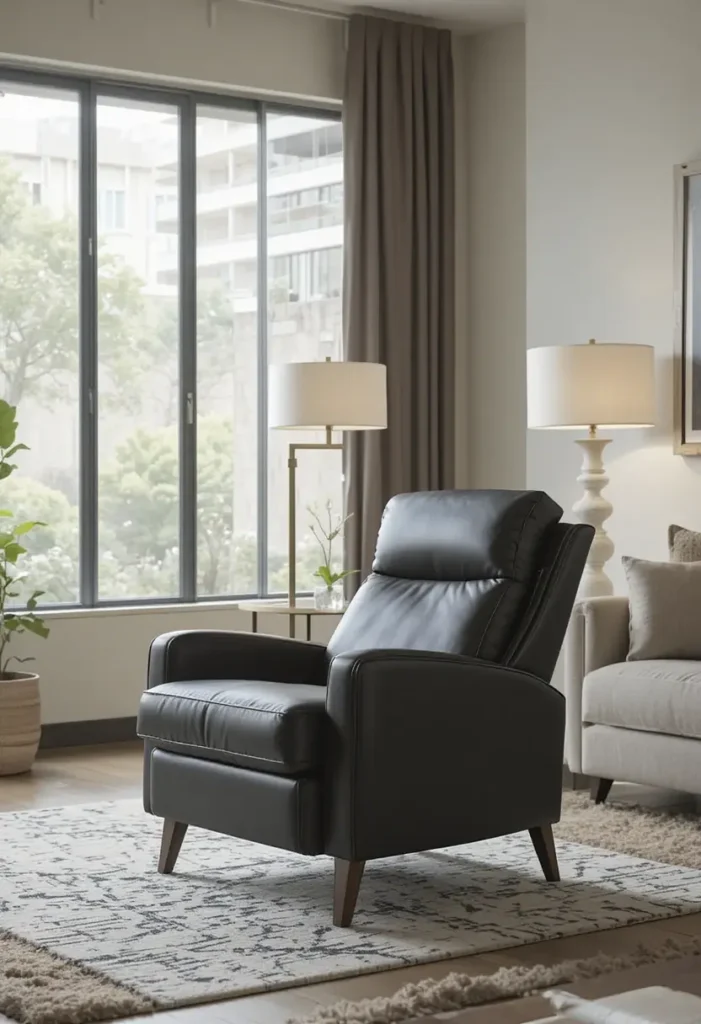
Reclining accent chairs have become much more streamlined than older bulky versions. They offer comfort without sacrificing style.
This works especially well in living rooms used for relaxing evenings. It blends function with thoughtful design.
Tip: test the reclining depth to ensure there’s enough space behind it.
Common mistake: ignoring clearance measurements. Always check how far it extends when fully reclined.
14. Choose a Chair with Exposed Wood or Metal Legs
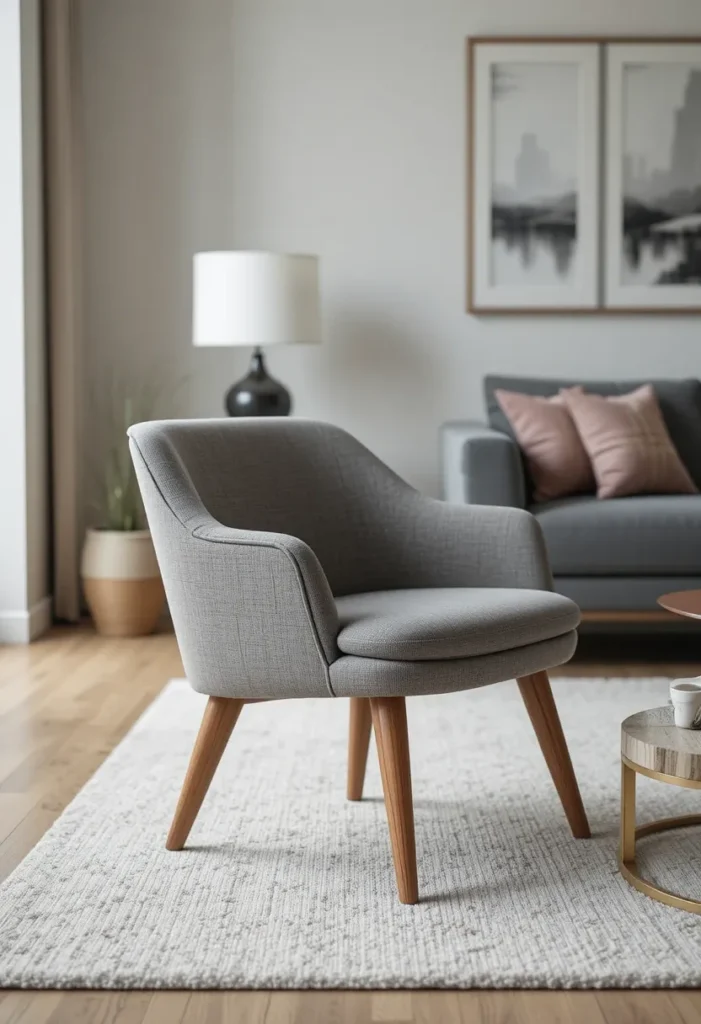
Exposed legs give an accent chair a lighter, more open look. Wood adds warmth, while metal feels modern and clean.
This works because visible space underneath furniture makes rooms feel larger and less crowded.
Tip: match the leg finish loosely with other elements in the room for cohesion.
Common mistake: mixing too many finishes without repetition. A little coordination goes a long way.
Also Read This Blog: Living Room with Fireplace: 15 Smart Design Ideas
15. Use an Accent Chair to Define a Zone
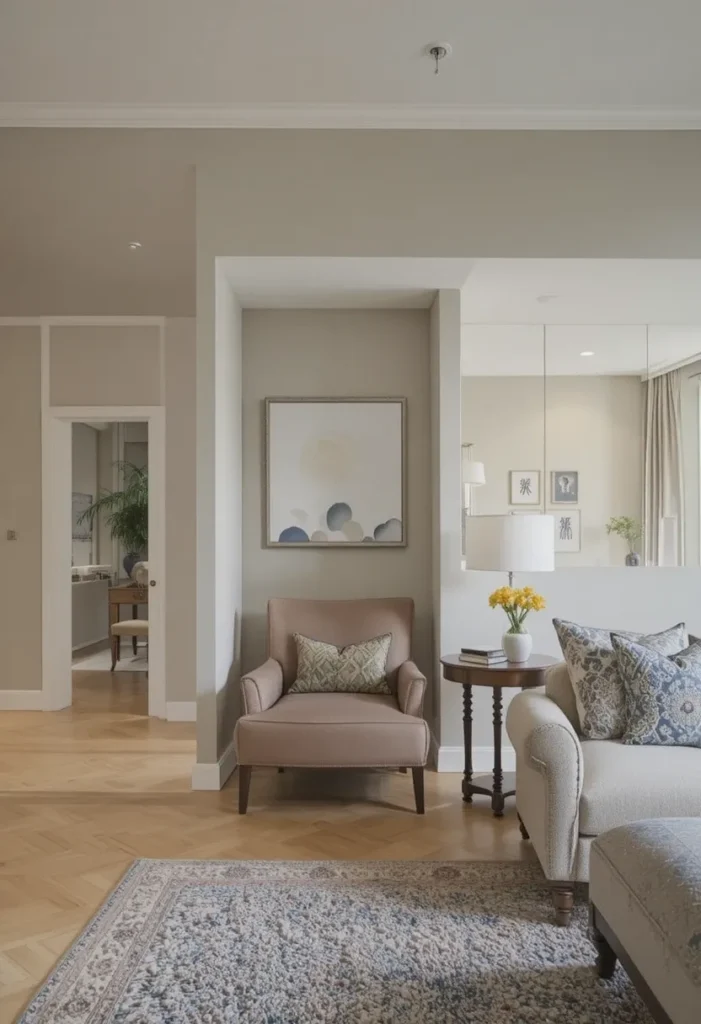
In open-concept homes, accent chairs can help define areas without walls. A well-placed chair can signal a reading corner or conversation space.
This works because furniture placement subtly guides how the room is used.
Tip: angle the chair toward the main seating rather than facing outward.
Common mistake: placing it in a way that blocks natural walkways. Always prioritize flow first.
16. Mix and Match Chairs for an Eclectic Look
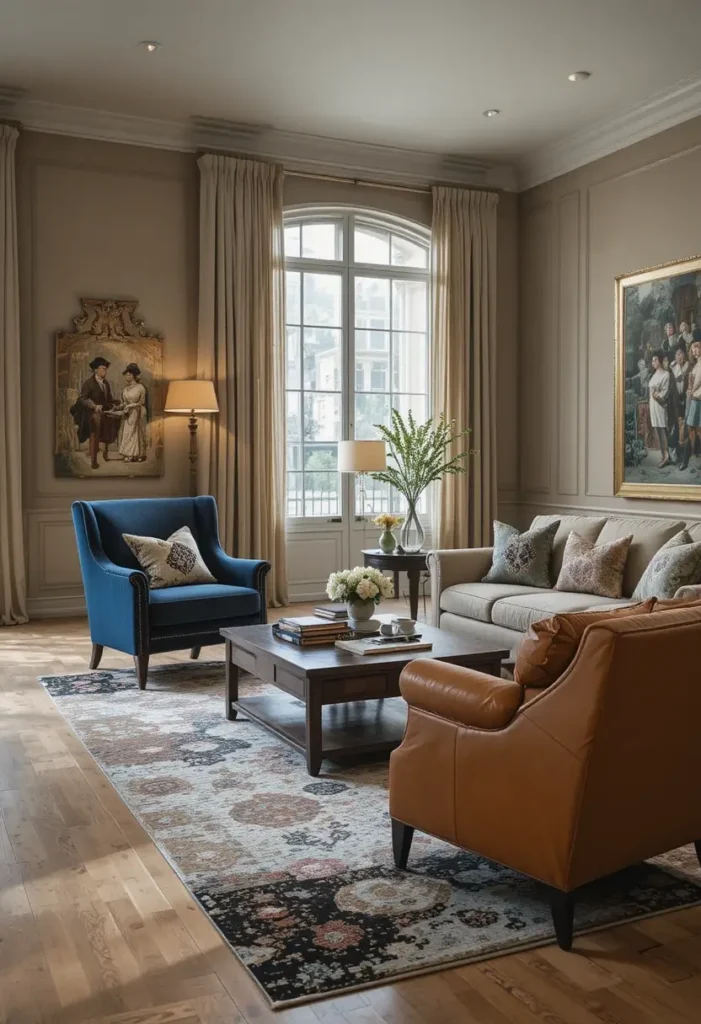
Instead of using identical chairs, try pairing different styles, colors, or textures. For example, a velvet armchair beside a sleek leather club chair adds a layered personality.
This works because controlled variation keeps the room visually interesting and shows thoughtfulness in styling. It’s perfect for open-concept or large living rooms that can handle more visual play.
Tip: repeat a color or material from one chair elsewhere in the room to tie the look together.
Common mistake: mixing too many wildly different pieces. Limit contrasts to two or three variations to maintain cohesion.
Conclusion
Accent chairs do more than fill empty space — they shape how your living room looks and feels. Whether you add bold color, soft curves, classic structure, or practical comfort, the key is thoughtful placement and proportion. Start by identifying what your room needs: balance, warmth, flexibility, or personality. Then choose a chair that supports that goal. With careful sizing and intentional styling, even one well-chosen accent chair can make your space feel complete and confidently designed.