One Wall Kitchen with Island: 14 Smart Ideas That Actually Work
A one wall kitchen with island can look simple at first glance — just cabinets along one wall and an island in front. But when done well, it feels open, efficient, and surprisingly luxurious.
If you’re working with an apartment, loft, or open-plan home, this layout can save space without sacrificing function. The key is planning carefully so it doesn’t feel cramped or disconnected. Let’s walk through smart, practical ideas that make this layout truly work in real homes.
1. Keep the Main Wall Clean and Streamlined
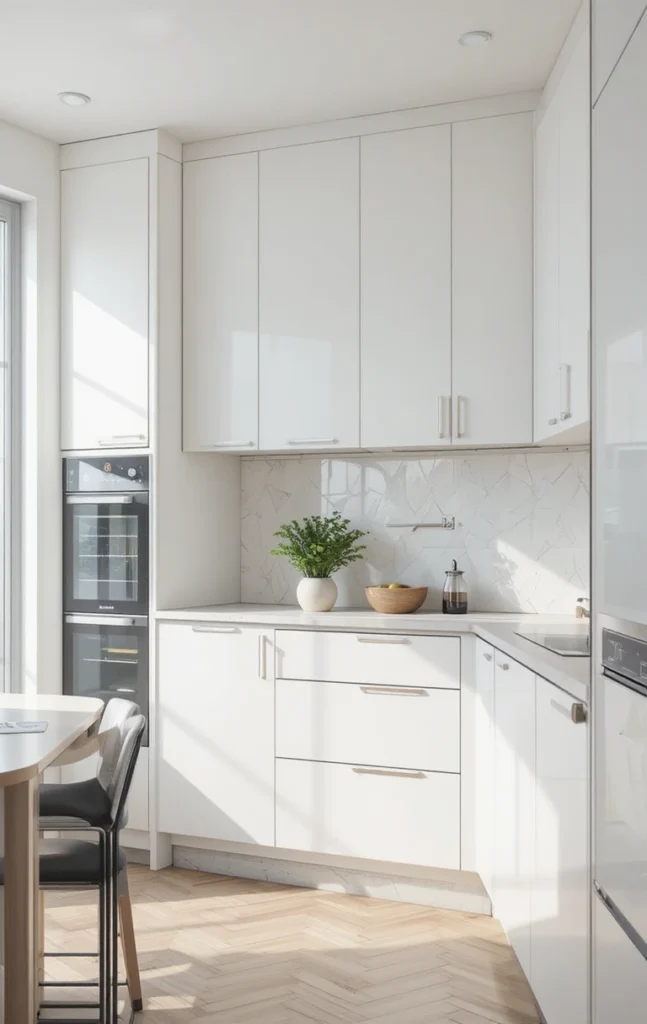
A one wall kitchen means everything — sink, stove, storage — lives along a single wall. Keeping this wall visually clean helps the entire space feel calm and organized.
Flat-front cabinets, minimal hardware, and a simple backsplash prevent visual clutter. If the wall feels busy, the whole kitchen feels chaotic.
Tip: Choose integrated appliances to maintain a seamless look.
Mistake to avoid: Mixing too many finishes on one wall. It makes the layout feel crowded instead of intentional.
2. Use the Island as Your Real Workhorse
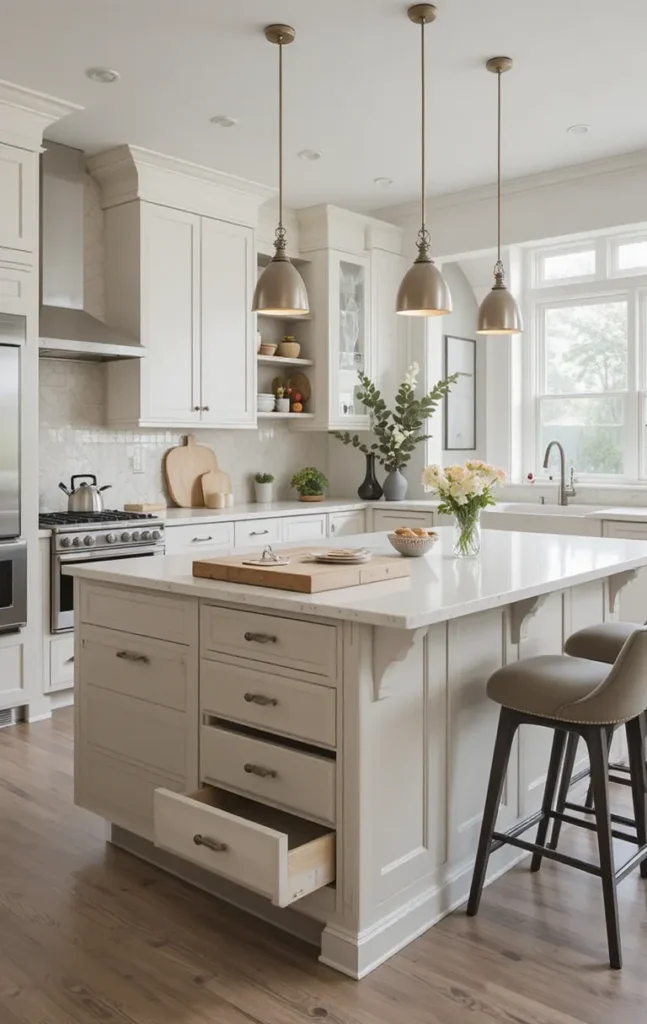
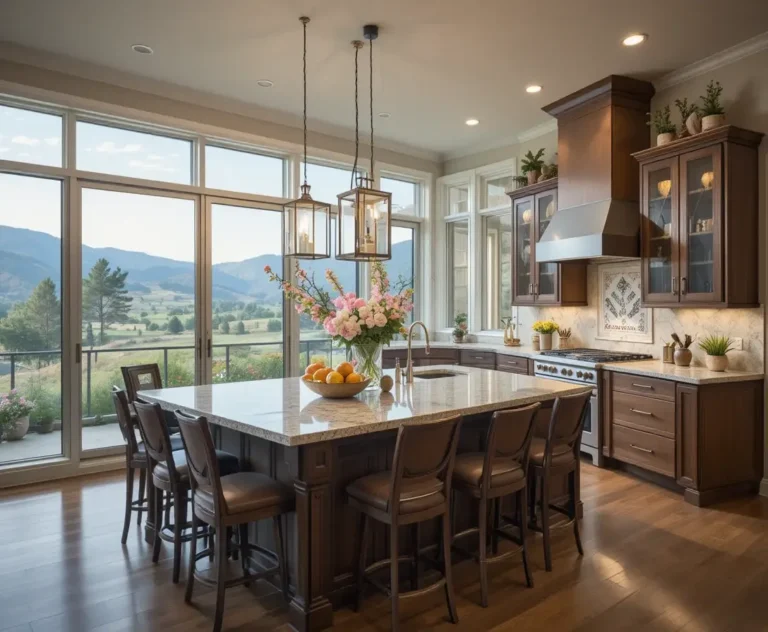
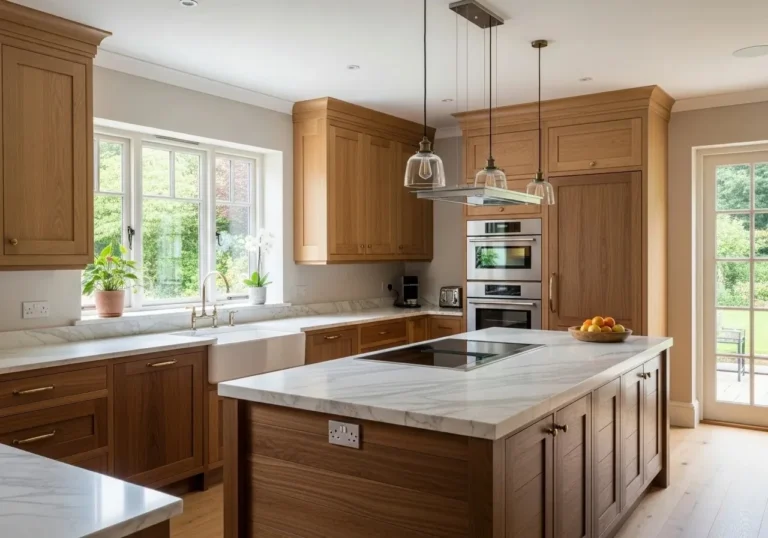
In this layout, the island often carries more responsibility than in traditional kitchens. It can become your prep zone, seating area, or even contain the sink or cooktop.
This works because it balances the single wall and prevents the kitchen from feeling like a “line” instead of a space.
Tip: If possible, add drawers on both sides of the island.
Mistake to avoid: Making the island purely decorative with no storage or function.
3. Maintain Proper Walking Space
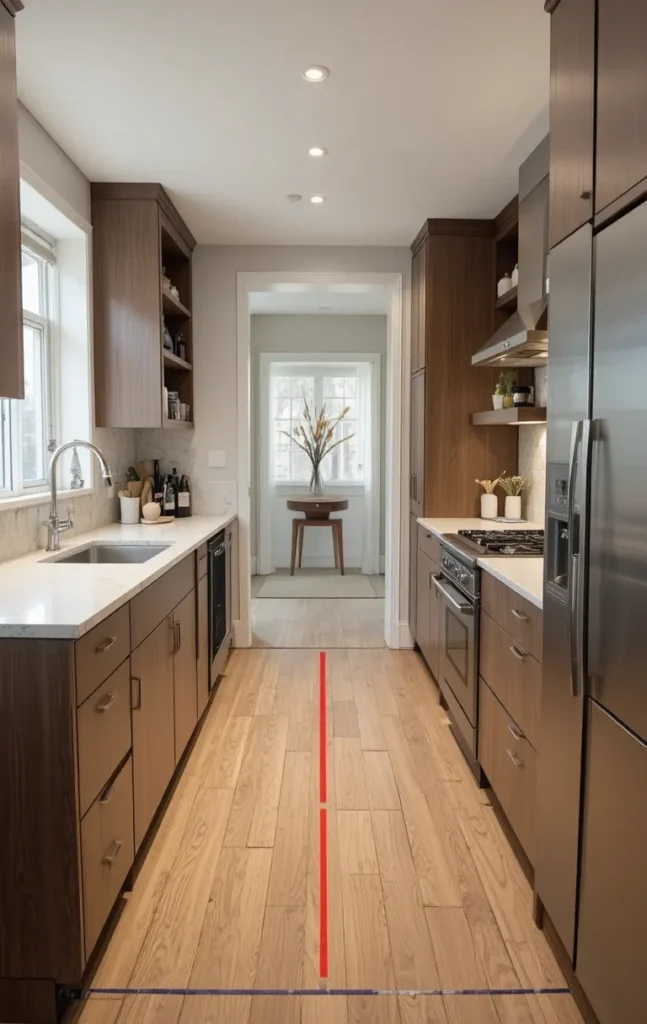
Spacing is everything in a one wall kitchen with island. Ideally, you want 36–42 inches between the wall cabinets and the island.
This ensures comfortable movement while cooking and prevents bumping into others.
Tip: Mark the layout on the floor with painter’s tape before committing.
Mistake to avoid: Oversizing the island and shrinking the walkway. It quickly becomes frustrating.
4. Anchor the Layout with a Statement Island
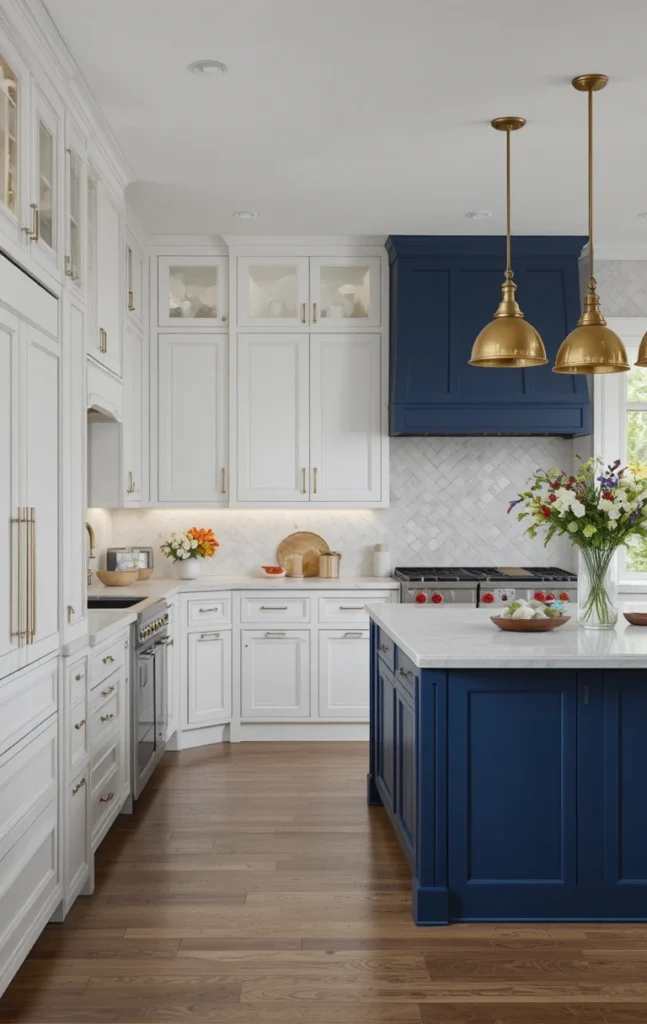
Because the cabinetry sits on one wall, the island becomes the visual anchor. A contrasting color or different countertop material can add depth.
For example, white wall cabinets paired with a navy or wood island feel grounded and balanced.
Tip: Add pendant lights above the island to define it clearly.
Mistake to avoid: Making the island the same color and tone as everything else — it can look flat.
Also Read This Blog: 15 Kitchen Sink Ideas That Make Everyday Cooking Easier and More Stylish
5. Add Vertical Storage to Maximize the Wall
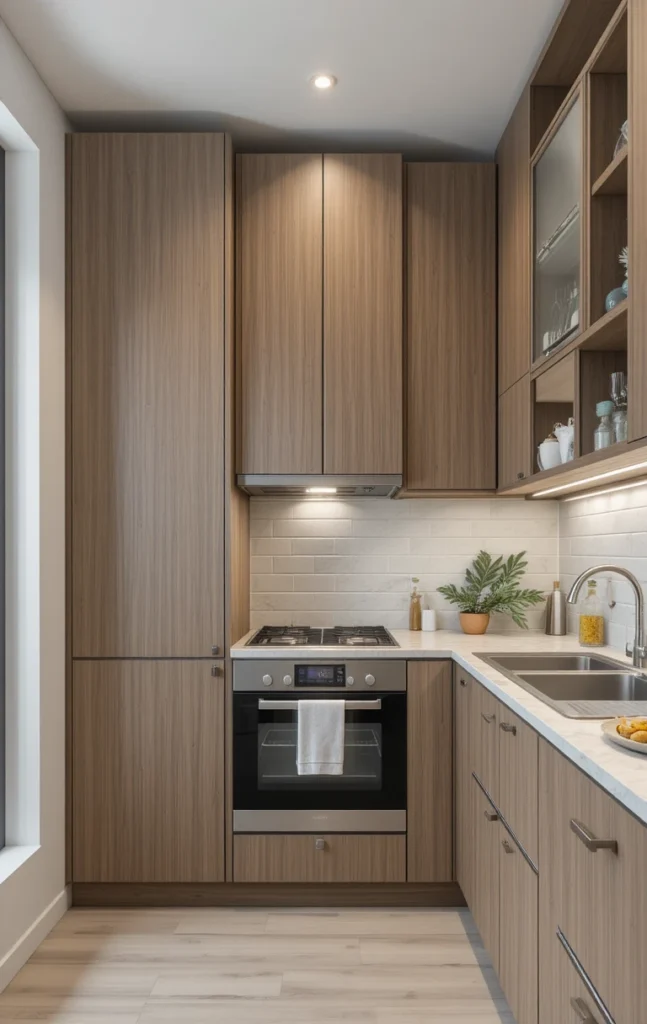
Since you only have one main wall, using height wisely is essential. Tall cabinets or stacked uppers increase storage without expanding the footprint.
This works especially well in small apartments.
Tip: Use upper cabinets for rarely used items and keep daily essentials in lower drawers.
Mistake to avoid: Leaving too much empty wall space and then struggling with clutter later.
6. Keep the Work Triangle Practical
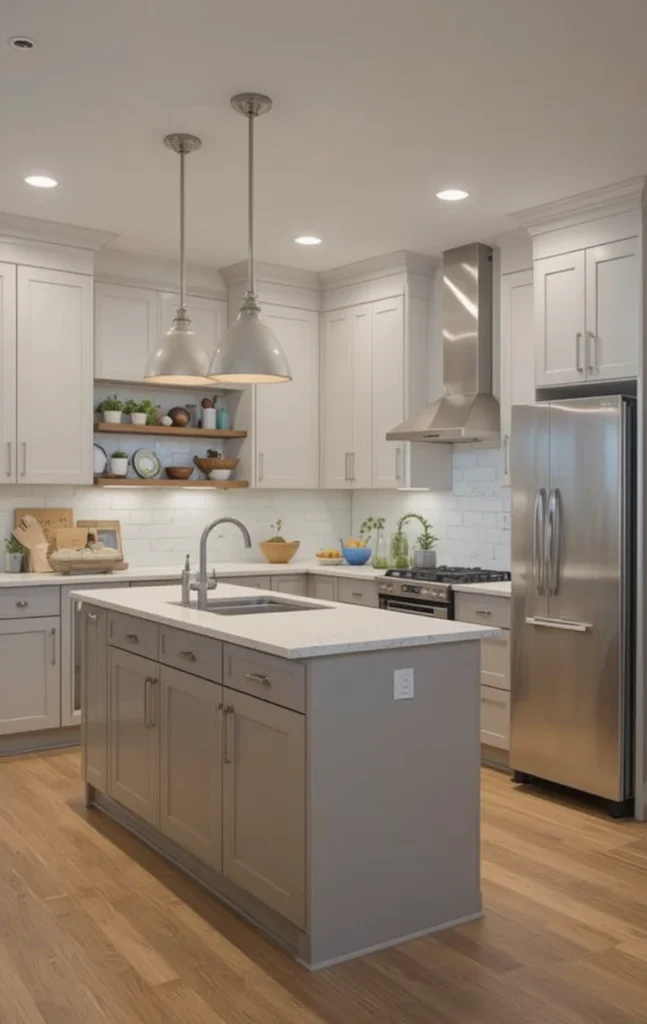
Traditional kitchens rely on a triangle between sink, stove, and fridge. In this layout, it becomes more of a straight line plus island.
Placing the sink on the island and the stove on the wall can create better flow.
Tip: Avoid placing the fridge and oven at opposite extremes of the wall.
Mistake to avoid: Ignoring workflow entirely — even simple layouts need logic.
7. Make the Island Multi-Functional
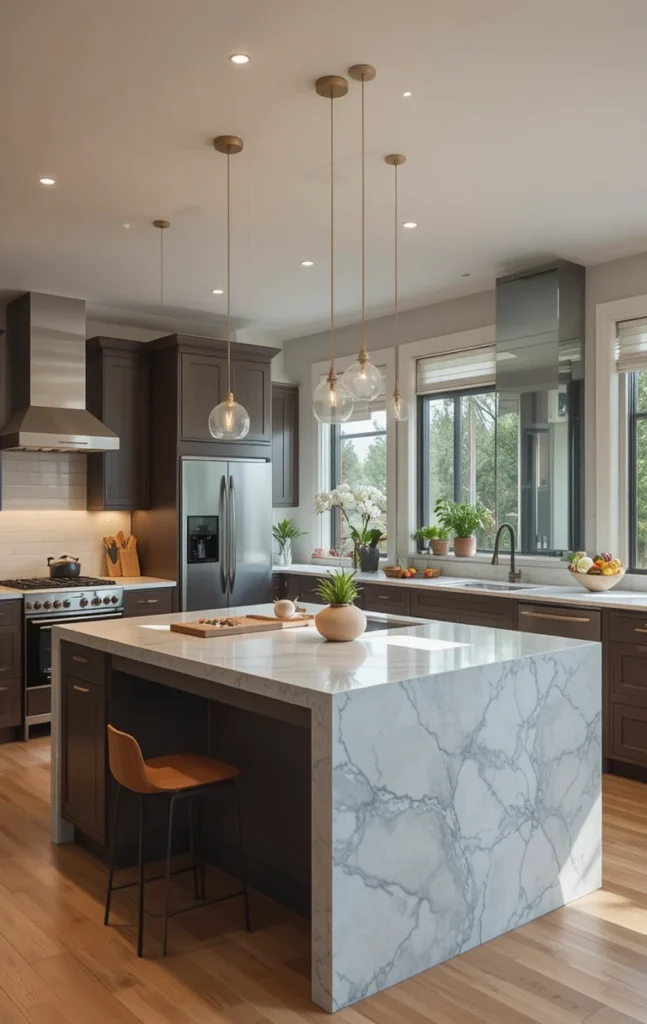
In open-plan homes, the island often acts as a divider between kitchen and living space. It can be prep station, breakfast bar, homework desk, and entertaining zone.
This flexibility is what makes the layout so appealing.
Tip: Add an overhang for comfortable seating.
Mistake to avoid: Forgetting about knee space under the countertop.
8. Use Lighting to Define the Zones
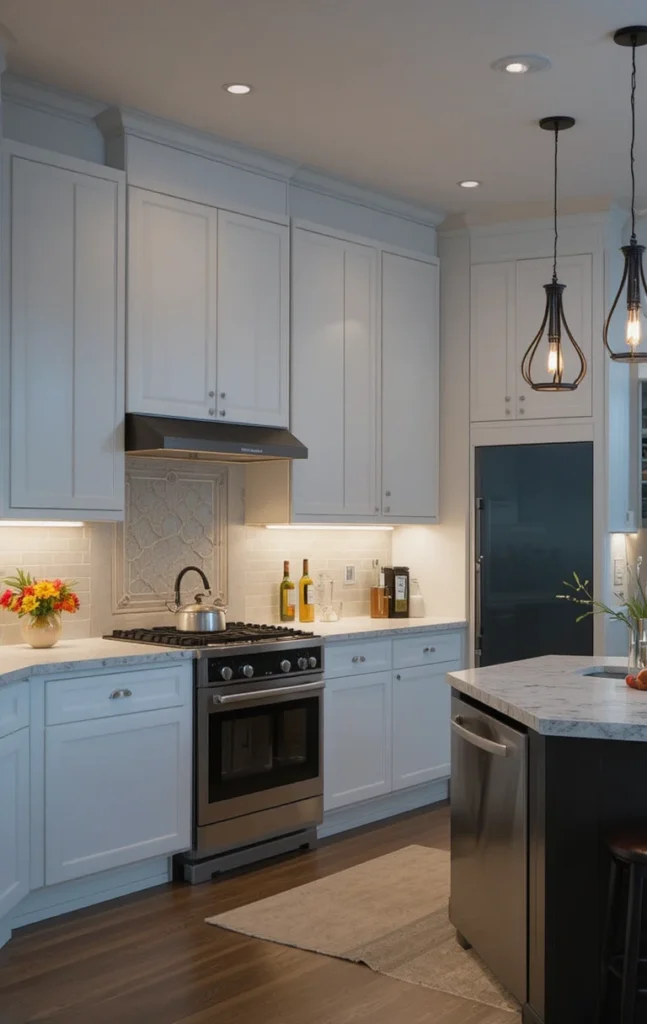
Because the kitchen is linear, lighting helps create depth. Under-cabinet lighting brightens the wall, while pendants highlight the island.
This layered lighting prevents the layout from looking flat.
Tip: Choose dimmable fixtures to shift from cooking mode to entertaining mode.
Mistake to avoid: Relying on one overhead light only — it makes everything feel unfinished.
Also Read This Blog: 18 Kitchen Island Lighting Ideas That Actually Work
9. Choose the Right Island Size for Your Space
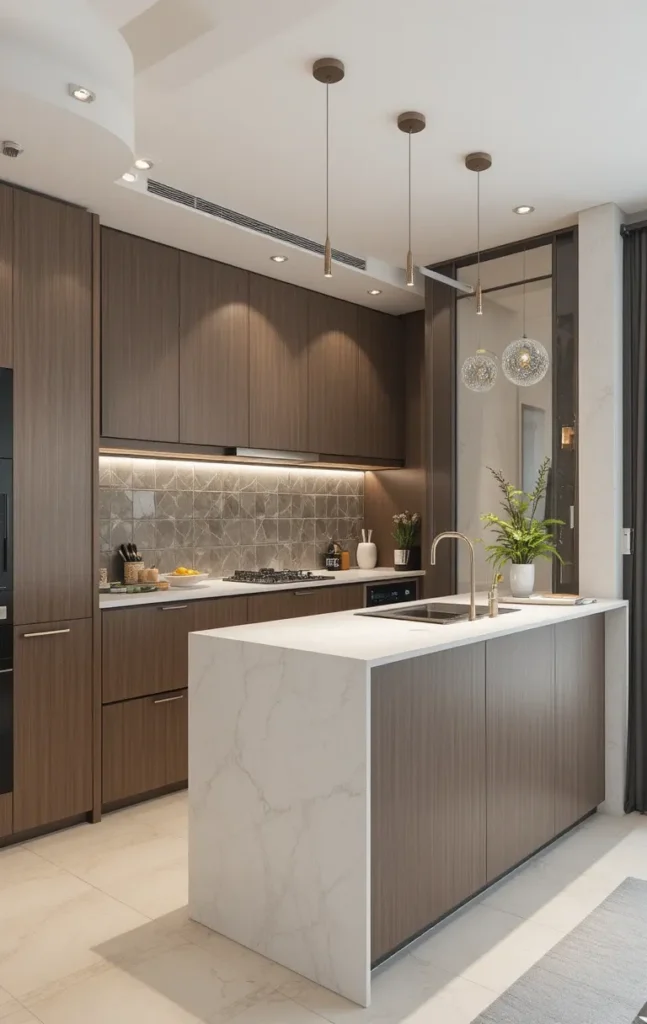
Not every kitchen needs a massive island. In smaller homes, a slim rectangular island works better than a chunky square one.
Proportion matters more than size.
Tip: Leave at least 24 inches of depth for usable prep space.
Mistake to avoid: Cramming in an island just because it looks good in photos.
10. Incorporate Open Shelving Carefully
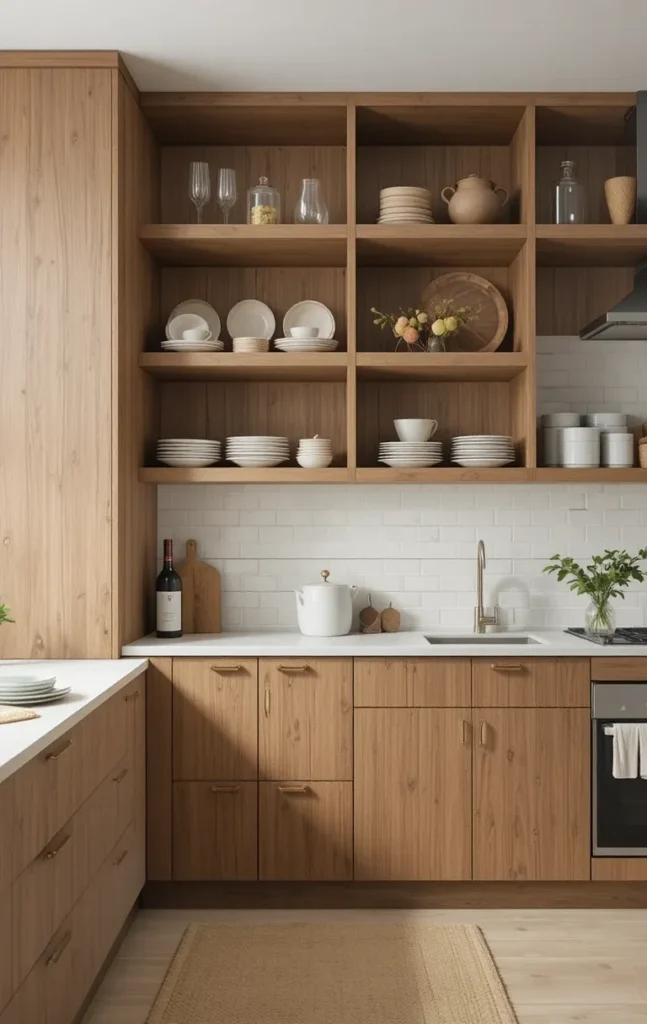
Open shelving can break up the visual heaviness of a long cabinet wall. It keeps the kitchen feeling airy.
However, it requires discipline.
Tip: Use open shelves for decorative but practical items like everyday dishes.
Mistake to avoid: Overloading shelves with random décor — clutter is amplified in this layout.
Also Rea This Blog: Kitchen Layout Ideas with Island: 15 Tips for Function and Style
11. Use the Island for Hidden Storage
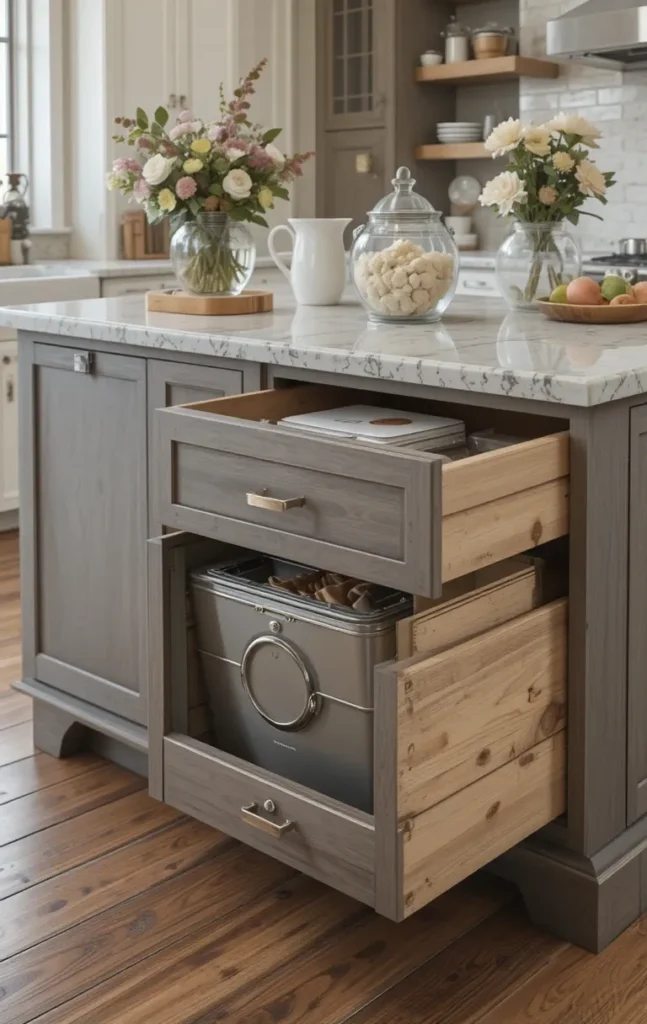
A one wall kitchen often lacks pantry space. Deep island drawers can solve this problem beautifully.
Pull-out bins, spice drawers, and hidden trash compartments improve organization.
Tip: Plan internal drawer organizers from the beginning.
Mistake to avoid: Installing shallow cabinets that don’t maximize the island’s depth.
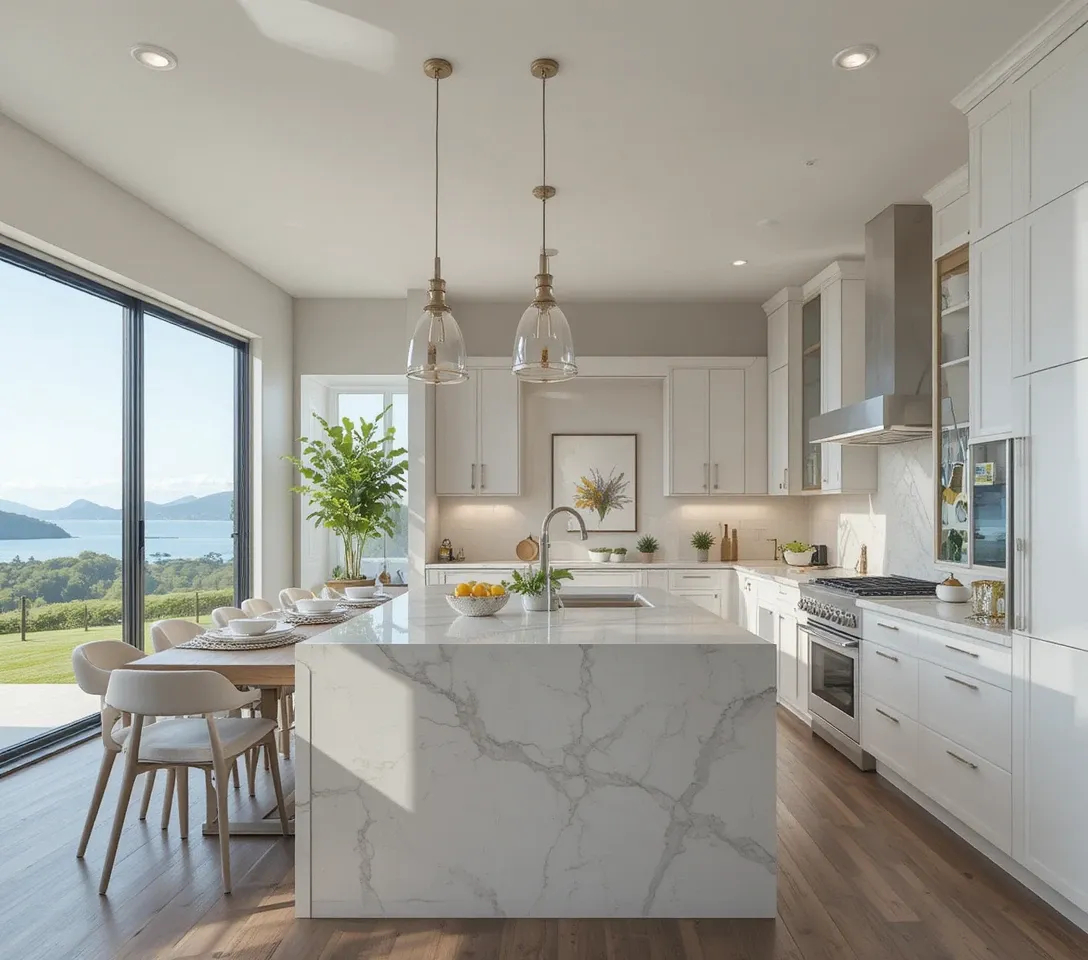
12. Consider a Waterfall Countertop for Impact
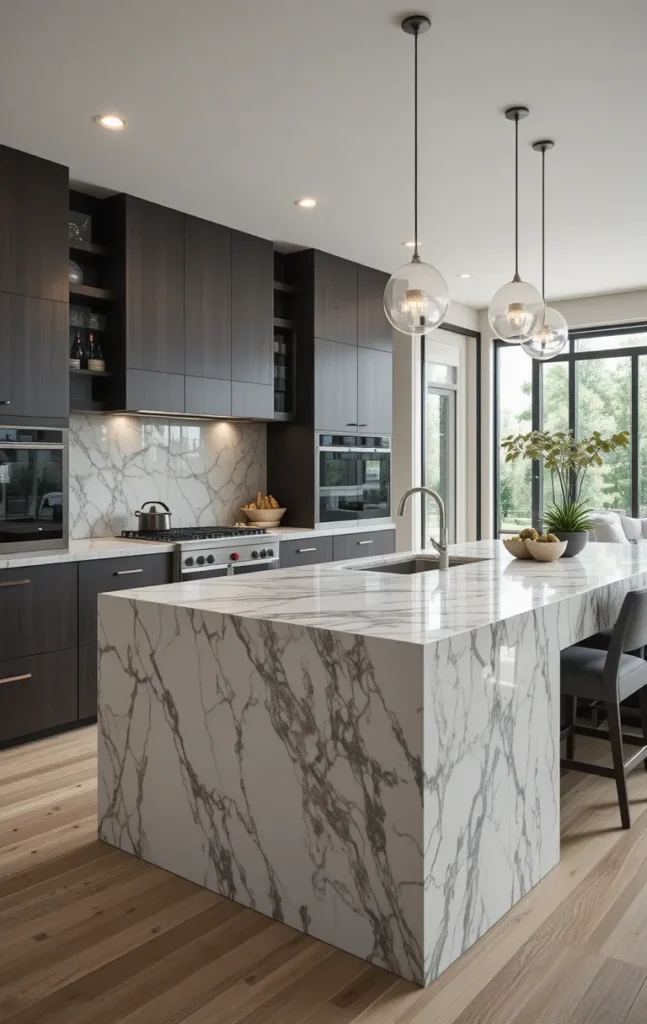
A waterfall edge on the island adds structure and elegance. It visually grounds the space and creates a focal point.
This works particularly well in open-concept homes.
Tip: Choose durable materials like quartz for high-traffic islands.
Mistake to avoid: Using delicate materials that chip easily at corners.
Also Read This Blog: U-Shaped Kitchen with Island: 15 Ideas to Maximize Style and Functionality
13. Blend the Kitchen into the Living Area
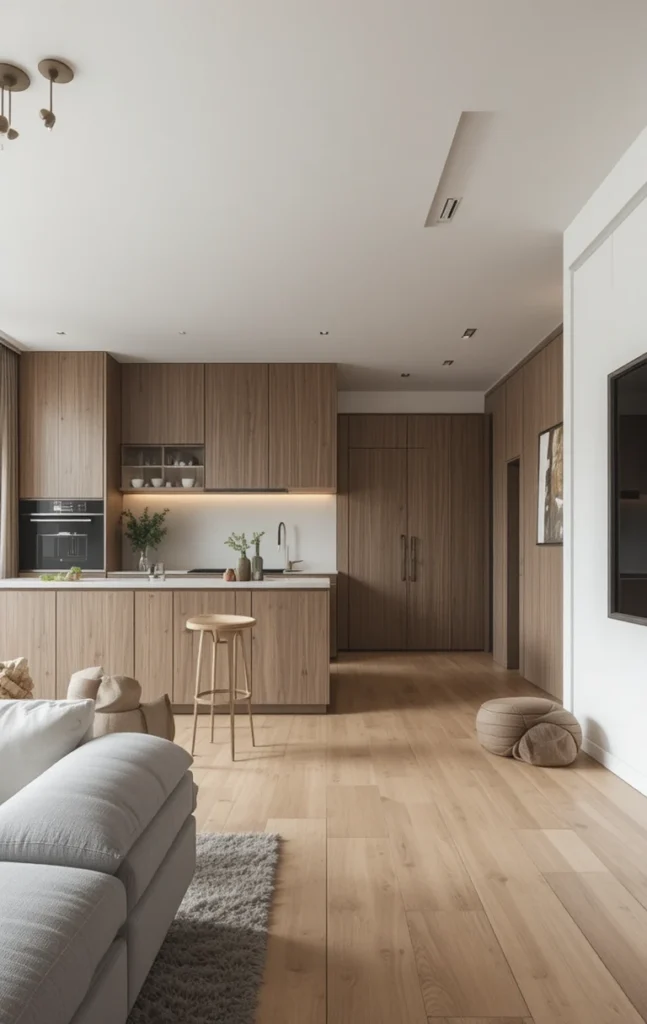
In open layouts, a one wall kitchen with island shouldn’t feel separate. Matching cabinet colors with nearby furniture tones helps create harmony.
For example, repeating wood tones from the living room in the island cabinetry creates flow.
Tip: Keep hardware finishes consistent across the space.
Mistake to avoid: Treating the kitchen like a different design world.
14. Keep Clutter Off the Main Wall
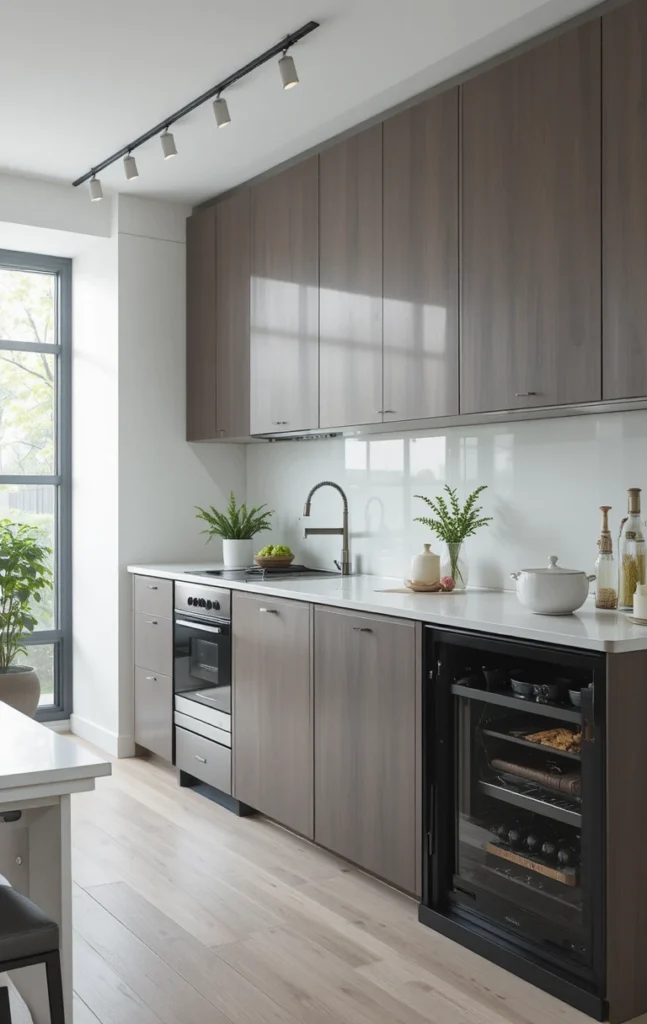
Because everything is visible, countertop clutter becomes very noticeable. Limiting appliances on display keeps the design clean.
Use appliance garages or dedicate a section of the island for small appliances.
Tip: Store rarely used appliances inside cabinets.
Mistake to avoid: Lining the entire wall with gadgets — it defeats the simplicity of the layout.
Conclusion
A one wall kitchen with island proves that small or streamlined layouts don’t have to feel limiting. When planned thoughtfully, this design feels modern, efficient, and welcoming.
Focus on proportion, storage, lighting, and flow rather than trends. Let the island carry both function and personality, while keeping the wall calm and intentional. With the right balance, this layout can feel spacious and beautifully connected to the rest of your home — practical for everyday life and perfect for gathering.