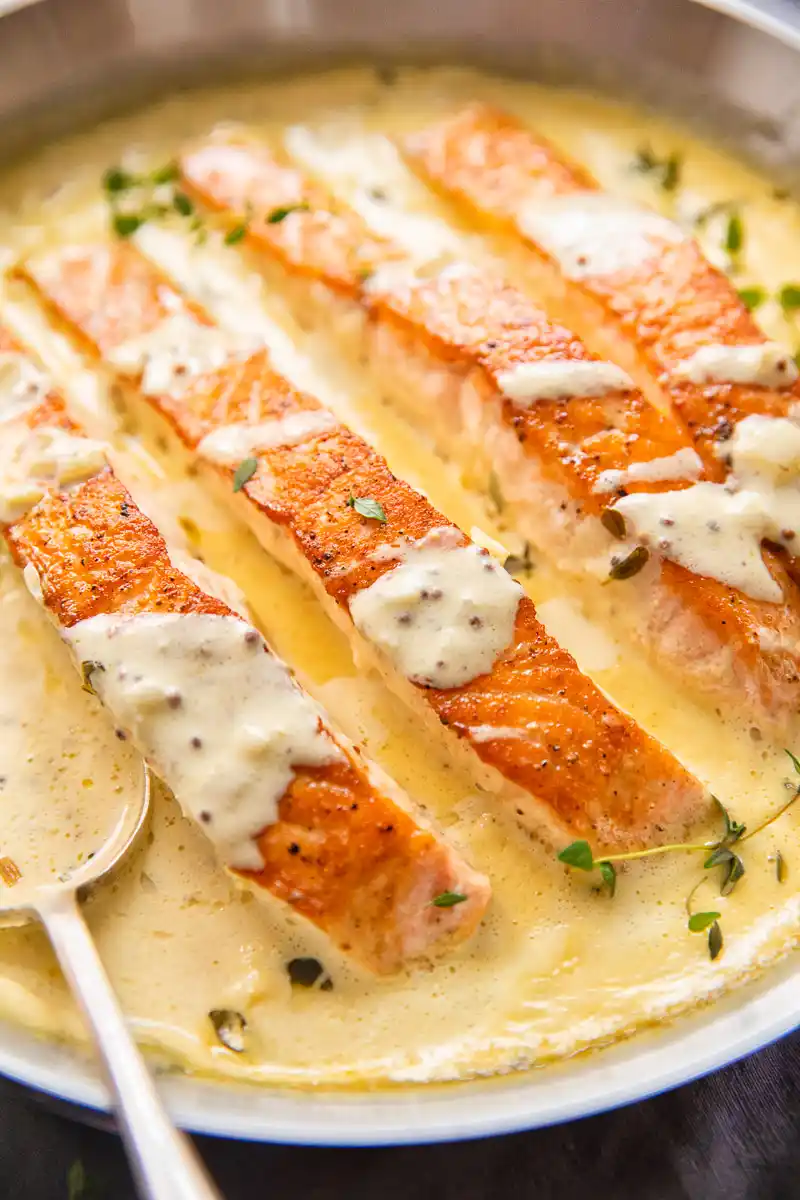
Sauce for Salmon That Fixes the Usual Problems (Without Overpowering the Fish)
If you searched for a sauce for salmon, there’s a good chance something went wrong last time.
Maybe the sauce tasted fine on its own but completely drowned the fish. Maybe it split, turned grainy, or felt oddly sweet once it hit the pan-seared salmon. Or maybe the salmon itself was cooked well, but the sauce just didn’t belong there.
Salmon is rich and delicate at the same time. Most sauces fail because they ignore that balance. What you want is something that supports the fish, not something that competes with it.
This recipe was developed to do exactly that.
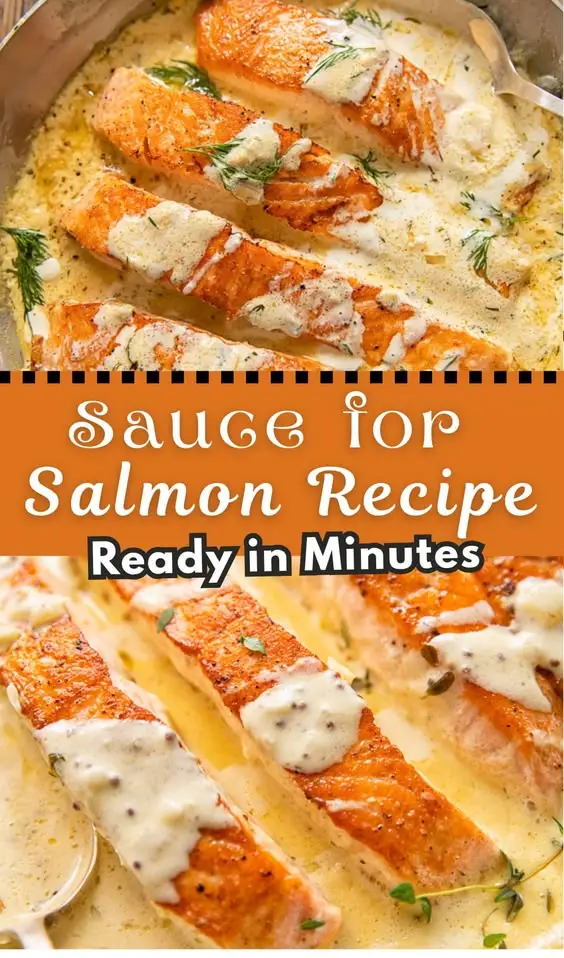
Why This Sauce Works for Salmon
This sauce is built around balance: gentle acidity to cut the richness, fat to carry flavor, and restrained sweetness so the salmon still tastes like salmon. It’s designed to stay smooth, hold together, and adapt whether your fish is pan-seared, baked, or grilled.
Nothing here relies on tricks or heavy ingredients. The logic is simple, and once you understand it, the sauce becomes reliable instead of stressful.
When You Should and Should Not Use This Sauce
This sauce is a good choice when:
- Your salmon is simply seasoned (salt, pepper, maybe lemon)
- You’re cooking fresh or good-quality frozen salmon
- You want a sauce that works for weeknight cooking, not restaurant plating
You may not need this sauce when:
- The salmon is already heavily marinated or glazed
- You’re serving smoked salmon or cured salmon
- The dish already includes strong flavors like teriyaki or barbecue
Knowing when not to add a sauce is part of cooking well. This one is meant to support, not rescue, poorly cooked fish.
What Makes This Sauce for Salmon Different
Most salmon sauces fail for two reasons.
First, they lean too sweet or too acidic, which clashes with the fish’s natural oils.
Second, they’re rushed over high heat, causing separation or harsh flavors.
This recipe avoids both problems by:
- Building flavor gently before adding richness
- Controlling heat at the right moments
- Adding acidity at the end, not the beginning
The result is a sauce that tastes integrated, not layered.
Ingredients and Why Each One Matters
- Butter or olive oil – Provides richness and helps flavors carry across the fish
- Shallot or mild onion – Adds depth without sharpness
- Garlic – Used lightly to avoid bitterness
- Cream or stock – Creates body; stock keeps it lighter, cream makes it silkier
- Mustard or miso (small amount) – Adds savory depth without standing out
- Lemon juice or mild vinegar – Balances fat and wakes up the sauce
- Salt and black pepper – Adjusted gradually, never all at once
Every ingredient has a role. Nothing is decorative.
Also Read This Blog: Olive Garden Alfredo Sauce Recipe That Fixes Common Home-Cooking Problems
One Critical Technique Before You Start
Before cooking, decide how thick you actually want the sauce.
Many people over-reduce early, then panic and thin it out later. Instead:
- Keep the sauce slightly looser than you think you need
- Remember it will thicken as it cools and when it hits hot salmon
Also, keep the heat moderate. High heat is the fastest way to break a sauce like this.
Step-by-Step Instructions
- Place a saucepan over medium-low heat.
- Add butter or olive oil and let it warm gently.
- Add the shallot and cook until soft, not browned.
- Add garlic and stir for about 30 seconds, just until fragrant.
- Pour in cream or stock and stir slowly to combine.
- Let the sauce simmer gently, never boil hard.
- Add mustard or miso and whisk until smooth.
- Reduce heat to low and let it thicken gradually.
- Taste, then season lightly with salt and pepper.
- Remove from heat and add lemon juice at the end.
Take your time here. Rushing is what causes most failures.
What the Sauce Should Look and Taste Like
- Early stage: Thin, pale, slightly aromatic
- Mid stage: Smooth, lightly coating the back of a spoon
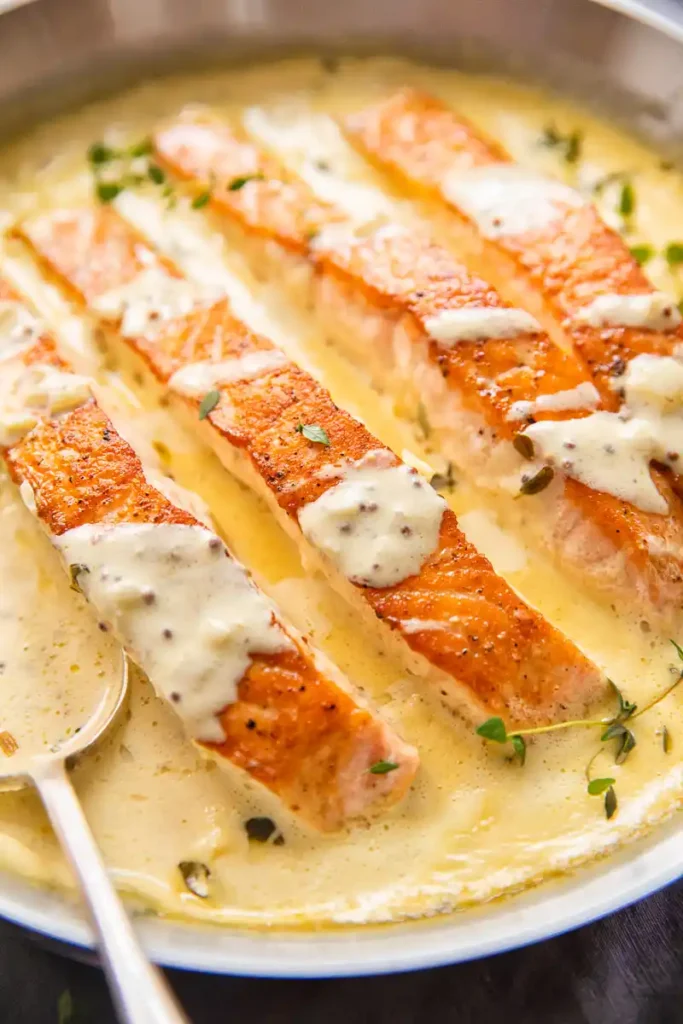
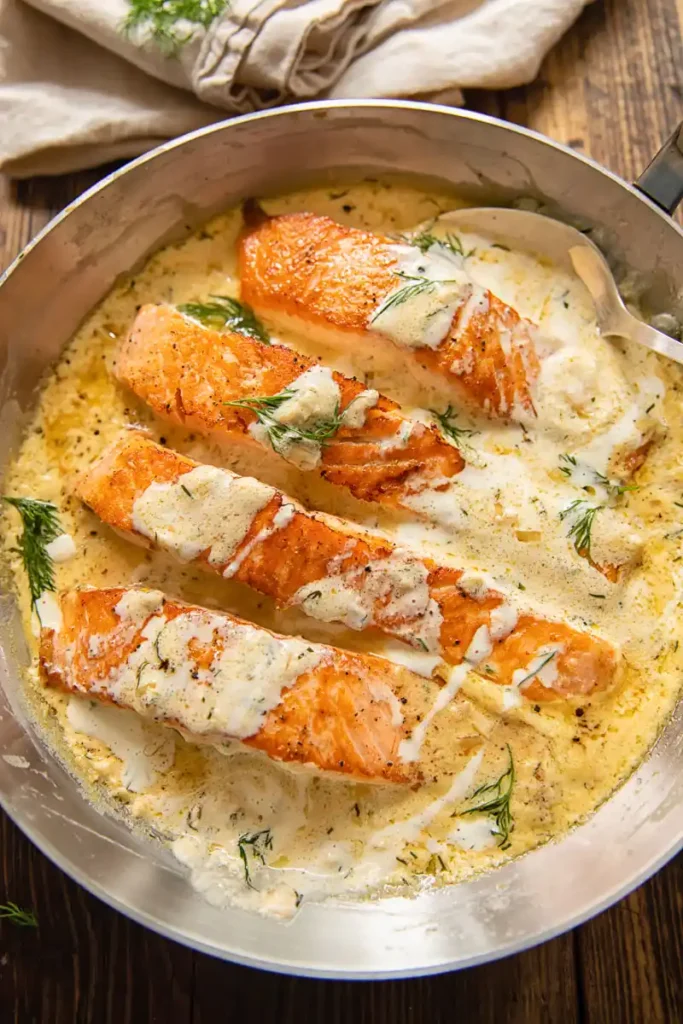
- Final stage: Glossy, balanced, not heavy
Taste-wise, it should feel rounded. You should notice brightness first, then richness, with no single flavor sticking out. If it tastes sharp on its own, it will be too sharp on salmon.
Fixes If Something Goes Wrong
Too thick:
Whisk in a spoon of warm stock or water off heat.
Too thin:
Simmer gently for another minute or add a small knob of butter.
Too sweet:
Add a few drops of lemon juice or a pinch of salt.
Too sharp:
Stir in a little cream or butter to soften the edge.
Fixes work best when added slowly. Avoid large adjustments.
Also Read This Blog: Steak Sauce Recipe That Fixes What Went Wrong With Your Steak
Adjustments Based on How You’re Using It
- For grilled salmon: Add a little more acidity to cut char
- For baked salmon: Keep the sauce lighter and looser
- For dairy-free: Use olive oil and stock instead of butter and cream
- For herbs: Add dill or parsley at the very end, not during cooking
Adjustments should support the cooking method, not fight it.
Storage, Make-Ahead, and Reuse
- Store in an airtight container for up to 3 days
- Reheat gently over low heat, stirring constantly
- Use leftovers on vegetables, potatoes, or chicken
Avoid microwaving at full power. Gentle heat keeps the texture intact.
Final Thoughts on This Sauce for Salmon
This sauce works because it respects the fish. It’s built on control, timing, and restraint rather than intensity. Once you understand the balance, you’ll find yourself adjusting it naturally instead of following it blindly.
That’s usually the sign a recipe is doing its job.