Steak Sauce Recipe That Fixes What Went Wrong With Your Steak
If you’re searching for a steak sauce recipe, something probably didn’t go according to plan. The steak looked great on the outside, but the flavor fell flat. Or it cooked a little longer than you wanted and lost some juiciness. Maybe you spent good money on a cut that deserved better results.
That moment is frustrating — especially when you did “everything right.”
Most store-bought steak sauces don’t fix that problem. They overpower the meat with sugar, drown it in vinegar, or turn every steak into the same generic flavor. Instead of improving the steak, they hide it.
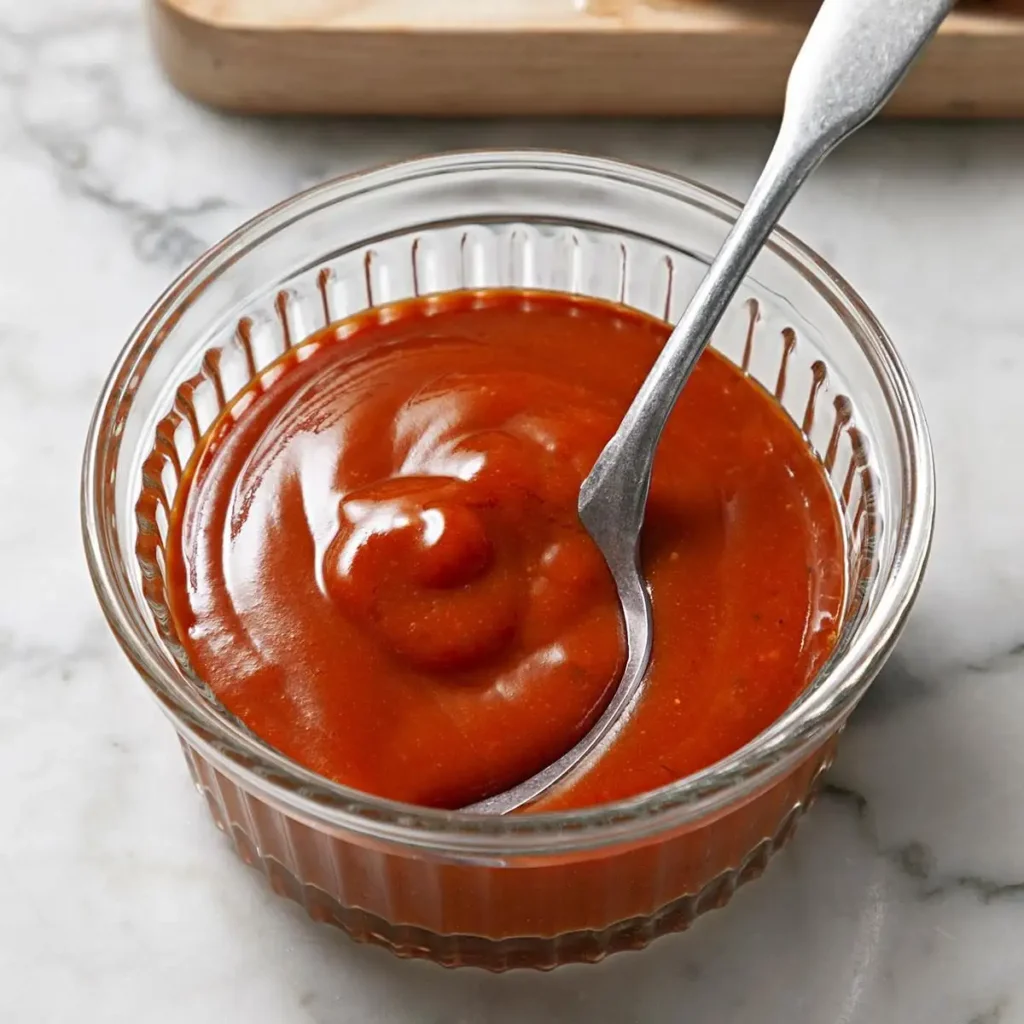
This steak sauce recipe is different. It’s not designed to cover mistakes. It’s built to rebalance the steak, restore depth, and bring everything back into harmony without taking control away from the beef.
You don’t need rare ingredients. You don’t need chef tricks. What you need is balance — acidity to wake things up, sweetness to soften edges, and umami to deepen flavor. That’s exactly what this sauce delivers.
When You Should — and Shouldn’t — Use Steak Sauce
Here’s an honest truth most recipes avoid.
If your steak is perfectly seasoned, rested properly, and cooked exactly the way you like it, you may not need sauce at all. A great steak can stand on its own, and forcing sauce onto it can actually distract from what makes it good.
This steak sauce is meant for real-world cooking situations.
Use it when:
- The cut is lean and lacks natural fat
- The steak cooked slightly past ideal doneness
- The seasoning didn’t penetrate deeply
- You want contrast, not coverage
This kind of honesty builds trust — and it helps readers make better decisions instead of blindly following a recipe.
What Makes This Steak Sauce Recipe Different
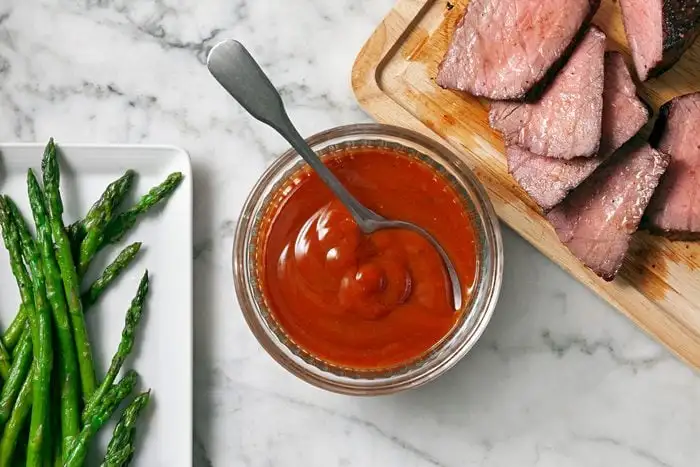
Most homemade steak sauce recipes fail for one reason: imbalance. They chase boldness instead of control. Too much sugar turns the sauce into barbecue glaze. Too much vinegar makes it sharp and aggressive. Too much Worcestershire muddies the flavor and overwhelms the beef.
This recipe avoids those problems by building flavor gradually.
Each ingredient is added with purpose. The sauce simmers gently instead of boiling. Sweetness, acidity, and salt are kept in check so the final result tastes intentional, smooth, and savory — not loud.
The goal is simple: make the steak taste better, not different.
Ingredients and Why Each One Matters
Every ingredient in this steak sauce recipe earns its place.
Ketchup provides body and mild tomato sweetness without dominating the sauce. Tomato paste deepens that base and adds richness without thinning the texture.
Worcestershire sauce brings umami and savory depth, but only enough to support the beef. Apple cider vinegar adds brightness without the harsh bite of stronger vinegars.
Brown sugar balances acidity and rounds the edges instead of making the sauce sweet. Dijon mustard adds subtle heat and structure. Garlic powder and onion powder build background flavor without creating texture issues.
Smoked paprika adds warmth and light smokiness that pairs naturally with grilled or seared steak. Black pepper sharpens the finish.
Salt is added at the end, where it belongs. A small amount of water is used only to control thickness and prevent scorching.
One Critical Technique Before You Start Cooking
Before turning on the heat, understand this:
Steak sauce should never boil aggressively.
High heat burns sugar, dulls acidity, and creates bitterness that cannot be fixed later. This sauce works because it simmers gently and thickens naturally. Rushing this step ruins the balance.
Low heat is not optional — it’s the foundation of the recipe.
Step-by-Step Steak Sauce Recipe
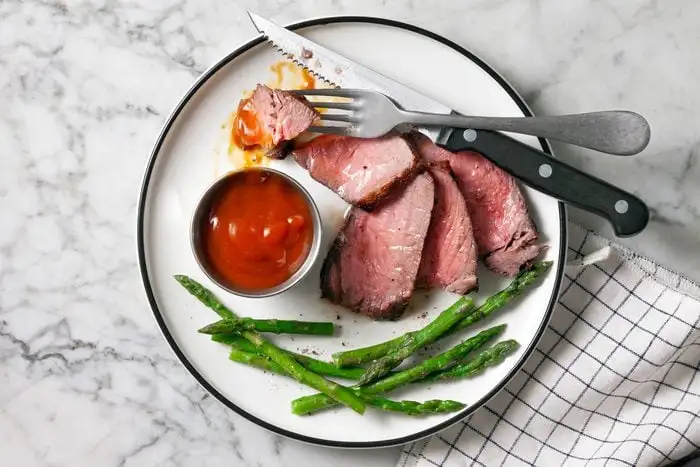
- Place a small saucepan over medium-low heat. Add the ketchup and tomato paste first, stirring until completely smooth. This prevents clumps and allows the tomato base to warm evenly.
- Add Worcestershire sauce, apple cider vinegar, brown sugar, and Dijon mustard. Stir continuously for about one minute so the sugar dissolves fully and the flavors begin to combine.
- Add garlic powder, onion powder, smoked paprika, and black pepper. Stir gently and allow the sauce to reach a light simmer. As soon as small bubbles appear, reduce the heat to low.
- Add a few tablespoons of water to loosen the sauce slightly. Let it simmer uncovered for ten to twelve minutes, stirring occasionally. The sauce should thicken but remain pourable.
- Taste the sauce and add salt gradually, tasting after each addition. Remove from heat and let it rest for five minutes before serving.
Also Read This Blog: Ground Beef Enchiladas with Red Sauce: A Comfort Food Everyone Loves
What the Sauce Should Look and Taste Like
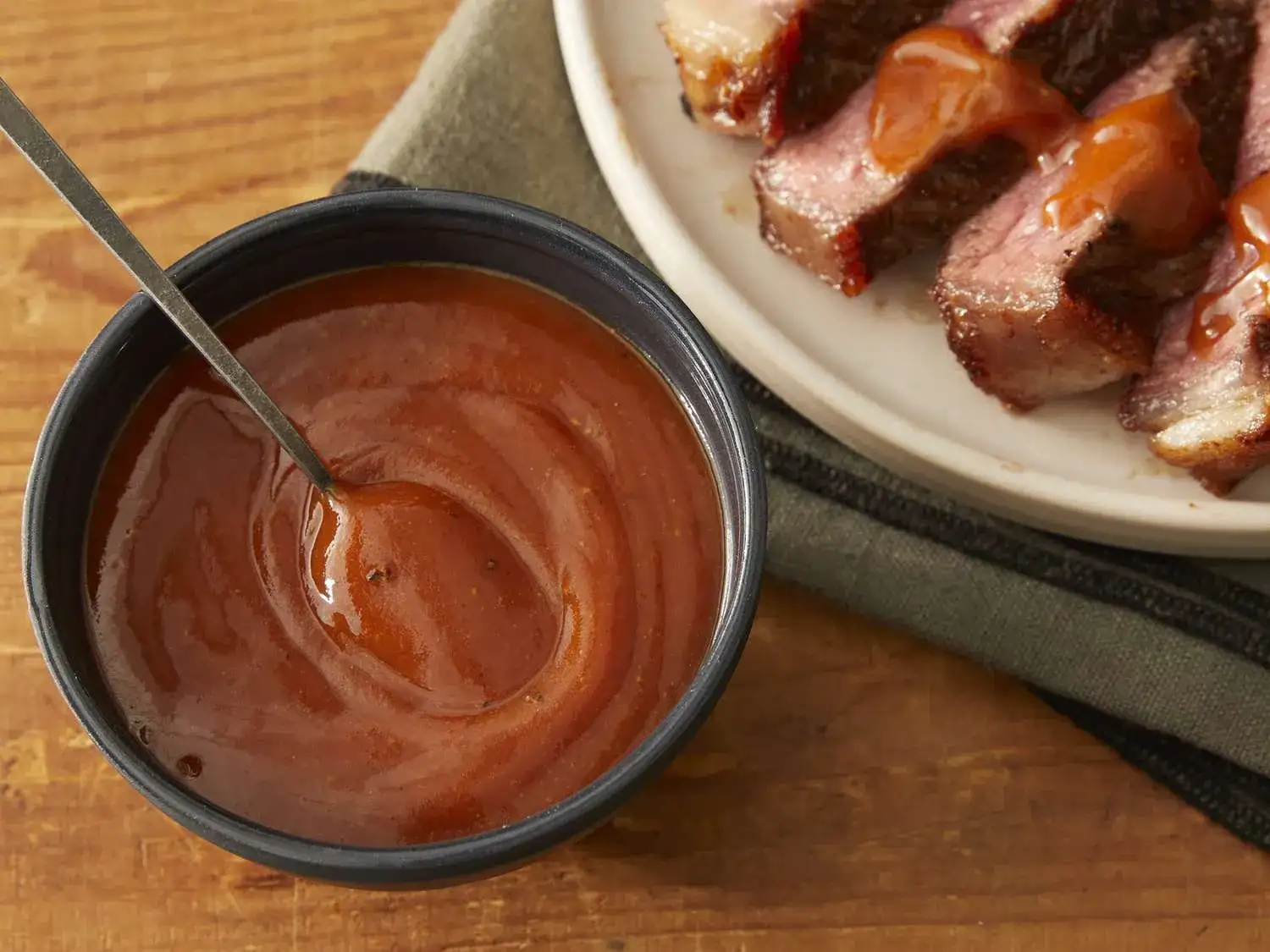
Early on, the sauce will look thin and glossy. That’s normal. As it simmers, it should darken slightly and become smoother.
By the end, the sauce should coat the back of a spoon without feeling heavy. The flavor should be savory first, tangy second, and only lightly sweet at the finish. If sweetness or acidity stands out, the balance is off.
How to Fix the Sauce if Something Goes Wrong
If the sauce tastes too sharp, add a small pinch of brown sugar and simmer for another minute.
If it tastes too sweet, add a few drops of vinegar to bring it back into balance.
If it’s too thick, stir in a tablespoon of water over low heat.
If it tastes flat, add a tiny splash of Worcestershire — not more salt.
Small adjustments go a long way.
Adjusting This Steak Sauce for Different Cuts
For fatty cuts like ribeye, increase acidity slightly to cut through richness.
For lean cuts like sirloin or filet, add a touch more brown sugar for roundness.
For grilled steak, increase smoked paprika slightly to match the char. For pan-seared steak, keep the sauce smoother and slightly thicker.
Make-Ahead, Storage, and Reuse
This steak sauce can be made up to five days ahead and stored in an airtight container in the refrigerator. The flavor improves after a few hours as the ingredients settle.
Reheat gently over low heat. If thickened, add a tablespoon of water and stir.
Leftovers work well on burgers, steak sandwiches, roasted mushrooms, or grilled chicken.
Final Thoughts on This Steak Sauce Recipe
A good steak sauce recipe doesn’t hide mistakes or overpower the meat. It restores balance and enhances what’s already there. This version focuses on control, honesty, and real cooking logic — not gimmicks.
Once you make it, you’ll understand why a well-made homemade steak sauce beats anything from a bottle.