Sauce for Chicken That Actually Works Without Overpowering Your Meal
If you’re searching for a sauce for chicken, it’s probably because something went wrong last time. Maybe the sauce was too sweet, too thick, or completely overpowered the meat. Perhaps it separated on the pan, or the flavors just didn’t blend with the chicken. Even a perfectly cooked piece of chicken can feel underwhelming when the sauce doesn’t match it.
The good news is this recipe addresses all of those issues. It’s designed to complement the chicken rather than dominate it, creating a balanced, flavorful experience every time.
Why This Sauce Works
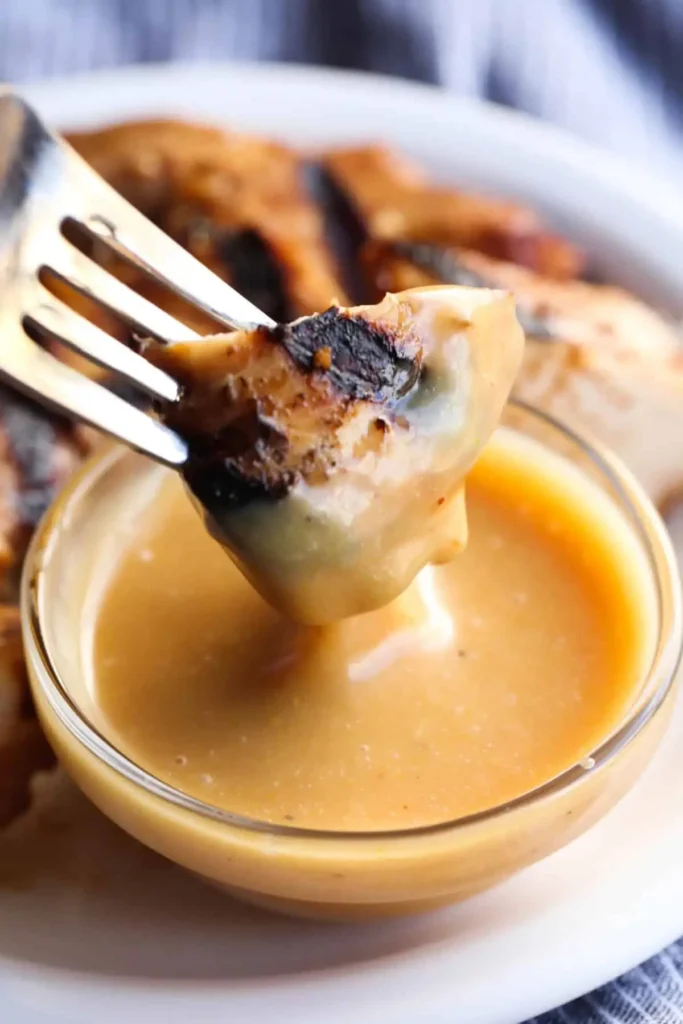
This sauce is built around balance: a touch of acidity to cut through richness, a gentle sweetness that enhances without overpowering, and just enough fat to carry the flavors. It holds together under heat and adjusts easily to baked, pan-seared, or grilled chicken. The approach is calm and deliberate—no tricks, no rushed reductions, no overcomplication.
When You Should and Should Not Use This Sauce
Use this sauce when:
- Your chicken is simply seasoned (salt, pepper, maybe some herbs)
- You want a sauce that enhances rather than masks the meat
- You’re cooking fresh, thawed, or even leftover chicken
Avoid this sauce when:
- The chicken is heavily marinated or coated in strong flavors like barbecue or teriyaki
- You’re serving fried or breaded chicken that already has its own flavorful coating
- The dish is meant to be spicy or bold by design
Understanding when to skip the sauce is as important as knowing how to make it. That’s part of becoming a confident cook.
What Makes This Sauce Different
Many chicken sauces fail because they ignore the texture and natural juices of the meat. They may cook too long, curdle, or rely on overpowering sweetness to “mask” mistakes.
This recipe avoids those pitfalls by:
- Adding richness slowly, not all at once
- Controlling heat carefully to prevent separation
- Timing the acid and seasoning at the end to preserve flavor balance
The result is a smooth, cohesive sauce that feels intentional, not forced.
Ingredients and Why They Matter
- Butter or olive oil – Adds richness and helps flavors meld
- Shallots or onions – Provide subtle depth without harshness
- Garlic – Brings aroma and gentle savory notes
- Stock or cream – Builds body; stock keeps it lighter, cream gives silkiness
- Mustard, soy, or miso – Adds umami without overpowering
- Lemon juice or vinegar – Cuts through richness, adds brightness
- Salt and pepper – Season gradually for balance
Each ingredient contributes purposefully. None are decorative, and none are included to complicate the process.
Critical Techniques Before Cooking
- Heat control – Medium-low is key to avoid separating or curdling the sauce.
- Texture awareness – Keep it slightly looser than your target; it thickens with residual heat and when poured over chicken.
Following these two principles prevents the most common failures.
Also Read This Blog: Sauce for Salmon That Fixes the Usual Problems (Without Overpowering the Fish)
Step-by-Step Instructions
- Heat a saucepan over medium-low heat.
- Add butter or olive oil and let it warm gently.
- Add shallots and cook until soft, not browned.
- Add garlic and stir briefly until fragrant.
- Pour in stock or cream slowly while whisking.
- Let the mixture simmer gently; avoid hard boiling.
- Incorporate mustard, miso, or soy and whisk until smooth.
- Reduce heat to low and allow it to thicken naturally.
- Taste and adjust salt and pepper gradually.
- Finish with lemon juice or vinegar just before serving.
Take each step deliberately. Rushing can lead to separation, bitterness, or over-thickening.
What It Should Look and Taste Like
- Early stage: Thin, slightly glossy, aromatic
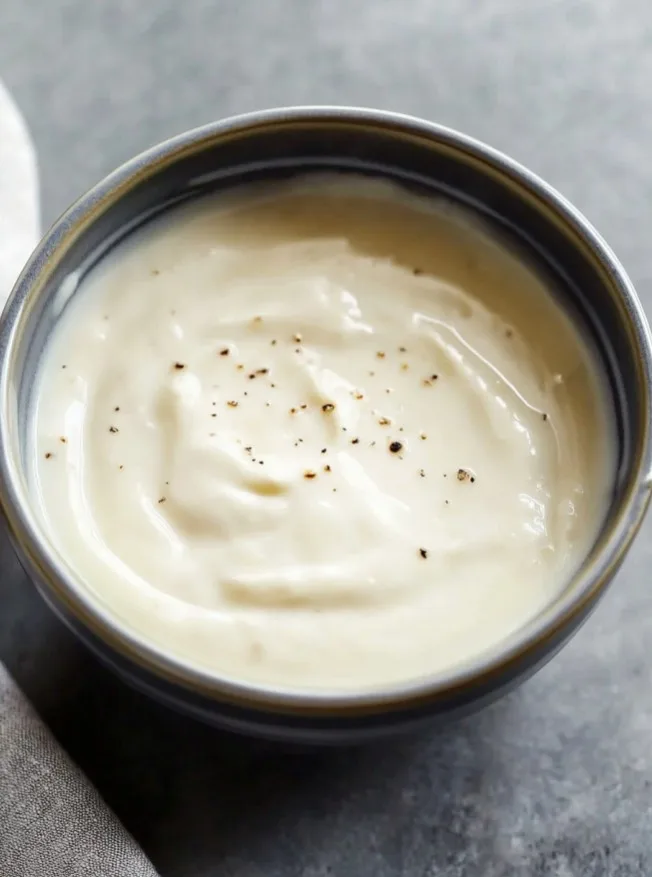
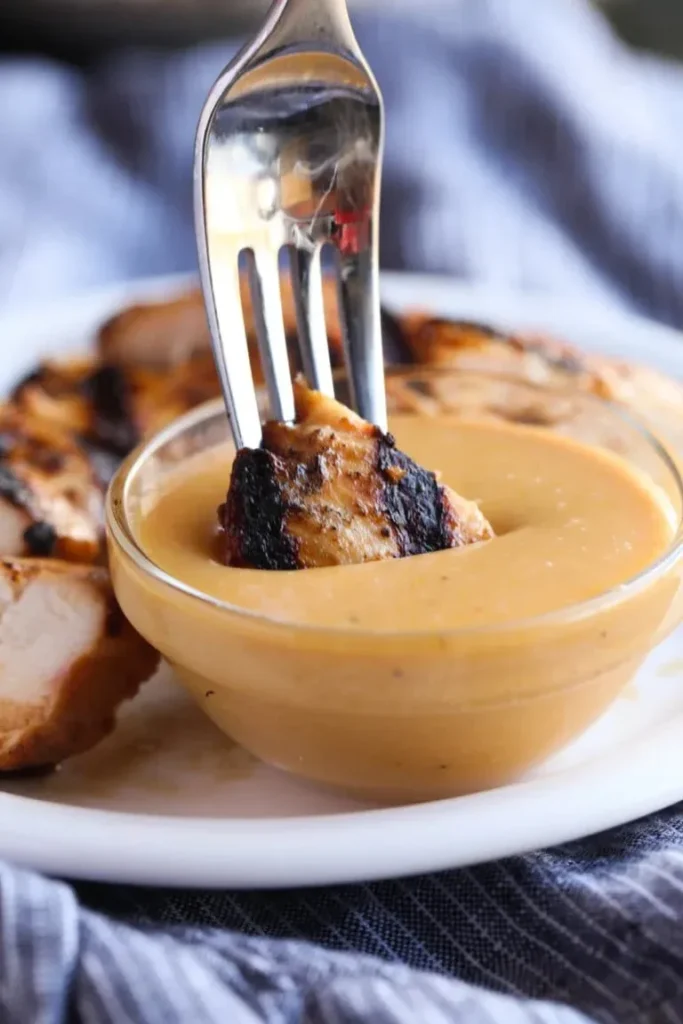
- Mid stage: Smooth, coats the back of a spoon
- Final stage: Glossy, balanced, harmonized with the chicken
Taste should feel rounded: richness first, gentle brightness at the end, no single note dominating. If it tastes sharp or flat on its own, it will not complement the chicken properly.
Fixes If Something Goes Wrong
Too thick: Stir in a small amount of warm stock or water off heat.
Too thin: Simmer gently for a minute or add a small knob of butter.
Too sweet: Add a few drops of lemon juice or a pinch of salt.
Too sharp: Incorporate a bit more cream or butter to soften the edge.
Small adjustments, made gradually, usually fix the problem without changing the sauce’s character.
Also Read This Blog: Steak Sauce Recipe That Fixes What Went Wrong With Your Steak
Adjustments Based on Use Case
- Grilled chicken: Increase acidity slightly to balance char
- Baked chicken: Keep the sauce lighter and looser
- Dairy-free: Use olive oil and stock instead of butter and cream
- Herbs: Add fresh herbs like thyme or parsley at the very end, never during simmering
Adjustments support cooking method and personal taste, not overwhelm it.
Storage, Make-Ahead, and Reuse
- Store in an airtight container in the fridge for up to 3 days
- Reheat gently over low heat while stirring
- Great for drizzling over vegetables, potatoes, or even rice
Avoid high heat reheating; gentle warmth preserves texture and flavor.
Final Thoughts on This Sauce for Chicken
This sauce works because it respects the chicken. It is carefully timed, balanced, and versatile. Once you understand the logic, adjusting it for personal preference or different cooking methods becomes intuitive. That calm, deliberate approach is what makes this sauce reliable, week after week.
It’s not flashy. It doesn’t cover mistakes. It simply complements your chicken—and that’s exactly what a good sauce should do.