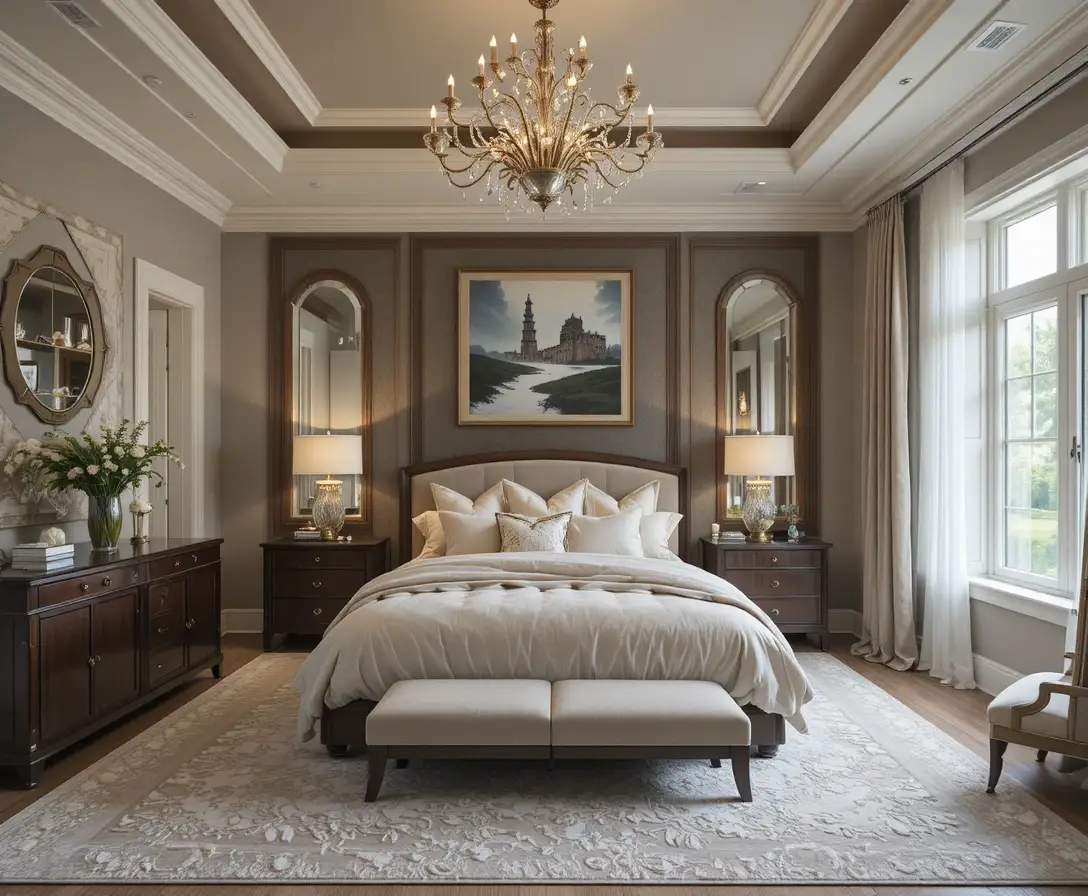
Master Bedroom Ideas: 15 Inspiring Designs for Comfort & Style
When people search for master bedroom ideas, they’re usually trying to fix a space that doesn’t feel right. Maybe the room looks dated, feels cluttered, lacks warmth, or simply doesn’t help them relax after a long day. A master bedroom should feel calm, personal, and comfortable—not just look good in photos.
In 2026, great master bedroom design focuses on comfort, balance, and intentional choices. It’s no longer about matching sets or over-decorating. Instead, it’s about creating a space that supports better rest, feels emotionally soothing, and still reflects your style.
Below are the 15 master bedroom ideas, designed for real homes, real routines, and long-term comfort.
1. Layered Neutral Bedrooms That Feel Warm and Inviting
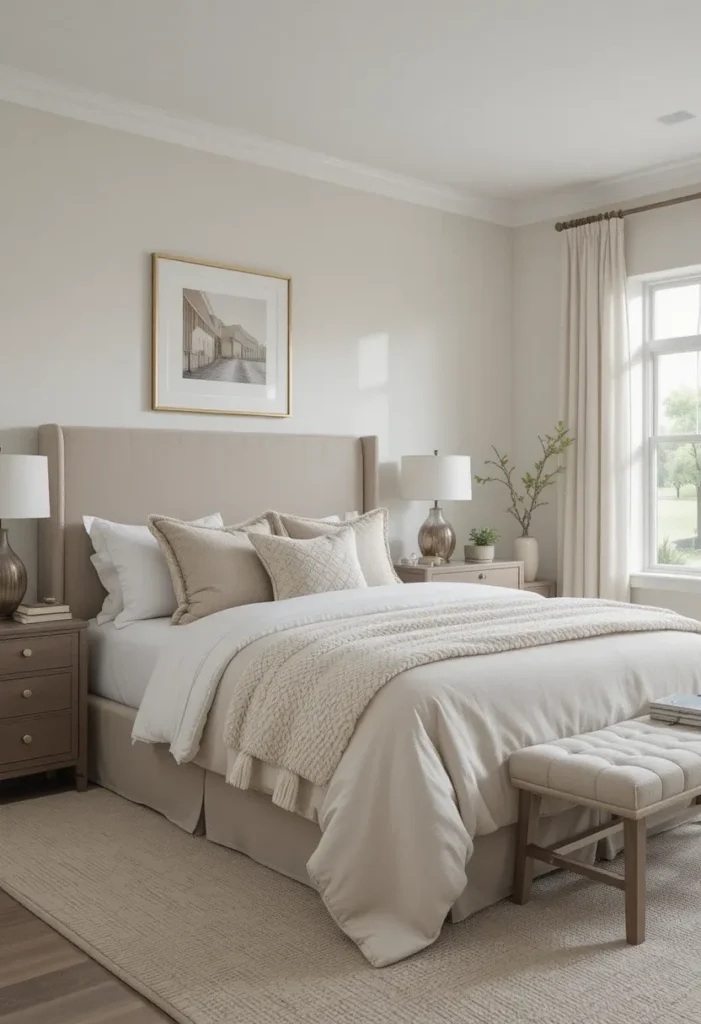
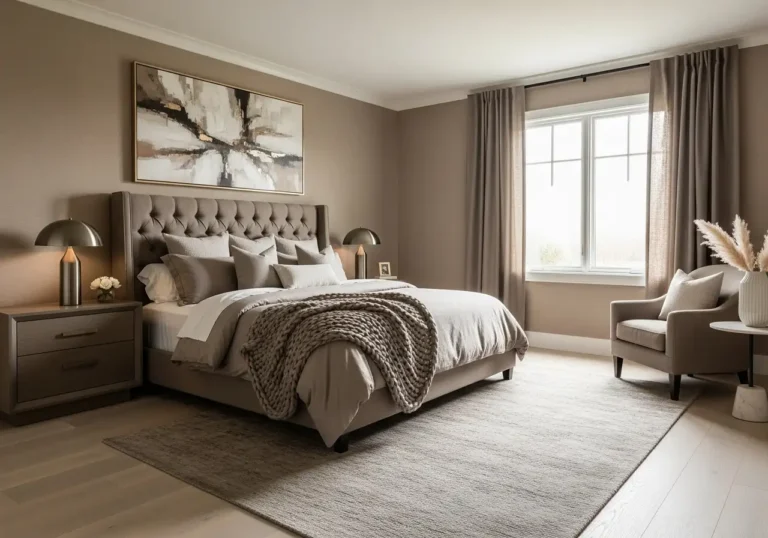
Neutral master bedrooms are timeless, but the secret is layering. Instead of flat white or beige, use warm neutrals like soft taupe, greige, sand, and creamy off-white combined with texture.
Linen bedding, upholstered headboards, woven rugs, and subtle wood tones add depth without overwhelming the space. This approach creates a bedroom that feels cozy, elegant, and easy to live with.
Why it works:
Layered neutrals feel calm, flexible, and never go out of style.
2. Statement Headboards That Anchor the Room
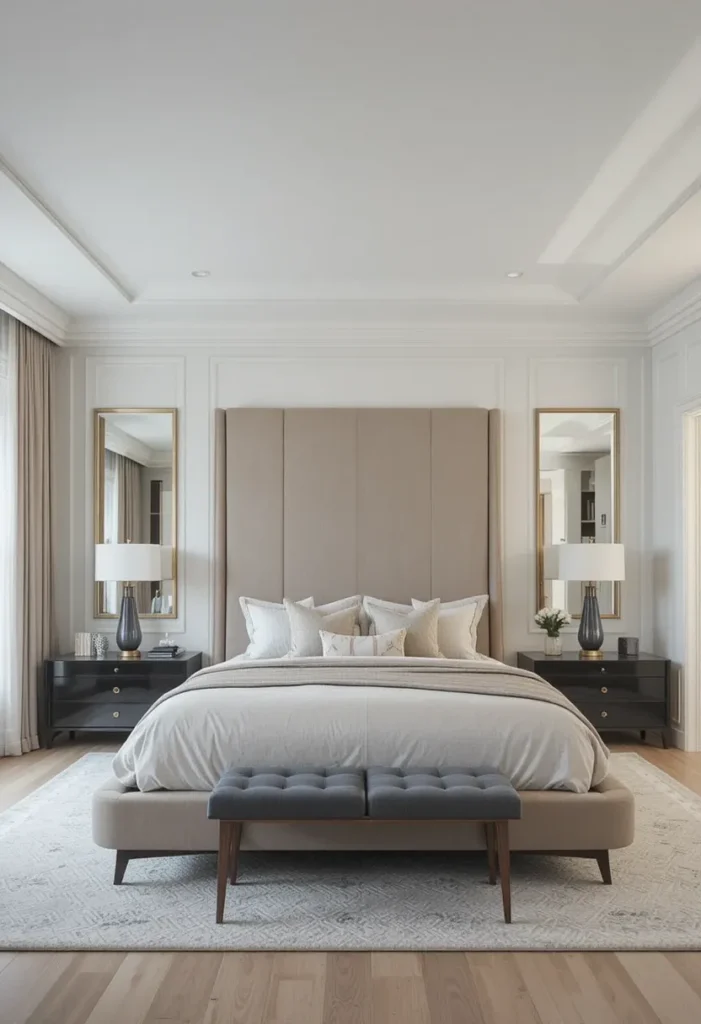
A statement headboard instantly upgrades a master bedroom. It creates a clear focal point and makes the room feel designed rather than random.
In 2026, upholstered headboards, wood panel designs, and soft curved shapes are popular. They add comfort and visual balance without needing extra decor.
Keep the rest of the room simple so the headboard can stand out naturally.
User benefit:
One strong feature replaces cluttered wall decor.
3. Soft Color Palettes That Support Better Sleep
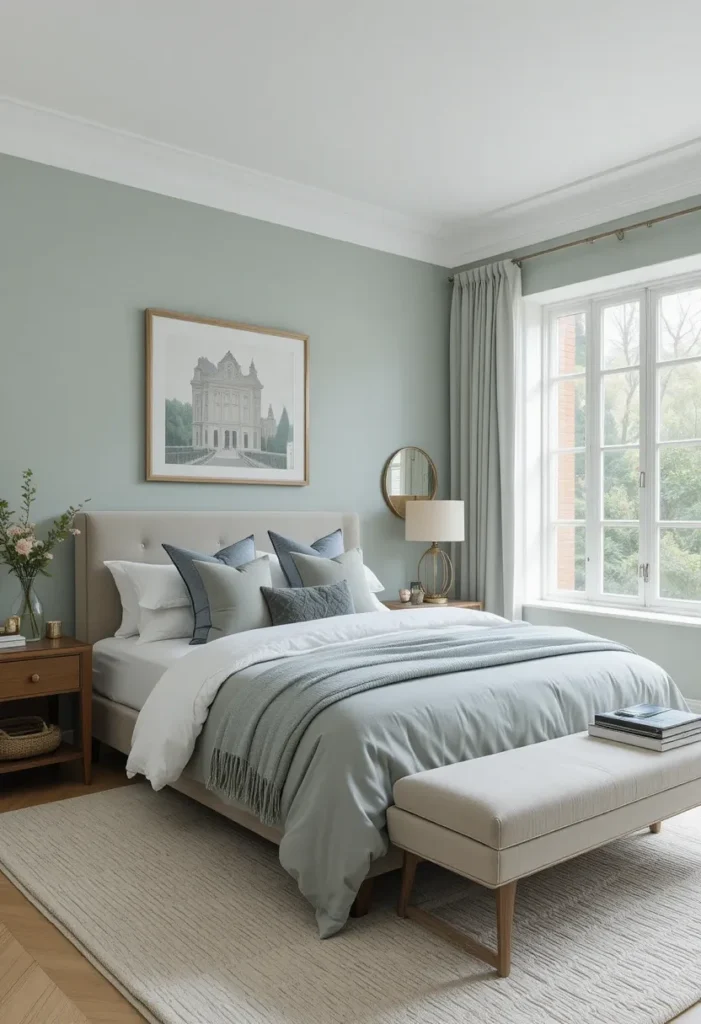
Color affects mood and sleep quality. The best master bedroom ideas use soft, muted tones instead of harsh contrasts.
Popular choices include dusty blue, sage green, warm gray, muted blush, and soft clay tones. These colors calm the nervous system and make the room feel more restful.
Use color thoughtfully—on walls, bedding, or accents—not everywhere at once.
Why users love this:
The bedroom feels peaceful and easier to unwind in.
4. Layered Lighting for Comfort and Atmosphere
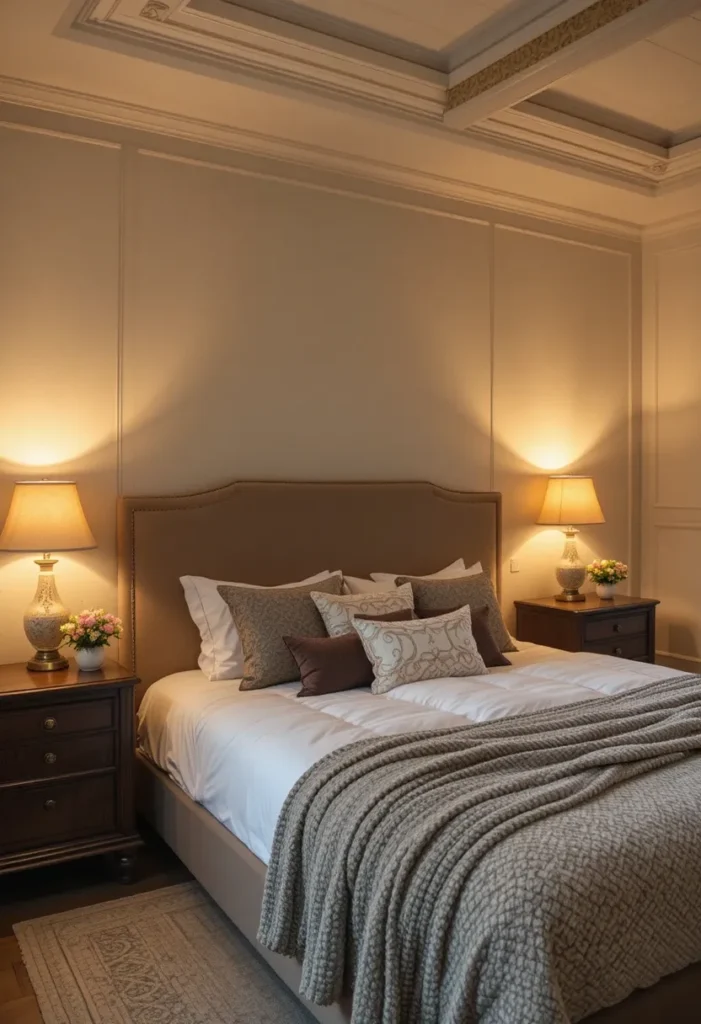
Lighting is essential in a master bedroom, yet often overlooked. One overhead light isn’t enough.
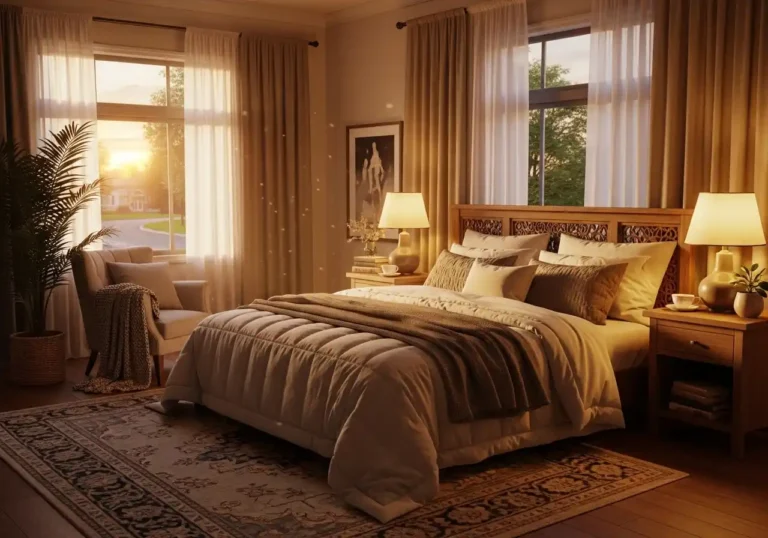
Use layered lighting: bedside lamps for reading, soft ambient light for evenings, and subtle accent lighting for warmth. Wall sconces and warm LED strips behind headboards are trending in 2026.
Always choose warm light tones to keep the bedroom cozy and relaxing.
Key takeaway:
Good lighting changes how the room feels, not just how it looks.
5. Minimalist Layouts That Feel Open and Calm
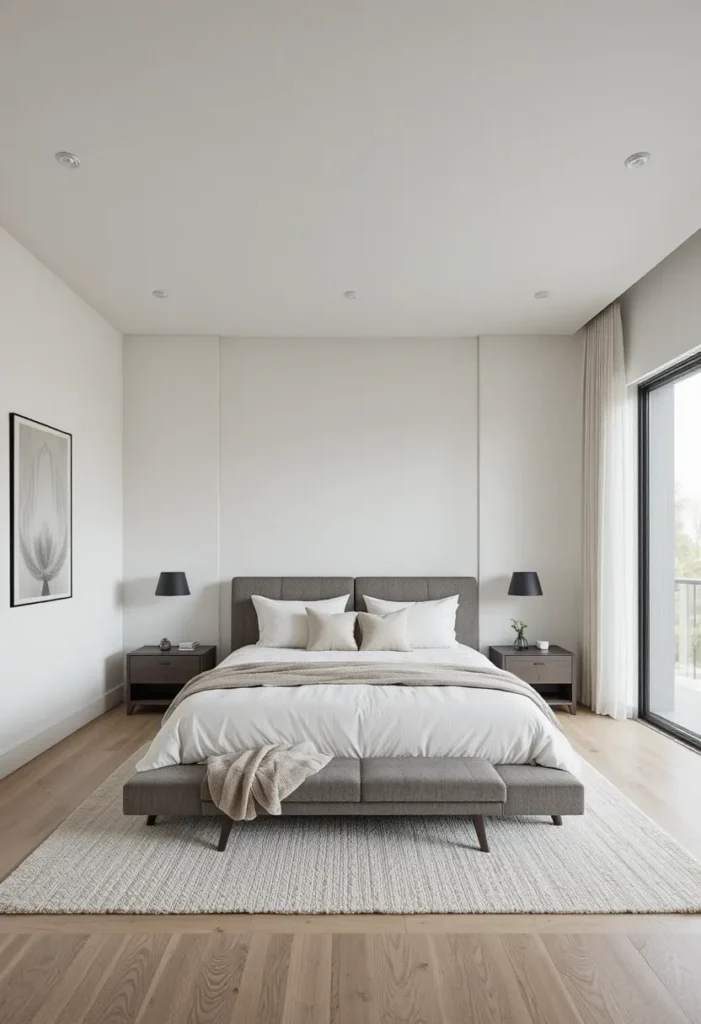
A cluttered bedroom creates mental stress. Minimalist layouts focus on keeping only what you need and allowing space to breathe.
Choose essential furniture, clear walkways, and avoid overcrowding surfaces. This doesn’t mean empty—it means intentional.
Minimal layouts make both small and large master bedrooms feel more spacious.
User solution:
Less clutter equals better sleep and calmer mornings.
Also Read This Blog: 15 Creative Attic Bedroom Ideas for Angled Ceilings
6. Nature-Inspired Master Bedrooms for Relaxation
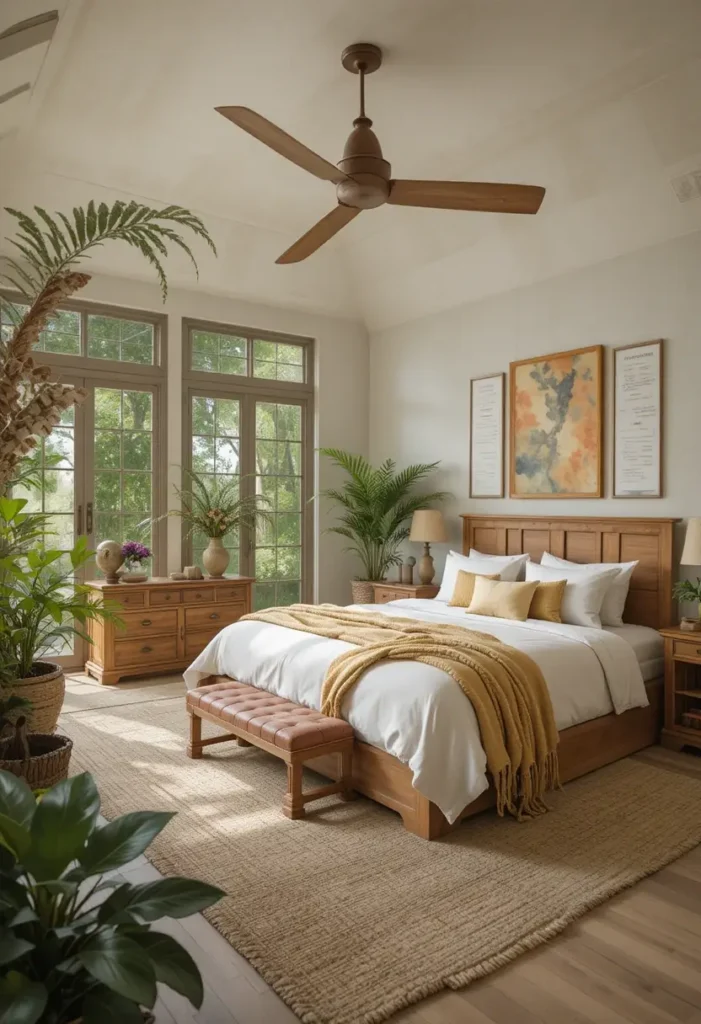
Nature-inspired bedrooms continue to grow in popularity because they feel grounding and restorative.
Wood furniture, indoor plants, woven textures, and natural fabrics bring warmth and balance into the room. Even small touches can make a big difference.
This style pairs beautifully with neutral or soft color palettes.
Why it works:
Nature elements help reduce stress and promote relaxation.
7. Smart Storage That Keeps the Bedroom Peaceful
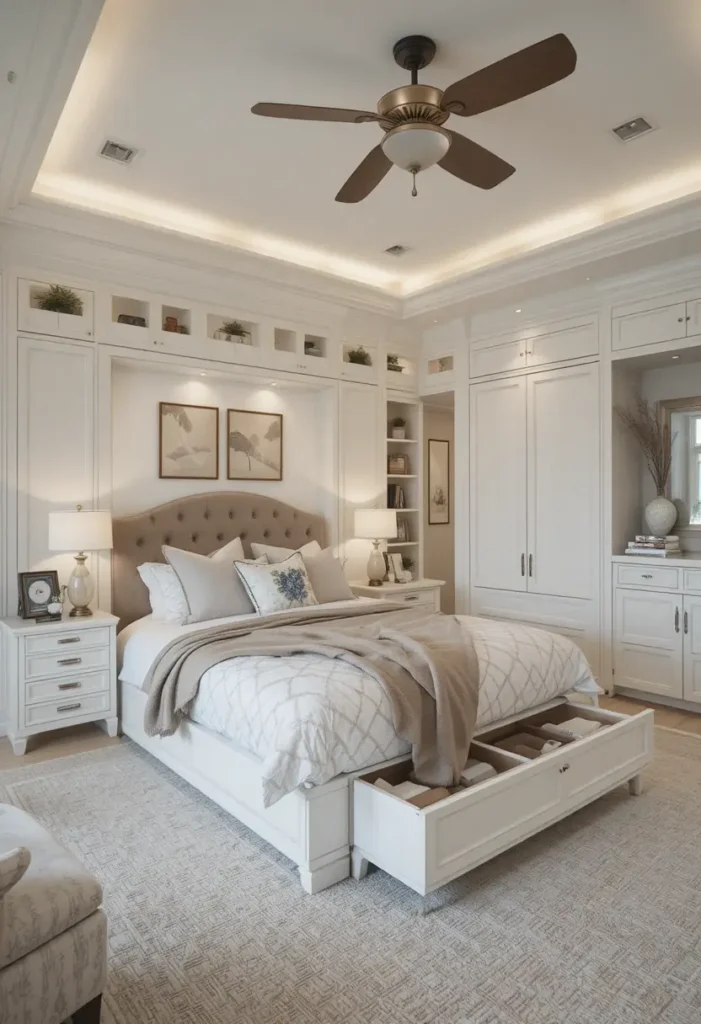
A master bedroom should never feel chaotic. Smart storage solutions help maintain calm.
Built-in wardrobes, under-bed storage, and nightstands with drawers reduce visual clutter and keep surfaces clean.
When everything has a place, the room feels more organized and restful.
User benefit:
A tidy space supports a clear, relaxed mind.
8. Personal Decor That Feels Meaningful, Not Busy
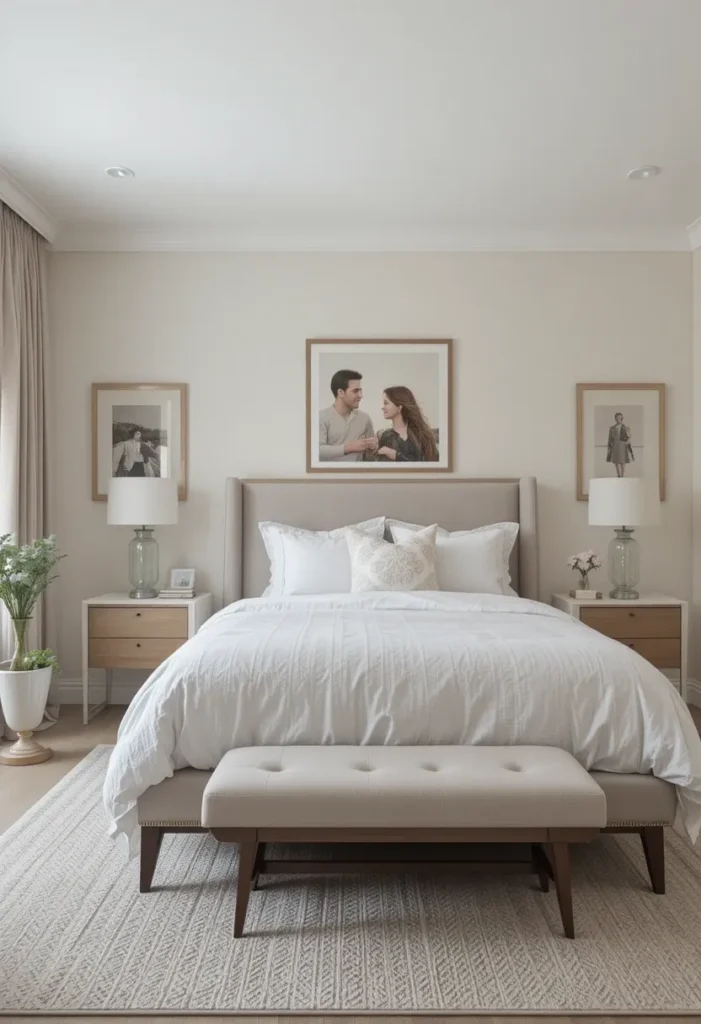
Personal touches make a master bedroom feel like home. Artwork, framed photos, or meaningful objects add warmth and identity.
The key is restraint. Choose a few pieces that matter rather than filling every wall.
Soft artwork and calming visuals work best for sleep spaces.
Why this matters:
Personalized decor creates emotional comfort without overwhelming the room.
9. Luxury Hotel-Style Master Bedroom for Everyday Comfort
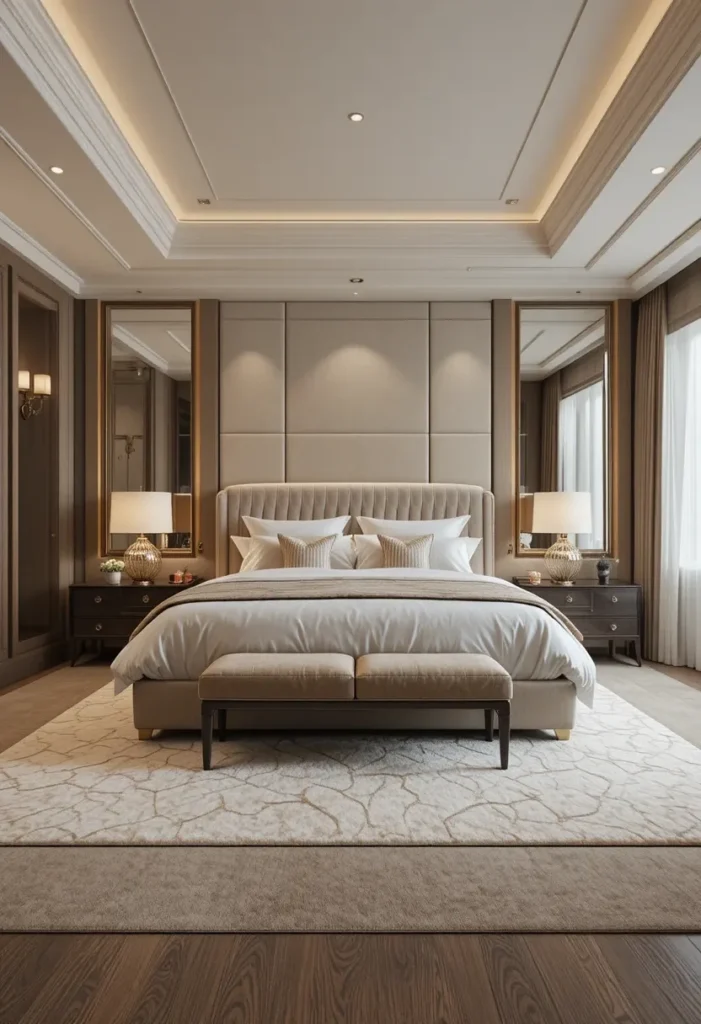
One of the most searched master bedroom ideas is creating a hotel-style retreat at home. People want that calm, polished feeling without making the room feel cold or impractical.
Focus on symmetry—matching nightstands, balanced lamps, and centered artwork. Use high-quality bedding with layered pillows, a padded headboard, and neutral tones like cream, taupe, or soft gray. Add subtle luxury through textures instead of excess decor.
Why users love it:
It feels indulgent yet calming, perfect for daily relaxation.
Also Read This Blog: 18 Reading Room Ideas: Transform Your Space into a Cozy Literary Retreat
10. Cozy Master Bedroom Ideas with Soft Textures
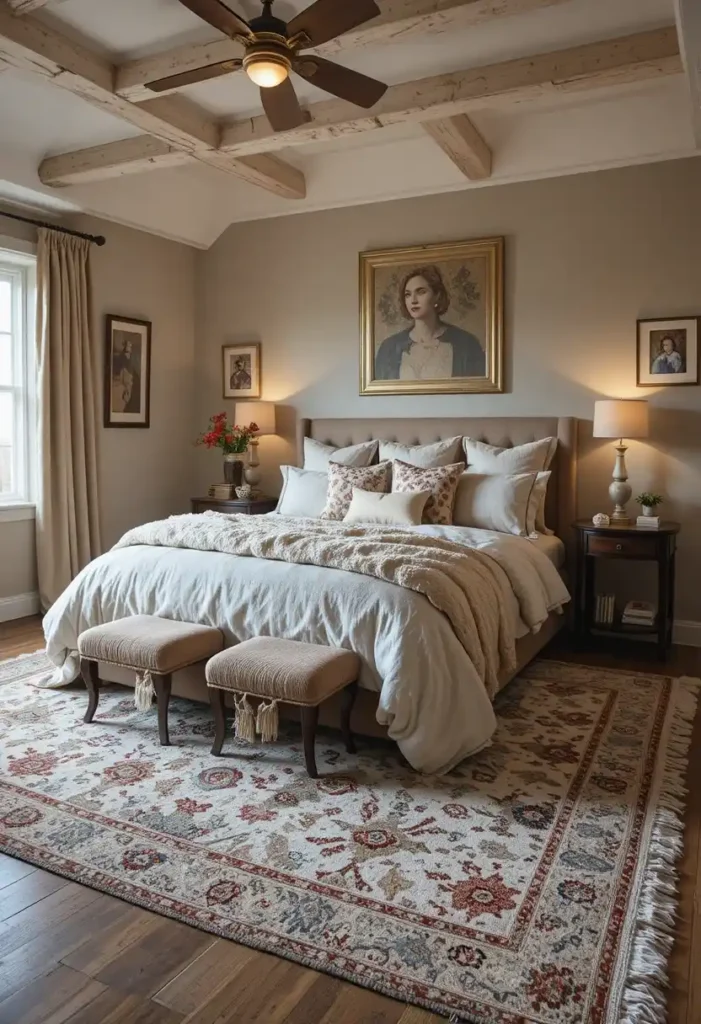
A master bedroom should feel comforting, especially at the end of a long day. Cozy bedrooms rely more on texture than color.
Layer rugs, add plush throws, use upholstered furniture, and choose soft curtains. Even neutral rooms feel warmer when different textures work together. This idea works beautifully in colder climates or homes that feel visually flat.
Avoid over-decorating—coziness comes from softness, not clutter.
User benefit:
Creates emotional warmth and physical comfort without changing the layout.
11. Modern Master Bedroom with Clean Lines
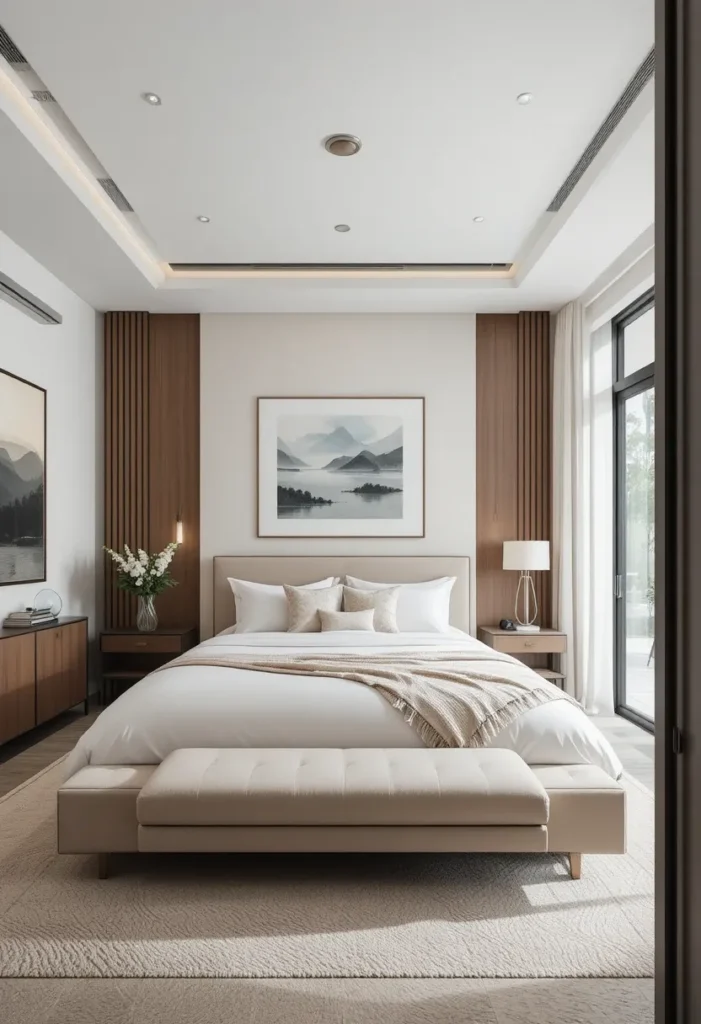
Modern master bedroom ideas focus on simplicity, balance, and functionality. Clean-lined furniture, minimal decor, and a neutral base create a calm and uncluttered environment.
Instead of many accessories, use one or two statement elements—like a modern light fixture or a bold headboard. Keep surfaces clear and color palettes controlled.
Modern doesn’t mean cold—add warmth through wood accents and soft bedding.
Why it works:
Visually calming and easy to maintain long-term.
12. Master Bedroom with a Relaxing Seating Area
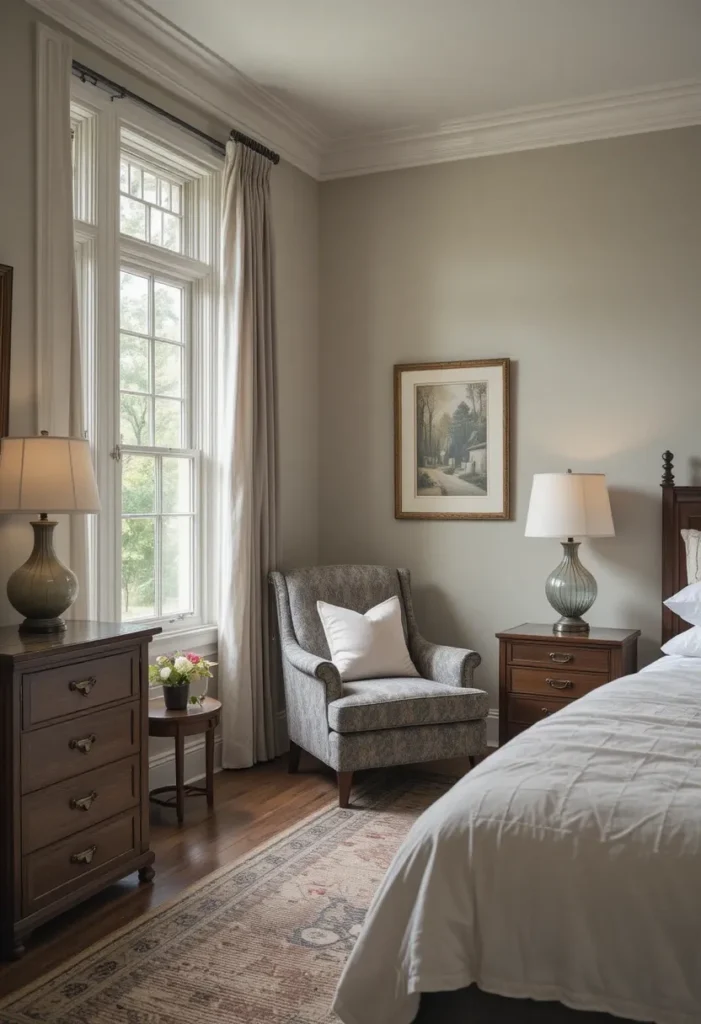
If space allows, a small seating area can completely elevate a master bedroom. A chair by the window, a bench at the foot of the bed, or a cozy reading nook adds both function and luxury.
This space can be used for reading, relaxing, or quiet moments without leaving the bedroom. Keep furniture light and proportional so it doesn’t crowd the room.
User value:
Adds purpose and comfort beyond just sleeping.
13. Warm Lighting Master Bedroom Ideas
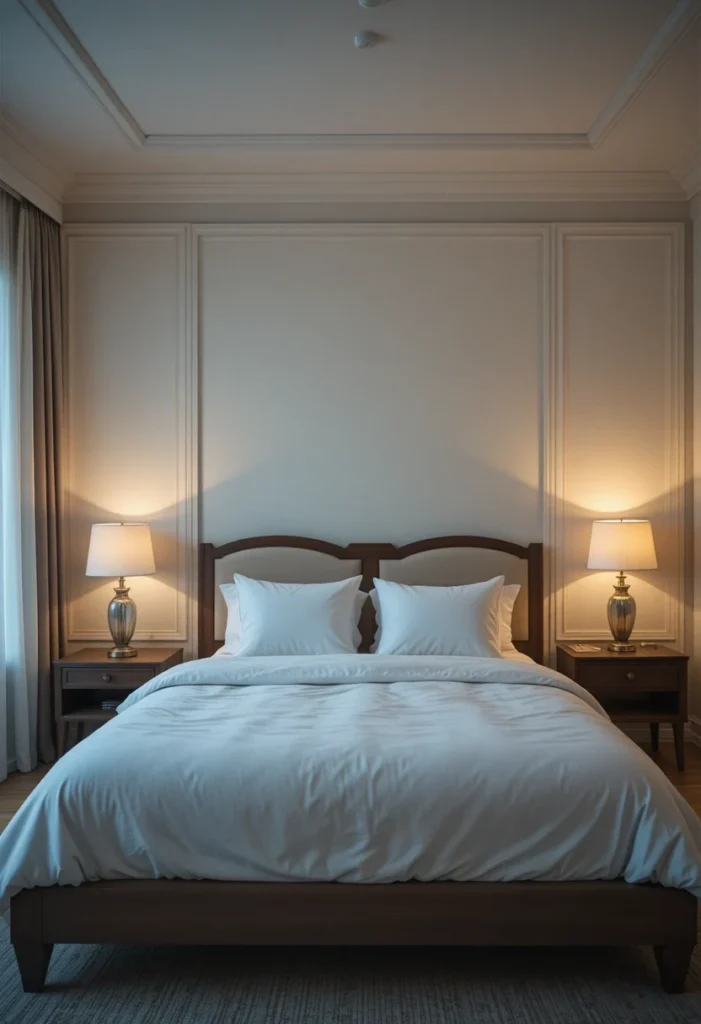
Lighting often determines whether a bedroom feels restful or harsh. Master bedrooms benefit most from soft, layered, warm lighting.
Use table lamps, wall sconces, and dimmable lights instead of relying on overhead fixtures. Warm light makes the room feel inviting and helps the body relax naturally before sleep.
Avoid bright white bulbs—they disrupt the bedroom’s calming purpose.
Why this matters:
Lighting directly impacts sleep quality and mood.
Also Read This Blog: Wallpaper Bedroom Ideas: 16 Creative Ways to Transform Your Space
14. Neutral + Accent Color Master Bedrooms

Many people want color in their master bedroom but fear it will feel overwhelming. The solution is a neutral base with controlled accent colors.
Start with neutrals on walls and large furniture, then introduce color through pillows, throws, artwork, or rugs. This keeps the room flexible and easy to update later.
Popular accent choices for 2026 include sage green, muted navy, soft terracotta, and dusty blue.
User solution:
Adds personality without long-term commitment.
15. Timeless Master Bedroom Designs That Age Well
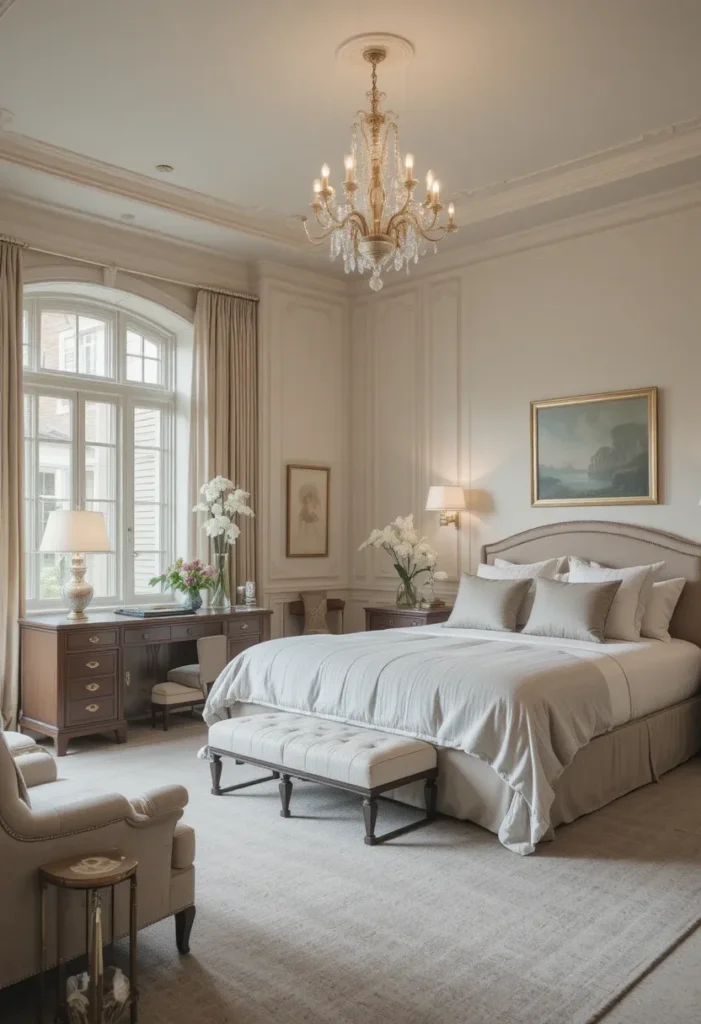
Trends come and go, but timeless master bedroom ideas focus on balance, quality, and comfort. These rooms don’t rely on bold trends or loud decor.
Neutral colors, classic furniture shapes, quality fabrics, and thoughtful lighting create a bedroom that still feels beautiful years later. This approach is ideal for homeowners who don’t want frequent redesigns.
Timeless bedrooms evolve easily with small updates rather than full makeovers.
Why users prefer this:
Saves money, effort, and stress over time.
Final Thoughts: Creating a Master Bedroom That Truly Works for You
The best master bedroom ideas aren’t about copying trends—they’re about creating a space that supports rest, comfort, and emotional well-being. Whether you prefer modern simplicity, cozy warmth, or hotel-style elegance, the key is intentional design.
Focus on comfort first, layer textures, choose calming colors, and keep clutter minimal. When your master bedroom feels balanced and personal, it naturally becomes a space you love spending time in—not just sleeping in.