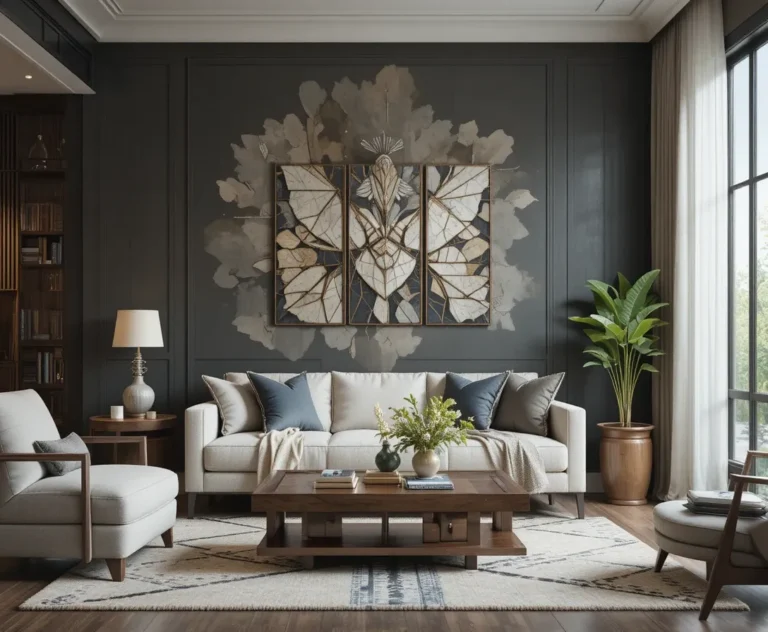
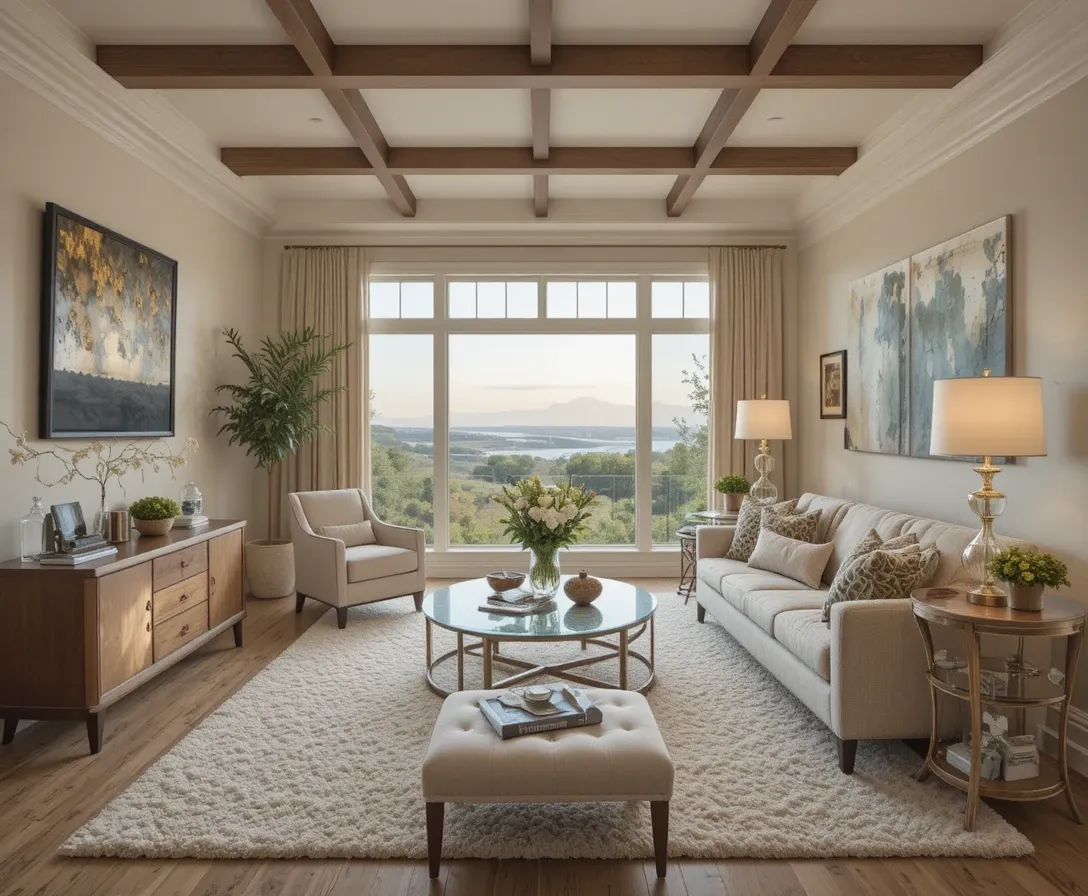
15 Living Room Remodel Ideas That Actually Improve How the Space Feels
If you’re thinking about a living room remodel, you’re probably feeling a mix of excitement and uncertainty. You want the space to look better, feel more comfortable, and actually work for your daily life—but you don’t want to waste money or regret decisions later. A good remodel isn’t about copying trends. It’s about making thoughtful changes that improve how the room looks and how it’s used.
Below are 14 practical, experience-based ideas that walk you through a living room remodel step by step. Each one builds on the last, so you can make clear decisions without feeling overwhelmed.
1. Reevaluate How You Actually Use the Living Room
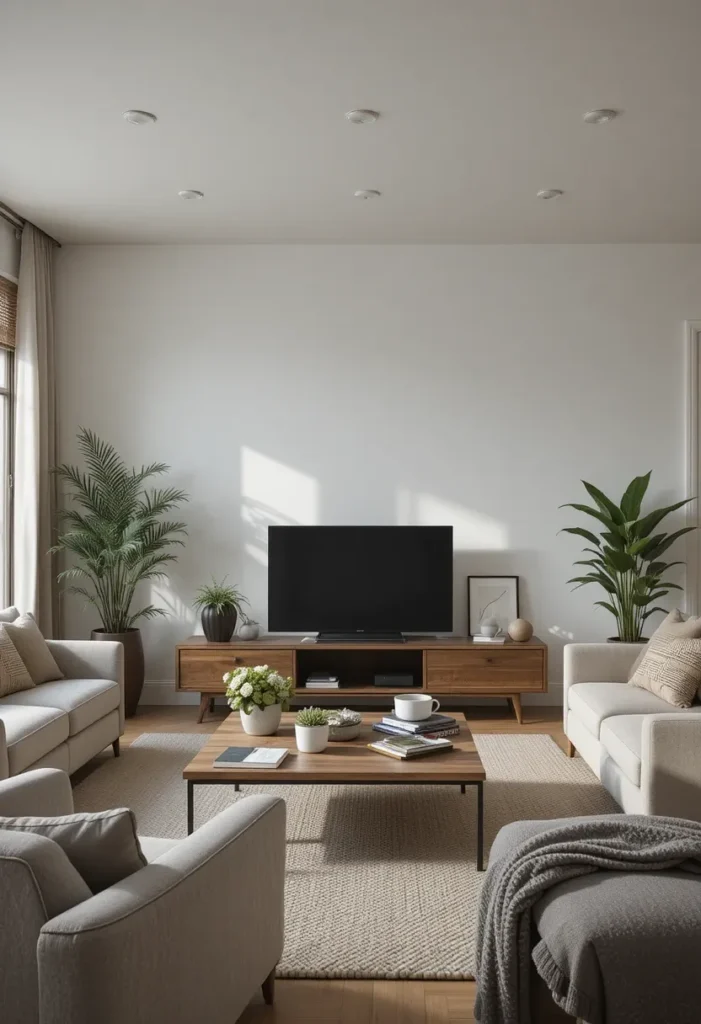
Before changing anything, take a hard look at how the room is used right now. Is it mainly for watching TV, hosting guests, relaxing after work, or all of the above?
This matters because design choices should support real habits, not ideal ones. A formal layout won’t work if the room is mostly for casual family time.
A practical tip is to note what feels annoying or awkward for a week. Poor seating angles, not enough surfaces, or blocked walkways usually reveal what needs to change first.
2. Fix the Layout Before Buying Anything
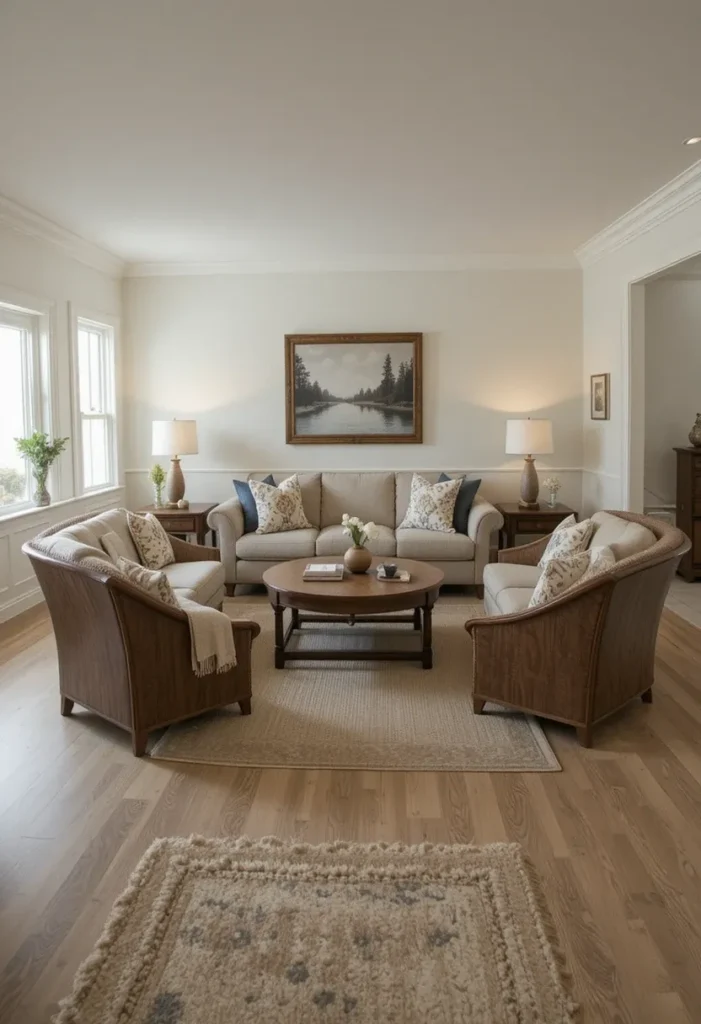
Many remodels fail because people buy furniture before fixing the layout. Even beautiful pieces won’t work if the flow is wrong.
A good layout creates clear walking paths and natural conversation areas. It also helps the room feel calmer and more spacious.
Try mapping the room on paper and testing different furniture placements. Focus on balance and spacing before committing to new purchases.
3. Choose a Color Palette That Matches the Mood You Want
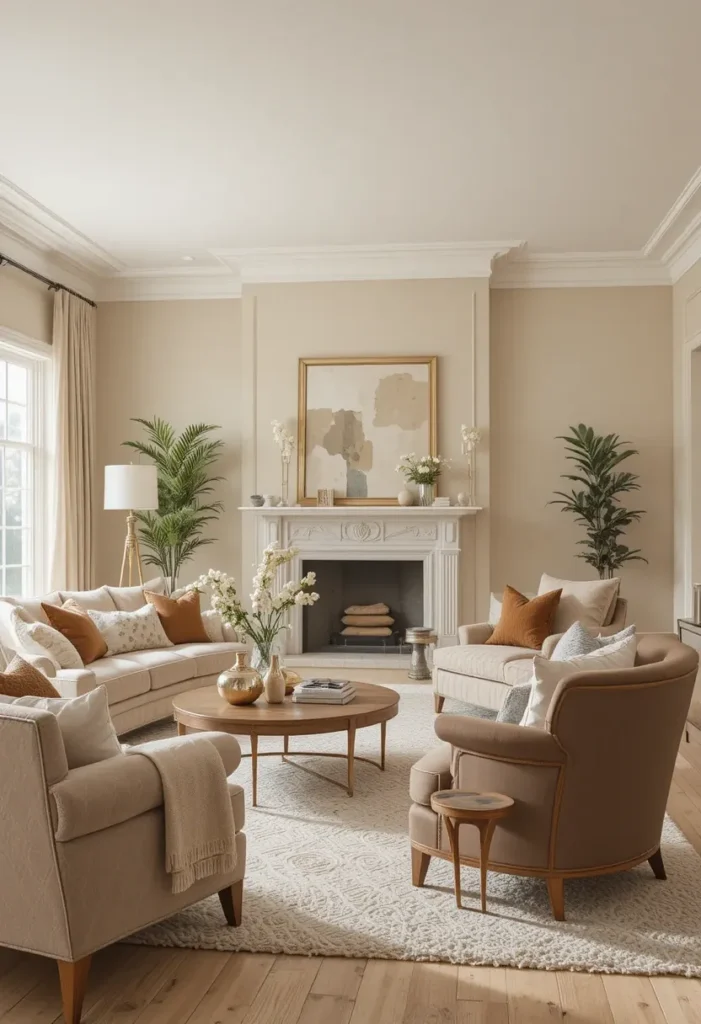
Color sets the emotional tone of the living room. Light neutrals feel open and calm, while darker tones create warmth and depth.
The mistake many people make is choosing colors based only on trends. Instead, think about lighting, room size, and how long you plan to keep the remodel.
A reliable approach is using one main neutral, one supporting color, and one subtle accent. This keeps the space cohesive without feeling flat.
4. Update the Walls Thoughtfully
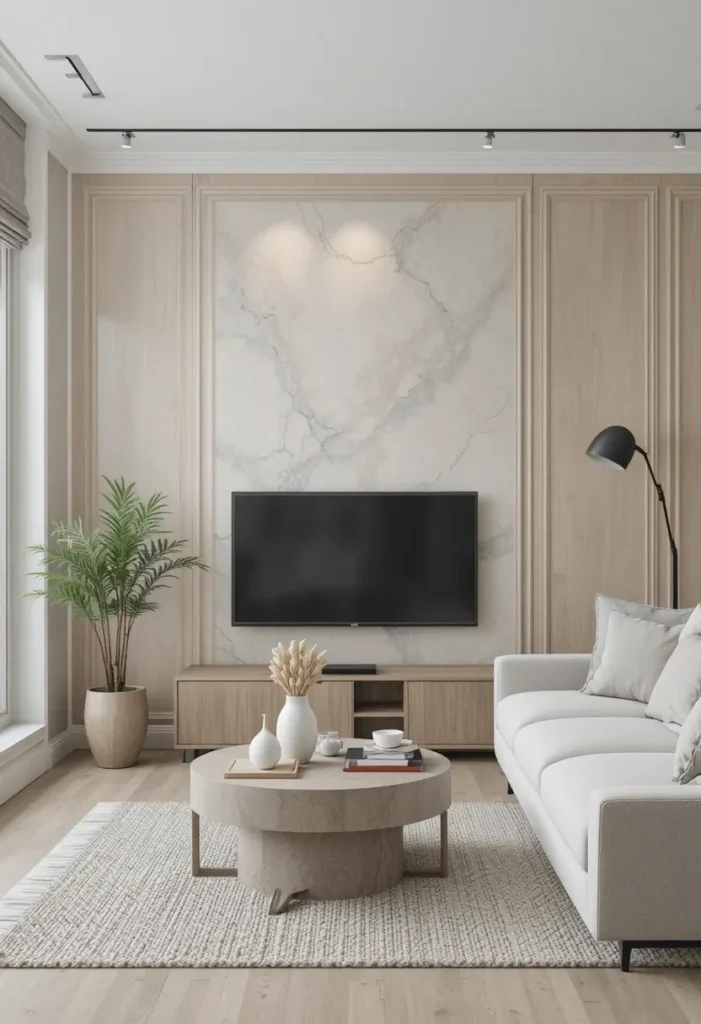
Walls take up the most visual space, so even small changes here can transform the room. Paint is the simplest option, but texture can add just as much impact.
Accent walls, paneling, or subtle wallpaper can add interest without overwhelming the space. The key is restraint.
Avoid over-decorating every wall. Leaving some walls simple gives the eye a place to rest and makes focal areas stand out more.
5. Improve Lighting in Layers
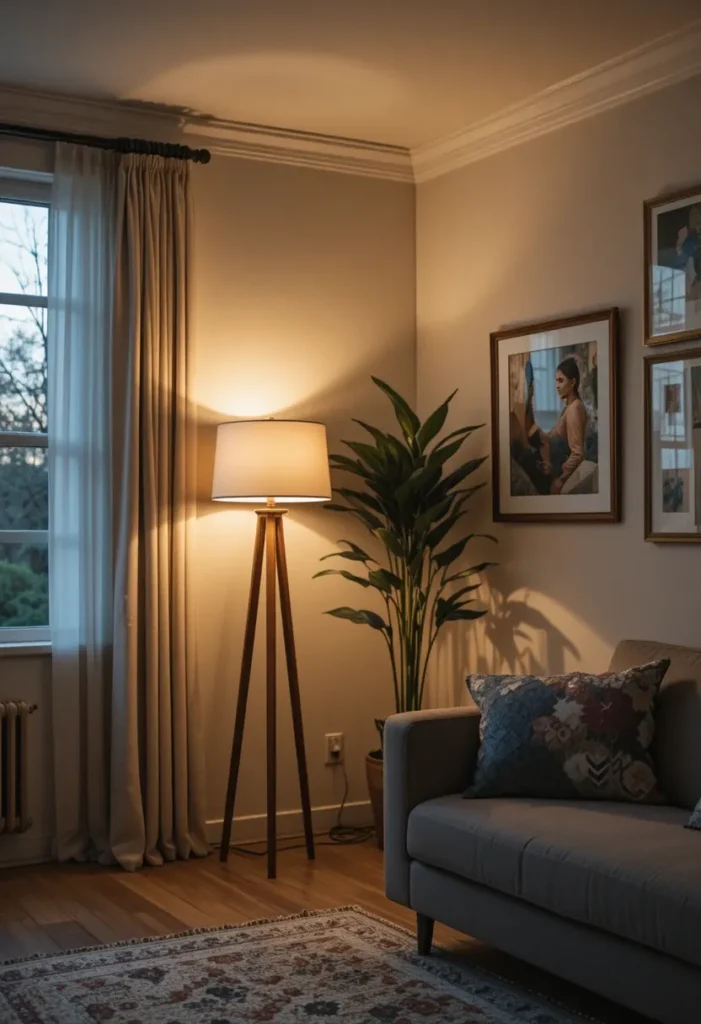
Lighting is often overlooked in a living room remodel, yet it changes everything. One overhead light is rarely enough.
Layered lighting includes ambient lighting, task lighting, and accent lighting. Together, they create flexibility and comfort.
A practical fix is adding floor or table lamps where you naturally sit. This instantly makes the room feel warmer and more functional.
6. Invest in Seating That Fits the Space
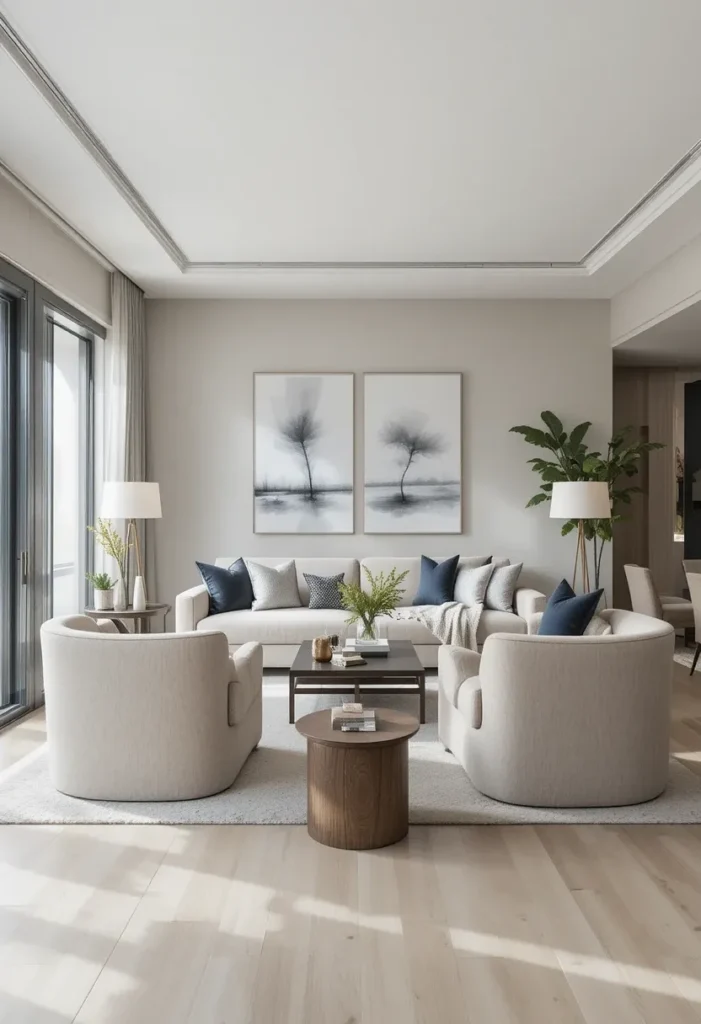
The sofa and chairs define how the living room feels and functions. Oversized seating can make the room feel cramped, while small pieces can feel disconnected.
Comfort matters just as much as size. If people avoid sitting in certain spots, something isn’t working.
Measure carefully and leave breathing room around each piece. It’s better to have fewer, well-sized seats than too many crowded ones.
Also Read This Blog: 13 Practical Living Room TV Wall Ideas to Maximize Style & Comfort
7. Rethink the Flooring
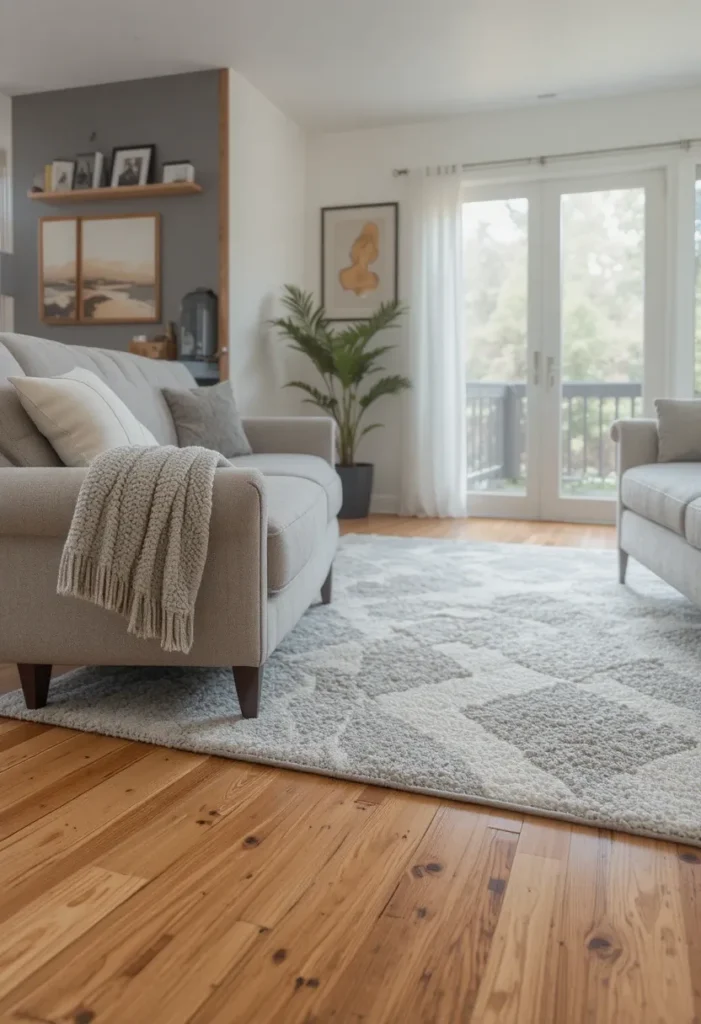
Flooring anchors the entire room. If it feels outdated or damaged, it can undermine every other improvement.
Hard flooring with a well-chosen rug often works better than wall-to-wall carpet in living rooms. Rugs define zones and add softness without commitment.
A common mistake is choosing a rug that’s too small. Ideally, front legs of seating should rest on the rug to visually connect the space.
8. Create a Clear Focal Point
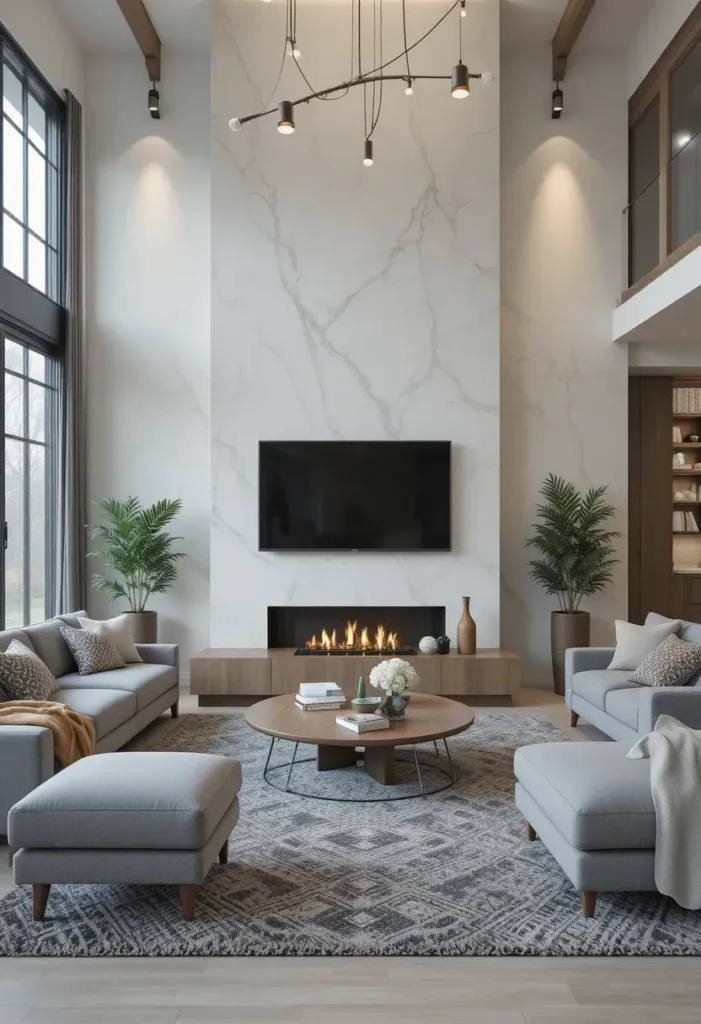
Every living room needs a focal point—something the eye naturally goes to when entering the room. This could be a fireplace, TV wall, window, or feature wall.
Without a focal point, furniture placement feels random. With one, decisions become easier.
If the TV is the focal point, design around it intentionally instead of trying to hide it awkwardly. Balance function with aesthetics.
Also Read This Blog: 13 Practical Apartment Living Room Ideas to Maximize Comfort & Style
9. Add Storage That Blends In
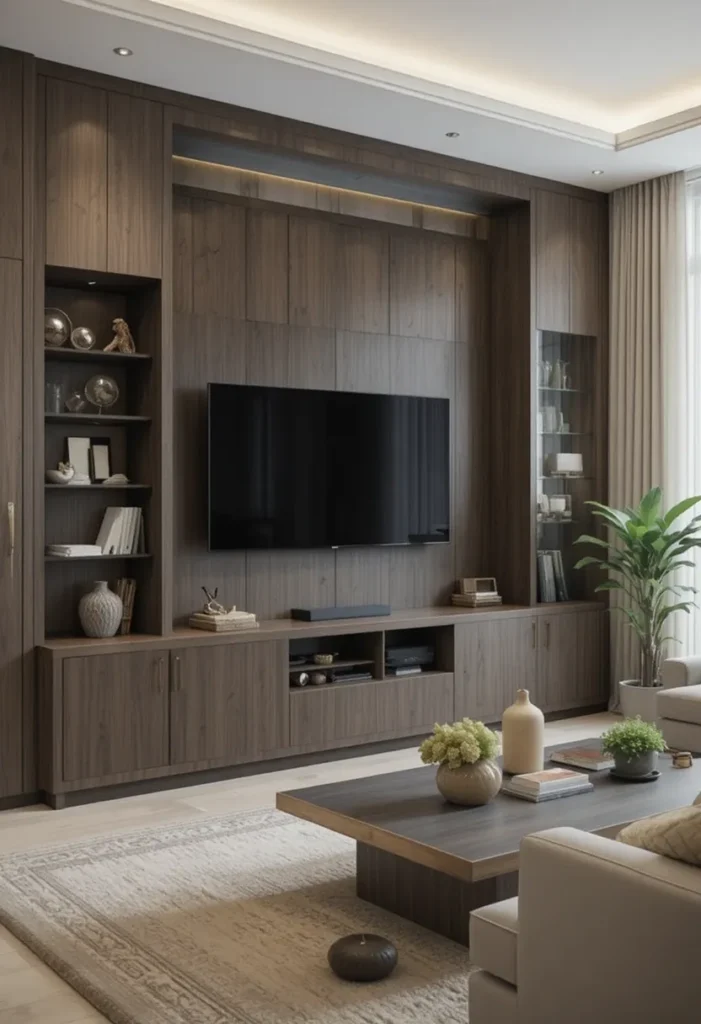
Clutter can ruin even the best remodel. Smart storage keeps the room usable and calm.
Built-ins, cabinets, or multifunctional furniture help hide everyday items without sacrificing style.
Avoid open shelving unless you’re willing to keep it curated. Closed storage is often more forgiving and realistic for daily life.
10. Use Textures to Add Depth
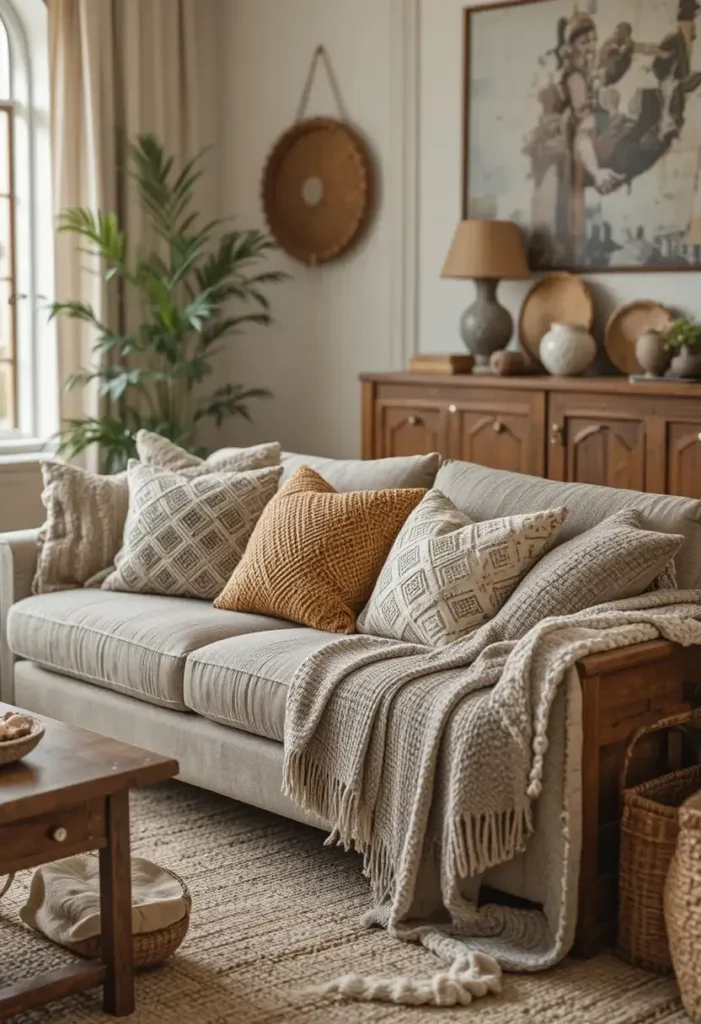
Texture is what makes a living room feel finished rather than flat. Mixing materials adds interest even in neutral spaces.
Think soft fabrics, natural wood, metal accents, and woven elements working together.
A simple way to do this is through pillows, throws, and curtains. These are low-risk updates with a big visual payoff.
11. Refresh Windows Without Overcomplicating

Window treatments affect light, privacy, and proportion. The wrong choice can make ceilings look lower or block natural light.
Hanging curtains higher and wider than the window frame makes the room feel taller and more open.
Keep fabrics appropriate for how much light you want. Heavy curtains can make a room feel dark if not balanced properly.
Also Read This Blog: 14 Farmhouse Living Room Ideas to Create a Cozy, Stylish Space
12. Be Intentional With Decor
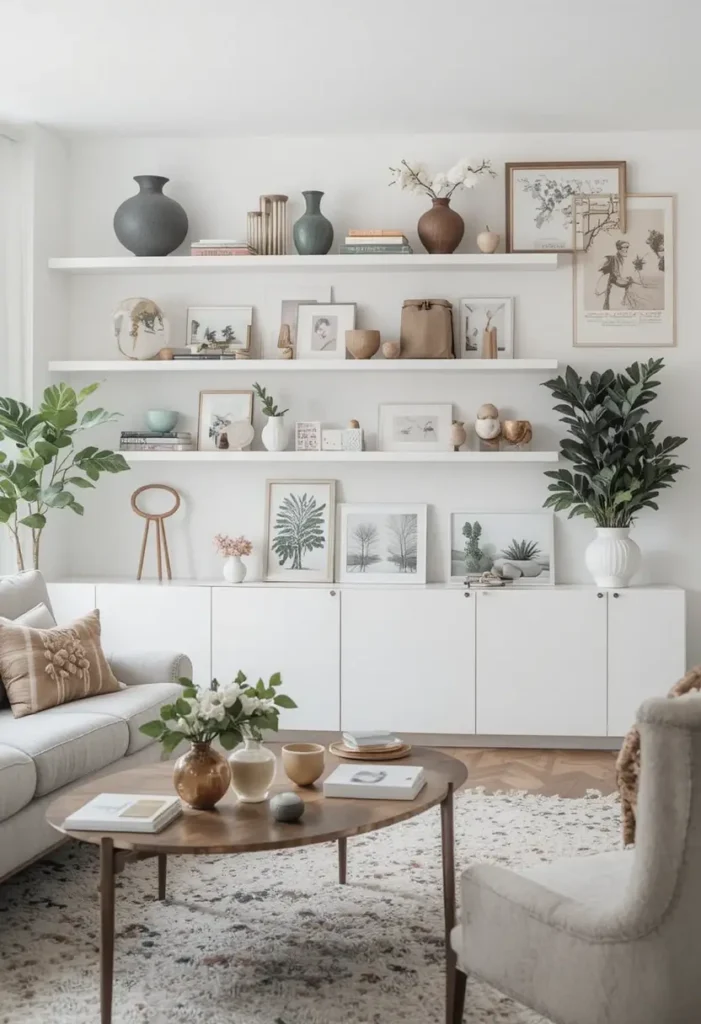
Decor should support the room, not compete with it. Too many small items create visual noise.
A good rule is grouping decor in odd numbers and varying heights. This feels more natural and balanced.
Leave some surfaces partially empty. Negative space helps highlight what you choose to display.
13. Balance Style With Personal Comfort
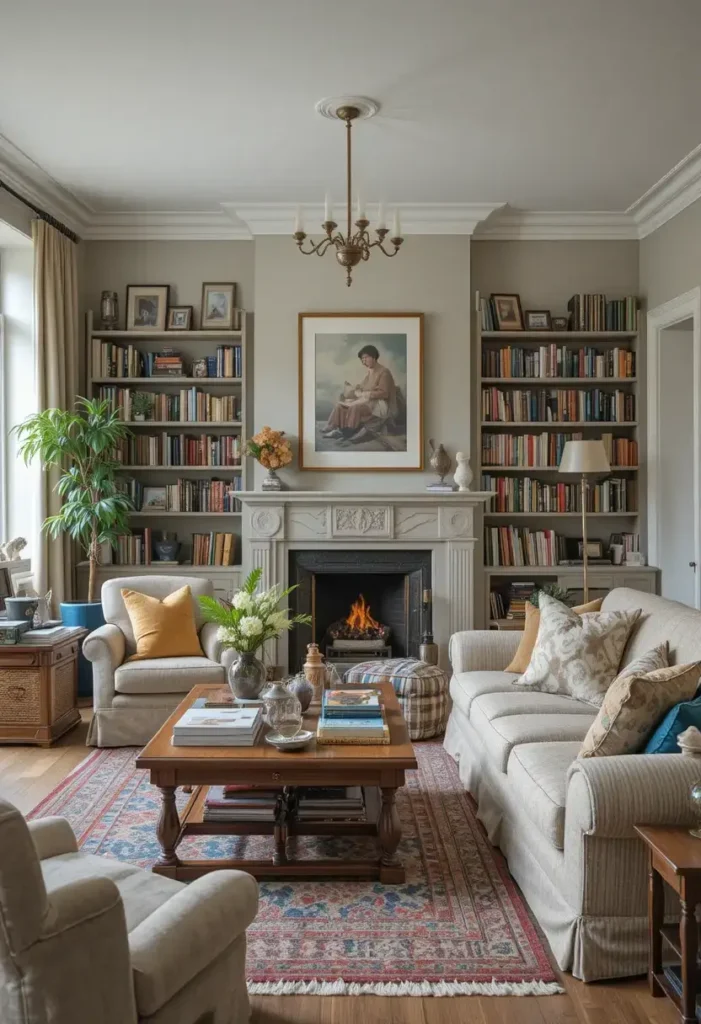
A living room remodel shouldn’t feel like a showroom. If it looks good but feels uncomfortable, something is off.
Personal touches—books, art, meaningful objects—make the room feel lived-in and welcoming.
Don’t remove comfort in the name of style. The best rooms feel relaxed and personal, not staged.
14. Make Changes in Stages When Needed
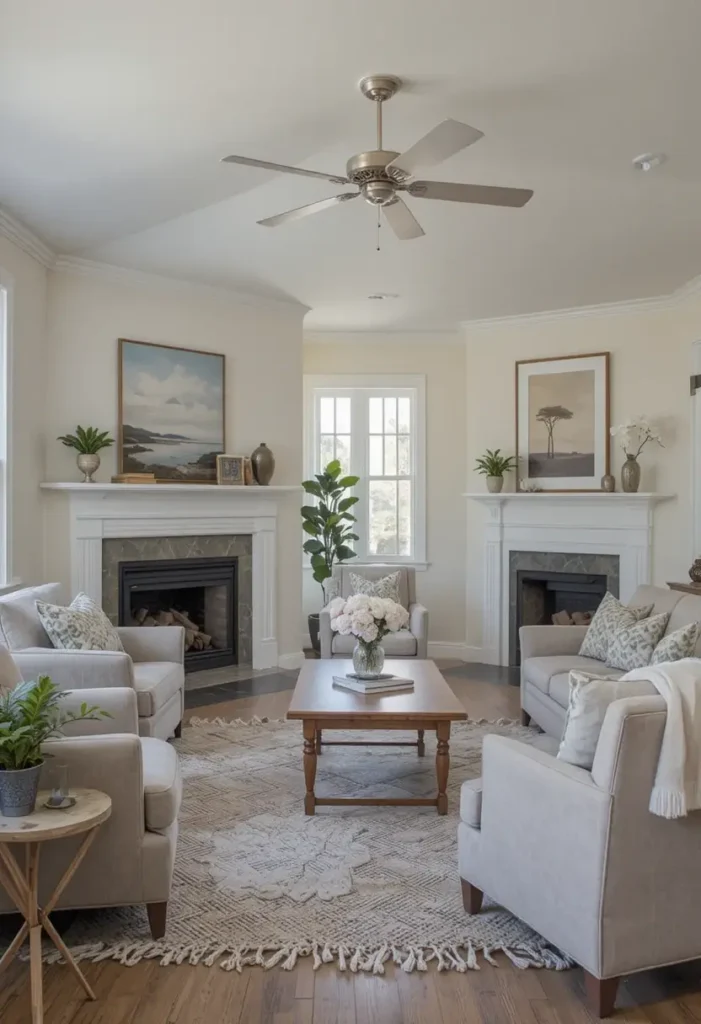
Not every remodel has to happen all at once. Rushing decisions often leads to regret.
Working in stages allows you to live with changes and adjust as needed. It also helps manage budget and stress.
Focus first on layout, paint, and lighting. Decorative upgrades can come later once the foundation feels right.
15. Improve Acoustics to Make the Room Feel Calmer
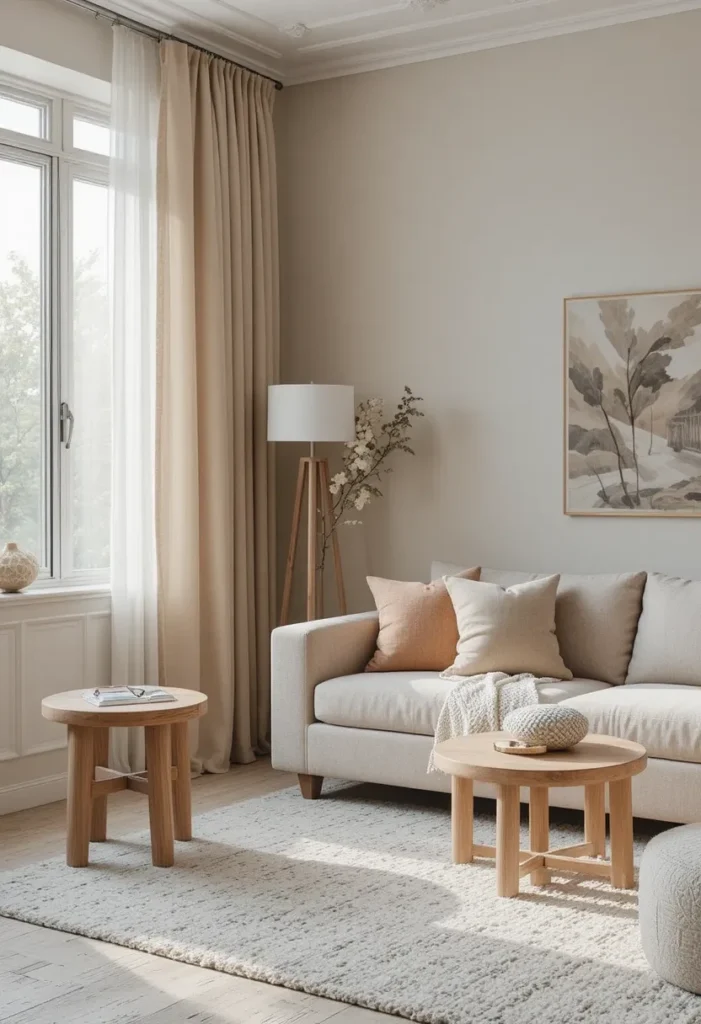
Many living rooms look great but still feel uncomfortable because of sound. Echo, TV noise bouncing around, or voices carrying too sharply can make the space feel tense without you realizing why.
This happens most often in rooms with hard floors, bare walls, and minimal soft furnishings. While these features look clean, they can make the room sound harsh and less inviting.
A practical fix is adding soft elements that absorb sound, such as area rugs, fabric curtains, upholstered furniture, or even wall art with texture. You don’t need special soundproofing—just balance hard surfaces with soft ones to make conversations and relaxation feel easier.
Conclusion
A living room remodel doesn’t need to be complicated to be successful. When you focus on how the space is actually used, make thoughtful choices, and avoid rushing decisions, the room naturally comes together. Clarity, comfort, and function matter more than trends. With a calm, step-by-step approach, you can create a living room that feels better every single day you use it.