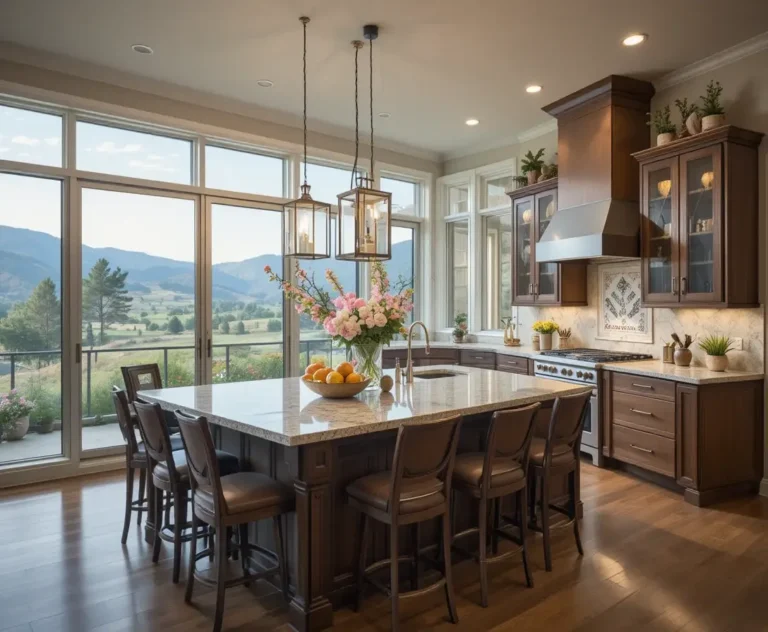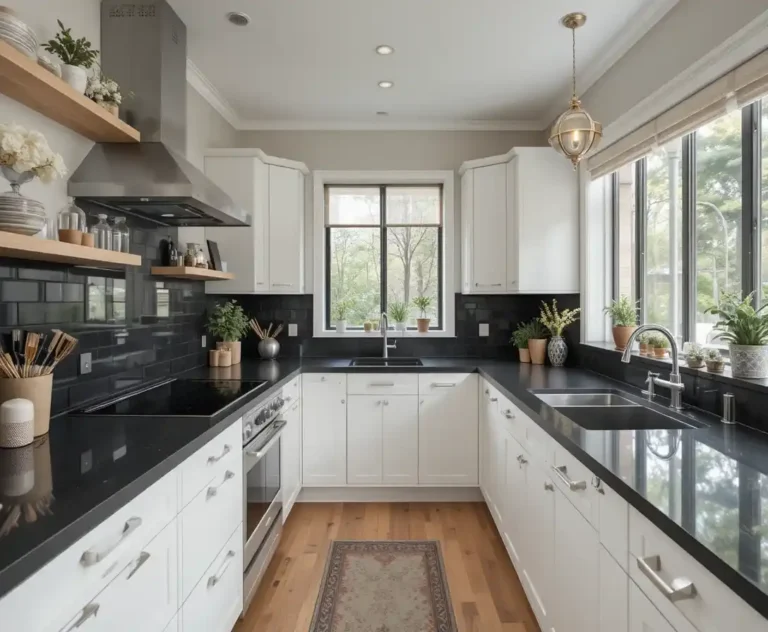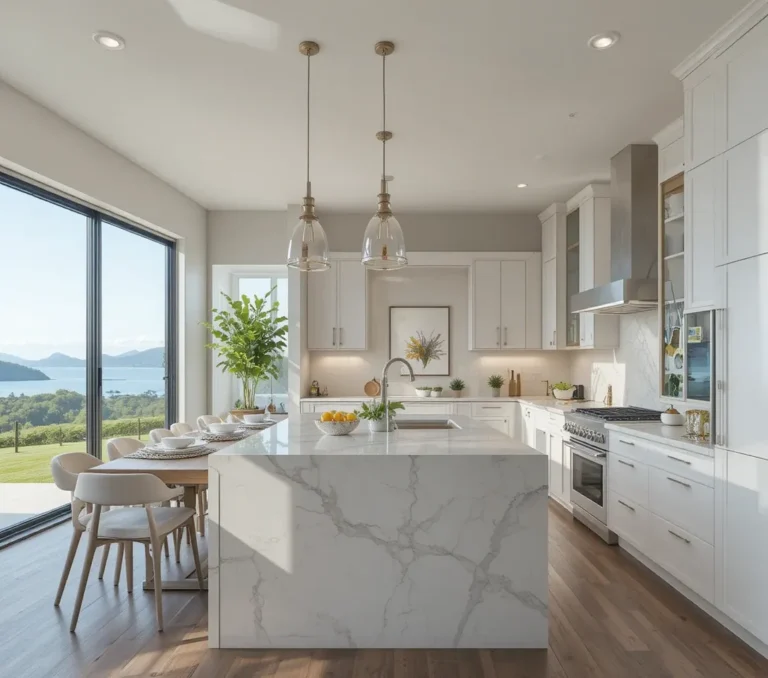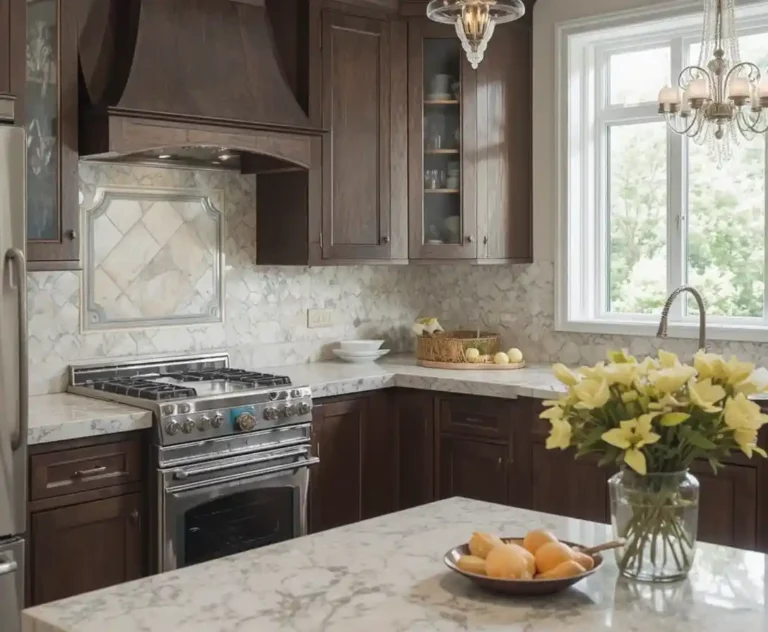
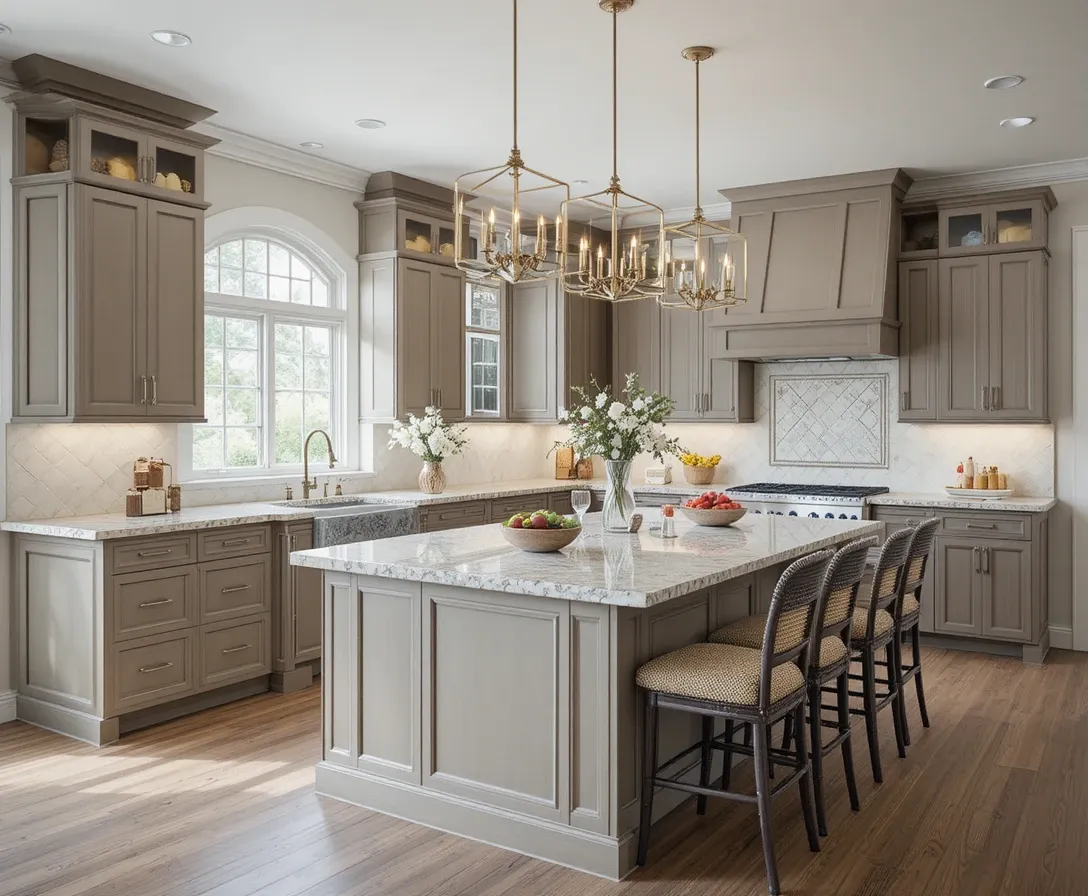
15 Kitchen Island Seating Ideas: Stylish & Functional Solutions for Your Home
Hey there! Your kitchen island is more than just a countertop—it’s a hub for cooking, dining, homework, and socializing. But not all islands are set up for comfort, style, or function. If your seating feels awkward, cramped, or just “meh,” it’s time to rethink your kitchen island setup.

In this guide, I’m sharing 15 practical ideas for kitchen island seating that solve real problems like poor spacing, uncomfortable chairs, mismatched heights, and lack of storage—all while keeping your kitchen Pinterest-worthy and inviting. Let’s jump into the first 8 ideas!
1. Backless Stools for Narrow Kitchens
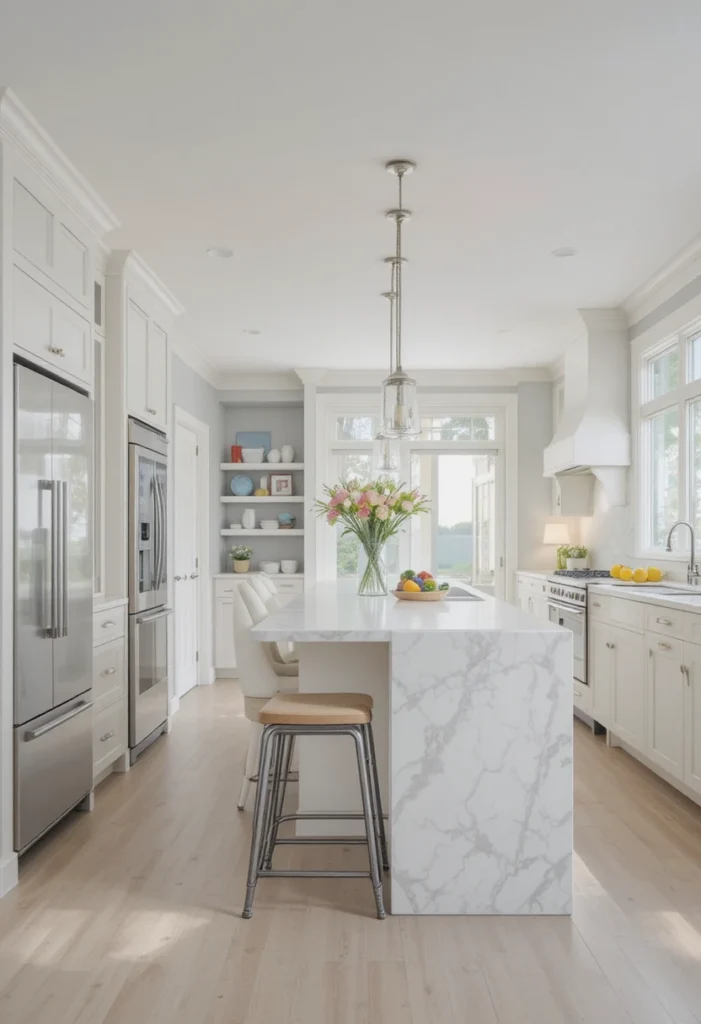
Problem: Tight kitchen aisles make it hard to move around, and bulky stools get in the way.
Solution:
- Use backless stools that tuck neatly under the island.
- Choose slim, lightweight designs that are easy to slide in and out.
- Add padded seats for comfort without bulk.
Benefit: You can navigate your kitchen without bumping into furniture, keeping traffic smooth and your space airy.
2. Adjustable-Height Stools for Mixed Counter Levels
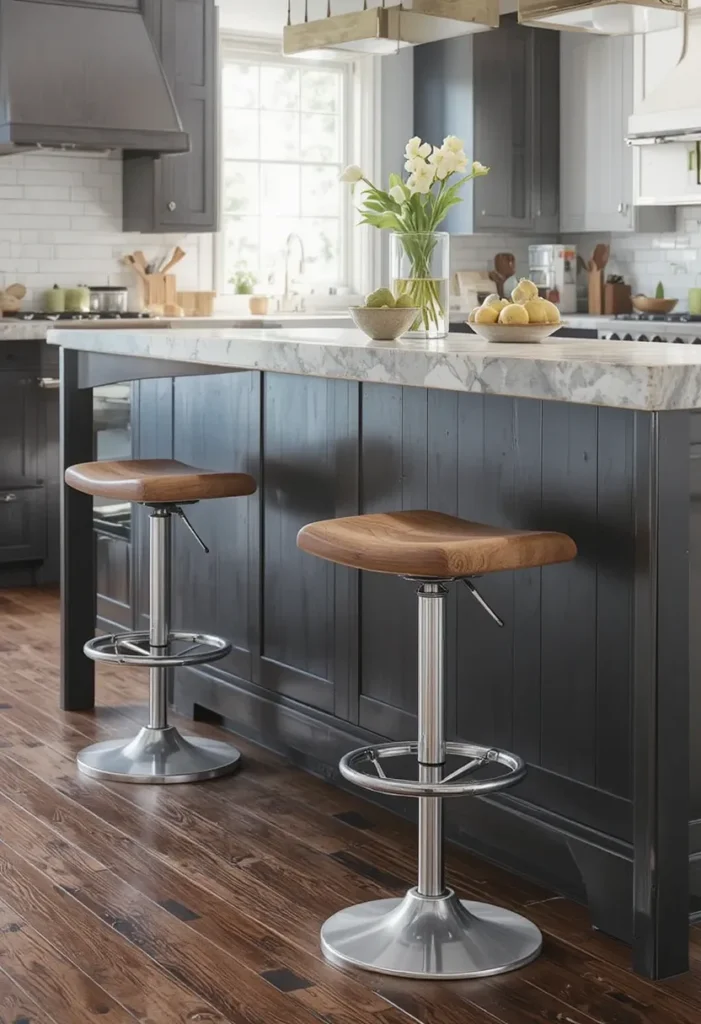
Problem: Your island is higher or lower than standard counters, leaving knees cramped or feet dangling.
Solution:
- Pick adjustable-height stools to fit any counter height now and in the future.
- Look for built-in footrests for extra comfort.
- Consider swivel options for extra flexibility.
Benefit: Everyone sits comfortably, whether it’s a quick snack or long family dinner.
3. Stools with Backs for Long Chats
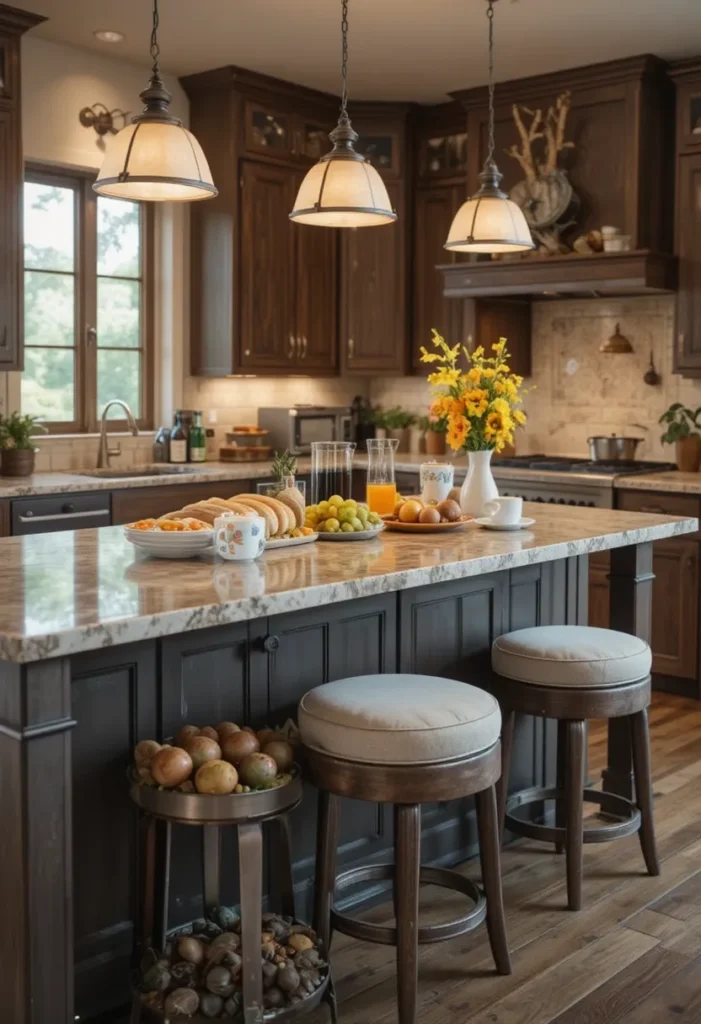
Problem: Backless stools feel great short-term but become uncomfortable during homework, coffee, or casual work-from-home sessions.
Solution:
- Choose stools with low or high backs for support.
- Opt for ergonomic seats with cushioning.
- Ensure the design complements your kitchen style.
Benefit: You can linger at your island without discomfort, making it a true gathering spot.
4. Built-In Storage Beneath the Island
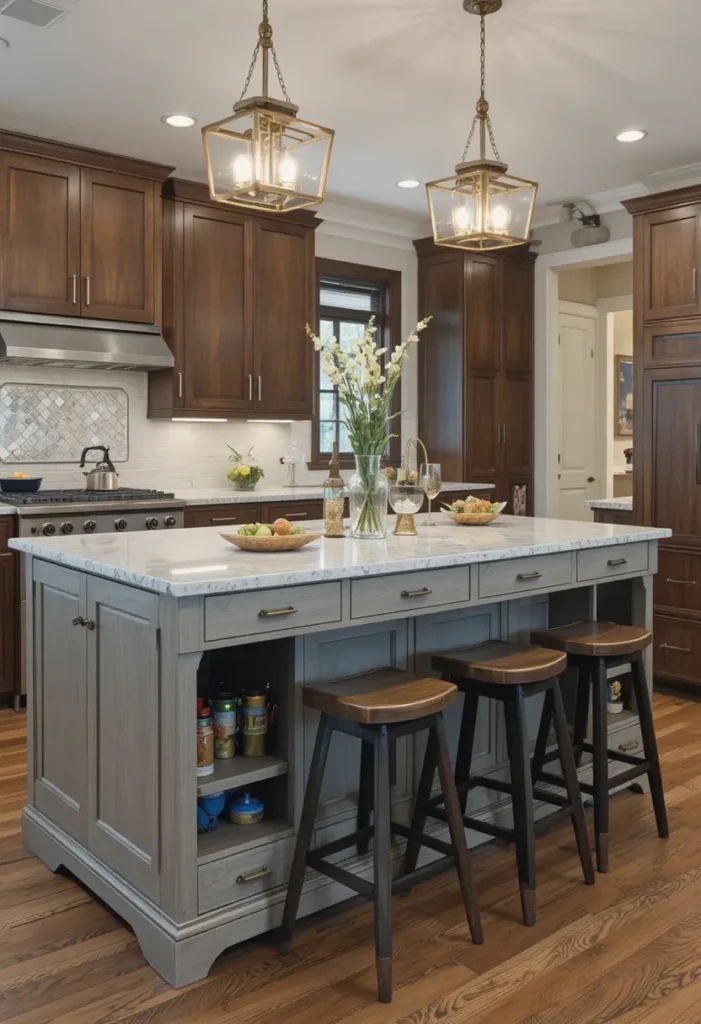
Problem: Islands often become clutter magnets, leaving seating areas crowded with cookbooks, appliances, or utensils.
Solution:
- Add open shelves or drawers underneath the island.
- Keep everyday essentials close but out of the way.
- Combine storage with seating by leaving leg space for stools.
Benefit: Your island stays organized, functional, and beautiful—no cluttered counters or cramped chairs.
5. L-Shaped or Corner Seating for Small Spaces
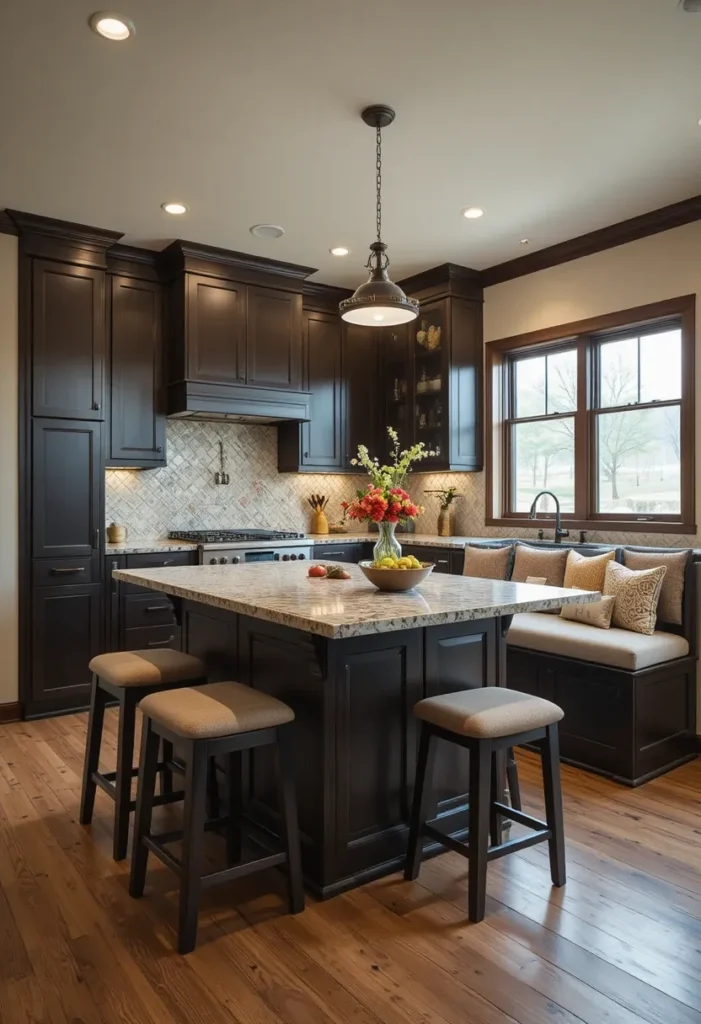
Problem: Tight kitchens can feel awkward with traditional straight-line islands.
Solution:
- Try L-shaped seating or a corner banquette for the island.
- Use built-in benches with cushions for comfort.
- Place a few matching stools on the open side for flexibility.
Benefit: Maximizes seating in small kitchens, encourages socializing, and makes the most of awkward corners.
Also Read This Blog: 18 Smart Designs White Kitchen Ideas That Actually Work in Real Homes
6. Counter vs. Bar Height Stools for Proper Fit
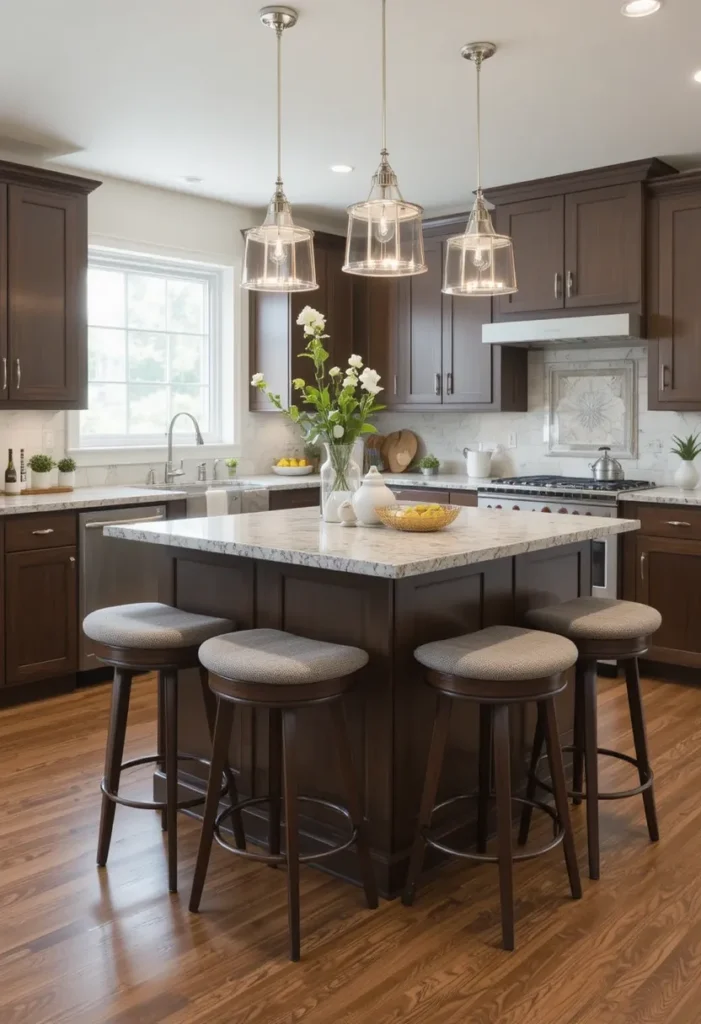
Problem: Wrong stool height leaves feet dangling, knees cramped, or posture poor.
Solution:
- Measure your island height:
- Counter-height islands (36”) → stools 24–26”.
- Bar-height islands (42”) → stools 28–30”.
- Adjustable-height stools work for mixed-height islands.
Benefit: Everyone sits naturally, improving comfort and usability for breakfast, homework, or entertaining.
7. Swivel Stools for Social Kitchens
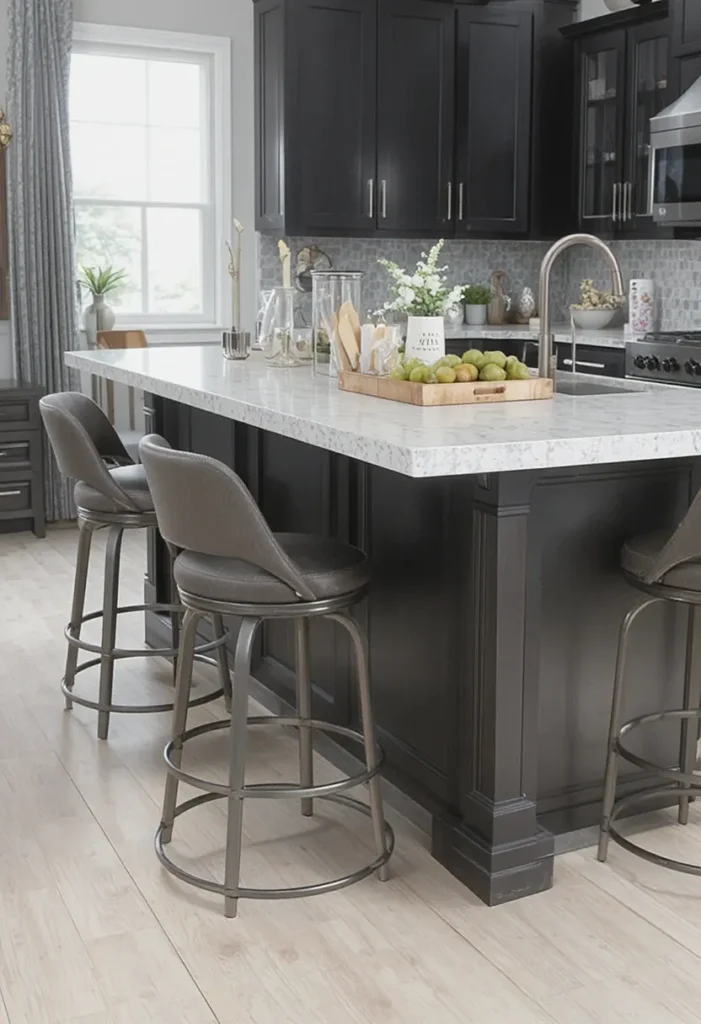
Problem: Standard stools make it tricky to chat, serve, or reach across the island.
Solution:
- Choose swivel stools for rotation while seated.
- Pair with cushioned seats for longer comfort.
- Ensure your stools are stable and weight-tested for safety.
Benefit: You can rotate to interact with family, friends, or the chef without awkward twisting, making the island more social.
Also Read This Blog: 15 Kitchen Sink Ideas That Make Everyday Cooking Easier and More Stylish
8. Stackable or Foldable Stools for Flexible Seating
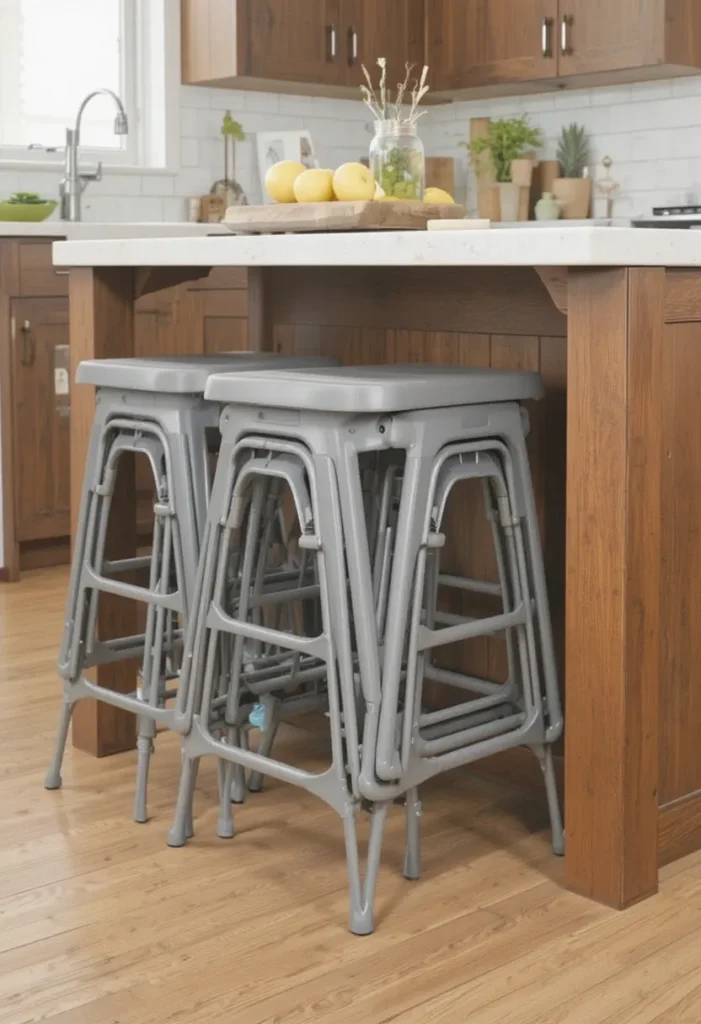
Problem: You entertain occasionally but don’t want permanent bulky seating cluttering your kitchen.
Solution:
- Use stackable or foldable stools for easy storage.
- Opt for lightweight materials like wood or metal.
- Keep the color and style cohesive with your kitchen design.
Benefit: Extra seating is available only when needed, keeping your island and kitchen open and flexible.
9. Upholstered Stools for Maximum Comfort
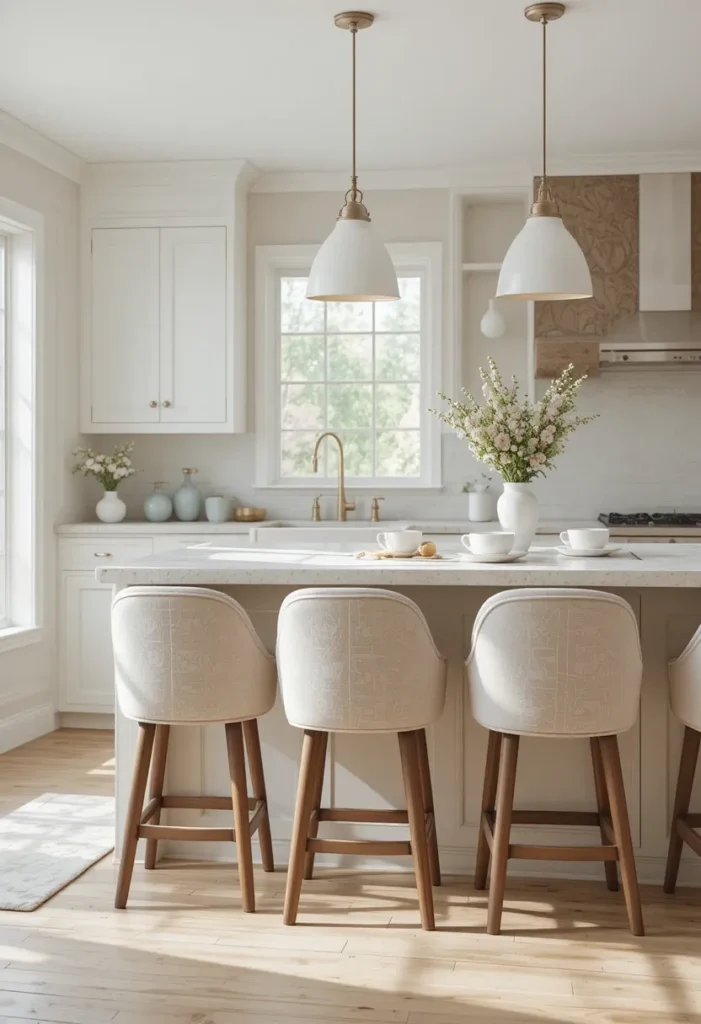
Problem: Hard seats can make long breakfasts, coffee breaks, or homework sessions uncomfortable.
Solution:
- Choose upholstered stools with soft cushions in fabric, leather, or faux leather.
- Consider stain-resistant materials if you have kids or pets.
- Add matching cushions or seat pads for extra coziness.
Benefit: Long meals or casual chats become more inviting, making your island the go-to spot for family and friends.
10. Stools with Armrests for Lounge-Like Seating
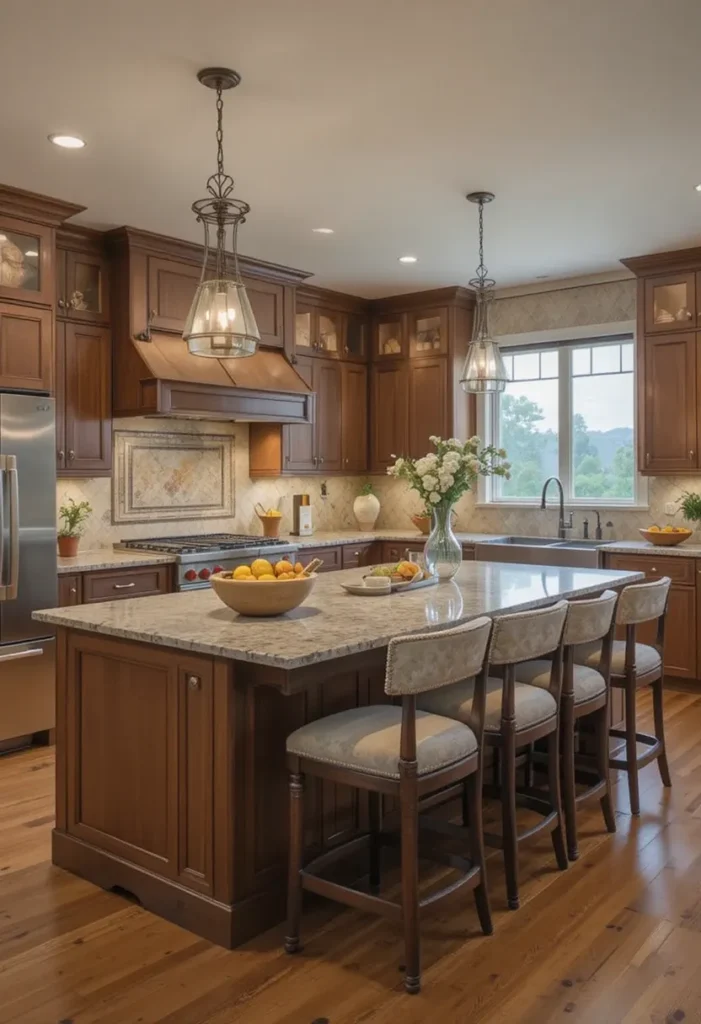
Problem: Standard stools feel too upright, leaving people tense or awkward during casual dining or entertaining.
Solution:
- Pick stools with low or high backs and armrests.
- Make sure the design fits under the island without crowding floor space.
- Combine with footrests for ultimate comfort.
Benefit: Creates a “lounge” vibe at your island—perfect for relaxed meals or entertaining guests.
11. Mix-and-Match Stools for Personality

Problem: Uniform stools can make your kitchen feel flat or predictable.
Solution:
- Combine different colors, materials, or heights while keeping a cohesive element (like black legs or neutral cushions).
- Play with textures: wood, metal, or woven finishes.
- Mix soft and hard surfaces for variety and comfort.
Benefit: Adds personality and visual interest while maintaining a functional, stylish seating area.
12. Minimalist Stools for Sleek Kitchens

Problem: Bulky stools make modern kitchens feel cluttered or visually heavy.
Solution:
- Choose minimalist designs with clean lines, slim legs, and neutral tones.
- Materials like acrylic, metal, or light wood keep your space airy.
- Avoid oversized seats that block floor space.
Benefit: Opens up your kitchen visually, creating a sleek and modern look without sacrificing seating comfort.
Also Read This Blog: Waterfall Island Kitchen Ideas: 15 Designs That Transform Your Space
13. Stools with Storage for Extra Function
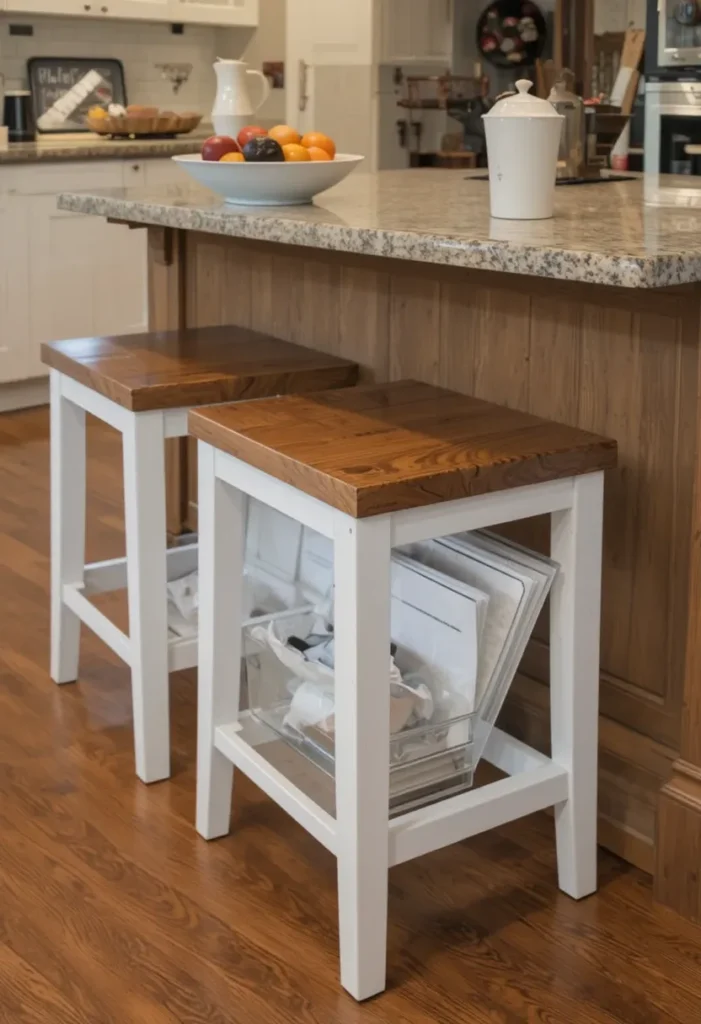
Problem: Small kitchens often lack storage, leading to cluttered countertops and cabinets.
Solution:
- Select stools with hidden compartments, shelves, or under-seat storage.
- Use for napkins, cookbooks, or small kitchen gadgets.
- Keep contents organized so it’s easy to access without obstructing seating.
Benefit: Solves storage issues while keeping your island functional and stylish—a dual-purpose solution for small spaces.
14. Patterned or Textured Stools for Visual Interest
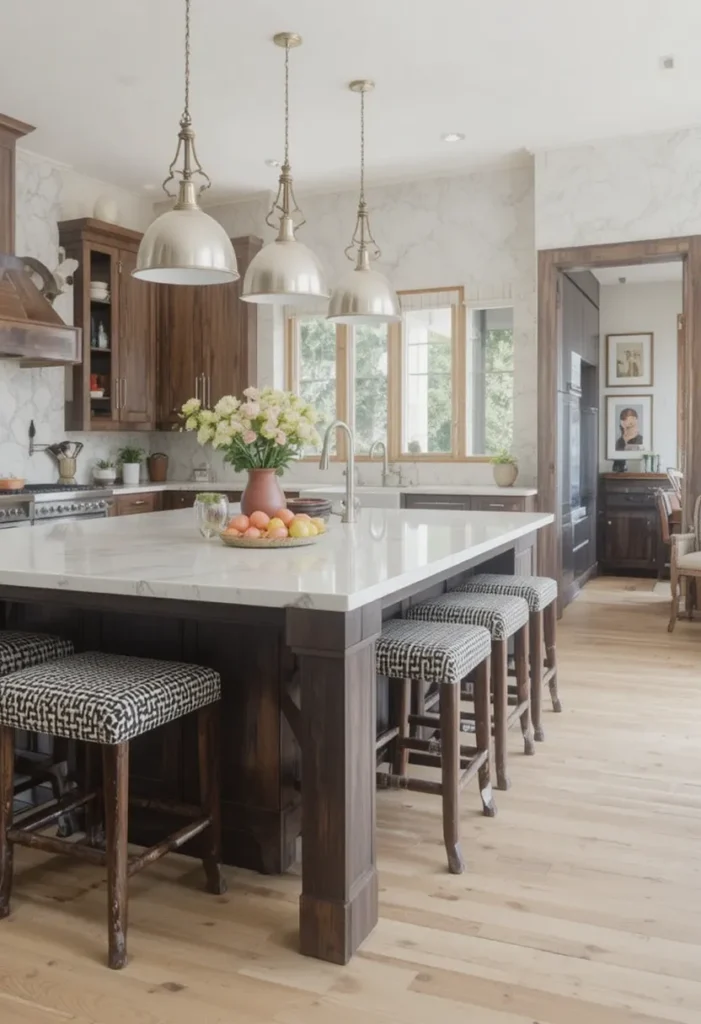
Problem: Monotone stools can make your island look plain or uninspired.
Solution:
- Choose patterned upholstery, woven textures, or leather finishes.
- Mix materials like wood, metal, or fabric for depth.
- Ensure patterns complement your kitchen palette without clashing.
Benefit: Adds visual interest and a “wow factor,” giving your island personality without overwhelming the space.
Also Read This Blog: 18 Kitchen Island Lighting Ideas That Actually Work
15. Swivel Stools with Footrests for Social Comfort
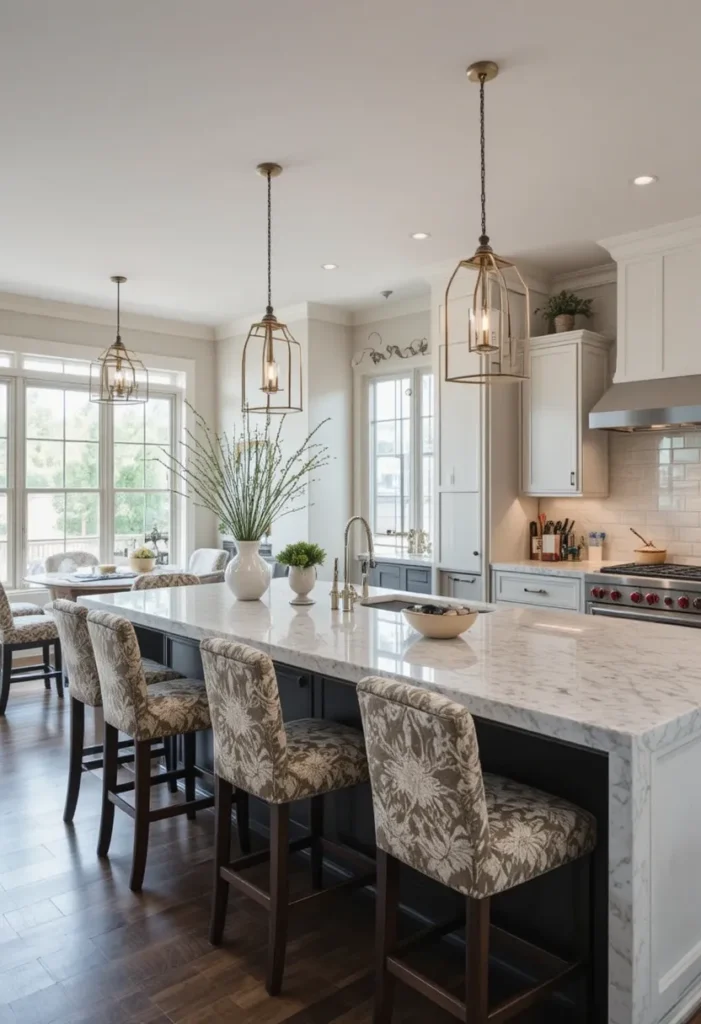
Problem: Guests or family members feel uncomfortable if their feet dangle or they can’t turn to talk while seated.
Solution:
- Opt for swivel stools with built-in footrests.
- Ensure the swivel mechanism is smooth and safe.
- Pair with cushioned seats for extended comfort.
Benefit: Everyone can rotate to join the conversation, rest their feet comfortably, and enjoy longer meals or coffee breaks—making your kitchen island the ultimate social hub.
Final Thoughts
Choosing the right kitchen island seating is about solving real-life homeowner problems: tight aisles, uncomfortable heights, lack of storage, and boring or mismatched styles.
From backless stools for narrow spaces to cozy upholstered loungers, these 15 ideas show that seating can be both functional and stylish, turning your island into the heart of your home.
With thoughtful selection, your stools will improve comfort, usability, and aesthetics, keeping your kitchen practical, Pinterest-worthy, and a place where family and friends naturally gather.