14 Kitchen Ideas for Small Spaces That Actually Work
Small kitchens can feel limiting, but with the right approach, they can be surprisingly functional and beautiful. If you’re working with a compact layout, every inch matters — and thoughtful design makes all the difference. The good news? You don’t need a full renovation to improve flow, storage, and comfort. Smart layout choices, light-enhancing details, and multi-purpose features can completely change how your kitchen feels and works.
These 14 small kitchen ideas for small spaces will help you create a room that feels organized, open, and easy to use every day.
1. Use Vertical Space to Unlock Hidden Storage
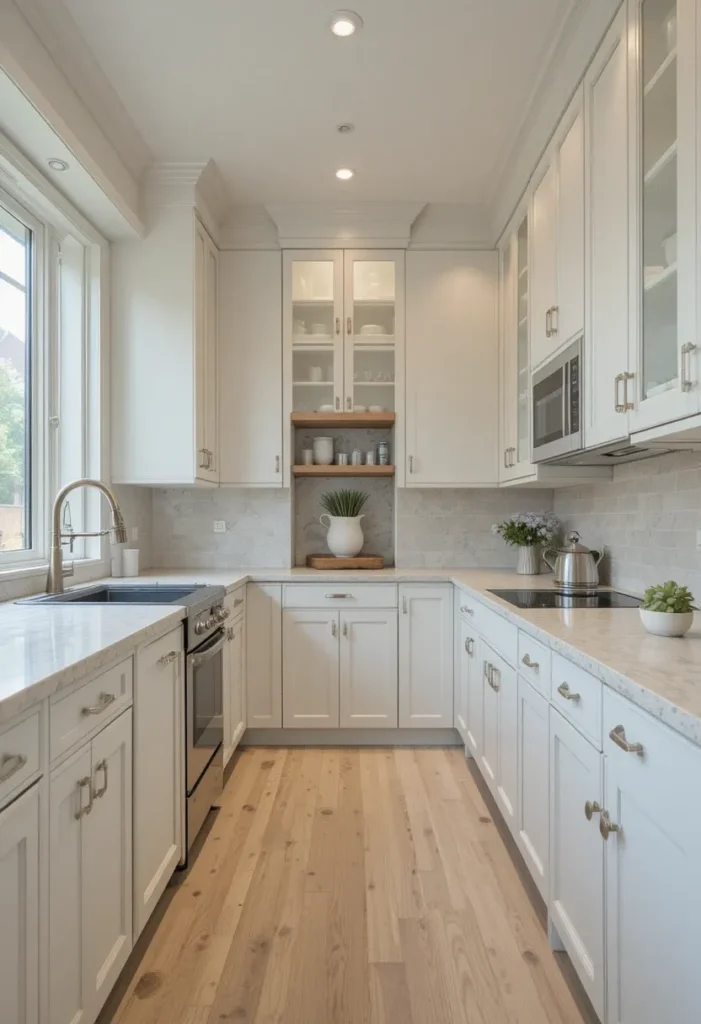
One of the biggest mistakes in small kitchens is ignoring vertical space. Most kitchens stop storage at eye level, leaving valuable wall space unused. Tall cabinets that reach the ceiling instantly increase storage and reduce visual clutter caused by items stored on top of cabinets.
Open shelves near the ceiling are ideal for items you don’t use daily, such as serving dishes or seasonal cookware. Hooks, rails, and hanging racks can also be mounted vertically to store utensils, mugs, or pans. When storage moves upward, counters stay clear, and the kitchen feels more open and organized.
2. Choose Light Colors to Visually Expand the Space
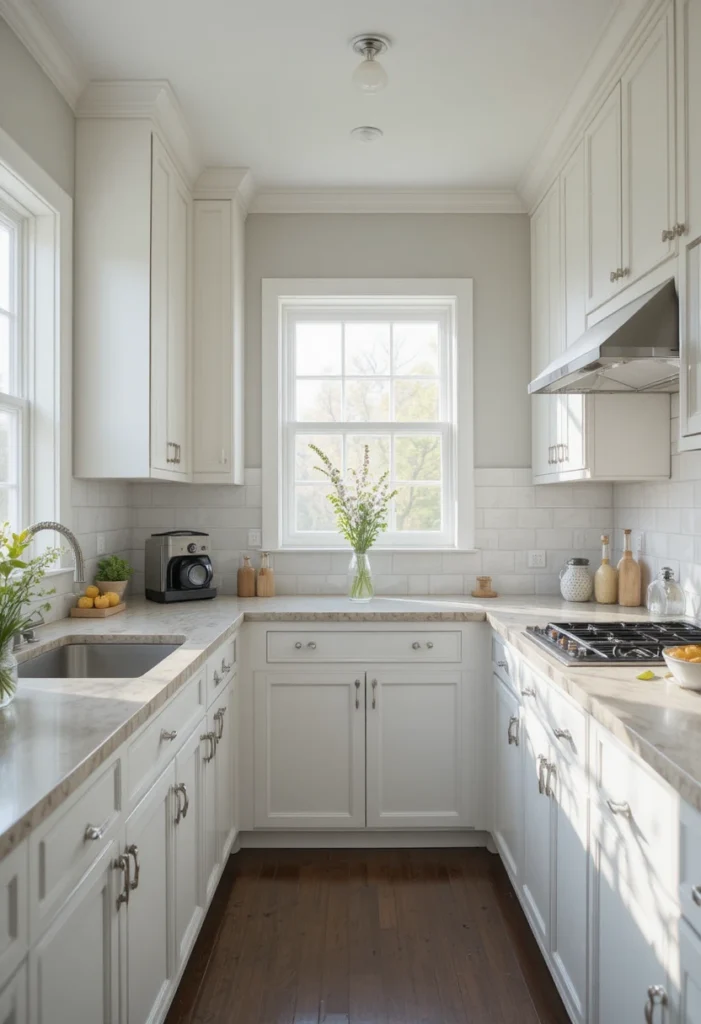
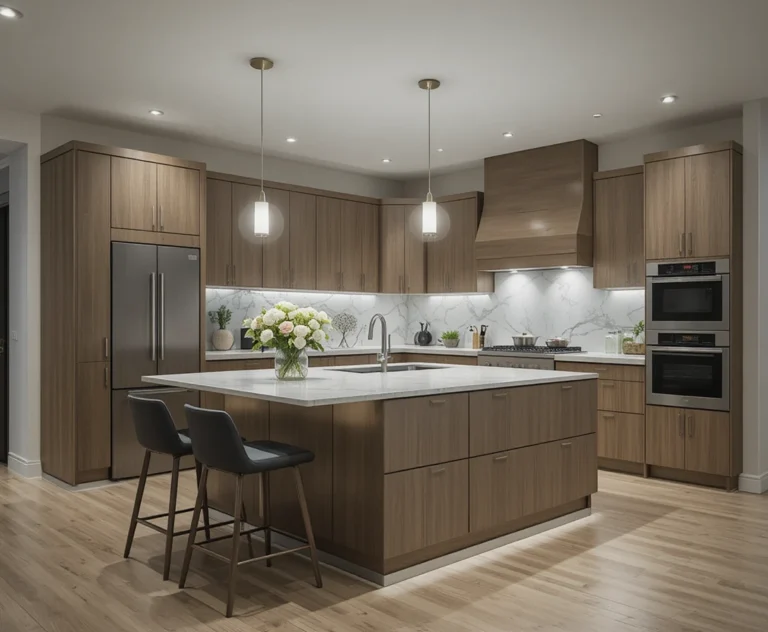
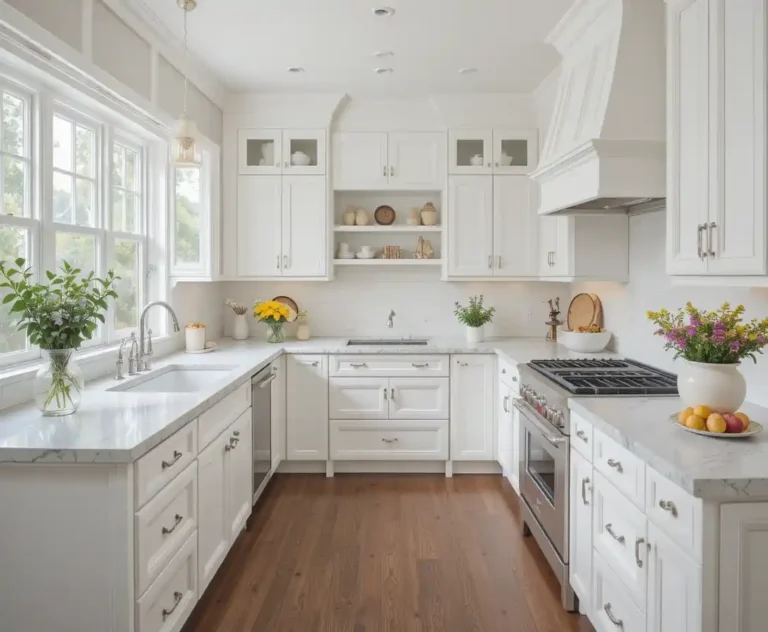
Color plays a powerful role in how large or small a kitchen feels. Dark colors absorb light, making small kitchens feel closed in. Light colors reflect light and create a sense of openness. White, soft beige, light gray, and pastel tones are excellent choices for small kitchens.
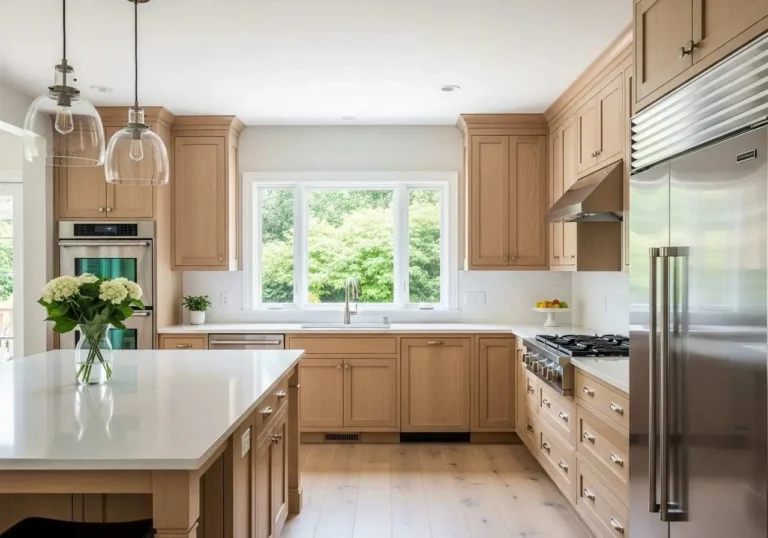
Using the same color palette for cabinets, walls, and backsplash reduces visual breaks, which makes the space feel larger. You don’t need to eliminate contrast entirely—subtle texture or light wood tones can add warmth without overwhelming the room.
3. Install Smart Corner Storage Solutions
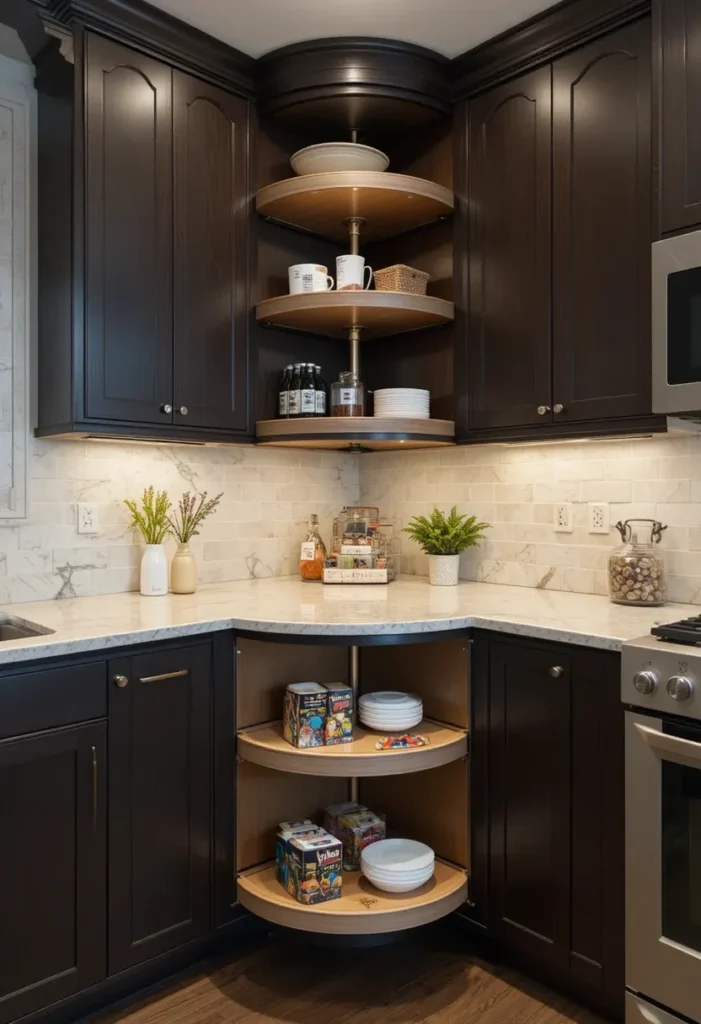
Corners are often the most wasted areas in small kitchens. Deep corner cabinets become black holes where items get lost and forgotten. Smart corner solutions like lazy Susans, pull-out corner drawers, or swing-out shelves transform these spaces into highly functional storage zones.
These systems allow easy access to pots, pans, and small appliances without digging through clutter. When corners work efficiently, the entire kitchen layout feels smoother and more practical, especially in L-shaped or U-shaped kitchens.
4. Keep Countertops Clear with Built-In Storage
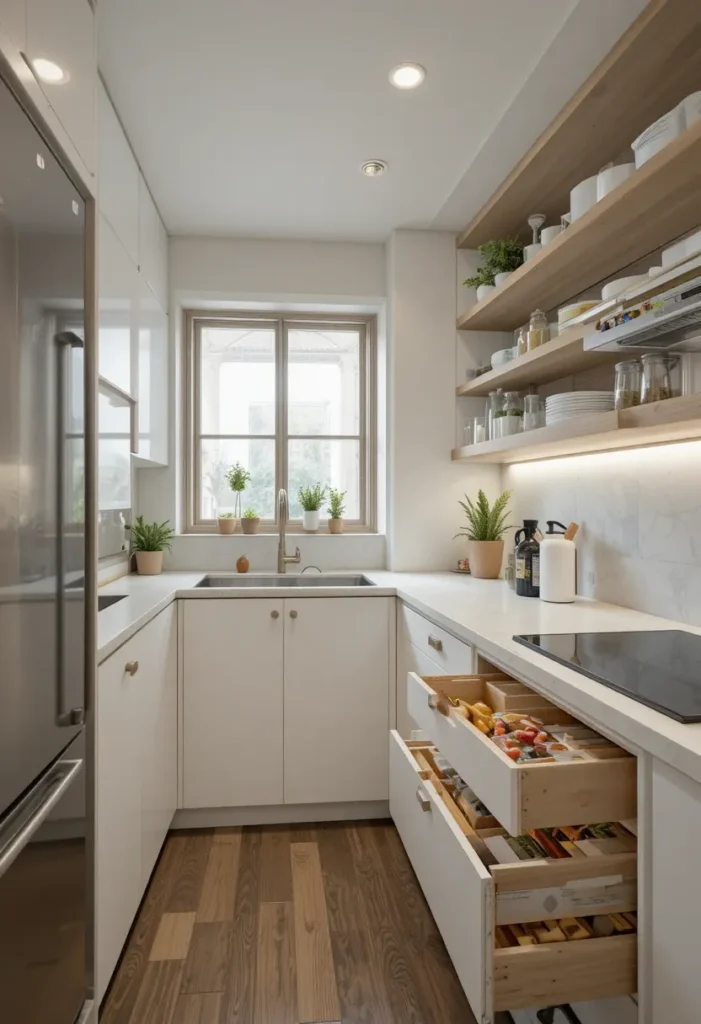
Crowded countertops make small kitchens feel cramped and stressful. The solution isn’t fewer tools—it’s better storage placement. Built-in organizers inside cabinets and drawers help store items where they belong instead of leaving them out.
Drawer dividers, pull-out spice racks, and vertical tray storage keep everything accessible but hidden. When countertops stay mostly clear, the kitchen feels larger, cleaner, and easier to work in, even during busy cooking sessions.
5. Choose Compact, Multi-Functional Appliances
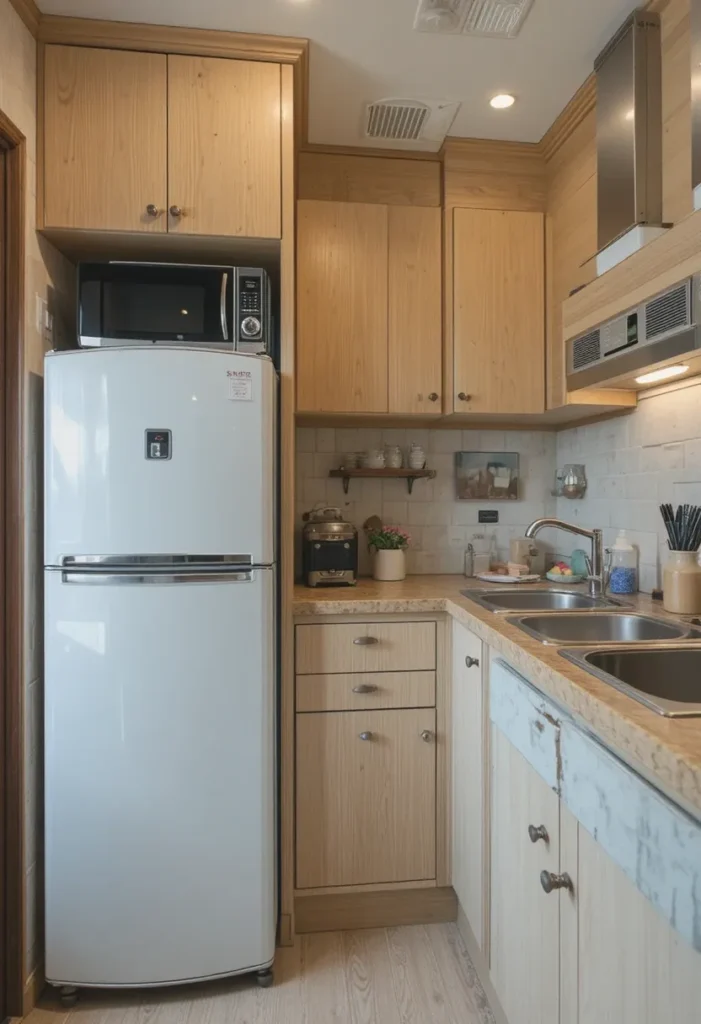
Oversized appliances are one of the biggest space killers in small kitchens. Compact appliances designed for smaller homes provide the same functionality without overwhelming the space. Slim refrigerators, narrow dishwashers, and combination microwave-oven units free up valuable room.
Multi-functional appliances are especially useful. For example, an oven with an air-fry feature or an induction cooktop with built-in safety features reduces the need for extra gadgets. Fewer appliances mean less clutter and more usable space.
6. Improve Flow with a Simple, Efficient Layout
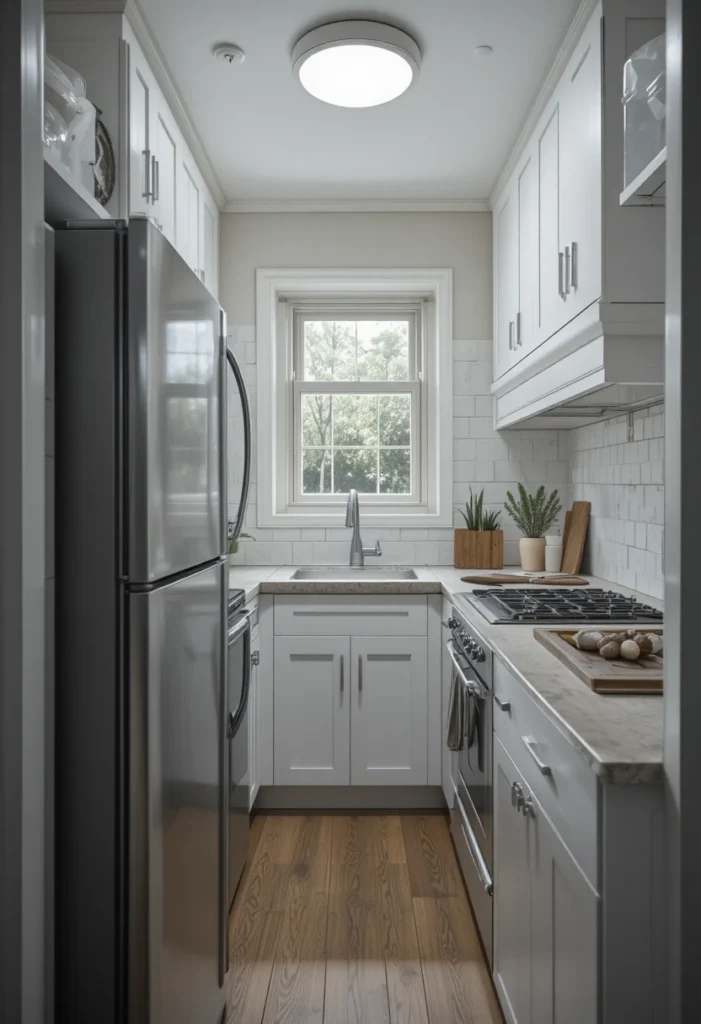
A small kitchen must prioritize movement. Poor layouts cause unnecessary steps, blocked cabinets, and awkward work zones. Simple layouts like galley or L-shaped kitchens work best for small spaces because they keep everything within reach.
Place the sink, stove, and refrigerator close enough to move easily between them, but not so close that the space feels crowded. A well-planned layout saves time, reduces frustration, and makes even the smallest kitchen feel comfortable to use daily.
Also Read This Blog: 18 Smart Designs White Kitchen Ideas That Actually Work in Real Homes
7. Use Open Shelving Without Overcrowding
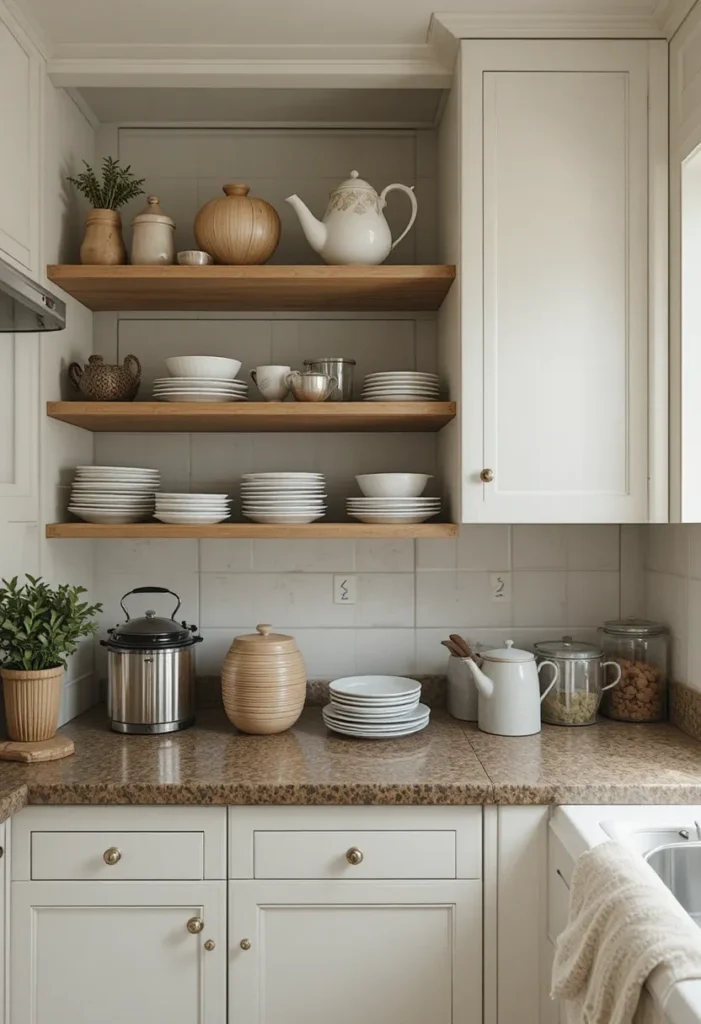
Open shelving can make a small kitchen feel lighter, but only when used thoughtfully. Too many open shelves filled with random items quickly create visual clutter. The key is balance.
Limit open shelving to one wall or a small section and use it for frequently used items like dishes or glassware. Keep colors consistent and avoid overloading shelves. This approach adds openness while maintaining a clean, organized look.
8. Go Vertical with Tall Storage Units
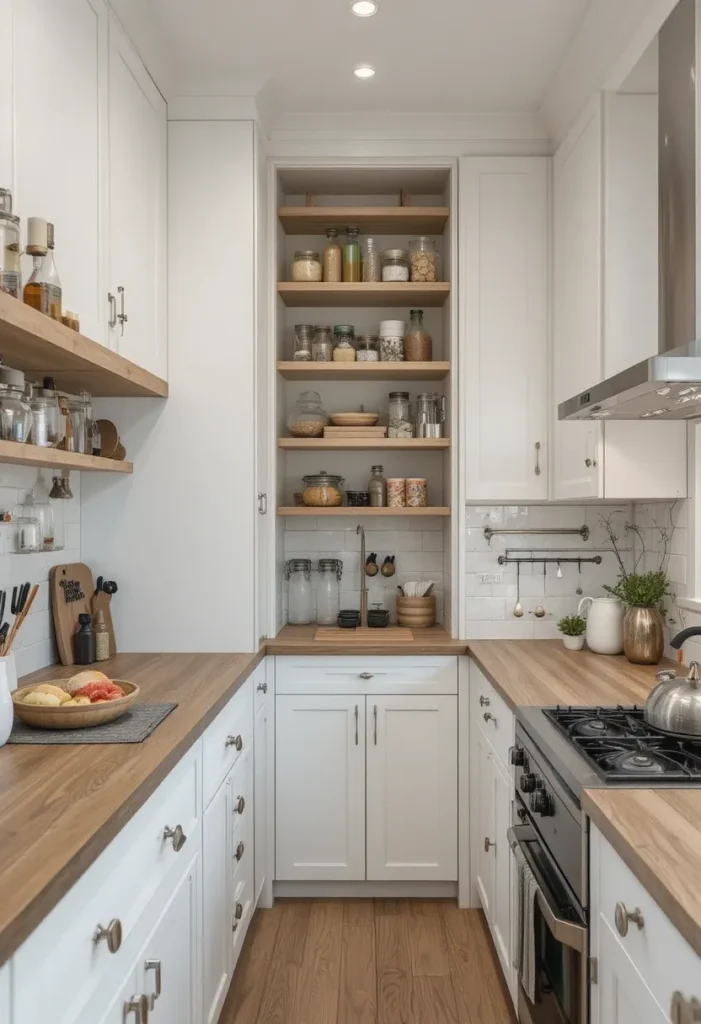
When floor space is limited, the smartest move is to build upward. Tall cabinets and vertical storage units use wall height that often goes unused in small kitchens. These units can store rarely used appliances, bulk pantry items, or seasonal cookware without crowding daily work areas.
Vertical storage keeps the kitchen organized while reducing clutter at eye level. When everything has a designated place, the kitchen feels calmer and more efficient, even if the square footage stays the same.
9. Use Compact Appliances Made for Small Kitchens
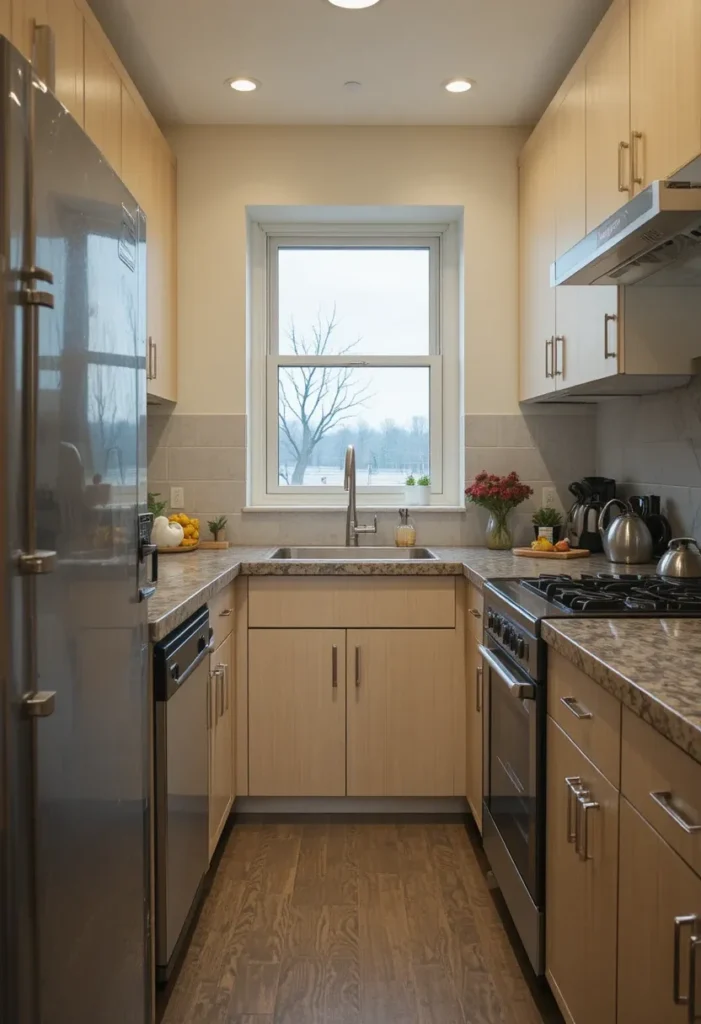
Oversized appliances quickly overwhelm small kitchens. Compact or apartment-sized appliances are designed to deliver the same functionality in a smaller footprint. Slim refrigerators, narrow dishwashers, and combination microwave-oven units free up valuable space without sacrificing performance.
Choosing the right-sized appliances improves traffic flow and makes the kitchen easier to work in. It also reduces visual heaviness, helping the room feel balanced instead of crowded.
10. Add Hooks and Rails for Everyday Tools
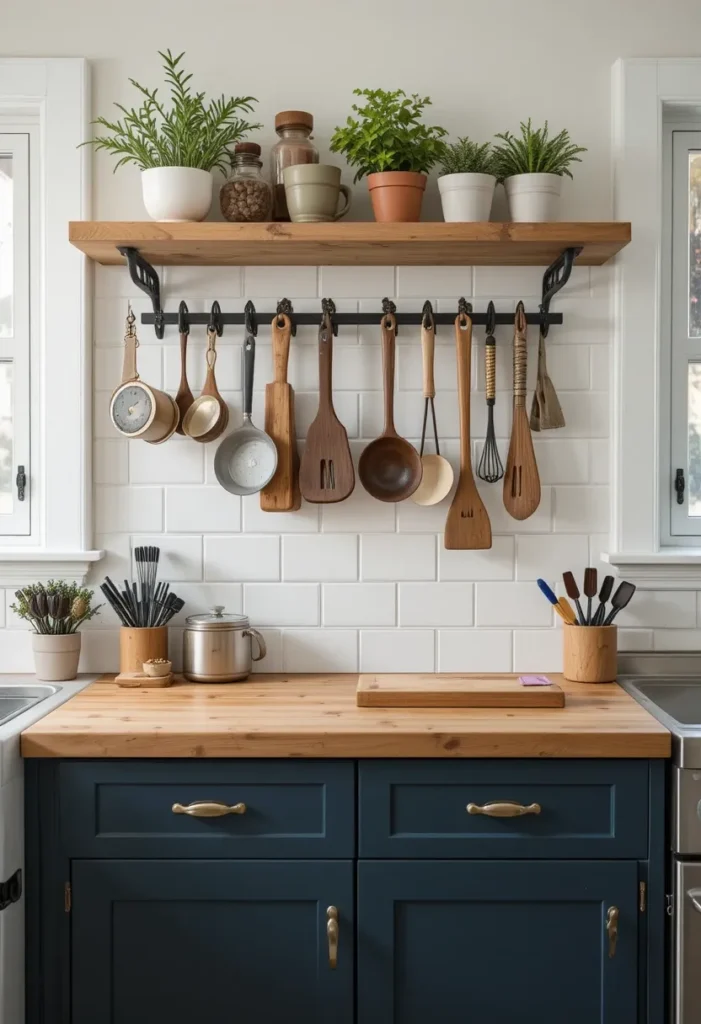
Drawers fill up fast in small kitchens, especially with utensils and tools used daily. Wall-mounted hooks and rail systems keep these items accessible without taking up drawer or counter space.
Hanging cooking tools near the stove or prep area saves time and reduces unnecessary movement. This setup also encourages tidiness because items are easy to return after use, keeping the kitchen looking organized throughout the day.
Also Read This Blog: 15 Bead Board Backsplash Kitchen Ideas That Add Charm Without Overdoing It
11. Use Glass or Reflective Backsplashes
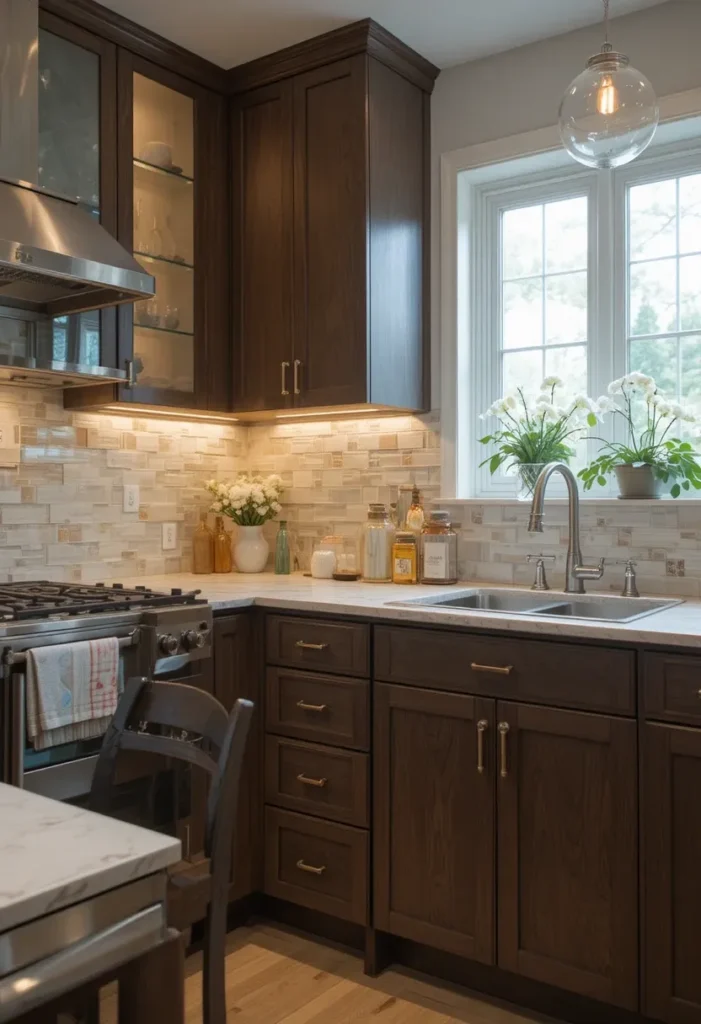
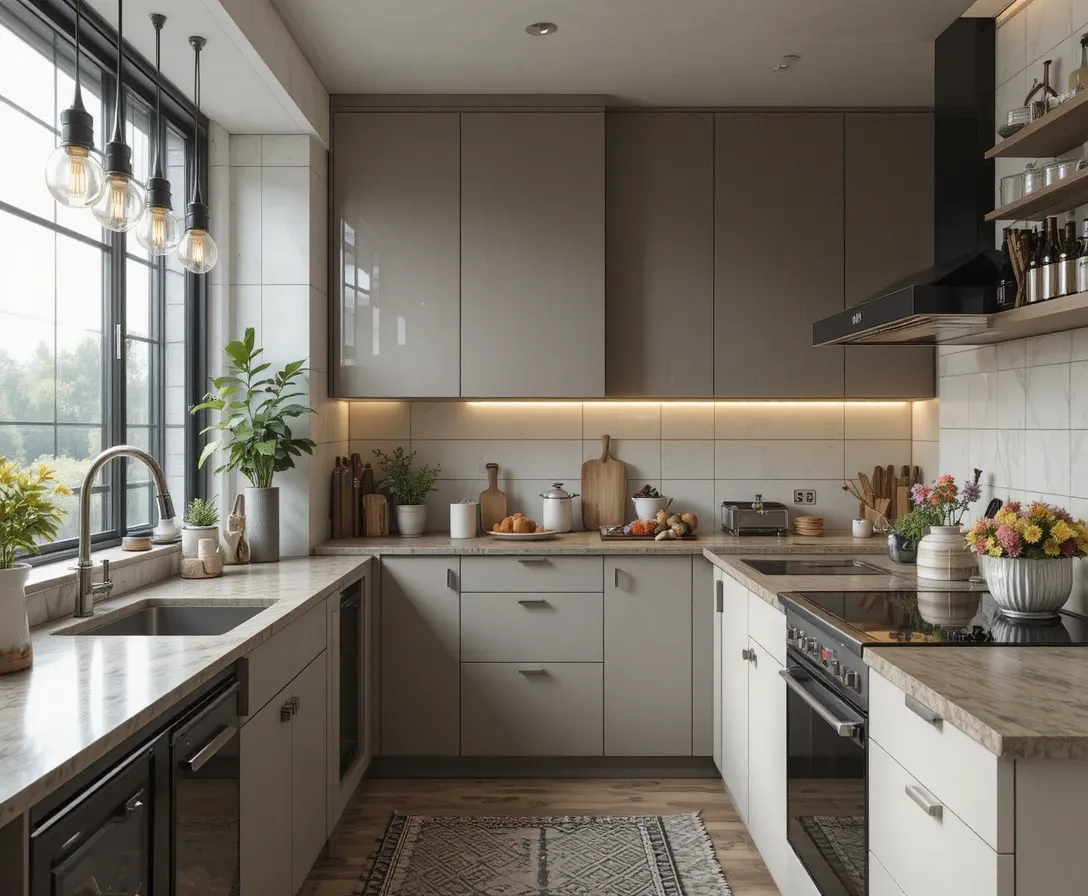
A backsplash does more than protect walls—it can visually expand a small kitchen. Glass tiles, glossy finishes, or lightly reflective surfaces bounce light around the room, making it feel brighter and more open.
These materials also add depth without adding clutter. When paired with light cabinetry or under-cabinet lighting, a reflective backsplash enhances the sense of space while remaining easy to clean and maintain.
12. Choose Smart Storage Inside Cabinets
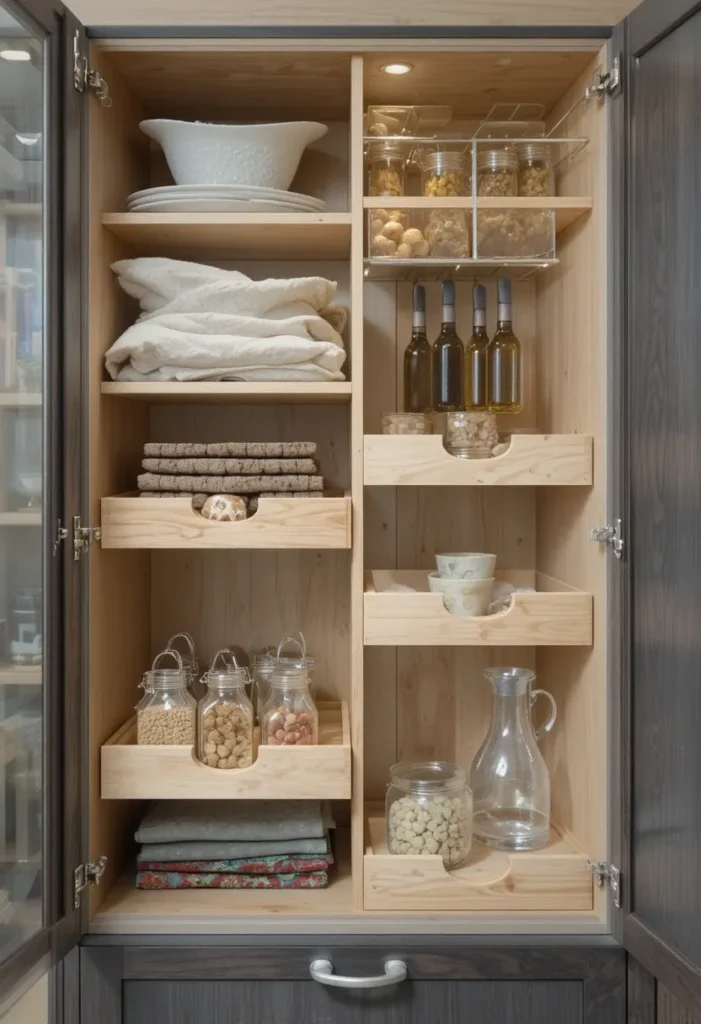
The inside of cabinets matters just as much as the outside. Adding dividers, tiered shelves, or pull-down racks helps maximize every inch of internal space. This prevents stacking items on top of each other, which often leads to mess and wasted storage.
Well-organized cabinets make cooking faster and less stressful. You can see what you have, reach what you need, and avoid overbuying items you already own but can’t find.
13. Keep the Layout Simple and Open
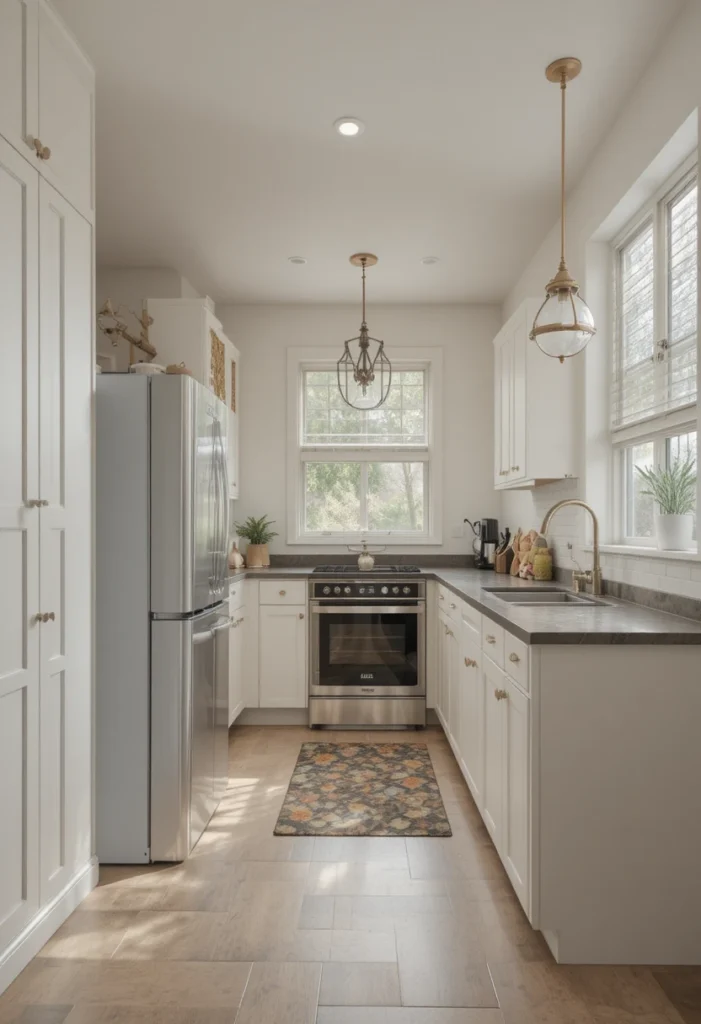
In small kitchens, complicated layouts create confusion and block movement. A simple, clear layout improves flow and makes the space easier to use. Fewer obstacles mean smoother cooking, cleaning, and movement between zones.
Open layouts also allow light to travel freely, which visually enlarges the space. Even small adjustments—like removing an unnecessary cabinet or widening a walkway—can dramatically improve comfort and usability.
Also Read This Blog: 15 Kitchen Sink Ideas That Make Everyday Cooking Easier and More Stylish
14. Declutter Regularly and Store Intentionally
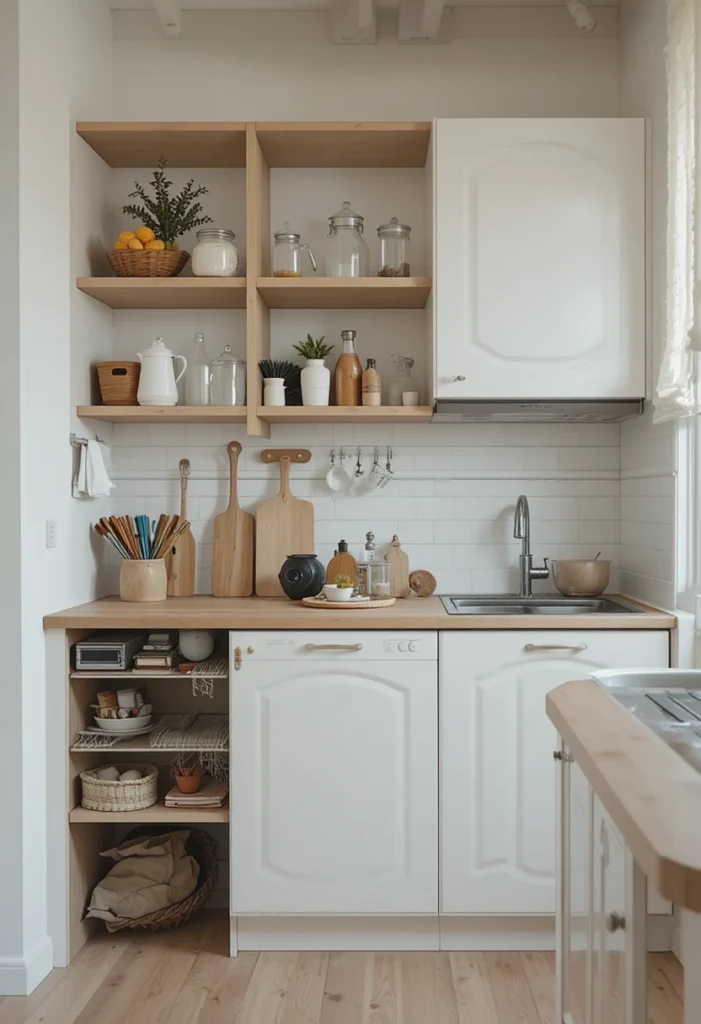
No design solution works if the kitchen is overloaded with unused items. Small kitchens perform best when storage is intentional. Keeping only what you use regularly frees up space and makes organization easier to maintain.
Storing items based on frequency of use—daily, weekly, or occasional—ensures the most important tools are always within reach. This habit alone can make a small kitchen feel larger, calmer, and far more functional.
Conclusion
A small kitchen doesn’t have to feel limiting. With thoughtful storage, smart layouts, and space-saving ideas, even the most compact kitchen can become efficient, comfortable, and visually open. The key is focusing on function first—making every inch work harder while keeping the space easy to use.
By applying these kitchen ideas for small spaces, you create a kitchen that supports your daily routine instead of working against it—proving that size doesn’t define usability, smart design does.