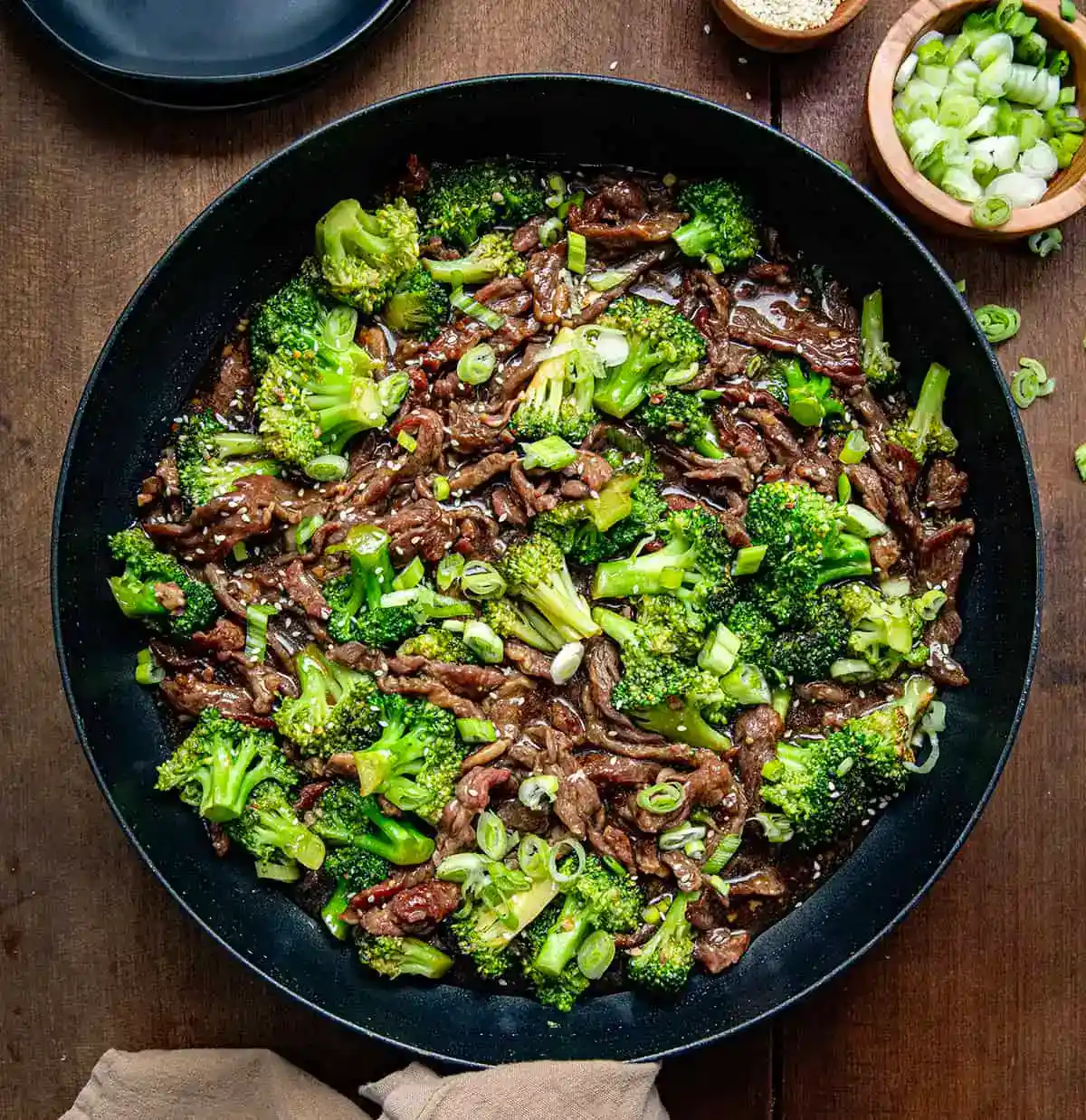
Beef and Broccoli Recipe That Actually Tastes Like Restaurant Quality
Prep Time: 15 minutes | Cook Time: 15 minutes | Total Time: 30 minutes | Servings: 4
Difficulty Level: Easy (Restaurant-style technique)
Beef and broccoli is one of the most popular Chinese-American dishes, yet it’s also one of the most disappointing recipes when made at home. Many people end up with chewy beef, watery sauce, bland flavor, or soggy broccoli. The problem isn’t the recipe—it’s missing techniques that restaurants quietly use but food blogs rarely explain clearly.
This beef and broccoli recipe is designed to fix those issues permanently. Instead of rushing through steps, this guide explains why each step matters, how to avoid common mistakes, and how to create a balanced, glossy sauce that coats every bite. The result is tender beef, crisp broccoli, and deep savory flavor—without complicated ingredients or takeout-level sodium.
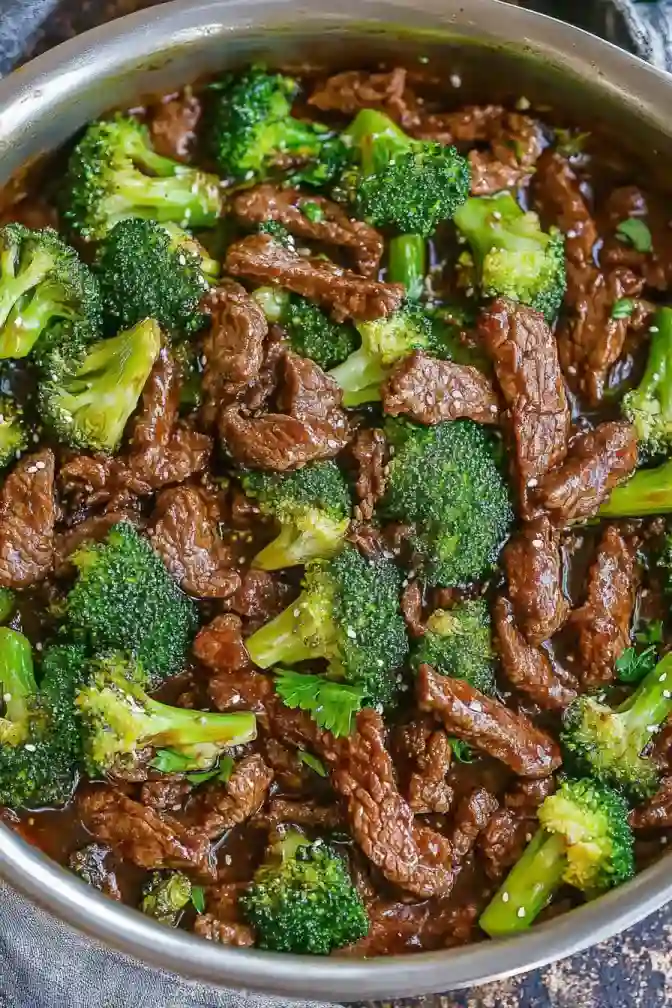
Why Most Beef and Broccoli Recipes Fail
Before cooking, it’s important to understand what usually goes wrong:
- Beef is sliced incorrectly and becomes tough
- Sauce lacks balance and tastes flat or overly salty
- Broccoli overcooks and turns dull or mushy
- Everything is cooked together too long
- No moisture control, causing watery results
This recipe solves each of these problems with proven techniques used in professional kitchens but rarely explained to home cooks.
Nutrition Information (Per Serving, Without Rice)
- Calories: ~320 kcal
- Protein: 28g
- Carbohydrates: 22g
- Fat: 14g
- Saturated Fat: 3g
- Cholesterol: 65mg
- Fiber: 3g
- Sugar: 7g
- Sodium: ~780mg
Choosing the Best Beef Cut (This Matters More Than You Think)
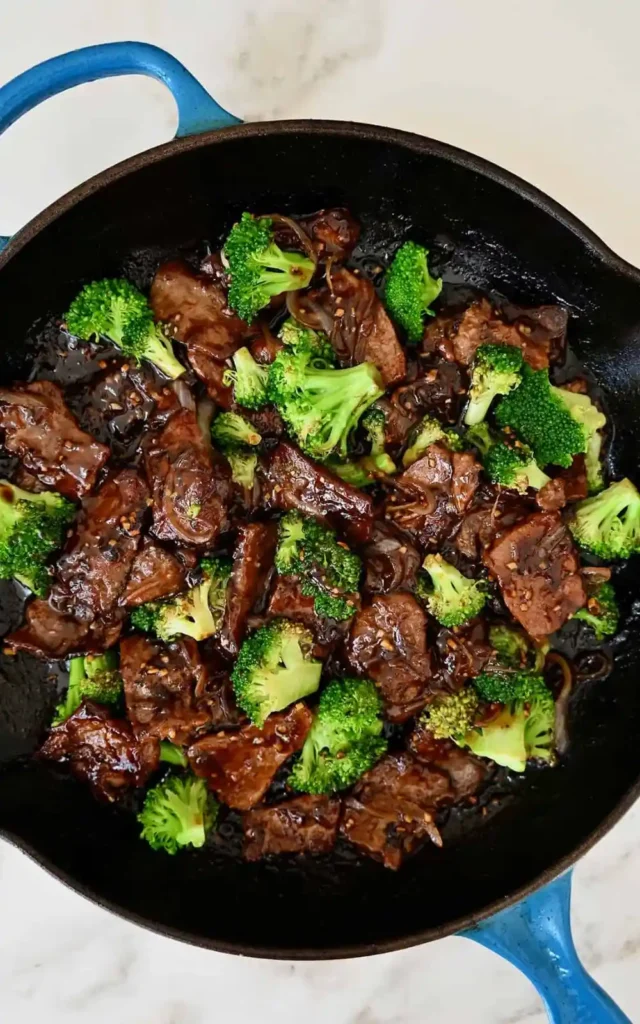
The cut of beef determines tenderness more than cooking time.
Best Cuts for Beef and Broccoli
- Flank steak – Best balance of flavor and texture
- Sirloin – Lean, affordable, and easy to find
- Ribeye – Juicy and rich (best for indulgent versions)
- Top round – Works only if sliced thin and marinated properly
Avoid stew meat or chuck roast. They require slow cooking and will be tough in a stir-fry.
How to Slice Beef Correctly (Most Recipes Skip This)
Even premium beef will turn chewy if sliced incorrectly.
Proper Slicing Method
- Slice against the grain, not with it
- Cut strips ¼-inch thick
- Partially freeze beef for 20 minutes for clean cuts
Why this works: Cutting against the grain shortens muscle fibers, making every bite easier to chew.
The Velveting Technique (Restaurant Secret Most Blogs Don’t Explain)
Velveting is the single most important step competitors often mention briefly—or skip entirely.
Simple Beef Velveting Marinade
For 1 pound of beef:
- 1 teaspoon cornstarch
- 1 teaspoon soy sauce
- ¼ teaspoon baking soda
Marinate for 15–20 minutes.
Why this works:
Cornstarch locks in moisture, baking soda relaxes muscle fibers, and soy sauce seasons from the inside.
This technique alone upgrades your beef from “homemade” to “restaurant-quality.”
Broccoli Prep That Keeps It Bright and Crisp
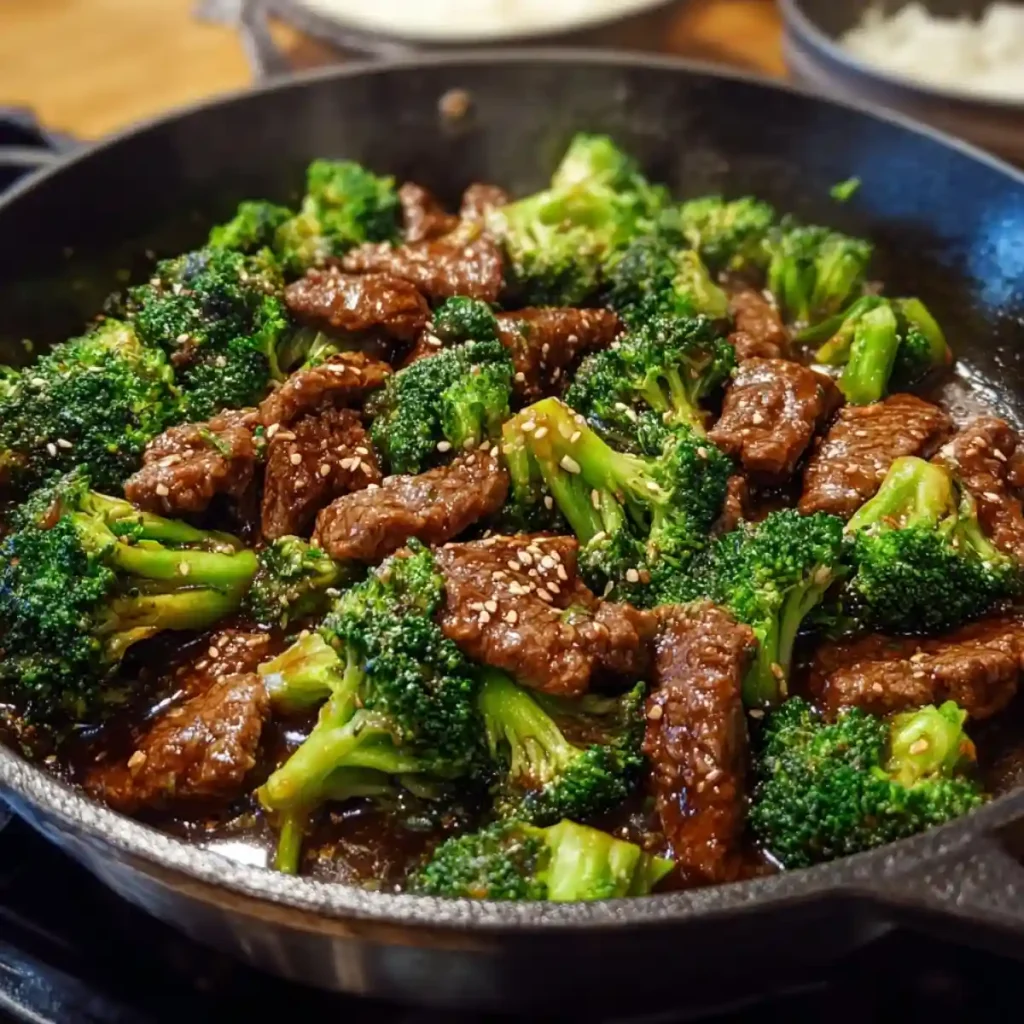
Broccoli texture is often ignored, but it affects the entire dish.
Best Broccoli Prep Method
- Use fresh, bright-green florets
- Cut evenly so they cook at the same rate
- Peel thick stems and slice them thin
Quick Blanching (Highly Recommended)
- Boil salted water
- Add broccoli for 60–90 seconds
- Transfer immediately to ice water
- Drain and pat dry
Why this matters:
Blanching sets color, preserves crunch, and prevents sogginess during stir-frying.
The Sauce: Balanced, Glossy, and Not Overpowering
Many competitor recipes rely on bottled sauces or excessive soy sauce. This version focuses on balance.
Beef and Broccoli Sauce Ingredients
- Low-sodium soy sauce (control salt)
- Garlic and fresh ginger (depth)
- Brown sugar (balance, not sweetness)
- Sesame oil (aroma, not grease)
- Cornstarch (silky texture)
- Water or beef broth (smooth consistency)
Unique improvement:
Using broth instead of plain water adds natural umami without extra salt.
Proper Stir-Fry Order (Timing Is Everything)
One major mistake is cooking everything together too long.
Correct Cooking Sequence
- Cook beef first (hot pan, quick sear)
- Remove beef from pan
- Cook broccoli briefly
- Add sauce and thicken
- Return beef and toss gently
This keeps beef tender and broccoli vibrant.
Also Read This Blog: Creamy Cheese Sauce for Broccoli: The Ultimate Guide
Cooking Beef Without Drying It Out
Key Rules
- Use a very hot pan
- Cook in small batches
- Do not stir constantly
- Total beef cooking time: 3–4 minutes max
Letting the beef sear undisturbed creates flavor while keeping the inside juicy.
Bringing Everything Together
Once the sauce thickens:
- Add beef and broccoli back to the pan
- Toss gently until evenly coated
- Simmer no more than 1 minute
Overcooking at this stage is the fastest way to ruin texture.
Common Problems and How to Fix Them
Sauce too thin
→ Simmer 30–60 seconds longer
Sauce too thick
→ Add 1–2 tablespoons water or broth
Beef chewy
→ Slice thinner + velvet longer
Flavor flat
→ Add a few drops of sesame oil at the end, not during cooking
Custom Variations (What Users Actually Search For)
- Low-carb: Use coconut aminos, serve with cauliflower rice
- Gluten-free: Replace soy sauce with tamari
- Spicy: Add chili garlic sauce or red pepper flakes
- Extra vegetables: Mushrooms, bell peppers, snap peas
These variations increase search reach and user satisfaction.
Storage and Reheating Tips (Rarely Explained Well)
- Store in airtight container up to 4 days
- Reheat in a skillet, not microwave
- Add 1 tablespoon water to revive sauce
This keeps texture intact and prevents dryness.
Also Read This Blog: Homemade Taco Seasoning Recipe (Fresh, Custom & Additive-Free)
Why This Recipe Beats Most Competitors
✔ Explains why techniques work
✔ Includes velveting done correctly
✔ Controls moisture to prevent watery sauce
✔ Uses blanching for better broccoli texture
✔ Balanced flavor without bottled shortcuts
✔ Solves real user mistakes step-by-step
Most competitor articles list ingredients.
This one teaches technique, which builds trust and authority.
Conclusion
Beef and broccoli recipe doesn’t need to be complicated—but it does need the right methods. By choosing the correct beef, slicing properly, using velveting, controlling heat, and balancing the sauce, you can consistently achieve restaurant-quality results at home.
This recipe isn’t just about cooking dinner. It’s about confidence in the kitchen, better texture, deeper flavor, and reliable results every time. Once you master this version, takeout won’t even be tempting anymore.