18 Kitchen Island Lighting Ideas That Actually Work
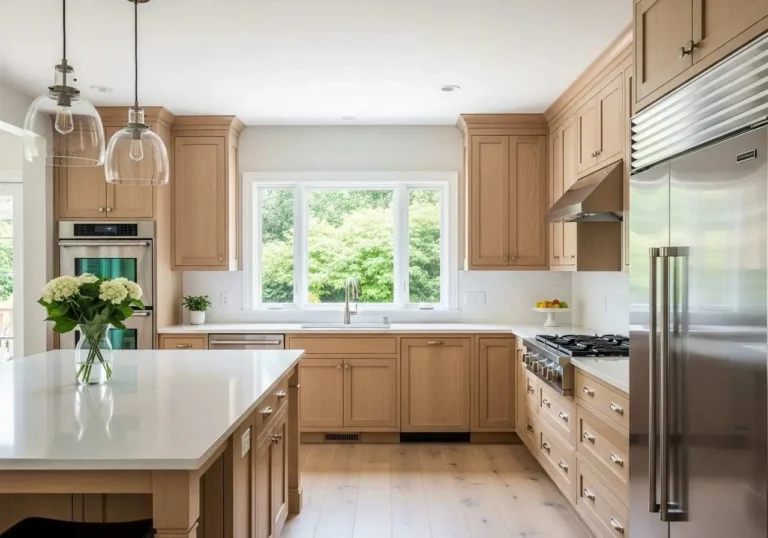
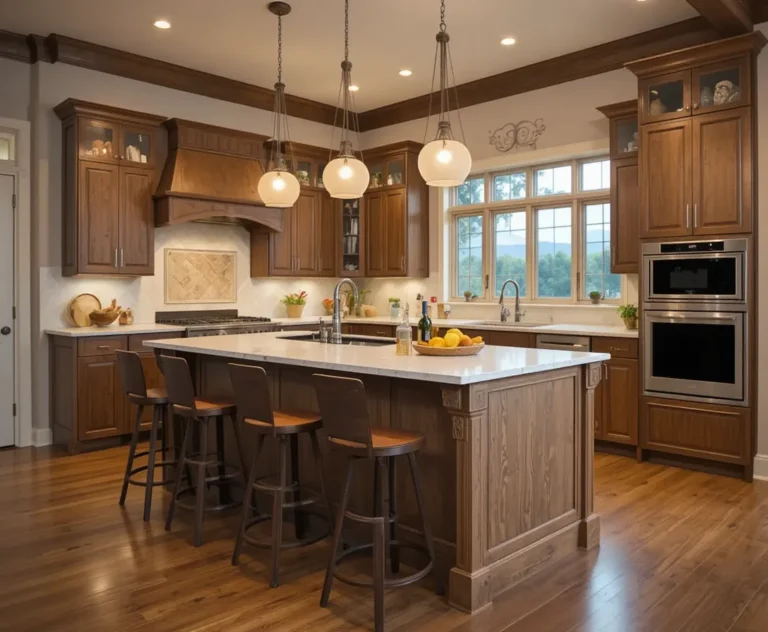
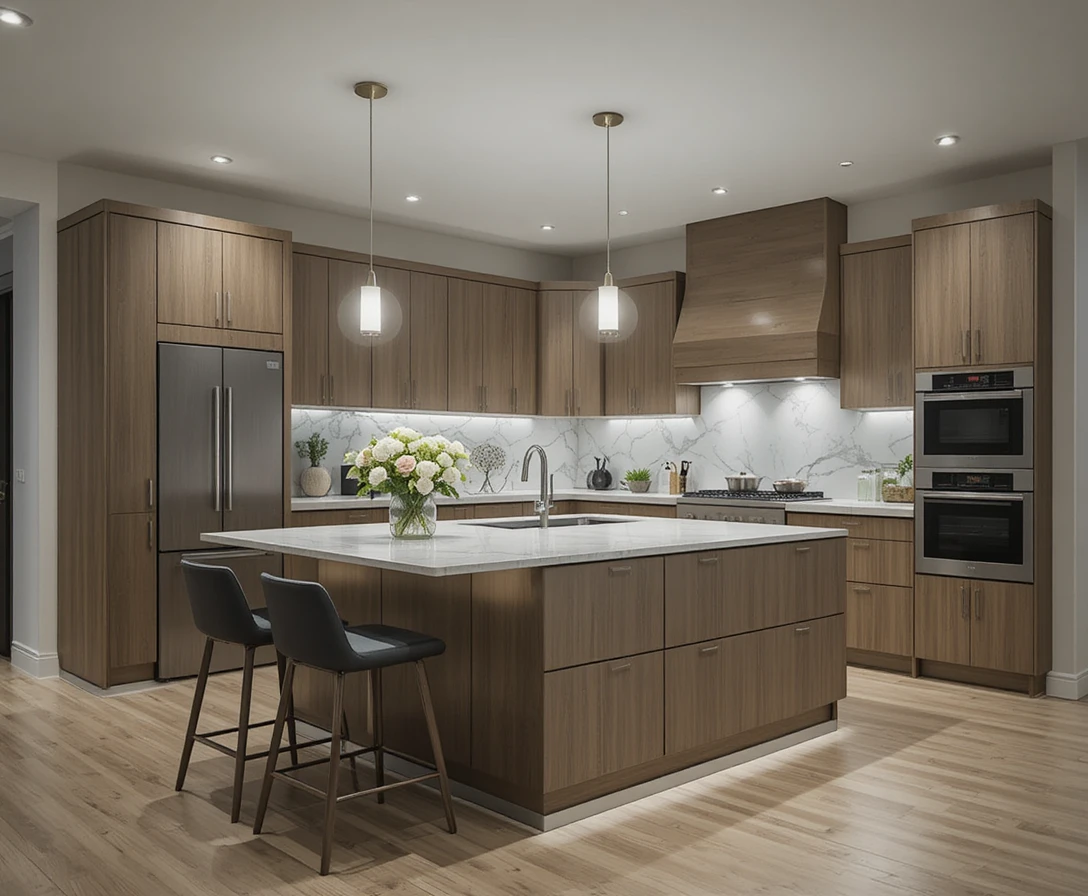
Kitchen island lighting is one of the most misunderstood design elements in modern kitchens. Many homeowners choose lights based only on looks, then struggle with glare, shadows, poor brightness, or fixtures that feel overwhelming in the space. The right lighting should do three things at once: improve visibility, enhance the island’s design, and create a comfortable atmosphere for everyday use.
Whether your kitchen island is used for cooking, dining, working, or entertaining, these kitchen island lighting ideas focus on real-life problems and smart solutions that make the space more functional and visually balanced.
1. Pendant Lights for Focused Task Lighting
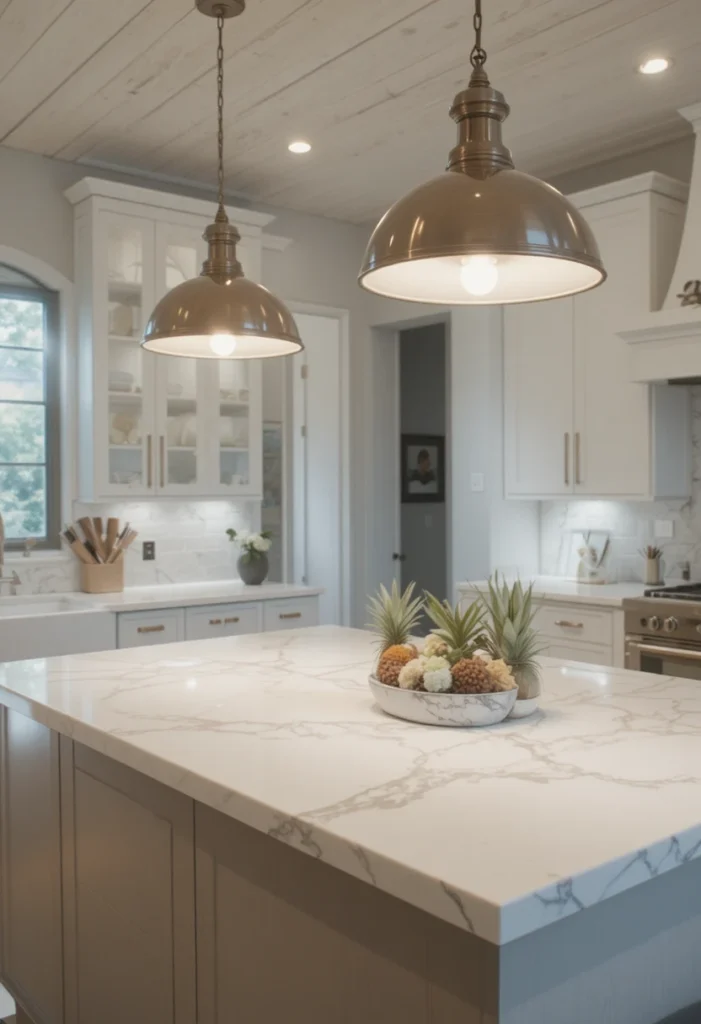
Pendant lights remain the most popular choice for kitchen island lighting—and for good reason. They provide direct, focused light exactly where you need it most.
Why users struggle:
Many kitchens feel dim over the island, especially during food prep. Overhead ceiling lights alone often cast shadows.
Smart solution:
Install pendant lights centered over the island surface. They deliver task lighting without lighting up unnecessary areas.
How to apply it correctly:
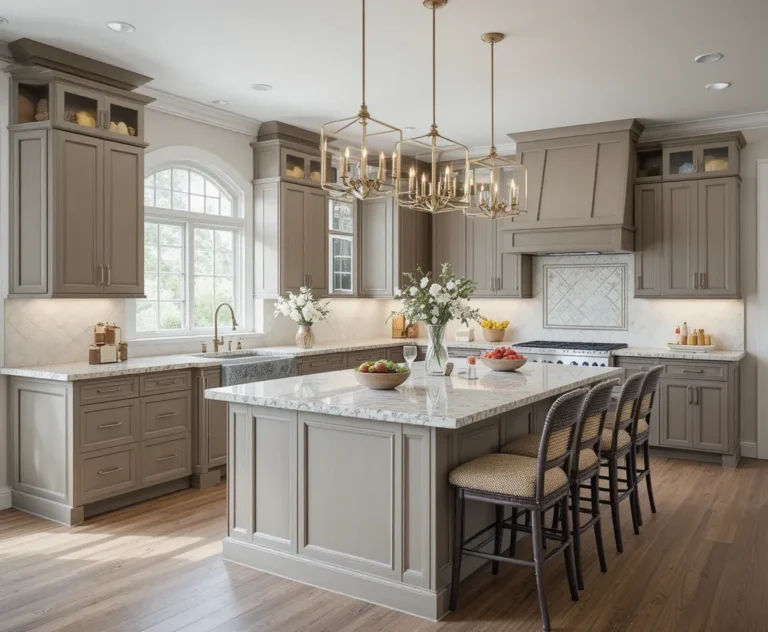
- Hang pendants 30–36 inches above the island countertop
- Choose wide-bottom shades to spread light evenly
- Space multiple pendants evenly for balance
Pendant lighting improves visibility while adding style, making it ideal for both small and large kitchen islands.
2. Linear Pendant Lights for Long Islands
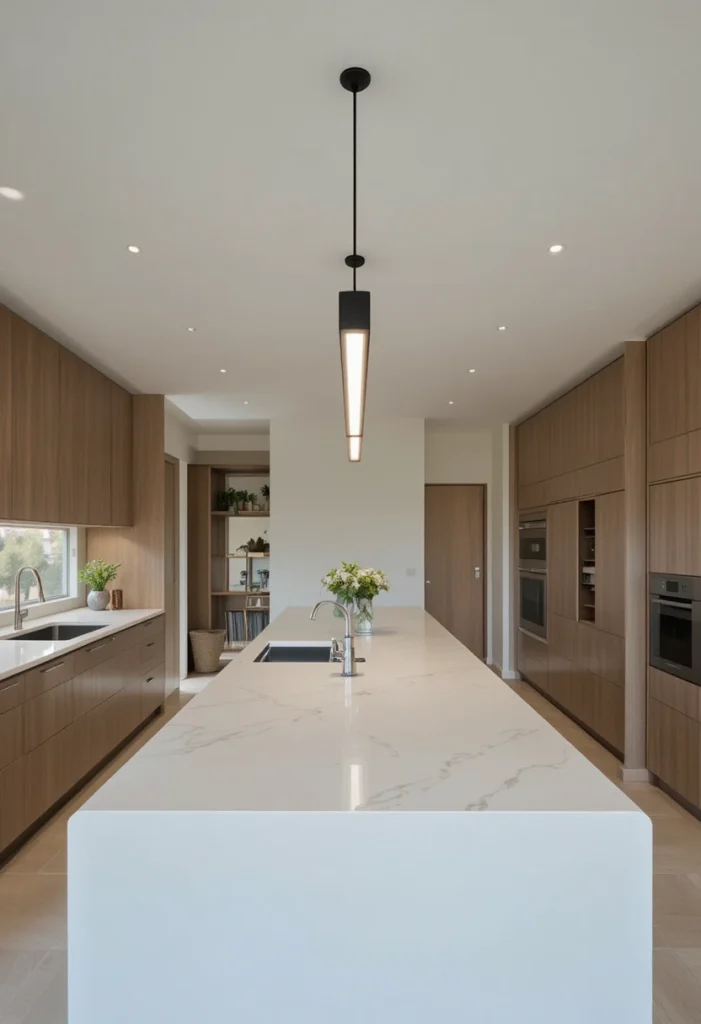
For long or oversized islands, multiple small pendants can look cluttered or uneven.
Common problem:
Too many fixtures create visual noise, while too few leave dark zones.
Better approach:
A single linear pendant light stretches across the island, offering consistent illumination and a clean look.
Why it works:
- Covers the entire island evenly
- Reduces visual clutter
- Works well in modern and open-plan kitchens
Linear kitchen island lighting is especially effective in minimalist and contemporary designs where simplicity matters.
3. Layered Lighting for Better Functionality
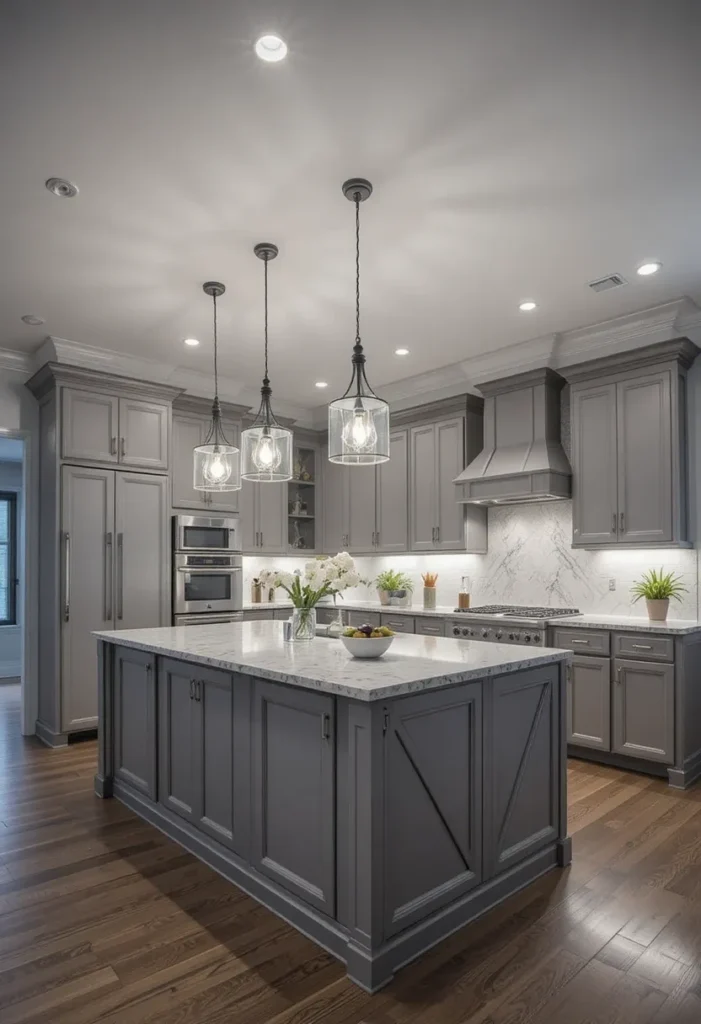
Relying on only one lighting source is a mistake many homeowners make.
User pain point:
One bright light feels harsh at night, while dim lighting isn’t enough for cooking.
Solution:
Layer your lighting using:
- Island lighting (task)
- Under-cabinet lighting (support)
- Ambient ceiling lights (overall glow)
This layered approach allows you to adjust brightness based on time and activity, making the kitchen comfortable all day long.
4. Adjustable Hanging Lights for Flexibility
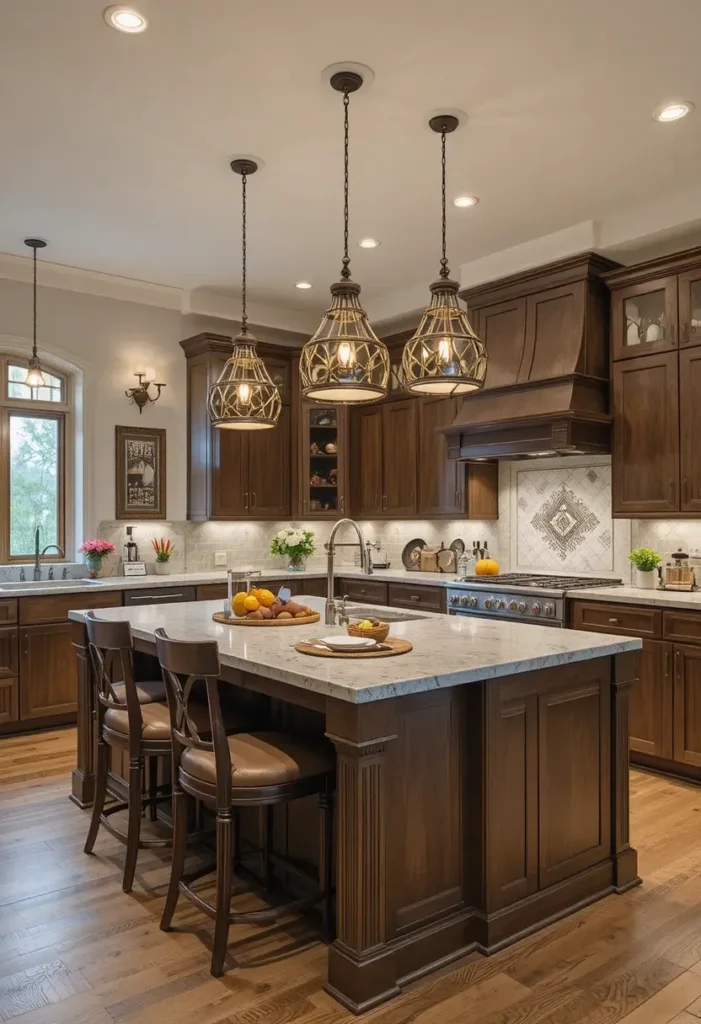
Fixed-height lighting doesn’t always work for every household.
Real-life issue:
Different tasks require different lighting heights—especially if the island doubles as a dining or work area.
Practical solution:
Use adjustable or pulley-style pendant lights.
Benefits for users:
- Lower the light for food prep
- Raise it for dining or entertaining
- Adapt the space without renovation
Adjustable kitchen island lighting adds flexibility, especially for multi-purpose islands.
5. Warm vs Cool Light Temperature
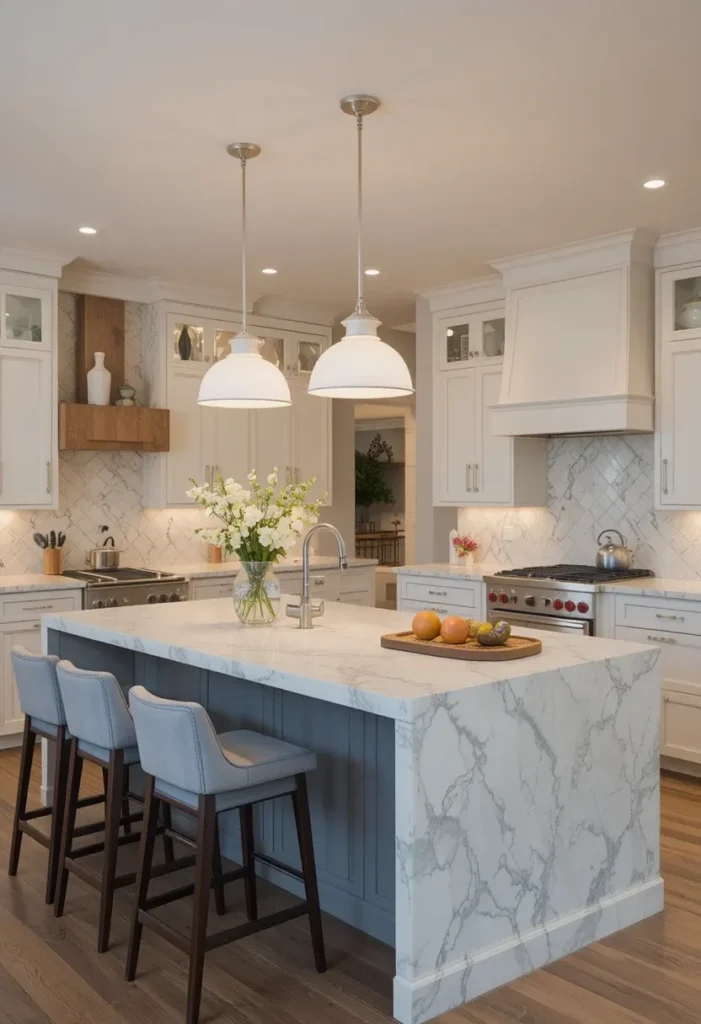
Many kitchens feel uncomfortable because of the wrong light temperature.
User mistake:
Choosing lights that are too white or too yellow without considering function.
Best practice:
- Warm white (2700K–3000K): cozy, ideal for dining
- Neutral white (3500K–4000K): best for food prep
Smart tip:
Use neutral lighting for island pendants and warmer lighting elsewhere to balance function and comfort.
This small choice has a huge impact on how your kitchen feels.
6. Statement Lighting to Anchor the Kitchen Design
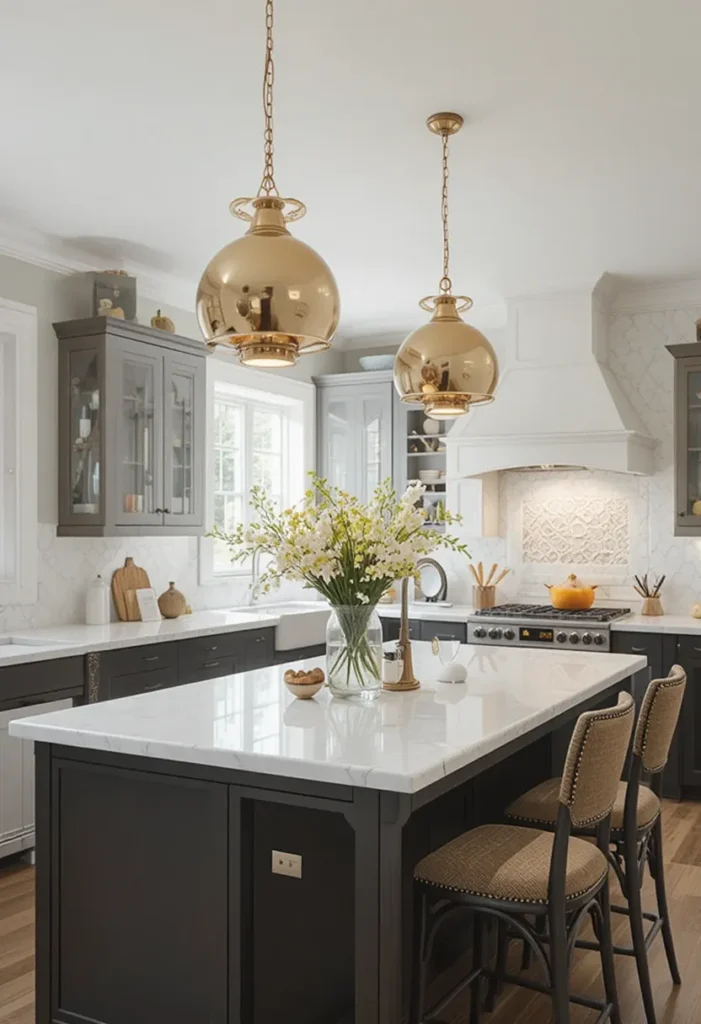
Kitchen islands are often the visual center of the room.
User desire:
They want the island to stand out—but not feel overwhelming.
Solution:
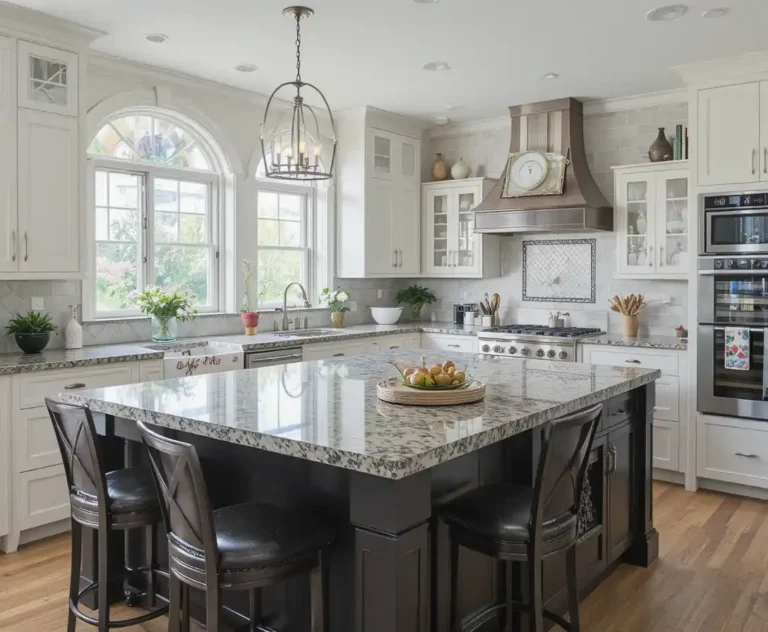
Use statement pendant lights that complement the kitchen style.
Examples:
- Glass pendants for light, airy kitchens
- Black or brass fixtures for contrast
- Sculptural lighting for modern homes
Statement kitchen island lighting anchors the space while adding personality without clutter.
7. Proper Spacing Between Multiple Lights
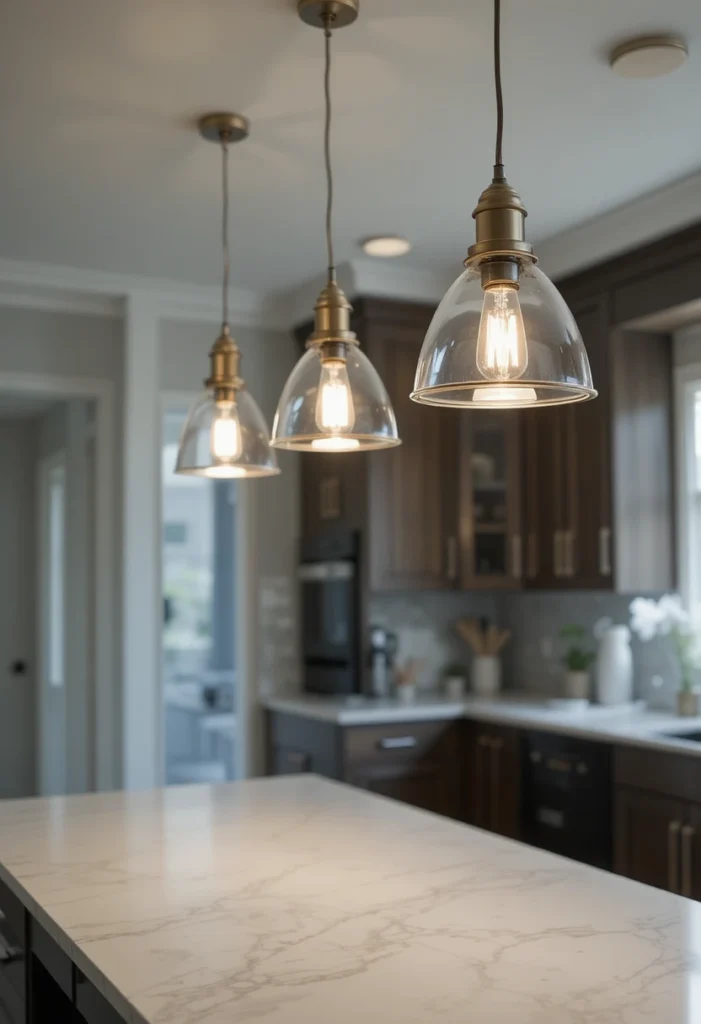
Poor spacing is one of the biggest lighting mistakes.
Common issue:
Lights placed too close cause glare; too far apart create dark spots.
Correct spacing rule:
- Space pendants 24–30 inches apart
- Align them with the island length, not cabinets
Proper spacing improves both function and aesthetics, ensuring the island feels balanced and intentional.
8. Dimmable Lighting for Everyday Comfort
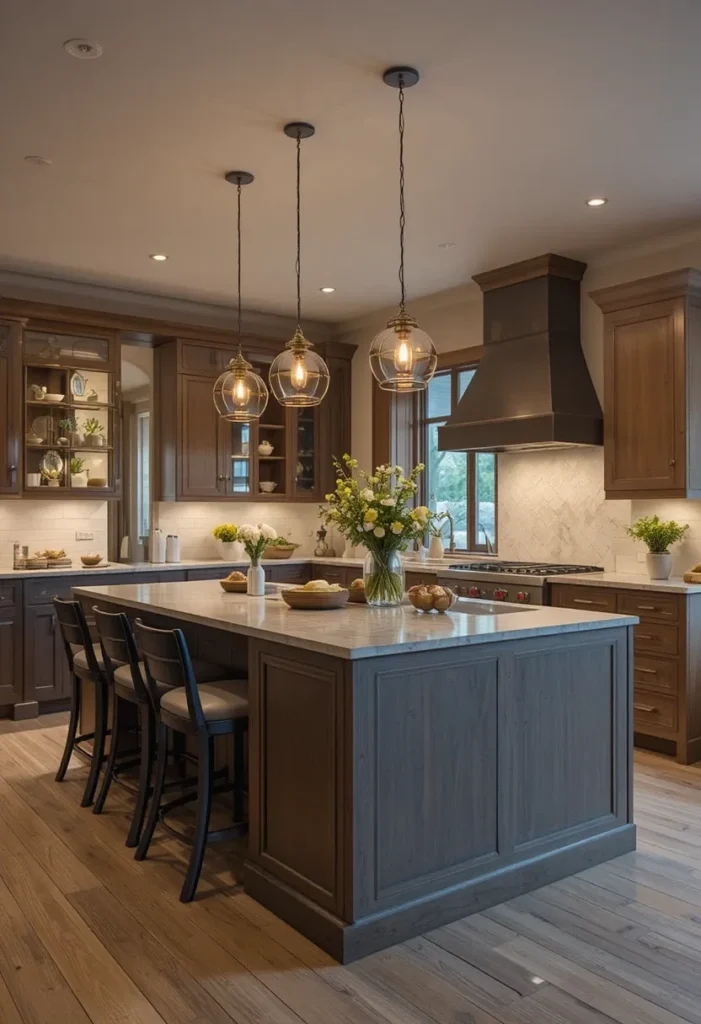
Not every moment in the kitchen requires full brightness.
User frustration:
Bright lights feel uncomfortable during evenings or casual meals.
Best solution:
Install dimmable kitchen island lighting.
Why users love it:
- Bright for cooking
- Soft for dining
- Adjustable for mood and time
Dimmers instantly make a kitchen feel more premium and user-friendly without major cost.
9. Recessed Lighting to Support Island Fixtures
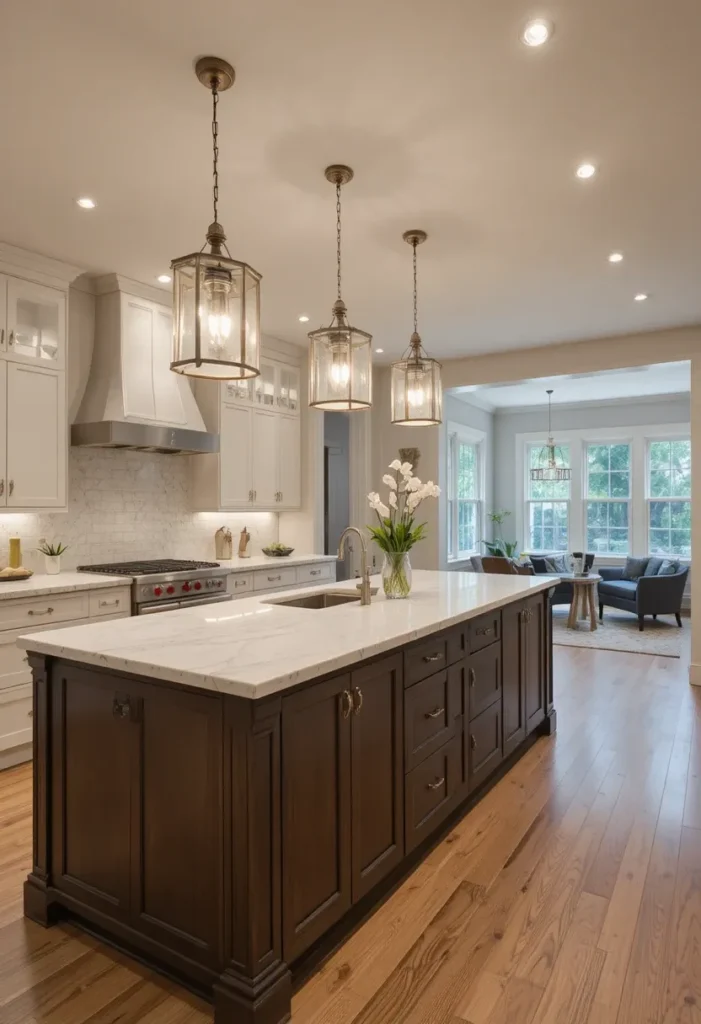
Pendant lights alone are rarely enough, especially in busy kitchens.
Common user problem:
Shadows form when someone stands at the island, blocking light from above.
Smart solution:
Add recessed ceiling lights around the island—not directly above pendants, but slightly offset.
Why it works:
- Fills in dark areas
- Supports task lighting without glare
- Keeps the kitchen evenly lit
Recessed lighting ensures your kitchen island lighting performs well even during heavy use.
10. Under-Island Lighting for Depth and Ambience
Lighting doesn’t have to come only from above.
User pain point:
Kitchen islands often feel bulky or heavy, especially in small spaces.
Practical fix:
Install LED strip lighting beneath the island overhang or toe-kick area.
Benefits:
- Makes the island appear lighter and floating
- Adds soft ambient light at night
- Improves safety during low-light hours
Under-island lighting adds both beauty and function without visual clutter.
11. Matching Lighting Scale to Island Size
One-size-fits-all lighting doesn’t work.
Mistake users make:
Choosing fixtures that are too large or too small for the island.
Correct approach:
- Large island → larger or multiple fixtures
- Small island → slim or compact pendants
Why it matters:
Proper scale keeps the kitchen balanced and prevents the island from feeling overcrowded or under-lit.
This detail separates well-designed kitchens from average ones.
12. Coordinating Island Lighting with the Kitchen Style
Lighting should feel intentional, not random.
User confusion:
They love a fixture—but it clashes with cabinets, hardware, or overall style.
Simple rule:
- Modern kitchens → clean lines, metal or glass
- Farmhouse kitchens → warm finishes, soft shapes
- Industrial kitchens → matte black, exposed bulbs
Coordinated kitchen island lighting ties the entire space together visually.
13. Lighting for Islands That Double as Dining Areas
Many kitchen islands are used as dining tables.
Real-life issue:
Lights that are great for prep feel harsh while eating.
Solution:
- Use wider shades to soften light
- Choose warm bulbs
- Add dimmers for flexibility
This creates a comfortable dining experience without sacrificing functionality.
14. Avoiding Glare and Eye-Level Discomfort
Lighting that looks good can still feel uncomfortable.
User complaint:
Bright bulbs shine directly into eyes when seated.
How to fix it:
- Use frosted or opaque shades
- Avoid exposed bulbs at eye level
- Position lights slightly inward from seating
Comfort is just as important as brightness in kitchen island lighting.
15. Smart Lighting for Modern Kitchens
Technology is changing how kitchens function.
User need:
More control and energy efficiency.
Smart solution:
- App-controlled lighting
- Voice-activated dimming
- Programmable brightness schedules
Smart kitchen island lighting improves convenience while reducing energy waste—perfect for modern lifestyles.
16. Mixing Metal Finishes Without Clashing
Perfect matching isn’t always necessary.
Common fear:
Mixing metals will look messy or unplanned.
Balanced approach:
- Choose one dominant finish
- Use a second finish subtly
- Keep tones consistent (warm with warm, cool with cool)
This adds depth while keeping the island visually cohesive.
17. Lighting Placement for Small Kitchens
Small kitchens need extra attention to detail.
User struggle:
Lighting overwhelms the space or makes it feel crowded.
Smart tips:
- Use slim-profile fixtures
- Choose lighter finishes
- Avoid oversized pendants
Proper kitchen island lighting can actually make small kitchens feel larger and more open.
18. Planning Lighting Early to Avoid Costly Mistakes
Lighting is often treated as an afterthought.
Biggest mistake:
Choosing fixtures before planning wiring and layout.
Best practice:
- Plan lighting during kitchen design
- Confirm island size and seating first
- Align lighting with workflow
Early planning ensures your kitchen island lighting looks good and works perfectly long-term.
Final Thoughts: Why Kitchen Island Lighting Matters
Kitchen island lighting isn’t just decoration—it directly affects how your kitchen functions every day. From cooking and dining to entertaining and working, the right lighting improves comfort, efficiency, and visual balance.
By applying these 18 kitchen island lighting ideas across both parts of this guide, you create a kitchen that feels intentional, practical, and inviting. When lighting is planned with real user needs in mind, the island becomes more than a surface—it becomes the heart of the kitchen.